
Understanding Stimulants: Cocaine, Meth & Prescription Drug Misuse
Stimulants are a class of drugs — including cocaine, methamphetamine, and prescription medicines such as Adderall and Ritalin — that raise dopamine and norepinephrine activity in the brain, increasing alertness, energy, and heart rate. Repeated use can lead to tolerance, dependence, and a distinctive “crash” phase marked by depression and cravings requiring specialised, psychologically-driven treatment.
- Licensed Facility
- Medical Detox Available
- Koh Phangan, Thailand
- Dual Treatment Programme
What Are Stimulants and How Do They Work?
Stimulants are a class of psychoactive drugs that increase activity in the central nervous system. Clinically, this class spans illicit drugs such as cocaine and methamphetamine, and prescription medicines — methylphenidate (Ritalin) and amphetamine salts (Adderall, Dexedrine) — prescribed for conditions such as ADHD and narcolepsy.
Despite their different legal status, all three groups act on the same underlying brain chemistry. Cocaine blocks the reuptake of dopamine, leaving more of it active in the synapse. Methamphetamine both blocks reuptake and forces additional dopamine release, producing a larger and more prolonged disruption of the brain’s dopamine system than cocaine. Prescription stimulants raise dopamine in a more regulated, dose-controlled way — which is why they have a legitimate medical use, but can still be misused.
The result across the class is the same basic profile: increased alertness, energy, and heart rate, followed — as the drug clears — by a “crash” of fatigue, low mood, and cravings that drives repeated use.
Cocaine is used by an estimated 23 million people, and amphetamine-type stimulants (including methamphetamine) by an estimated 30 million people, worldwide (UNODC World Drug Report 2024). In the United States, central nervous system stimulant use disorder — spanning cocaine, methamphetamine, and prescription stimulants — affected an estimated 4.3 million people aged 12 and older in 2024 (SAMHSA, 2024 NSDUH). Holina’s Dual Treatment programme addresses stimulant dependence and any co-occurring conditions together.
Types of Stimulants
“Stimulants” is an umbrella term covering several distinct sub-categories, each with a different origin, legal status, and risk profile.
Cocaine
A fast-acting stimulant derived from the coca plant, typically snorted or smoked. Blocks dopamine reuptake, producing an intense but brief high — usually minutes rather than hours — followed by a sharp crash.
Methamphetamine
A synthetic stimulant that both blocks dopamine reuptake and triggers additional release, binding in the brain far longer than cocaine (NIDA). Effects last considerably longer, and chronic use carries a higher risk of psychosis.
Crystal Meth Addiction Treatment → · Methamphetamine Detox →
Prescription Stimulants
Amphetamine (Adderall), methylphenidate (Ritalin), and dextroamphetamine (Dexedrine) are prescribed for ADHD and narcolepsy. Legitimate and effective at prescribed doses, but misuse — higher doses, crushing, or use without a prescription — can lead to dependence.
Prescription Drug Addiction Treatment → · Prescription Drug Detox →
Wakefulness-Promoting Agents
Modafinil (Provigil) is prescribed for narcolepsy and shift-work sleep disorder. It is often grouped with prescription stimulants in everyday use, though pharmacologically it works differently and carries a comparatively lower dependence risk.
MDMA (Ecstasy)
MDMA has stimulant properties layered with mild hallucinogenic effects, placing it outside the classic stimulant class. It is discussed separately, alongside other club drugs.
Everyday Stimulants
Caffeine and nicotine are mild, widely legal stimulants. They act on the same broad category of brain chemistry but at far lower intensity, and are not part of Holina’s clinical focus on stimulant use disorder.
Why This Matters for Treatment
Because no medication currently reverses stimulant dependence, effective care depends on close clinical monitoring through withdrawal and a psychologically-driven programme that treats the addiction and any underlying condition together.

No Medication Cure. A Structured, Supportive Programme.
-
No FDA-Approved Medication for Stimulant Use Disorder
Unlike opioid or alcohol use disorder, there is currently no medication approved to treat cocaine, methamphetamine, or prescription stimulant use disorder. The FDA issued draft guidance in October 2023 to help sponsors develop future treatments, but until one exists, evidence-based behavioural therapy is the primary tool.
-
Monitoring the Crash Phase
The “crash” that follows heavy stimulant use brings fatigue, low mood, and intense cravings. In the first one to two weeks, some individuals experience depression severe enough to raise suicidality risk, which is why clinical supervision during this period is recommended (SAMHSA Treatment Improvement Protocol 33, 2021).
-
Dual Treatment for Addiction and Behavioural Health
Stimulant dependence frequently sits alongside anxiety, depression, or trauma. Our Dual Treatment programme addresses both simultaneously, rather than treating the substance use in isolation.
A Different Kind of Recovery

Licensed Medical Facility
Holina Rehab is fully licensed by the Thai Ministry of Public Health and operates under international addiction treatment standards. Our on-site physician, nursing staff, and experienced addiction therapists provide 24-hour clinical oversight through assessment, the stimulant crash phase, and primary care.
Whichever stimulant is involved — cocaine, methamphetamine, or a misused prescription medicine — dual treatment for addiction and behavioural health, and evidence-based therapy, are delivered within a single integrated residential setting.

The Koh Phangan Recovery Environment
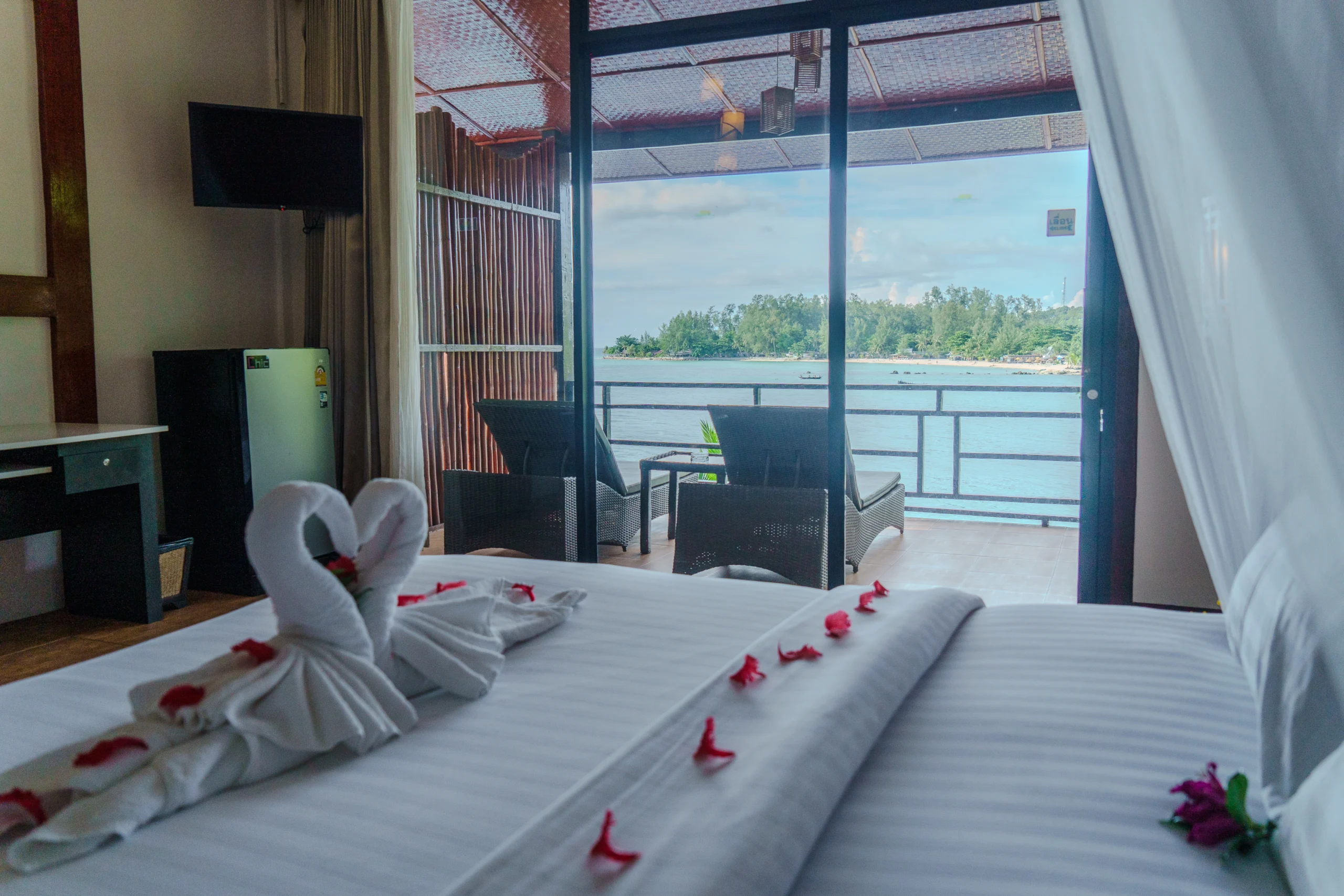
The tropical island setting — sea air, natural surroundings, and distance from daily life — creates conditions for the psychological reset that recovery from stimulant dependence requires. Koh Phangan is home to one of Asia’s largest healing communities.
Clients benefit from private beach access, swimming pools, on-site gym, a nutritious restaurant, and a range of holistic therapies that complement the clinical programme.
Our Clinical Team
Treatment at Holina Rehab is led by qualified medical professionals and experienced addiction therapists. Every client is under active clinical supervision throughout their programme.



Licensed by the Thai Ministry of Public Health · Residential Rehab Licence #84-03-00294 · International Addiction Treatment Standards
“Ive just finished three months of treatment at Holina and can honestly say it was the best choice of my life.”
— Matthew Hill, Google Review, 1 Apr 2026 · ★★★★★
Stimulants: Frequently Asked Questions
What are stimulants?
Stimulants are a class of drugs that increase activity in the central nervous system by raising dopamine and norepinephrine levels in the brain, producing increased alertness, energy, and heart rate. The class includes illicit drugs such as cocaine and methamphetamine, prescription medicines such as Adderall and Ritalin, and, in a broader everyday sense, caffeine and nicotine.
What is the difference between cocaine, methamphetamine, and prescription stimulants?
Cocaine produces an intense, short-lived high by blocking dopamine reuptake, while methamphetamine both blocks reuptake and triggers additional dopamine release, producing effects that last considerably longer than cocaine’s. Prescription stimulants such as Adderall and Ritalin are manufactured to a regulated dose for conditions like ADHD, but can still be misused, diverted, or taken in ways not intended, leading to dependence.
Is stimulant withdrawal dangerous?
Stimulant withdrawal is not usually life-threatening in the way alcohol or benzodiazepine withdrawal can be, but the crash phase that follows heavy use brings intense fatigue, low mood, and cravings. In the first one to two weeks, some people experience depression severe enough to raise suicidality risk, which is why clinical monitoring during this period is recommended.
Is there a medication to treat stimulant addiction?
There is currently no FDA-approved medication specifically for cocaine, methamphetamine, or prescription stimulant use disorder. The FDA issued draft guidance in October 2023 to help develop future treatments, but until an approved medication exists, behavioural therapies such as CBT and contingency management, combined with treatment for any co-occurring behavioural health condition, remain the primary evidence-based approach.
How does Holina Rehab treat stimulant dependence?
Because no medication currently treats stimulant addiction directly, Holina Rehab’s approach centres on supportive medical monitoring through the crash phase, evidence-based therapies including CBT and DBT, and our Dual Treatment programme, which treats stimulant dependence alongside any co-occurring anxiety, depression, or trauma at the same time. For cocaine or methamphetamine specifically, see our dedicated Cocaine & Stimulant Detox and Methamphetamine Detox programmes.
Can prescription stimulants like Adderall be addictive even when prescribed?
Yes. Even when taken as prescribed, medicines such as Adderall, Ritalin, and Dexedrine can lead to tolerance and dependence over time, and misuse, such as taking higher doses or using them without a prescription, significantly increases the risk of addiction. See our dedicated Prescription Drug Addiction Treatment page for more detail.
Explore Related Guides
- depressants such as alcohol, benzodiazepines, and barbiturates, which act in the opposite direction to stimulants.
- opioids, their effects, and treatment.
- the most commonly abused drugs, including where stimulants rank.
- how to recognise the signs and symptoms of stimulant abuse.
Concerned About Stimulant Use?
Our admissions team responds the same day — seven days a week, in full confidence.
+66 (0) 82 113 0657 or contact us online ↓