The Most Abused Drugs: A Comprehensive Guide
The most abused drugs worldwide are cannabis, opioids, cocaine, amphetamines and alcohol — substances that affect the brain’s reward, pain and mood systems differently, but can all lead to dependence. This guide explains each major drug class, how addiction develops, and why Holina Rehab’s Dual Treatment programme adapts to each substance’s specific medical and psychological risks.
- Licensed Facility
- Medical Detox Available
- Koh Phangan, Thailand
- 30–90 Day Programmes
What Are the Most Commonly Abused Drugs?
Drug use has risen steadily over the past decade. An estimated 331 million people used a drug in 2024 — 6.2% of the world’s population aged 15 to 64, up from 5.2% a decade earlier (UNODC, World Drug Report 2026).
Cannabis remains the most widely used drug worldwide, followed by opioids, amphetamines, cocaine, and ecstasy-type substances. In the United States, alcohol and marijuana use disorders affect more people than any other single substance, while opioids and stimulants drive the highest rates of overdose and medically acute withdrawal (SAMHSA, 2024 NSDUH).
“Most abused” is not a fixed ranking — it shifts by region, year, and whether a substance is legal (alcohol), pharmaceutical (opioids, benzodiazepines), or illicit (heroin, methamphetamine). Understanding each class, and how it affects the brain, is the first step to recognising a problem and finding the right treatment.
An estimated 331 million people used drugs in 2024, led by cannabis (256 million users), opioids (63 million), amphetamines (32 million), cocaine (25 million) and ecstasy-type substances (21 million) — UNODC World Drug Report 2026. In the U.S., 48.4 million people aged 12 and over (16.8%) had a substance use disorder in the past year, yet only 3.5% received any treatment (SAMHSA, 2024 NSDUH).
The Major Classes of Abused Drugs
Clinicians and researchers classify abused substances into broad pharmacological classes. Each affects the brain differently — and each carries a different treatment pathway at Holina Rehab.
Opioids
Heroin, fentanyl, oxycodone, morphine and codeine bind to the brain’s mu-opioid receptors, relieving pain and producing euphoria. An estimated 63 million people used opioids globally in 2024 (UNODC), and 4.8 million Americans had an opioid use disorder that year (SAMHSA). Fentanyl and other synthetic opioids were involved in 47,735 U.S. overdose deaths in 2024 (CDC). Withdrawal is physically severe and requires medical detox.
Learn about opioid addiction & treatment →Stimulants
Cocaine, methamphetamine, MDMA and prescription stimulants (Adderall, Ritalin) increase dopamine and norepinephrine, boosting energy and alertness. An estimated 25 million people used cocaine globally in 2024 (UNODC), and 4.3 million Americans had a stimulant use disorder (SAMHSA). Withdrawal is primarily psychological — intense cravings and a “crash” — rather than life-threatening.
Learn about stimulant addiction & treatment →Depressants
Alcohol, benzodiazepines (Xanax, Valium) and barbiturates enhance GABA activity, slowing brain function. Alcohol use disorder alone affects 27.9 million Americans (9.7%) — more than any other single substance (SAMHSA, 2024). Abrupt withdrawal from alcohol or benzodiazepines can cause seizures and is potentially life-threatening, requiring medical supervision.
Learn about depressant addiction & treatment →Cannabis
Cannabis is the most widely used drug worldwide, with 256 million users in 2024 (UNODC). In the U.S., 49.3 million people (21.7%) used marijuana in the past year, and marijuana use disorder — 20.6 million people — is now the single most common drug use disorder in the country (SAMHSA, 2024).
Learn about cannabis addiction treatment →Hallucinogens
LSD, psilocybin, DMT, ketamine and PCP alter perception, mood and sensory processing, largely through serotonin receptor activity. Related club drugs such as MDMA (ecstasy) had an estimated 21 million users globally in 2024 (UNODC). Risks include flashbacks, Hallucinogen Persisting Perception Disorder (HPPD), and psychotic episodes.
Learn about hallucinogen risks & treatment →Synthetic & Novel Psychoactive Substances
Synthetic cannabinoids (Spice, K2), fentanyl analogs, and novel psychoactive substances are manufactured to mimic other drugs, often at unpredictable and far higher potency. Synthetic opioids alone accounted for 47,735 of the 79,384 U.S. overdose deaths recorded in 2024 (CDC). These substances carry an elevated risk of toxic reaction and fatal overdose.
Learn more about synthetic drug risks →Why Understanding This Matters for Treatment
Not every drug carries the same risk profile. Some substances cause physically dangerous, medically acute withdrawal that requires supervised detox. Others are driven more by psychological craving, mood disruption and behavioural compulsion. Holina Rehab’s Dual Treatment programme is built to adapt to both.

One Framework, Adapted to Every Substance
-
Medically Acute Substances
Alcohol, benzodiazepines, barbiturates and opioids can produce life-threatening withdrawal — seizures, delirium tremens, or respiratory depression. Our on-site physician and nursing team manage these substances through supervised medical detox and, where needed, tapering protocols.
-
Psychologically Driven Substances
Cocaine, methamphetamine, cannabis and hallucinogens rarely cause life-threatening physical withdrawal, but drive intense cravings, mood disruption, and — with high-potency or prolonged use — psychosis. These are treated primarily through CBT, DBT and Dual Treatment for co-occurring anxiety, depression or trauma.
-
Polysubstance & Co-Occurring Risk
Many residents use more than one substance, or use drugs to self-medicate underlying anxiety, depression or trauma. Assessment on arrival identifies every substance involved and any co-occurring condition, so treatment addresses the addiction and its drivers together.
A Different Kind of Recovery

Substance-Specific, Medically Licensed Care
Holina Rehab is fully licensed by the Thai Ministry of Public Health. Whatever substance — or combination of substances — brought you here, our on-site physician, nursing staff and addiction therapists tailor detox and therapy to that substance’s specific medical and psychological risk profile.
Medical detoxification, Dual Treatment for co-occurring conditions, and evidence-based therapy are delivered within a single integrated residential setting — no referrals, no gaps in care.

Recovery Away From the Triggers of Everyday Life
Distance from the people, places and routines connected to substance use is often the first practical step in recovery, whatever the drug. The tropical island setting of Koh Phangan — sea air, natural surroundings, and genuine separation from daily triggers — supports the psychological reset that treatment requires.
Clients benefit from private beach access, swimming pools, an on-site gym, a nutritious restaurant, and a range of holistic therapies that complement clinical treatment for every substance we treat.
Our Clinical Team
Treatment at Holina Rehab is led by qualified medical professionals and experienced addiction therapists. Every client is under active clinical supervision throughout their programme.
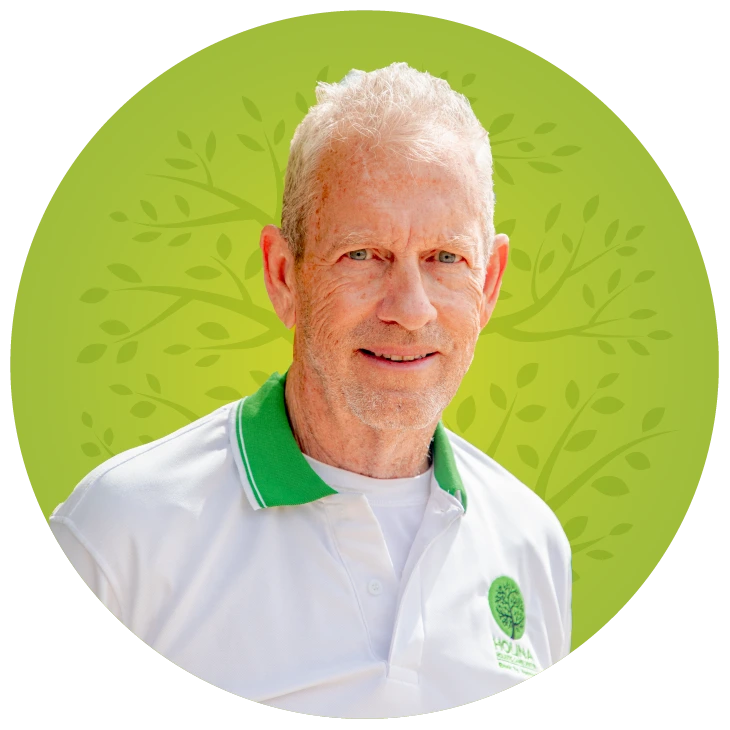
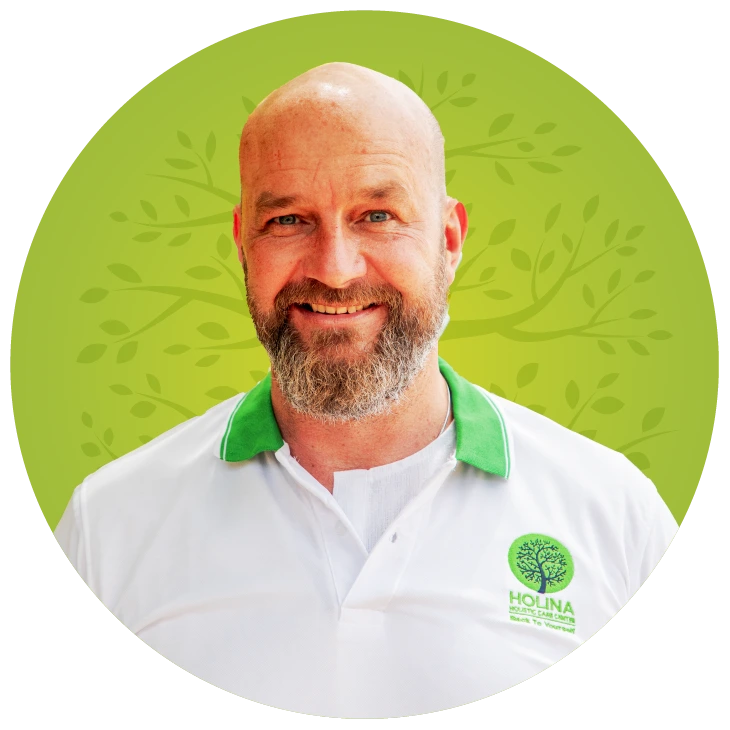
Licensed by the Thai Ministry of Public Health · Residential Rehab Licence #84-03-00294 · International Addiction Treatment Standards
“I arrived at Holina in January 2026 feeling like a lost soul, struggling with substance and alcohol addiction.”
— jack wacko, Google Review, 24 Mar 2026 · ★★★★★
The Most Abused Drugs: Frequently Asked Questions
What are the most commonly abused drugs?
Globally, cannabis is the most widely used drug, with 256 million users in 2024, followed by opioids, amphetamines, cocaine and ecstasy-type substances (UNODC World Drug Report 2026). In the United States, alcohol and marijuana use disorders affect more people than any other substance, while opioids and stimulants cause the most overdose deaths (SAMHSA, 2024 NSDUH).
What is the difference between drug misuse, dependence, and addiction?
Misuse means using a substance in a way it wasn’t intended for, such as taking more of a prescription than directed. Dependence means the body has adapted to the substance and produces withdrawal symptoms without it. Addiction is a chronic brain disease involving compulsive use despite harmful consequences, loss of control, and continued use even when it damages health, relationships or work.
Which drugs are most dangerous to stop without medical help?
Alcohol, benzodiazepines and barbiturates carry the highest risk of life-threatening withdrawal, including seizures and delirium tremens. Opioid withdrawal is rarely fatal but is severe and safest with medical support. Cocaine, methamphetamine, cannabis and hallucinogens rarely cause physically dangerous withdrawal, but medical and psychological support still improves outcomes.
How does Holina Rehab’s Dual Treatment approach differ by substance?
Substances with medically acute withdrawal risk — alcohol, benzodiazepines, opioids — are managed through supervised medical detox and, where needed, tapering. Substances driven more by psychological craving — cocaine, methamphetamine, cannabis, hallucinogens — are treated primarily through CBT, DBT and our Dual Treatment programme for co-occurring anxiety, depression or trauma. Every resident is assessed individually, and most present with more than one substance or condition.
Can someone be addicted to more than one drug at once?
Yes — this is called polysubstance use, and it is common. Many people use one substance to manage the side effects of another, or to self-medicate underlying anxiety, depression or trauma. Assessment at Holina Rehab identifies every substance involved so treatment addresses all of them together.
How do I know if drug use has become addiction?
Warning signs include needing more of a substance for the same effect (tolerance), withdrawal symptoms when not using, loss of control over how much or how often you use, continuing despite harm to health, work or relationships, and unsuccessful attempts to cut back. If several of these apply, a professional assessment can clarify the picture and the right next step. Contact our team for a confidential assessment.
Ready to Begin Your Recovery?
Our admissions team responds the same day — seven days a week, in full confidence.
+66 (0) 82 113 0657 or contact us online ↓