
Dual Treatment — Addiction and Behavioural Health
Dual Treatment is Holina Rehab’s approach of treating addiction and any co-occurring behavioural health condition — anxiety, depression, trauma — at the same time, from the day you arrive rather than one after the other. Millions of people live with both a substance use disorder and a mental illness in the same year, which is exactly why treating only one rarely holds.
Speak With AdmissionsWhat Is Dual Treatment?
Dual Treatment means treating an addiction and its co-occurring behavioural health conditions at the same time, with one clinical team and one plan. Most people who arrive at Holina Rehab are carrying more than one thing. Addiction rarely exists without anxiety, depression, trauma, or other behavioural health challenges driving or sustaining it. Treating only the addiction — without addressing what is underneath — leaves the conditions for relapse in place.
- Millionsof U.S. adults live with both a substance use disorder and a mental illness in the same year — co-occurring conditions are the norm, not the exception. SAMHSA, 2023 NSDUH.
- ~14.6%of people with a past-year substance use disorder actually received treatment — the gap Holina exists to close. SAMHSA, 2023 NSDUH.
- 90+ daysof treatment is one of the strongest predictors of lasting recovery. NIDA, Principles of Drug Addiction Treatment.
Our clinical team draws on a comprehensive range of evidence-based therapies, delivered simultaneously across both tracks from day one:
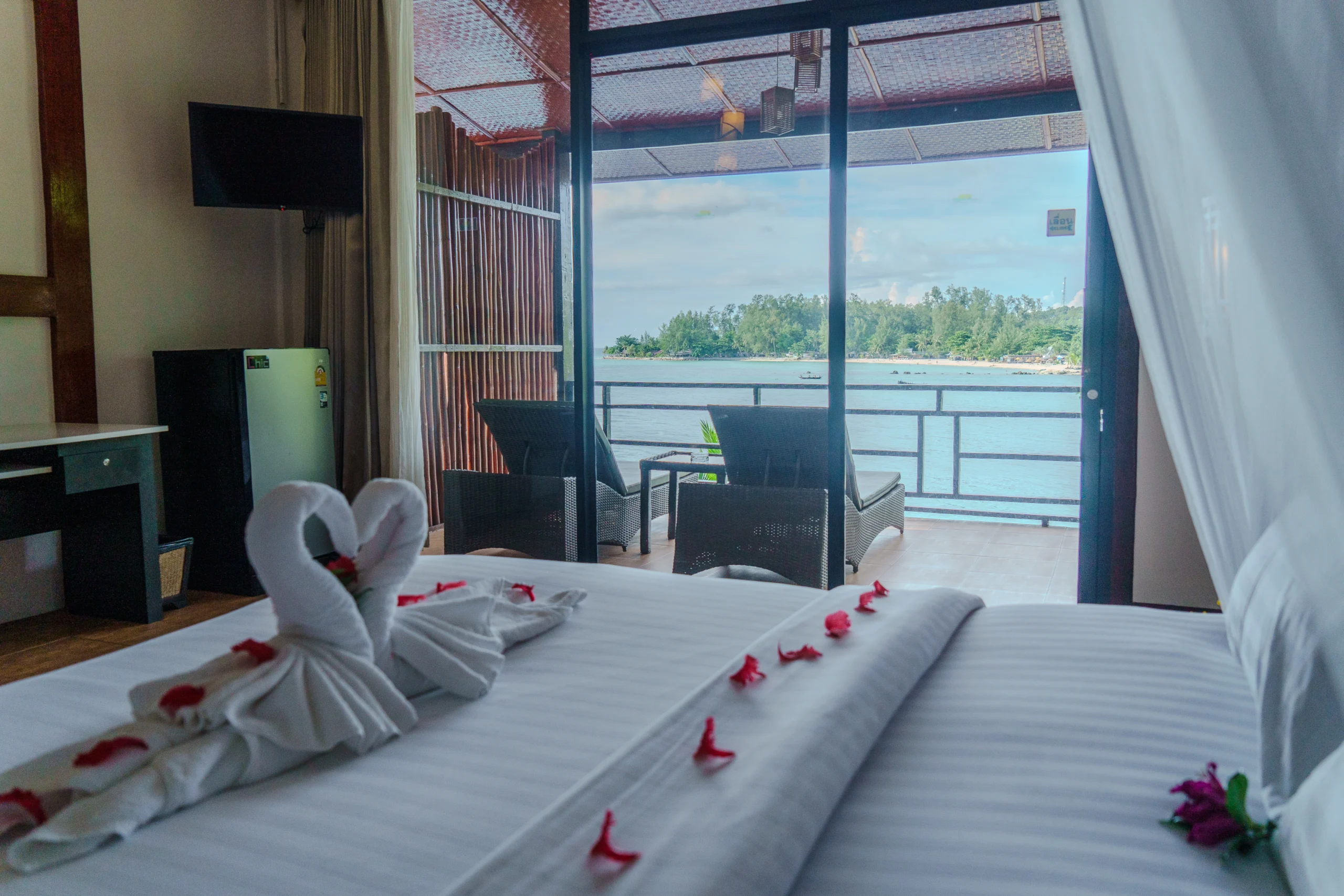
Six Dimensions of Dual Treatment
Our programme operates across six interconnected dimensions, each addressing a distinct aspect of recovery.
Clinical Therapy
Daily individual and group sessions with licensed clinicians. Each care plan addresses both addiction patterns and the behavioural health challenges beneath them.
Trauma Processing
EMDR, somatic therapy, and trauma-informed approaches to resolve the experiences that often drive addictive behaviour — without re-traumatising.
Peer Community
The non-religious 12-Step model provides shared experience, accountability, and mutual support — a peer community unlike any individual therapy can replicate.
Holistic Recovery
Yoga, breathwork, somatic therapies, and mindfulness practices address the body and spirit alongside the mind — because recovery is physical too.
Experiential Activities
Structured therapeutic activities build resilience, self-efficacy, and trust — capacities that support both addiction recovery and emotional regulation.
Aftercare Planning
Relapse prevention and ongoing behavioural health support are built into your aftercare plan — for both tracks, from day one of your stay.
Who Delivers Your Dual Treatment?
Dual Treatment only works when the same team treats the addiction and what sits beneath it. At Holina Rehab, a forensic psychologist, a trauma-focused psychotherapist, a counselling psychologist and a mindfulness therapist work under one roof and one plan. Meet the clinicians who lead it, and see the full clinical team.




Why Recover on Koh Phangan?
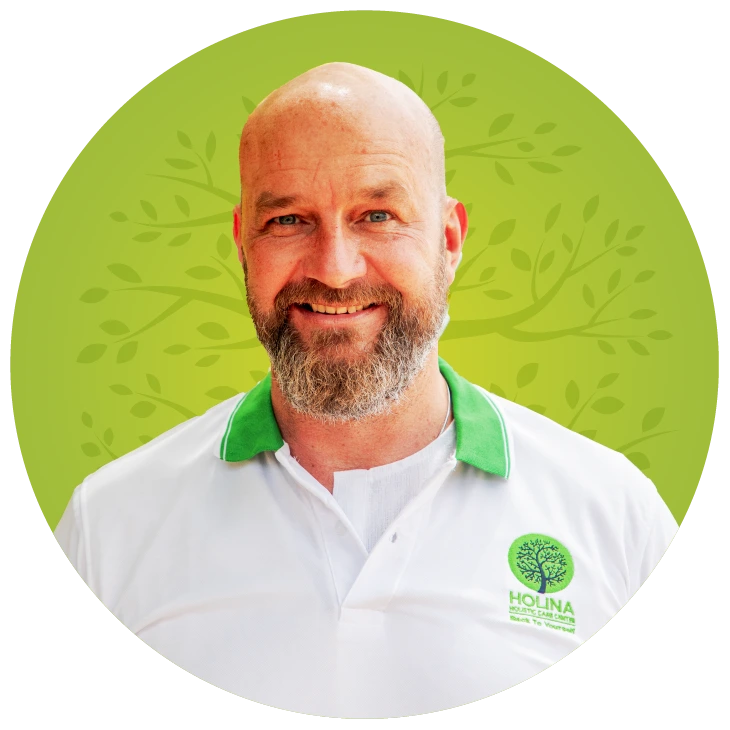
A calm, private island setting lets the clinical, trauma and somatic strands of Dual Treatment run without the noise and triggers of everyday life. Holina Rehab sits on Koh Phangan, Thailand — a tropical island environment that provides genuine distance from the pressures, triggers, and patterns of everyday life. That distance matters. It creates the space needed for the deep work of dual treatment to take hold.
Our team — many of whom have personal experience of recovery — understand what it means to carry both addiction and behavioural health challenges simultaneously. Treatment here is warm, structured, and confidential.
Simple. Calm. Confidential.
Confidential Enquiry
Call or message. Our team responds quickly and discreetly. No commitment at this stage.
Clinical Assessment
We review your situation and begin building a personalised dual treatment programme.
Arrival in Thailand
We meet you at the airport. From the first moment you arrive, the team is with you.
Treatment and Aftercare
Structured residential care with weekly family updates and a personalised aftercare plan for both tracks.
Dual Treatment: Your Questions Answered
What is the difference between Dual Treatment and “dual diagnosis”?
“Dual diagnosis” describes the moment of naming two conditions — an addiction and a behavioural health condition. We use Dual Treatment deliberately, because naming both is not enough. Dual Treatment means both conditions are treated at the same time, by the same clinical team, under one plan — not the addiction first and the underlying issues later. The diagnosis is the starting point; the treatment is the promise.
Is trauma treated at Holina Rehab?
Yes — as part of addiction recovery. Where unresolved trauma is driving an addiction, our trauma therapist integrates trauma-focused psychotherapy and EMDR within your residential programme, alongside the 12-Step model, CBT and DBT. Trauma is addressed as a root cause of the addiction, not as a standalone retreat.
Do I need an existing behavioural health diagnosis to qualify?
No. Many people arrive knowing only that something isn’t right beneath the addiction. Your confidential enquiry is followed by a full clinical assessment that identifies any co-occurring conditions — you don’t need a diagnosis in hand to begin.
How is my personalised Dual Treatment plan built?
After a confidential enquiry, our clinical team completes an assessment that maps both the addiction and any co-occurring conditions. From that, the Clinical Director and therapists build a single integrated plan across the six dimensions of care — clinical therapy, trauma processing, peer community, holistic recovery, experiential activities and aftercare — and adjust it as you progress.
Does Dual Treatment cost more than treating addiction alone?
No. Treating co-occurring conditions is built into Holina’s residential programme rather than billed as an add-on — it’s simply how we treat addiction. See the full breakdown on our cost of rehab in Thailand page.
What if I don’t know what’s underlying my addiction?
That’s expected, and it’s exactly what the clinical assessment is for. You don’t have to arrive with the answer — identifying what sits beneath the addiction is the first clinical task of Dual Treatment, and it often begins with medically supported detox before deeper therapeutic work starts.
Clinical review: This page was clinically reviewed by Dr. Natalie Lindemann, PsyD, Clinical Director at Holina Rehab (Doctorate in Forensic Psychology, Alliant International University). Last reviewed 6 July 2026.
Ready to Begin Your Recovery?
Our admissions team responds the same day — seven days a week, in full confidence.
+66 (0) 82 113 0657 or contact us online ↓