Gambling Addiction Treatment in Thailand
Holina Rehab provides licensed residential treatment for Gambling Disorder — the only behavioural addiction formally recognised in the DSM-5 — on the island of Koh Phangan, Thailand. This page covers the clinical signs, our medically supervised programme, Dual Treatment for co-occurring depression and anxiety, aftercare, and how to reach our clinical team.
- Licensed Facility
- Dual Treatment Available
- Koh Phangan, Thailand
- 30–90 Day Programmes
What Is Gambling Disorder?
Gambling Disorder is a recognised behavioural addiction in which a person continues to gamble compulsively despite mounting financial, relational, and psychological harm. It is the only behavioural addiction formally classified in the DSM-5 (the American Psychiatric Association’s Diagnostic and Statistical Manual of Mental Disorders) — and notably, it sits in the manual’s “Substance-Related and Addictive Disorders” category alongside alcohol and drug use disorders, not among impulse-control disorders as earlier editions classified it.
That reclassification reflects a genuine clinical finding: gambling engages the same dopamine-driven reward circuitry in the brain as substances of abuse, and researchers have identified overlapping genetic and neurobiological vulnerabilities between Gambling Disorder and substance use disorders. For someone living with it, that means the compulsion to gamble can feel every bit as involuntary as a substance craving — because, physiologically, it largely is.
At Holina Rehab, we treat Gambling Disorder as the addiction it clinically is: with medical and psychological assessment, evidence-based therapies including CBT, Dual Treatment for the depression, anxiety, or trauma that frequently accompanies it, and a structured relapse-prevention aftercare plan.
The DSM-5 sets nine specific diagnostic criteria for Gambling Disorder; meeting four or more within a 12-month period supports a diagnosis (Journal of Behavioral Addictions, 2015). In the United States, nearly 20 million adults reported at least one problem-gambling behaviour “many times” in the past year, and men report gambling-related problems at roughly double the rate of women (National Council on Problem Gambling, NGAGE 3.0, 2024). Holina’s Dual Treatment programme addresses the gambling behaviour and any co-occurring condition together.
The 9 DSM-5 Criteria for Gambling Disorder
Gambling Disorder is often called a “hidden addiction” because it leaves no obvious physical trace. The DSM-5 sets out nine specific clinical indicators — meeting four or more within 12 months supports a diagnosis.
Preoccupation
Persistent thoughts about past gambling, planning the next bet, or how to get money to gamble.
Tolerance
Needing to gamble with increasing amounts of money to achieve the desired level of excitement.
Failed Attempts to Stop
Repeated unsuccessful efforts to control, cut back, or stop gambling altogether.
Restlessness & Irritability
Feeling irritable, anxious, or on edge when attempting to cut down or stop.
Gambling to Escape
Using gambling to escape problems or relieve feelings of helplessness, guilt, anxiety, or low mood.
Chasing Losses
After losing money, returning another day to try to get even — “chasing” the loss.
Lying About Gambling
Concealing the true extent of gambling from family, employers, or clinicians.
Jeopardising What Matters
Risking or losing a significant relationship, job, or education/career opportunity because of gambling.
Relying on Others for Money
Depending on family or others to relieve a desperate financial situation caused by gambling.
How Is Gambling Disorder Treated at Holina Rehab?
Gambling Disorder is treated at Holina Rehab through a four-stage residential pathway — assessment, stabilisation, primary care, and aftercare — combined with our Dual Treatment programme for the depression, anxiety, or trauma that frequently co-occurs with compulsive gambling.
Assessment
Comprehensive clinical and psychological evaluation against DSM-5 criteria. Individual treatment plan from day one.
Stabilisation
Removal from access to gambling and triggers, financial-crisis support planning, and mood stabilisation.
Primary Care
CBT, group therapy, trauma work, holistic treatments, and daily structure to rebuild impulse control.
Aftercare
Relapse prevention plan, continuing care referrals, and alumni community support.

Evidence-Based. Individually Tailored.
-
Cognitive Behavioural Therapy (CBT)
CBT is the leading evidence-based therapy for Gambling Disorder, helping clients identify the distorted thinking (like chasing losses or believing a win is “due”) that sustains compulsive gambling.
-
Dual Treatment — Addiction & Behavioural Health
Co-occurring depression, anxiety, and trauma — common alongside Gambling Disorder — are treated simultaneously through our integrated dual treatment model.
-
Holistic Recovery in Koh Phangan
Yoga, breathwork, HBOT, somatic therapy, and the natural environment of Koh Phangan support full mind-body recovery away from gambling triggers.
A Different Kind of Recovery

Licensed Medical Facility
Holina Rehab is fully licensed by the Thai Ministry of Public Health and operates under international addiction treatment standards. Our on-site physician, nursing staff, and experienced addiction therapists provide 24-hour clinical oversight throughout your programme.
Gambling Disorder is rarely just about the gambling. Dual treatment for addiction and behavioural health, and evidence-based therapy, are delivered within a single integrated residential setting — no referrals, no gaps in care.

Distance From Triggers, on Koh Phangan
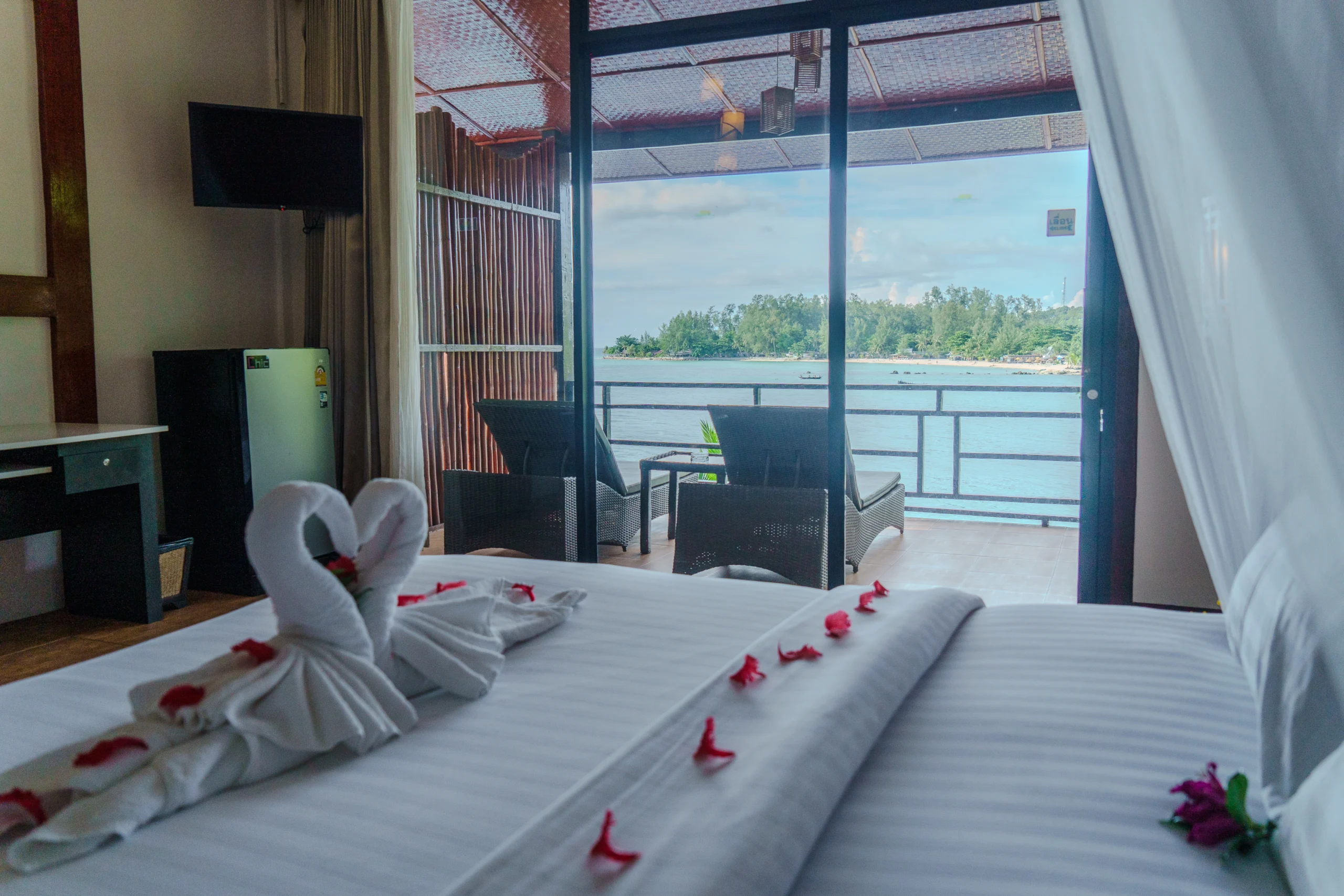
Recovery from Gambling Disorder benefits enormously from physical distance — from casinos, betting apps, and the financial and social pressures that sustain the cycle. Koh Phangan’s island setting removes ready access and creates space for the psychological reset recovery requires.
Clients benefit from private beach access, swimming pools, an on-site gym, a nutritious restaurant, and a range of holistic therapies that complement the clinical programme.
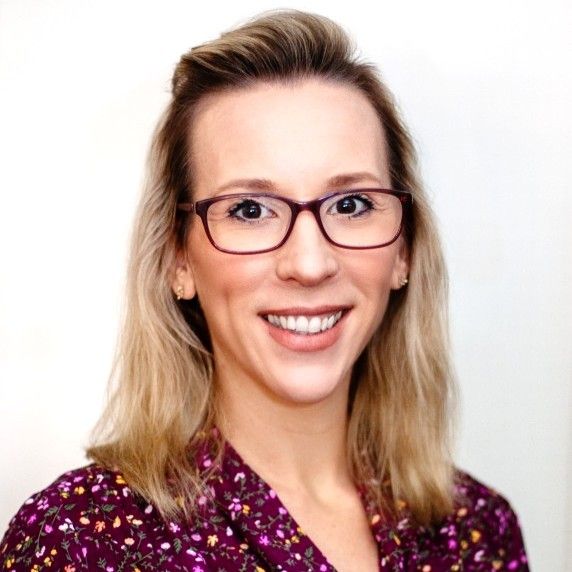
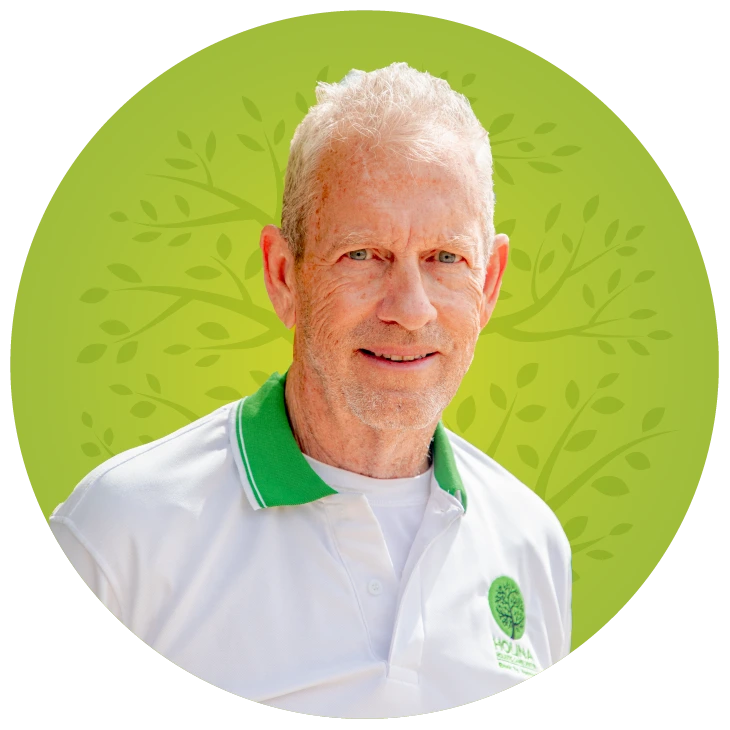
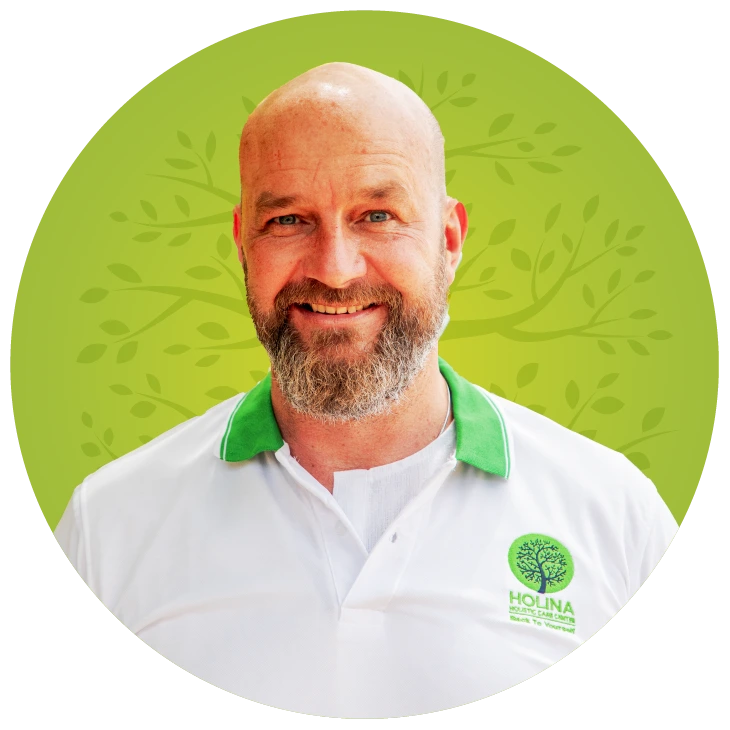
Our Clinical Team
Treatment at Holina Rehab is led by qualified medical professionals and experienced addiction therapists. Every client is under active clinical supervision throughout their programme.

Licensed by the Thai Ministry of Public Health · Residential Rehab Licence #84-03-00294 · International Addiction Treatment Standards
Related Reading
Gambling Disorder shares the same compulsive reward-loop mechanics found across other behavioural addictions. Explore related conditions we treat: gaming and internet addiction, social media addiction, and compulsive sexual behaviour.
“Yossi, Ian and the rest of the team at Holina are outstanding. Exceptional facilities and care that will truly get you back to yourself.”
— Thomas Dittoe, Google Review, 21 Mar 2026 · ★★★★★
Gambling Addiction Treatment: Frequently Asked Questions
Is Gambling Disorder really an addiction, or just a bad habit?
It is a clinically recognised addiction. The DSM-5 classifies Gambling Disorder within “Substance-Related and Addictive Disorders” — the same category as alcohol and drug use disorders — because it engages the same dopamine-driven reward circuitry in the brain. It is currently the only behavioural addiction with this full diagnostic recognition.
How long does gambling addiction treatment take?
Most residents follow a 30, 60, or 90-day residential programme. Shorter 30-day stays stabilise the immediate crisis, while 60 and 90-day stays allow deeper work on the psychological drivers of compulsive gambling and stronger relapse prevention. The right length is set during your initial assessment, based on gambling history, past treatment, and any co-occurring conditions.
Is medical detox necessary for a gambling addiction?
Gambling Disorder does not involve a substance, so there is no physical detox in the way there is for alcohol or drugs. Treatment instead focuses on removing access to gambling and its triggers, stabilising the intense psychological withdrawal-like symptoms (restlessness, irritability, low mood) that can follow stopping, and addressing the financial and relational crisis gambling often leaves behind. Learn more about our clinical assessment and stabilisation process.
What makes Holina’s approach to gambling addiction different?
We treat Gambling Disorder as the addiction it clinically is, not a moral failing. Because compulsive gambling so often sits alongside depression, anxiety, or trauma, our Dual Treatment programme addresses the addiction and the underlying condition at the same time, using evidence-based Cognitive Behavioural Therapy alongside holistic recovery in the calm setting of Koh Phangan.
Can my family be involved in treatment?
Yes. Gambling addiction frequently causes serious financial and relational harm to families, and involving loved ones supports lasting recovery. See our family addiction support for how families can take part.
What happens after I leave Holina Rehab?
Aftercare is built into your programme from the start. Before discharge we create a personalised relapse-prevention and continuing-care plan so the progress made in residential treatment carries into daily life, with ongoing support to help maintain recovery.
Does insurance cover gambling addiction treatment?
Holina Rehab is a private-pay facility and does not bill insurance directly. Residents can use our financing options to fund treatment. Coverage depends on your provider and policy. See rehab insurance and financing for options, or how much rehab costs in Thailand, and contact our team to check your specific cover.
Ready to Begin Your Recovery?
Our admissions team responds the same day — seven days a week, in full confidence.
+66 (0) 82 113 0657 or contact us online ↓