
Methamphetamine Detox in Thailand: Managing the Crash, Safely
Methamphetamine withdrawal is rarely life-threatening, but it is one of the most severe psychological crashes in addiction medicine — days of exhaustion and low mood, sometimes with stimulant-induced psychosis, followed by weeks of low motivation. At Holina Rehab in Koh Phangan, our licensed medical team manages this crash safely, then transitions you into full Dual Treatment residential care.
- Licensed Facility
- Medical Detox Available
- Koh Phangan, Thailand
- 30–90 Day Programmes
What Happens When You Stop Using Methamphetamine?
Methamphetamine floods the brain with dopamine far beyond what any natural reward produces. Sustained use depletes the brain’s own dopamine supply, so when the drug is stopped, the body is left running on empty. The result is what clinicians call the “crash” — a sudden, severe drop into exhaustion, low mood, and craving that begins within days of last use and can continue, in a milder form, for weeks afterwards.
For some people, the come-down also involves agitation, paranoia, or a temporary stimulant-induced psychosis, particularly after heavy or prolonged use. None of this reflects a lack of willpower — it is a physiological response to withdrawal from a drug that has significantly altered brain chemistry, and it is why unsupervised attempts to quit so often end in relapse.
At Holina Rehab, our on-site physician and nursing team manage this crash directly — providing safety monitoring, rest, hydration, and nutritional support — before connecting you into our full Dual Treatment programme, where the psychological work that prevents relapse actually happens.
According to SAMHSA’s Treatment for Stimulant Use Disorders (TIP 33, 2021), acute methamphetamine withdrawal symptoms typically begin 2–4 days after last use and can persist for 2–4 weeks, with anhedonia and low mood sometimes lasting months. The National Institute on Drug Abuse (NIDA) confirms there is no FDA-approved medication for methamphetamine withdrawal or use disorder — recovery depends on safe, supportive clinical care rather than a drug that reverses it.
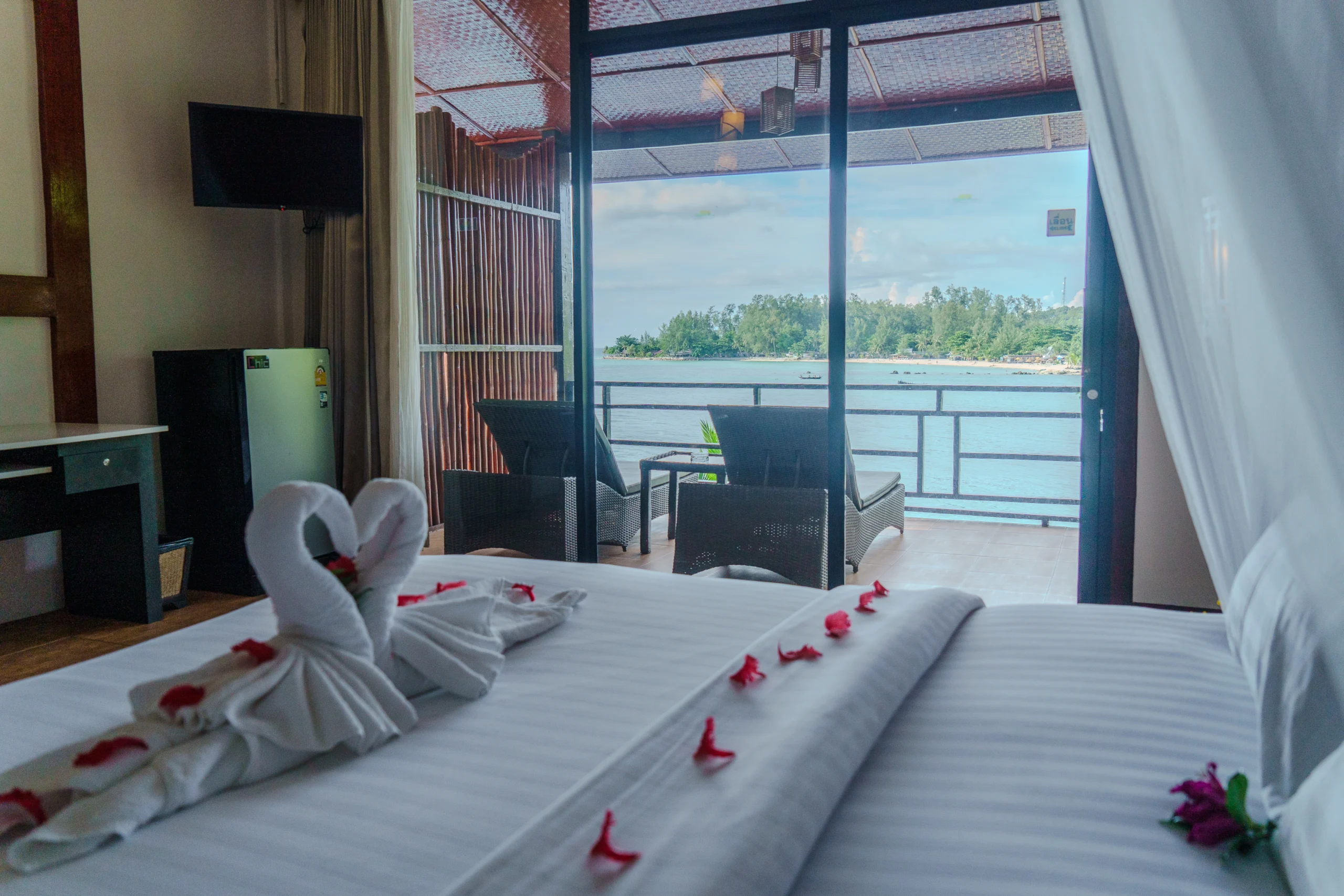
Holina Rehab — Koh Phangan, Thailand
Looking for our full Crystal Meth Addiction Treatment programme? →
Signs Medically Supervised Meth Detox Is Needed
These are indicators that stopping methamphetamine has become — or will become — a clinical event, not simply a decision. If several of these apply, unsupervised withdrawal carries real risk.
Days-Long Binges, Then Crashing
Using for days without sleep, followed by collapse into exhaustion and a flat, joyless mood.
Severe Exhaustion & Oversleeping
Sleeping far longer than normal between uses, or being unable to function once the drug wears off.
Deepening Low Mood
A flat, joyless state (anhedonia) that sets in as the drug wears off and worsens with each use cycle.
Agitation, Paranoia, or Hallucinations
Heightened suspicion or seeing and hearing things that are not there, particularly after heavy use.
Distress During the Come-Down
Low mood during withdrawal that becomes severe — a clinical warning sign that needs supervision, not judgement.
Cravings That Override Judgement
Powerful urges to use again to escape the crash, often driving relapse within days of stopping alone.
Racing Heart or Chest Tightness
Cardiovascular strain from sustained stimulant use that warrants medical assessment before and during detox.
Dehydration & Malnutrition
Missed meals and fluids during binge periods leave the body depleted heading into withdrawal.
Repeated Failed Attempts to Quit Alone
Stopping without support and relapsing within days, often because of how intense the crash feels.
How Is Methamphetamine Detox Managed at Holina Rehab?
Meth detox at Holina Rehab is a structured, medically supervised stabilisation period — not a fixed protocol — that carries you safely through the crash before you move into our Dual Treatment programme for the psychological work that prevents relapse.
Assessment
Physician-led review of use history, physical health, and mental state. Individual stabilisation plan from day one.
Crash Stabilisation
Uninterrupted rest, hydration, and nutrition while the body recovers from sustained stimulant use.
Safety & Psychosis Monitoring
24-hour nursing observation for agitation or psychosis, with medication used only when a physician judges it necessary.
Transition to Residential Care
Once stabilised, you move directly into Dual Treatment — the programme that addresses relapse risk long-term.

Safety First. No Fixed Protocol.
-
The Crash Phase
Clinical guidance describes acute methamphetamine withdrawal as typically beginning 2–4 days after last use and lasting 2–4 weeks, with exhaustion, low mood, and cravings at their most intense. We prioritise sleep and rest during this window rather than imposing an early daily structure.
-
Monitoring for Stimulant-Induced Psychosis
Paranoia or hallucinations can appear during withdrawal and, less commonly, persist longer. Our team provides continuous observation in a calm, low-stimulus setting; short-term medication is used only for specific agitation or psychosis, on the treating physician’s clinical judgement, not as routine care.
-
Sleep, Hydration & Nutrition
Many clients arrive dehydrated and malnourished after prolonged use. Our nursing team supports rehydration and a structured but flexible return to regular meals and sleep as the body recovers from sustained stimulant exposure.
A Different Kind of Detox

Licensed Medical Monitoring Through the Crash
Holina Rehab is fully licensed by the Thai Ministry of Public Health. Our on-site physician and nursing staff provide 24-hour clinical oversight through the crash and any psychosis or agitation that follows — assessed and managed case by case, not on a fixed schedule.
Private, quiet villas keep the environment low-stimulus while the nervous system stabilises, and detox connects directly into Dual Treatment for addiction and behavioural health — no referrals, no gaps in care.

A Calm Island Setting to Rest and Reset
The most useful thing during the early days of meth withdrawal is often simply rest. The tropical calm of Koh Phangan — away from the environments and people tied to use — gives the crash phase room to run its course safely.
Once you’re stabilised, private beach access, swimming pools, a nutritious restaurant, and a range of holistic therapies support the fuller recovery that follows detox.
Our Clinical Team
Treatment at Holina Rehab is led by qualified medical professionals and experienced addiction therapists. Every client is under active clinical supervision throughout detox and beyond.




Licensed by the Thai Ministry of Public Health · Residential Rehab Licence #84-03-00294 · International Addiction Treatment Standards
“I had an incredible experience here at Holina, really feel my time here was truly transformative.”
— Marlon Hulme, Recovery.com Review, 3 Oct 2025 · ★★★★★
Methamphetamine Detox: Frequently Asked Questions
What actually happens during the methamphetamine “crash”?
In the first few days after stopping methamphetamine, most people experience a sharp crash — exhaustion, low mood, and intense cravings, sometimes with agitation or hallucinations. Clinical guidance describes this acute phase as typically beginning within a few days of last use and continuing for several weeks. At Holina Rehab, our on-site nursing and medical team provide supervised medical detox through this phase so it is managed safely rather than alone.
Is stimulant-induced psychosis dangerous, and how is it managed?
Some people experience paranoia, hallucinations, or psychosis during withdrawal, particularly after heavy or prolonged use. These symptoms are usually temporary but can occasionally persist longer, which is why ongoing clinical monitoring matters. Our team provides continuous observation in a calm, low-stimulus setting, with physician-directed medication used only if clinically necessary — not as a routine or automatic step.
Is medication used during methamphetamine detox?
There is no medication that reverses methamphetamine withdrawal itself, and medication is not used as standard first-line care for the crash. Our physician may prescribe short-term medication in specific cases — such as severe agitation, psychosis, or insomnia — but the foundation of care is rest, hydration, nutrition, and safety monitoring, in line with current clinical guidance on stimulant withdrawal.
How long does detox and stabilisation take before residential treatment begins?
The acute crash generally stabilises within the first one to two weeks, though this varies with how heavily and for how long someone has used. Detox and stabilisation is the entry point into our wider residential programme (typically 30, 60, or 90 days), rather than a treatment in itself — your exact timeline is set following clinical assessment.
What happens after detox — do I need further treatment?
Yes. Detox manages the physical and immediate safety risks of withdrawal, but the psychological drivers of methamphetamine use — including low mood that can last for weeks or months — need dedicated work to prevent relapse. Every Holina Rehab detox client transitions directly into our Dual Treatment programme, which treats the addiction and any co-occurring anxiety, depression, or trauma together.
Does insurance cover methamphetamine detox in Thailand?
Holina Rehab is a private-pay facility and does not bill insurance directly. Residents can use our financing options to fund treatment; cover depends on your provider and policy. See rehab insurance and financing or how much rehab costs in Thailand, and contact our team to check your specific cover.
Ready to Begin Your Recovery?
Our admissions team responds the same day — seven days a week, in full confidence.
+66 (0) 82 113 0657 or contact us online ↓