
Cocaine & Stimulant Detox in Thailand
Holina Rehab provides medically supervised cocaine and stimulant detox on the island of Koh Phangan, Thailand. Stimulant withdrawal is primarily a psychological “crash” — fatigue, low mood, and intense cravings — rather than a life-threatening physical event. Our clinical team monitors safety and mood closely while nutrition, sleep, and structure help you stabilise before moving into full Dual Treatment.
- Licensed Facility
- 24-Hour Clinical Monitoring
- Koh Phangan, Thailand
- Detox Into Full Programme
What Happens When You Stop Using Cocaine or Stimulants?
Cocaine, crack, methamphetamine, and prescription stimulants all work by flooding the brain with dopamine. With heavy or prolonged use, the brain adapts to this flood and struggles to produce normal levels of dopamine on its own. When use stops, the result is often described as a “crash” — a period of exhaustion, low mood, and disrupted sleep as the brain and body recalibrate.
This is a different picture from alcohol or benzodiazepine withdrawal, where seizures and delirium are the primary medical danger. Stimulant withdrawal is rarely life-threatening in a physical sense — but the depressive crash it causes is real, can be severe, and needs to be taken seriously.
At Holina Rehab, detox is the first stage of a longer residential pathway. Our focus during withdrawal is safety monitoring, sleep, nutrition, and a calm, structured environment, before moving into full Dual Treatment for any underlying anxiety, depression, or trauma that sustained the stimulant use.
“Currently, there are no medications approved by the U.S. Food and Drug Administration to treat cocaine use disorder” — unlike alcohol or opioid withdrawal, where specific medications exist (National Institute on Drug Abuse). U.S. federal clinical guidance for stimulant use disorders also notes that in the first one to two weeks of withdrawal, some patients may experience suicidal thoughts and should be monitored appropriately (SAMHSA, Treatment for Stimulant Use Disorders). Holina’s clinical team screens for this risk from the moment of admission.
What Does Cocaine & Stimulant Withdrawal Feel Like?
Withdrawal from cocaine, crack, methamphetamine, or prescription stimulants centres on a depressive “crash” rather than the tremors or seizures seen with alcohol or benzodiazepines. These are the symptoms our clinical team monitors for during detox.
Profound Fatigue
Exhaustion and an overwhelming need for sleep in the first few days, as the body recovers from extended stimulant use.
Low Mood & Depression
A drop into depressed mood is one of the most consistent features of stimulant withdrawal, and it can be severe.
Anhedonia
A reduced ability to feel pleasure or motivation, as dopamine pathways adjust to functioning without the drug.
Intense Cravings
A strong pull to use again, which can peak days into withdrawal rather than fading immediately.
Appetite & Sleep Changes
Increased appetite after a period of stimulant-suppressed eating, alongside insomnia or, at other points, oversleeping.
Anxiety & Irritability
Restlessness, agitation, or a heightened startle response are common in the early days of withdrawal.
Vivid, Unpleasant Dreams
Disturbed or vivid dreaming is a recognised feature of the withdrawal period, alongside disrupted sleep architecture.
Paranoia (Heavier Use)
Some individuals, particularly after heavy methamphetamine use, experience suspicion or paranoia that eases with abstinence and rest.
Suicidal Thoughts
In a minority of cases, depression during withdrawal is severe enough to include suicidal thoughts — the reason every Holina client is screened and monitored throughout detox.
What Does Cocaine & Stimulant Detox Look Like at Holina?
Because there is no medication that reverses stimulant withdrawal, detox at Holina Rehab centres on safety monitoring, sleep, nutrition, and a calm, structured environment — before flowing directly into Dual Treatment for any co-occurring anxiety or depression.
Assessment
Full medical and psychological intake on arrival, including screening for depression and suicide risk.
Stabilisation & Monitoring
Rest and 24-hour nursing observation through the crash, with symptom-targeted medical support if needed.
Nutritional & Psychological Support
Structured meals, hydration, and early therapeutic contact as energy and mood begin to recover.
Transition to Dual Treatment
Once stabilised, clients move into CBT, DBT, and the full programme addressing addiction and any co-occurring condition together.

Supportive Care, Not a Quick Fix
-
No “Detox Medication” Myth
Unlike alcohol or opioids, there is no medication approved by the U.S. Food and Drug Administration to treat cocaine or stimulant withdrawal. Our physician and nursing team instead manage individual symptoms as they arise — sleep disruption, agitation, or severe low mood — using short-term, symptom-targeted support where clinically appropriate.
-
Safety Monitoring for Depression & Low Mood
U.S. federal clinical guidance identifies the first one to two weeks after stopping stimulants as the highest-risk window for suicidal thinking. Every client is monitored closely during this period by our on-site clinical team.
-
Structure, Sleep & Nutrition
A predictable daily routine, nutritious meals, and rest support the body’s natural recovery, while removing the cues and access that make stimulant use difficult to stop outside a residential setting.
A Safer Way to Detox from Stimulants

Licensed Medical Facility, 24-Hour Oversight
Holina Rehab is fully licensed by the Thai Ministry of Public Health. Our on-site physician, nursing staff, and experienced addiction therapists provide round-the-clock clinical oversight through the crash phase, watching closely for the depression and low mood that stimulant withdrawal can bring.
Detox, Dual Treatment for addiction and behavioural health, and evidence-based therapy are delivered within a single integrated residential setting — no referrals, no gaps in care between stabilising from withdrawal and beginning the deeper work of recovery.

A Calm Environment for the Crash
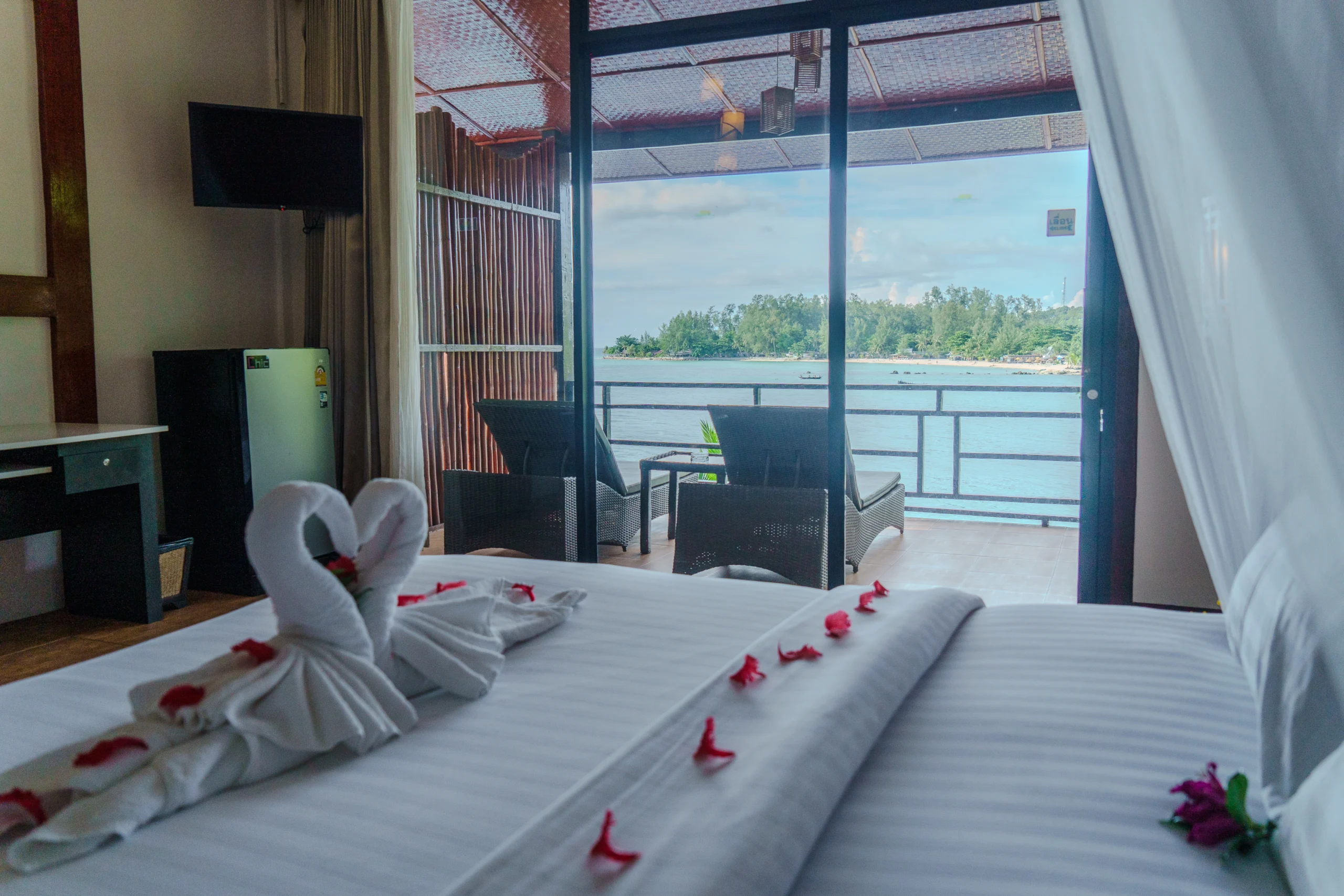
Clients coming off cocaine or stimulants often arrive exhausted, undernourished, and craving sleep. The tropical, low-stimulation setting of Koh Phangan — away from the people, places, and routines tied to using — gives the body room to rest and recalibrate.
Clients benefit from private beach access, swimming pools, an on-site gym, and a nutritious restaurant supporting the nutritional recovery that stimulant withdrawal requires, alongside holistic therapies once they are ready to engage.
Our Clinical Team
Detox at Holina Rehab is led by qualified medical professionals and experienced addiction therapists. Every client is under active clinical supervision throughout withdrawal and beyond.




Licensed by the Thai Ministry of Public Health · Residential Rehab Licence #84-03-00294 · International Addiction Treatment Standards
“I finally came to Holina, and from the first day I arrived I had nothing but full professional support around me.”
— Benjamin Field, Google Review, 20 Mar 2026 · ★★★★★
Cocaine & Stimulant Detox: Frequently Asked Questions
Is medical detox necessary for cocaine or stimulants?
Cocaine and stimulant withdrawal is not the same medical emergency as alcohol or benzodiazepine withdrawal — there is no risk of seizures or delirium tremens. The main risk is psychological: intense cravings, exhaustion, and a depressive crash that can include suicidal thoughts in the first one to two weeks. Medical detox at Holina means 24-hour clinical monitoring through this window, safe symptom management, and a direct route into our Dual Treatment programme once you have stabilised.
Is there a medication that treats cocaine or stimulant withdrawal?
No. Unlike alcohol or opioids, there is no medication approved by the U.S. Food and Drug Administration to treat cocaine or stimulant withdrawal. Our physicians instead manage individual symptoms as they appear, using short-term, symptom-targeted support for sleep, agitation, or severe low mood where clinically appropriate, while our clinical team focuses on safety, nutrition, and structure during the crash.
How long does cocaine and stimulant detox take?
Cocaine withdrawal is typically most intense for three to seven days, though cravings and low mood can continue for longer in heavier or longer-term use. Methamphetamine withdrawal tends to be more prolonged and can continue for several weeks. Your individual timeline is assessed on arrival and detox flows directly into primary care rather than ending abruptly.
What if I feel severely depressed or have suicidal thoughts during withdrawal?
This is a recognised part of stimulant withdrawal, most likely in the first one to two weeks after stopping. Every client at Holina is screened for depression and suicide risk on admission and monitored closely by our on-site clinical team throughout detox, with immediate access to medical and psychological support if symptoms become severe.
What happens after detox — how do I move into full treatment?
Detox is the first stage of a longer residential programme, not a standalone service. Once stabilised, clients move directly into primary care — CBT, DBT, and our Dual Treatment programme for any co-occurring anxiety, depression, or trauma — followed by a personalised aftercare plan before discharge.
Does insurance cover stimulant detox?
Holina Rehab is a private-pay facility and does not bill insurance directly. Residents can use our financing options to fund treatment, though coverage depends on your provider and policy. See our rehab insurance and financing page for options, or how much rehab costs in Thailand, and contact our team to check your specific cover.
Ready to Begin Your Recovery?
Our admissions team responds the same day — seven days a week, in full confidence.
+66 (0) 82 113 0657 or contact us online ↓