Depressants: Alcohol, Benzodiazepines & Barbiturates Explained
Depressants are a class of drugs — alcohol, benzodiazepines, and barbiturates among them — that slow central nervous system activity by enhancing GABA, the brain’s main calming neurotransmitter. Prescribed for anxiety, insomnia, and seizures, they carry high dependence potential, and stopping any of them abruptly, or combining them with each other or with opioids, can be medically dangerous.
- Licensed Facility
- Medical Detox Available
- Koh Phangan, Thailand
- 30–90 Day Programmes
What Are Depressants and How Do They Work?
“Depressant” is not one drug — it is a pharmacological class. It groups together substances that share a common effect: they slow down activity in the central nervous system. Alcohol, benzodiazepines (such as Xanax, Valium, and Ativan), and barbiturates (an older sedative class) are the three depressants most relevant to addiction treatment, and all three work through the same core mechanism — enhancing GABA, the brain’s primary inhibitory neurotransmitter, while dampening glutamate, which drives alertness and excitability (NIDA, Prescription CNS Depressants DrugFacts).
Because they share this mechanism, all three produce a similar clinical picture at low doses — relaxation, sedation, reduced anxiety, slowed reaction time — and a similar risk profile at high doses or with prolonged use. With sustained exposure, the brain adapts by down-regulating its own natural GABA activity and up-regulating excitatory signalling, just to keep functioning normally against the depressant load. This adaptation is the biological basis of tolerance and physical dependence, and it is consistent across the class: alcohol, benzodiazepine, and barbiturate dependence all produce a comparable withdrawal pattern because the underlying neuroadaptation is comparable (StatPearls / NCBI Bookshelf, Withdrawal Syndromes, updated 2024).
This shared mechanism is also why depressants are so often prescribed together with, or substituted for, one another — and why understanding the class as a whole, rather than any single substance in isolation, matters for safe treatment. It is also why alcohol detox and benzodiazepine detox at Holina Rehab follow the same medically supervised principle, adapted to the specific substance involved.
NIDA classifies prescription CNS depressants as tranquilizers, sedatives, and hypnotics, and warns that combining them with alcohol or opioids can slow breathing, slow the heart, and lead to death (NIDA DrugFacts).
The scale of depressant-related harm is significant: the WHO Global Status Report on Alcohol and Health and Treatment of Substance Use Disorders (2024) attributes 2.6 million deaths per year to alcohol alone, with roughly 400 million people living with alcohol and drug use disorders worldwide.
Types of Depressants
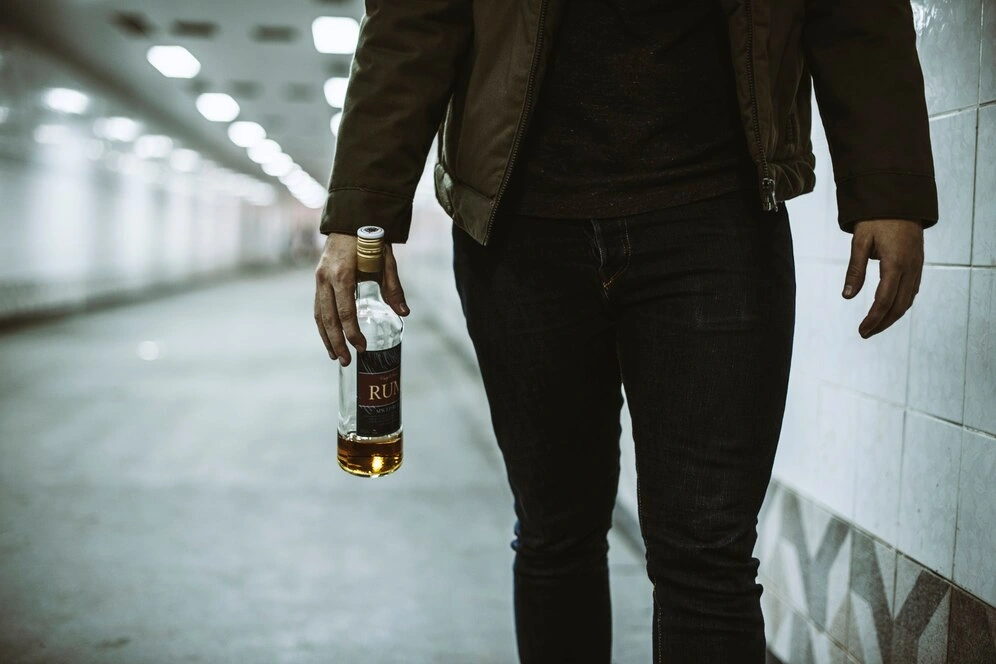
Three substances account for almost all clinically significant depressant use and dependence. Each has a distinct legal status and medical role, but all three carry the same underlying risk once dependence develops.
Alcohol
The most widely used depressant worldwide — legal, socially normalised, and available almost everywhere. Pharmacologically, it is identical in mechanism to prescription sedatives, and it remains one of the few substances where unsupervised withdrawal can be fatal.
Alcohol Addiction Treatment →Alcohol Detox & Stabilisation →
Benzodiazepines
Medications such as Xanax (alprazolam), Valium (diazepam), Ativan (lorazepam), and Klonopin (clonazepam), prescribed for anxiety, insomnia, and seizures. Effective short-term, but physical dependence can develop within weeks of regular use, and abrupt cessation risks seizures.
Benzodiazepine Addiction Treatment →Benzodiazepine Detox →
Barbiturates
An older sedative class (phenobarbital, secobarbital, amobarbital) largely displaced by benzodiazepines from the 1970s onward because of a narrow therapeutic index — the gap between an effective dose and a fatal one is small. Still used in limited settings for seizures and hospital-managed alcohol withdrawal (StatPearls, Barbiturate Toxicity, 2024).
Prescription Drug Addiction Treatment →Medically Supervised Detox →
Why Depressant Withdrawal Requires Medical Supervision
Unlike most other substances, stopping a depressant abruptly can be medically dangerous, sometimes fatal. This is the single fact anyone considering detox from alcohol, benzodiazepines, or barbiturates needs to understand before doing it alone.
Every depressant in this class works by boosting GABA activity. With sustained use, the brain adapts by producing less of its own GABA and more of the excitatory neurotransmitter glutamate, simply to stay in balance against the drug’s calming effect.
When the depressant is removed suddenly, that adaptation does not reverse instantly. The nervous system is left over-excited, and the body can respond with tremor, severe anxiety, seizures, or — in the most severe cases of alcohol withdrawal — delirium tremens, with hallucinations and cardiovascular instability. Because alcohol, benzodiazepines, and barbiturates share this mechanism, they also share cross-dependence: a person dependent on one substance typically shows a comparable withdrawal pattern if dependent on another in the same class (StatPearls / NCBI Bookshelf, Withdrawal Syndromes, 2024).
This is why abrupt, unsupervised cessation is never advised for any depressant, and why detox at Holina Rehab is treated as a medical procedure — physician-led, individually paced, and followed directly by our residential Dual Treatment programme, so that the anxiety, insomnia, or trauma that often underlies depressant use is addressed once the body is medically stable.
Untreated delirium tremens — the most severe form of alcohol withdrawal — has historically carried a mortality rate as high as 20%; with prompt medical treatment this falls to roughly 1% (StatPearls / NCBI Bookshelf, Delirium Tremens, 2024).
Benzodiazepines should never be stopped abruptly in anyone physically dependent — a 2025 joint clinical practice guideline from ASAM and nine partner medical societies recommends dose reductions of roughly 5–10% every two to four weeks, paced to the individual (ASAM/AAAP Joint Clinical Practice Guideline, 2025).
Combining depressants compounds the danger: nearly half of all US drug overdose deaths in 2022 involved more than one substance (CDC, Polysubstance Use Facts, 2024), and CDC surveillance data show that the majority of fatal benzodiazepine overdoses also involve illicitly manufactured fentanyl (CDC, MMWR, Trends in Nonfatal and Fatal Overdoses Involving Benzodiazepines, 2021).
A Different Kind of Recovery

One Licensed Facility, Every Depressant
Holina Rehab is fully licensed by the Thai Ministry of Public Health and provides medically supervised detox for alcohol, benzodiazepines, and barbiturates, regardless of which substance — or combination of substances — a client presents with. Our on-site physician and nursing team assess dependence on each depressant individually and design a tapering protocol matched to it.
Detox is only the first, most medically acute stage of care. It is followed directly by our residential Dual Treatment programme, treating the addiction and any co-occurring anxiety, depression, or trauma together, in a single integrated setting.

The Koh Phangan Recovery Environment
The tropical island setting — sea air, natural surroundings, and distance from daily life — creates conditions for the psychological reset that recovery requires. Koh Phangan is home to one of Asia’s largest healing communities.
Clients benefit from private beach access, swimming pools, on-site gym, a nutritious restaurant, and a range of holistic therapies that complement the clinical programme.
Our Clinical Team
Treatment at Holina Rehab is led by qualified medical professionals and experienced addiction therapists. Every client is under active clinical supervision throughout their programme.


Licensed by the Thai Ministry of Public Health · Residential Rehab Licence #84-03-00294 · International Addiction Treatment Standards
“Yossi, Ian and the rest of the team at Holina are outstanding. Exceptional facilities and care that will truly get you back to yourself.”
— Thomas Dittoe, Google Review, 21 Mar 2026 · ★★★★★
Depressants: Frequently Asked Questions
What exactly counts as a “depressant”?
Depressants are a class of drugs — not a single substance — that slow activity in the central nervous system by enhancing GABA. Alcohol, benzodiazepines, and barbiturates are the three most clinically significant members of this class.
Why is combining depressants with each other or with opioids so dangerous?
All depressants suppress the central nervous system in the same direction. Combining two or more — or combining a depressant with an opioid — adds their effects together, increasing the risk of severe respiratory depression and fatal overdose, even at doses that would be safer taken alone.
Why can withdrawal from depressants be life-threatening?
Sustained depressant use causes the brain to down-regulate its own GABA activity. When the drug is removed suddenly, the nervous system is left over-excited, which can trigger seizures or, in severe alcohol withdrawal, delirium tremens — a medical emergency without treatment.
Are barbiturates still prescribed today?
Rarely. Barbiturates have a narrow therapeutic index and were largely replaced by benzodiazepines from the 1970s onward. They remain in limited use for certain seizure disorders, hospital-managed alcohol withdrawal, and anaesthesia.
Does Holina Rehab treat all three types of depressant dependence?
Yes. Our on-site physician designs an individualised, medically supervised detox protocol for alcohol, benzodiazepines, or barbiturates — see our dedicated Alcohol Detox and Benzodiazepine Detox pages for how each taper works, followed by our residential Dual Treatment programme.
What happens after detox is complete?
Detox stabilises the body, but it does not treat the addiction. Once medically stable, clients move directly into residential Dual Treatment — combining evidence-based therapy, relapse prevention, and holistic care — before a personalised aftercare plan carries progress into daily life.
Explore Related Guides
Ready to Begin Your Recovery?
Our admissions team responds the same day — seven days a week, in full confidence.
+66 (0) 82 113 0657 or contact us online ↓