
MDMA & Ecstasy Addiction Treatment in Thailand
MDMA and ecstasy addiction is treated at Holina Rehab through licensed residential care on the island of Koh Phangan. We address the compulsive use patterns and serotonin-driven depression that follow heavy MDMA use with CBT, somatic therapy and Dual Treatment, inside a calm, medically supervised healing environment built for lasting recovery.
- Licensed Facility
- Medical Detox Available
- Koh Phangan, Thailand
- 30–90 Day Programmes
What is MDMA Addiction?
MDMA (3,4-methylenedioxymethamphetamine), commonly known as ecstasy or molly, produces feelings of euphoria, emotional warmth, and heightened connection by flooding the brain with serotonin, dopamine, and noradrenaline. Heavy or frequent use depletes the brain’s serotonin system over time, causing depression, anxiety, and emotional numbing that drives continued use.
At Holina Rehab, we work with individuals whose MDMA use has escalated from recreational to compulsive, and those experiencing significant behavioural health consequences from regular ecstasy use. Our programme addresses both the neurological impact of serotonin depletion and the psychological patterns that sustain use.
With medically supported recovery, CBT, somatic therapy, and dual treatment for co-occurring anxiety and depression, we provide the clinical and psychological support needed for lasting recovery from MDMA dependency.
MDMA remains one of the most widely used synthetic drugs worldwide: the UNODC estimates around 20 million people used ecstasy/MDMA globally in 2022, with use concentrated among young adults. In the United States, past-year ecstasy/MDMA use peaks among 18–25 year-olds at 7.1% (about 2.4 million people), according to NSDUH-based peer-reviewed data. The serotonergic changes behind the depression, anxiety and emotional numbing that follow heavy use are physically real: neurochemical research has documented striatal (brain) serotonin depleted by 50–80% in a chronic MDMA user, alongside long-term effects on mood, cognition and emotional regulation.
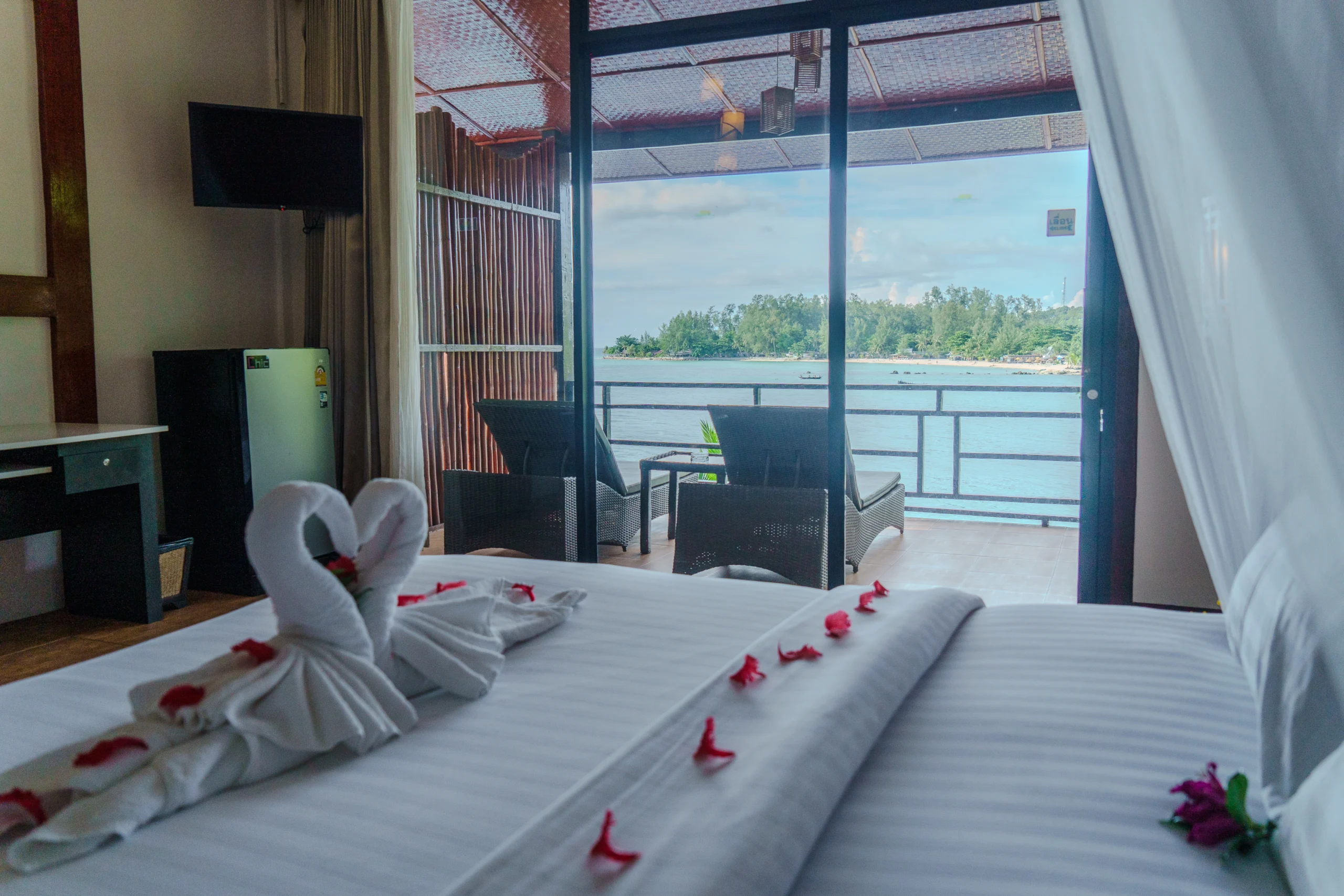
Holina Rehab — Koh Phangan, Thailand
What Are the Signs of MDMA & Ecstasy Addiction?
MDMA addiction shows up less as physical dependence and more as a compulsive pattern of use — needing ecstasy to feel social or “normal,” escalating doses to chase the original high, and low, anxious, emotionally flat days between sessions as serotonin is depleted.
Regular or Binge Use
Using MDMA regularly at events or in social settings, or binge-using over extended periods.
Severe Comedown Depression
Intense low mood, anxiety, and fatigue lasting several days after MDMA use — sometimes called the mid-week blues.
Using to Socialise or Connect
Feeling unable to engage socially, feel emotions, or connect with others without MDMA.
Increasing Tolerance
Needing more MDMA to achieve the same euphoric or empathogenic effect.
Memory and Cognitive Problems
Difficulty with short-term memory, concentration, and mental clarity linked to regular use.
Mood Instability
Persistent low mood, emotional blunting, or anxiety between periods of use.
Continued Use Despite Side Effects
Persisting with use despite depression, paranoia, or awareness of psychological deterioration.
Neglecting Responsibilities
Missing work, academic commitments, or family obligations due to use or recovery from use.
Social Life Centred on MDMA
Friendships and social activities increasingly structured around events or settings where MDMA is used.
How Do We Treat MDMA Addiction at Holina Rehab?
We treat MDMA addiction through four connected stages — stabilisation and supervised detox, individual and group therapy using CBT and somatic work, our Dual Treatment programme for any co-occurring depression or anxiety, and aftercare planning for lasting recovery.
Assessment
Comprehensive clinical and psychological evaluation. Individual treatment plan from day one.
Medical Detox
Doctor-supervised withdrawal management with medication to ensure safety and comfort.
Primary Care
CBT, DBT, group therapy, trauma work, holistic treatments and daily structure.
Aftercare
Relapse prevention plan, continuing care referrals, and alumni community support.

Evidence-Based. Individually Tailored.
-
Serotonin System Recovery
MDMA use disrupts the brain’s serotonergic system. Our clinical team supports recovery through nutritional therapy, structured sleep restoration, and monitored stabilisation during the post-use period, while the brain’s natural serotonin production begins to normalise.
-
CBT for Emotional Regulation Without MDMA
Many clients use MDMA to access emotions or connection they struggle to feel otherwise. CBT and somatic therapy help clients develop authentic emotional regulation and connection skills that do not depend on the substance.
-
Dual Treatment for MDMA-Related Depression and Anxiety
Post-MDMA depression and anxiety are common and clinically significant. Our dual treatment model addresses both the substance use and co-occurring behavioural health conditions simultaneously.
A Different Kind of Recovery

Licensed Medical Facility
Holina Rehab is fully licensed by the Thai Ministry of Public Health and operates under international addiction treatment standards. Our on-site physician, nursing staff, and experienced addiction therapists provide 24-hour clinical oversight throughout your programme.
Medical detoxification, dual treatment for addiction and behavioural health, and evidence-based therapy are delivered within a single integrated residential setting — no referrals, no gaps in care.

The Koh Phangan Recovery Environment
The tropical island setting — sea air, natural surroundings, and distance from daily life — creates conditions for the psychological reset that recovery requires. Koh Phangan is home to one of Asia’s largest healing communities.
Clients benefit from private beach access, swimming pools, on-site gym, a nutritious restaurant, and a range of holistic therapies that complement the clinical programme.
Our Clinical Team
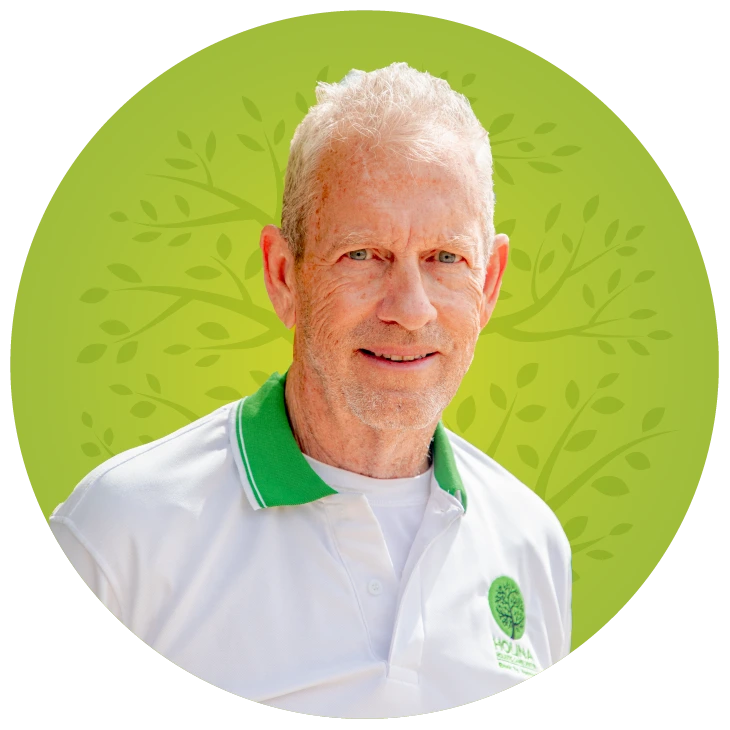
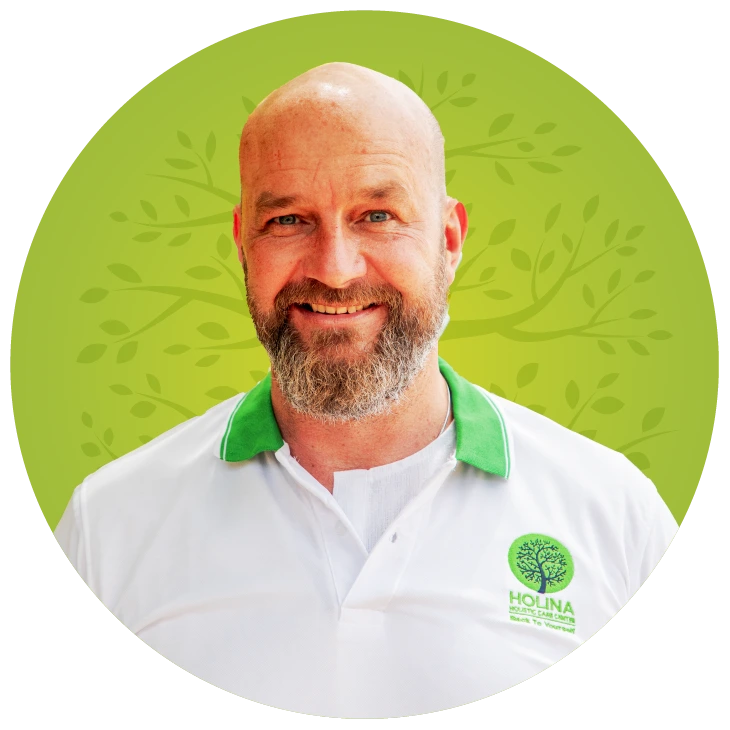
Treatment at Holina Rehab is led by qualified medical professionals and experienced addiction therapists. Every client is under active clinical supervision throughout their programme.


Licensed by the Thai Ministry of Public Health · Residential Rehab Licence #84-03-00294 · International Addiction Treatment Standards
MDMA & Ecstasy Addiction: Frequently Asked Questions
Is MDMA physically addictive, or is it mainly psychological?
MDMA does not produce the strong physical dependence seen with opioids or alcohol. Its addiction is primarily psychological — a compulsive pattern of use driven by the drug’s euphoric, social effects. That said, the neurochemical impact is genuinely physical: heavy use depletes serotonin, and the resulting low mood, anxiety and emotional flatness are real, biologically driven states that pull people back toward use.
What does an MDMA withdrawal or “comedown” feel like?
Unlike alcohol or benzodiazepine withdrawal, an MDMA comedown is not medically dangerous. But it can be severe: the crash from depleted serotonin brings depression, anxiety, irritability, fatigue and difficulty feeling pleasure, often lasting several days. This emotional low is one of the most common reasons people relapse. Supervised care and Dual Treatment help stabilise mood so the cycle can be broken.
Can the brain recover from MDMA-related serotonin depletion?
Some research suggests the serotonergic system can partially recover over time with sustained abstinence. However, long-term and, in some cases, persistent changes to mood, cognition and emotional regulation are also documented — neurochemical studies have found striatal serotonin depleted by 50–80% in a chronic user. Recovery varies by person and history; abstinence gives the brain its best chance to heal, but outcomes are not guaranteed.
How long does MDMA addiction treatment take?
Length of stay depends on how established the use pattern is and whether depression, anxiety or trauma need to be treated alongside it. Residential programmes are structured around the individual. See rehab costs in Thailand and insurance and financing options.
Can my family be involved in treatment?
Yes. Family involvement supports lasting recovery, and we offer structured family addiction support so loved ones understand MDMA addiction and the comedown cycle.
Does insurance cover MDMA addiction treatment at Holina?
Many international and private health plans contribute toward residential addiction treatment. Coverage varies by provider and policy — see rehab insurance and financing, or contact our team.
Ready to Begin Your Recovery?
Our admissions team responds the same day — seven days a week, in full confidence.
+66 (0) 82 113 0657 or contact us online ↓