
Crystal Meth Addiction Treatment in Thailand
Crystal meth (methamphetamine) addiction is a chronic, relapsing stimulant use disorder that rewires the brain’s reward system. At Holina Rehab in Koh Phangan, Thailand, we treat it with on-site medical detox, trauma-informed CBT, and our Dual Treatment programme for co-occurring behavioural health conditions — in a licensed residential setting built for lasting recovery.
- Licensed Facility
- Medical Detox Available
- Koh Phangan, Thailand
- 30–90 Day Programmes
What is Methamphetamine Addiction?
Crystal methamphetamine is a powerful synthetic stimulant that releases large surges of dopamine into the brain, producing an intense high. Repeated use rapidly depletes the brain’s natural dopamine system, creating a state of anhedonia — an inability to feel pleasure without the drug — that drives compulsive re-use and makes recovery without professional support extremely difficult.
At Holina Rehab, we work with individuals from across the world who have found methamphetamine use escalating beyond their control. Our programme addresses the neurological impact of stimulant use alongside the psychological, behavioural, and often trauma-related drivers that sustain the addiction.
With medically supervised detox, CBT as the evidence-based gold standard for stimulant addiction, dual treatment for co-occurring behavioural health conditions, and a structured aftercare programme, we provide the complete continuum of care that recovery from crystal meth requires.
According to the UNODC World Drug Report 2023, methamphetamine is the most widely used amphetamine-type stimulant globally, with an estimated 36 million users. In the region where Holina Rehab is based, the crisis is acute: the UNODC reported a record 236 tonnes of methamphetamine seized across East and Southeast Asia in 2024 — 24% more than in 2023. Yet the UNODC World Drug Report 2025 found that globally only about 1 in 12 people with drug dependence received any form of treatment in 2023 — an access gap Holina exists to close.
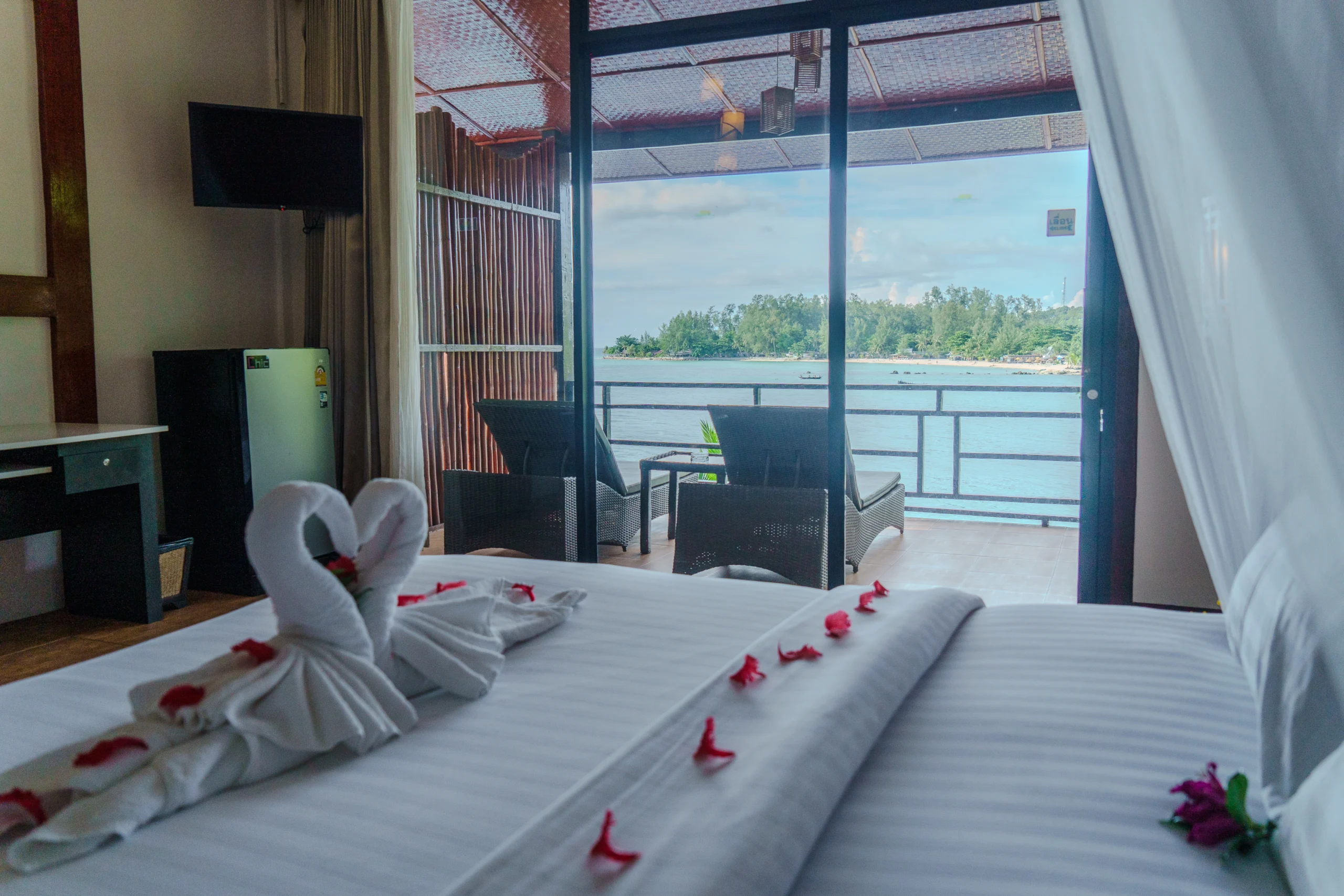
Holina Rehab — Koh Phangan, Thailand
What Are the Signs of Crystal Meth Addiction?
Crystal meth addiction shows up across body, mind, and behaviour — from intense energy, sleeplessness, and appetite loss to paranoia, mood swings, and withdrawal from family and responsibilities. The signs below often intensify over repeated use cycles.
Binge and Crash Cycles
Intense euphoria during use followed by severe fatigue, depression, and cravings driving compulsive re-use.
Severe Insomnia
Staying awake for days at a time during binge periods, with extreme fatigue during the crash.
Paranoia and Psychosis
Methamphetamine-induced paranoia, hallucinations, and psychosis — particularly during heavy or prolonged use.
Dramatic Weight Loss
Rapid and significant weight loss due to appetite suppression and neglect of nutrition.
Dental Deterioration
Severe tooth decay and gum disease (commonly called meth mouth) resulting from dry mouth and teeth grinding.
Skin Picking
Compulsive picking at skin due to the sensation of insects crawling (formication), leading to sores and scarring.
Aggression and Erratic Behaviour
Increased irritability, aggression, or unpredictable mood swings — especially during or after use.
Financial Crisis
Escalating spending on the substance leading to debt, loss of employment, or criminal activity.
Continued Use Despite Consequences
Persisting despite serious health deterioration, relationship breakdown, or legal problems.
How Is Crystal Meth Addiction Treated at Holina Rehab?
We treat crystal meth addiction through a structured, four-stage residential pathway: on-site medical detox and stabilisation, evidence-based CBT, our Dual Treatment programme for co-occurring behavioural health conditions, and long-term relapse-prevention planning — all delivered by our clinical team in a calm island setting.
Assessment
Comprehensive clinical and psychological evaluation. Individual treatment plan from day one.
Medical Detox
Doctor-supervised withdrawal management with medication to ensure safety and comfort.
Primary Care
CBT, DBT, group therapy, trauma work, holistic treatments and daily structure.
Aftercare
Relapse prevention plan, continuing care referrals, and alumni community support.

Evidence-Based. Individually Tailored.
-
Stimulant Crash and Neurological Recovery
The meth crash — intense fatigue, depression, and dysphoria — is managed with nutritional support, medical monitoring, and structured sleep restoration. Our clinical team supports the brain’s gradual neurological recovery throughout the programme.
-
Managing Meth-Induced Psychosis
Our clinical team monitors for and manages methamphetamine-induced psychosis, which can persist beyond acute withdrawal without appropriate professional care and medication management.
-
CBT for Dopamine System Recovery
Cognitive behavioural therapy is the evidence-based gold standard for methamphetamine addiction, helping clients identify triggers, rebuild healthy reward pathways, and develop practical strategies for sustained sobriety.
A Different Kind of Recovery

Licensed Medical Facility
Holina Rehab is fully licensed by the Thai Ministry of Public Health and operates under international addiction treatment standards. Our on-site physician, nursing staff, and experienced addiction therapists provide 24-hour clinical oversight throughout your programme.
Medical detoxification, dual treatment for addiction and behavioural health, and evidence-based therapy are delivered within a single integrated residential setting — no referrals, no gaps in care.

The Koh Phangan Recovery Environment
The tropical island setting — sea air, natural surroundings, and distance from daily life — creates conditions for the psychological reset that recovery requires. Koh Phangan is home to one of Asia’s largest healing communities.
Clients benefit from private beach access, swimming pools, on-site gym, a nutritious restaurant, and a range of holistic therapies that complement the clinical programme.
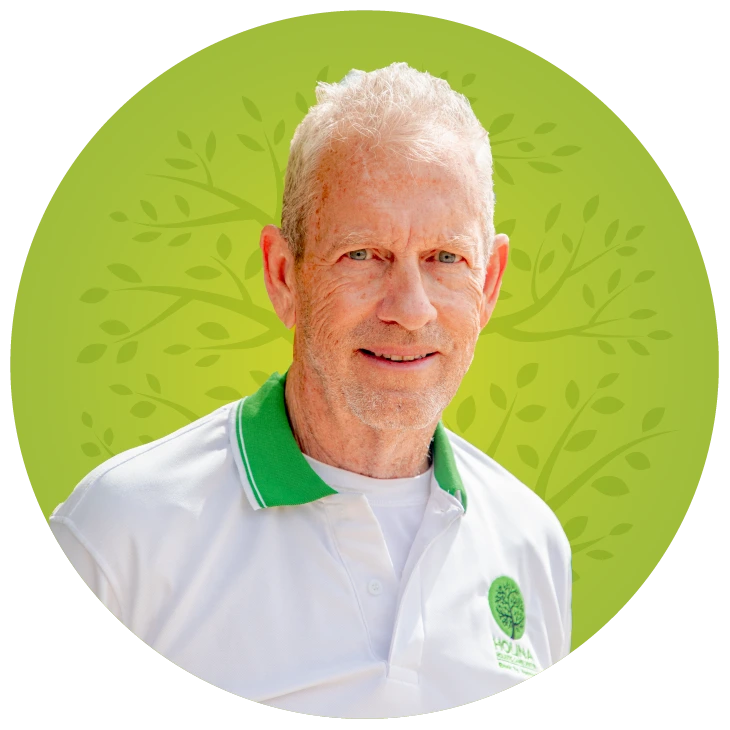
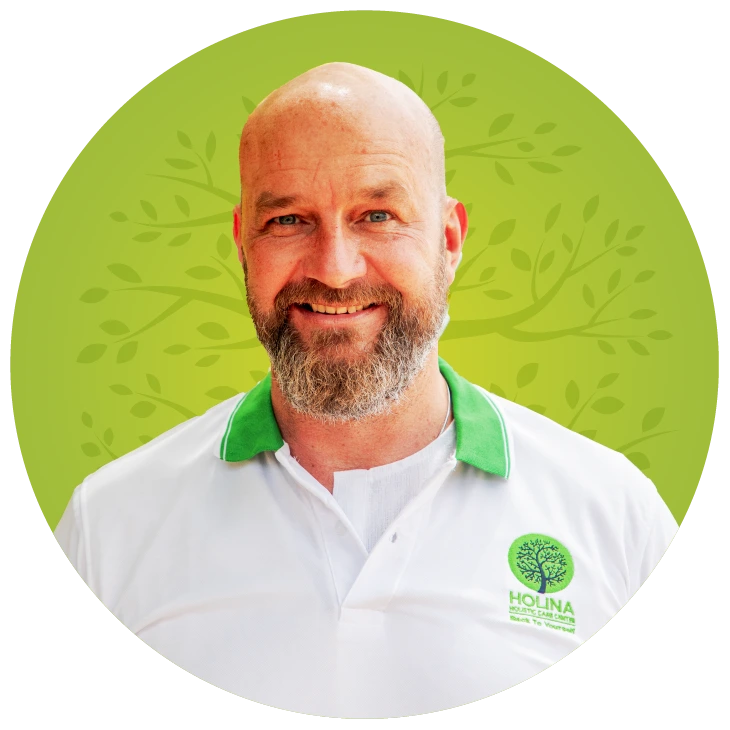
Our Clinical Team
Treatment at Holina Rehab is led by qualified medical professionals and experienced addiction therapists. Every client is under active clinical supervision throughout their programme.


Licensed by the Thai Ministry of Public Health · Residential Rehab Licence #84-03-00294 · International Addiction Treatment Standards
Crystal Meth Addiction Treatment: Frequently Asked Questions
How is crystal meth withdrawal different from withdrawal from other drugs?
Unlike alcohol or benzodiazepine withdrawal — which can be physically dangerous and even life-threatening — methamphetamine withdrawal is driven mainly by a psychological “crash.” People typically experience severe fatigue, low mood and depression, loss of pleasure, disrupted sleep, and powerful cravings. This crash is not usually medically dangerous the way alcohol withdrawal is, but the risk of deep depression needs proper clinical monitoring. Our on-site team provides supervised detox and stabilisation so this phase is managed safely.
How does CBT help specifically with crystal meth addiction?
Cognitive Behavioural Therapy (CBT) is the gold-standard psychological treatment for stimulant use disorders. For crystal meth specifically, CBT helps identify the triggers and thought patterns that drive use, build practical coping and craving-management skills, and rebuild routines and motivation during the low-mood crash phase. Where addiction sits alongside anxiety, depression, or trauma, CBT is combined with our Dual Treatment programme.
How long does crystal meth addiction treatment take?
Length of stay is tailored to each person’s history, physical health, and any co-occurring conditions. Residential treatment typically runs 30, 60 or 90 days, with many people benefiting from a longer stay to fully stabilise mood and consolidate relapse-prevention skills.
Can my family be involved in treatment?
Yes. Family involvement improves outcomes, and we support relatives throughout the process — from understanding addiction to rebuilding trust and healthy boundaries. Learn more about our family addiction support.
Does insurance cover crystal meth rehab in Thailand?
Many private and international health insurance policies contribute towards residential addiction treatment, though cover varies by provider and plan. See our guidance on rehab insurance and financing and how much rehab costs in Thailand.
What happens after discharge, given meth’s high relapse risk?
Because crystal meth has a high relapse risk, aftercare is built into treatment from day one rather than added at the end. Before discharge, each client leaves with a personalised relapse-prevention plan, ongoing therapeutic support, and clear next steps for the transition home.
Ready to Begin Your Recovery?
Our admissions team responds the same day — seven days a week, in full confidence.
+66 (0) 82 113 0657 or contact us online ↓