Opioids: What They Are and How They Work
Opioids are a class of drugs — prescription painkillers, heroin, and synthetic opioids such as fentanyl — that relieve pain by binding to opioid receptors in the brain and body. This page explains the pharmacology, the different types, and why opioid dependence carries a distinct overdose risk that requires medically supervised care.
- Licensed Facility
- Medical Detox Available
- Koh Phangan, Thailand
- 30–90 Day Programmes
What Are Opioids and How Do They Work?
Opioids are a class of natural, semi-synthetic, and synthetic drugs that includes prescription pain medicines such as oxycodone, hydrocodone, and morphine, as well as illegal drugs such as heroin and illicitly manufactured fentanyl. All members of the class share the same basic mechanism: they bind to and activate opioid receptors located throughout the brain, spinal cord, and gut (NIDA, 2024).
Activating these receptors blocks pain signals travelling between the body and brain and triggers a release of dopamine, producing feelings of relaxation and euphoria alongside pain relief. This is what makes opioids clinically useful for acute and chronic pain — and what gives the entire class its potential for misuse.
With continued use, the brain and body adapt. Tolerance means higher or more frequent doses are needed for the same effect; physical dependence means neurons function normally only when the drug is present, so stopping abruptly produces withdrawal. At high enough doses, opioids also suppress the brain’s breathing drive — the mechanism behind every opioid overdose death, regardless of which specific opioid is involved.
An estimated 60 million people used opioids in 2021, and roughly 39.5 million people worldwide had a drug use disorder that year (WHO / UNODC). In the United States, an estimated 5.7 million people had opioid use disorder in 2023 (NIDA / SAMHSA NSDUH). Fewer than 1 in 10 people worldwide who need treatment for drug use disorders receive it (WHO). Holina’s Dual Treatment programme addresses opioid dependence and any co-occurring condition together.
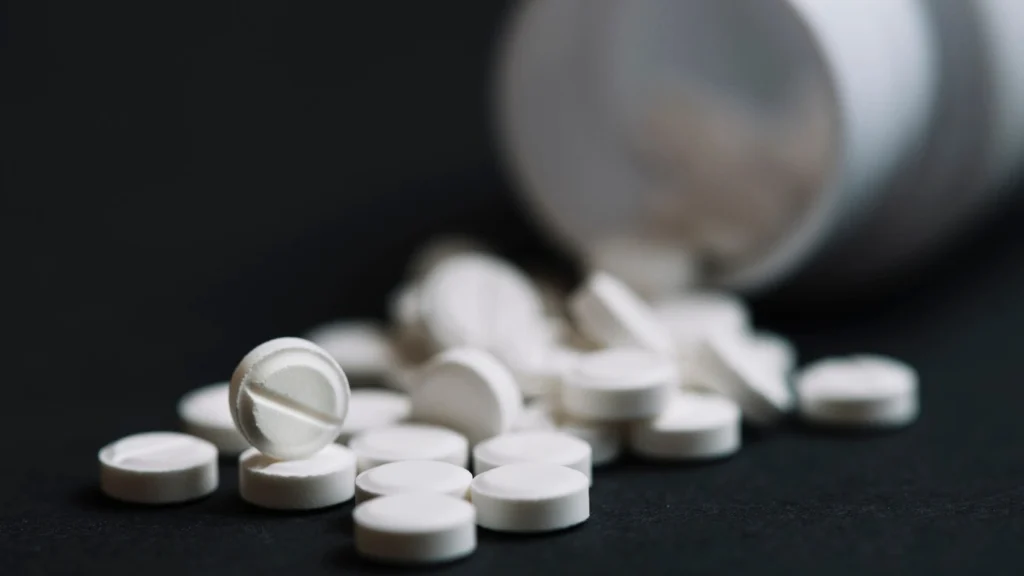
Opioid pharmacology — explained for patients and families
Types of Opioids
“Opioids” is an umbrella term. Each sub-category below carries its own legal status, potency, and risk profile — but all act on the same opioid receptors.
Prescription Painkillers
Oxycodone, hydrocodone, morphine, codeine, and tramadol are prescribed for moderate-to-severe pain. Legally manufactured and regulated, but capable of producing dependence even when taken exactly as prescribed.
Prescription Drug Addiction Treatment →Heroin
An illegal opioid processed from morphine, typically injected, smoked, or snorted. Street heroin is frequently adulterated with synthetic opioids such as fentanyl, sharply increasing overdose risk.
Heroin Addiction Treatment →Synthetic Opioids (Fentanyl)
Fentanyl is a synthetic opioid roughly 100 times more potent than morphine and 50 times more potent than heroin (DEA, 2025). As little as 2 mg — a few grains of salt — can be fatal (NIDA).
Fentanyl Addiction Treatment →Medication for Opioid Use Disorder
Methadone, buprenorphine, and naltrexone are opioids or opioid blockers used clinically — under medical supervision — to stabilise withdrawal, reduce cravings, and support recovery from opioid use disorder.
Opiate & Opioid Detox →The Fentanyl Crisis
For the epidemiology and scale of the North American fentanyl emergency specifically — overdose trends, drug supply contamination, and public health response — see our dedicated page.
The Fentanyl Crisis →The Opioid Crisis
For the history and global scale of opioid overprescription, the three CDC-documented overdose “waves,” and the public health response, see our dedicated page.
The Opioid Crisis →Why Opioid Dependence Requires Medically Supervised Care
Because opioids act on the brain’s breathing centre as well as its pain and reward pathways, tolerance, dependence, and overdose risk are built into the pharmacology — not a matter of willpower. That is why opioid withdrawal and recovery are managed medically at Holina Rehab, inside our Dual Treatment programme.
Tolerance
The same dose produces less effect over time, driving escalating use and higher overdose risk.
Dependence
The body adapts to function normally only with the drug present; stopping abruptly triggers withdrawal.
Overdose Risk
High doses suppress breathing. Risk rises sharply when opioids are mixed with alcohol, benzodiazepines, or unknown fentanyl content.
Co-occurring Conditions
Anxiety, depression, and trauma frequently accompany opioid dependence and need to be treated at the same time, not afterward.
Detox First, Then the Underlying Cause
-
Medically Supervised Opioid Detox
Our on-site physician and nursing team manage withdrawal safely, using approved medication protocols to minimise discomfort and prevent complications.
-
Dual Treatment — Addiction & Behavioural Health
Co-occurring anxiety, depression, PTSD, and trauma are treated simultaneously through our integrated dual treatment model.
-
Holistic Recovery in Koh Phangan
Yoga, breathwork, HBOT, somatic therapy, and the natural environment of Koh Phangan support full mind-body recovery.
A Different Kind of Recovery

Licensed Medical Facility
Holina Rehab is fully licensed by the Thai Ministry of Public Health and operates under international addiction treatment standards. Our on-site physician, nursing staff, and experienced addiction therapists provide 24-hour clinical oversight throughout your programme.
Medical detoxification, dual treatment for addiction and behavioural health, and evidence-based therapy are delivered within a single integrated residential setting — no referrals, no gaps in care.

The Koh Phangan Recovery Environment
The tropical island setting — sea air, natural surroundings, and distance from daily life — creates conditions for the psychological reset that recovery requires. Koh Phangan is home to one of Asia’s largest healing communities.
Clients benefit from private beach access, swimming pools, on-site gym, a nutritious restaurant, and a range of holistic therapies that complement the clinical programme.
Our Clinical Team
Treatment at Holina Rehab is led by qualified medical professionals and experienced addiction therapists. Every client is under active clinical supervision throughout their programme.

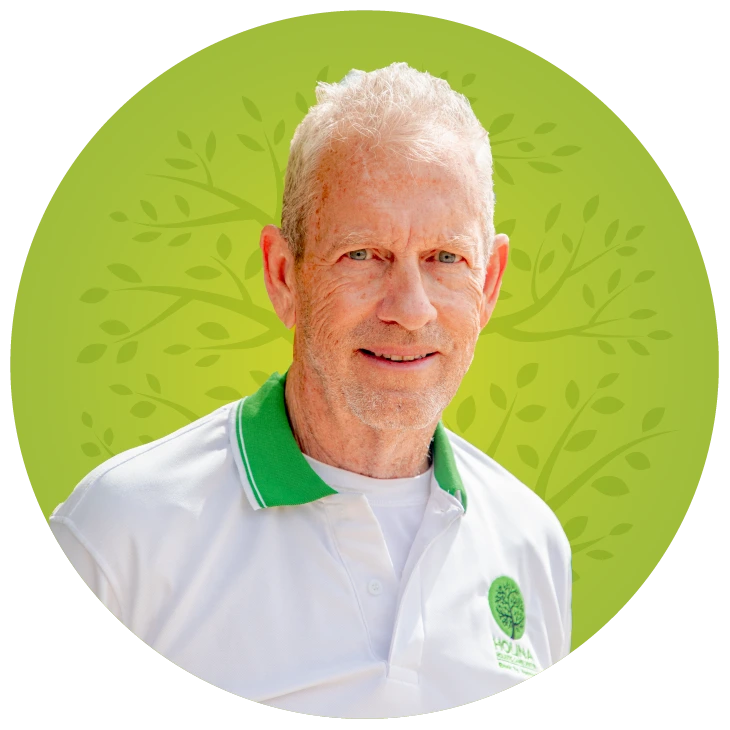
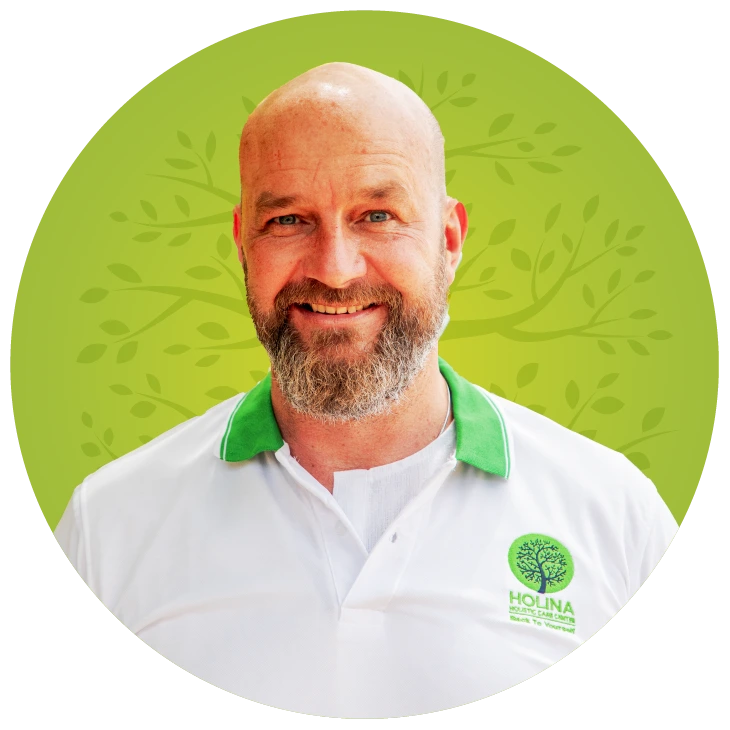
Licensed by the Thai Ministry of Public Health · Residential Rehab Licence #84-03-00294 · International Addiction Treatment Standards
“The experience was amazing, I decided to enroll my self and do the work to find my self again.”
— Leeshai Miller, Google Review, 28 Jun 2026 · ★★★★★
Opioids: Frequently Asked Questions
What exactly counts as an opioid?
Opioids are a class of natural, semi-synthetic, and synthetic drugs that bind to opioid receptors in the brain, spinal cord, and gut. The class spans legal prescription painkillers (oxycodone, hydrocodone, morphine, codeine, tramadol), the illegal drug heroin, synthetic opioids such as fentanyl, and medications used clinically to treat opioid use disorder, such as methadone and buprenorphine (NIDA).
How are opioids different from other addictive drugs?
Opioids are distinct because, at high doses, they suppress the brain’s drive to breathe — this respiratory depression is the mechanism behind opioid overdose death. Stimulants and other drug classes carry different risk profiles. This is also why opioid withdrawal, while rarely life-threatening on its own, is best managed under medical supervision.
Is this page about the opioid crisis?
No. This page explains opioids as a drug class — what they are and how they work. For the history, scale, and public health response to the opioid epidemic, see The Opioid Crisis. For the specific fentanyl overdose emergency, see The Fentanyl Crisis.
Can you become dependent on opioids even if they were prescribed?
Yes. Tolerance and physical dependence can develop even when opioids are taken exactly as prescribed, because they result from how the drug interacts with receptors in the brain and body over time — not from misuse alone. This is why prescribed use should always be monitored by a physician.
What makes Holina’s approach to opioid dependence different?
Because opioid dependence so often sits alongside anxiety, depression, or trauma, our Dual Treatment programme addresses the dependence and the underlying condition at the same time, beginning with medically supervised detox. See our Opiate & Opioid Detox programme for how withdrawal is managed.
Does insurance cover treatment for opioid dependence?
Holina Rehab is a private-pay facility and does not bill insurance directly. Residents can use our financing options to fund treatment. Coverage depends on your provider and policy. See rehab insurance and financing for options, or how much rehab costs in Thailand, and contact our team to check your specific cover.
Explore Related Guides
Ready to Begin Your Recovery?
Our admissions team responds the same day — seven days a week, in full confidence.
+66 (0) 82 113 0657 or contact us online ↓