Prescription Drug Addiction Treatment in Thailand
Prescription drug addiction almost always begins the way it is supposed to — with a legitimate prescription for pain, anxiety, or attention. When dependence follows, it is a physiological response to the medication, not a moral failing or a lack of willpower. Holina offers medically supervised, class-specific residential treatment on Koh Phangan, Thailand.
- Licensed Facility
- Medical Detox Available
- Koh Phangan, Thailand
- 30–90 Day Programmes
What is Prescription Drug Addiction?
Prescription drug addiction develops when medications — most commonly opioid painkillers, benzodiazepines, or stimulants — are used outside the manner intended by the prescribing physician. Dependency can develop even in individuals using medications exactly as prescribed, and is not a sign of weakness or moral failure. It is a physiological response to the drug’s effects on the brain.
At Holina Rehab, we work with professionals, executives, and individuals who have found prescribed medication use escalating beyond their control. Our programme provides medically supervised tapering, withdrawal management, and the psychological support needed to address both the dependency and the reasons behind it.
With specialised detox protocols for each class of prescription medication, evidence-based therapy, and a structured aftercare programme, we provide the complete continuum of care that safe, lasting recovery from prescription drug dependency requires.
SAMHSA’s 2024 National Survey on Drug Use and Health estimated that approximately 16.3 million Americans aged 12 and older — about 6% of that population — misused prescription drugs in the past year, with prescription pain relievers the most commonly misused class. The WHO identifies the non-medical use of prescription medicines — particularly opioid analgesics and benzodiazepines — as a growing global public health concern, and emphasises that withdrawal from prescription opioids and benzodiazepines should always be medically supervised due to the risk of dangerous withdrawal complications.
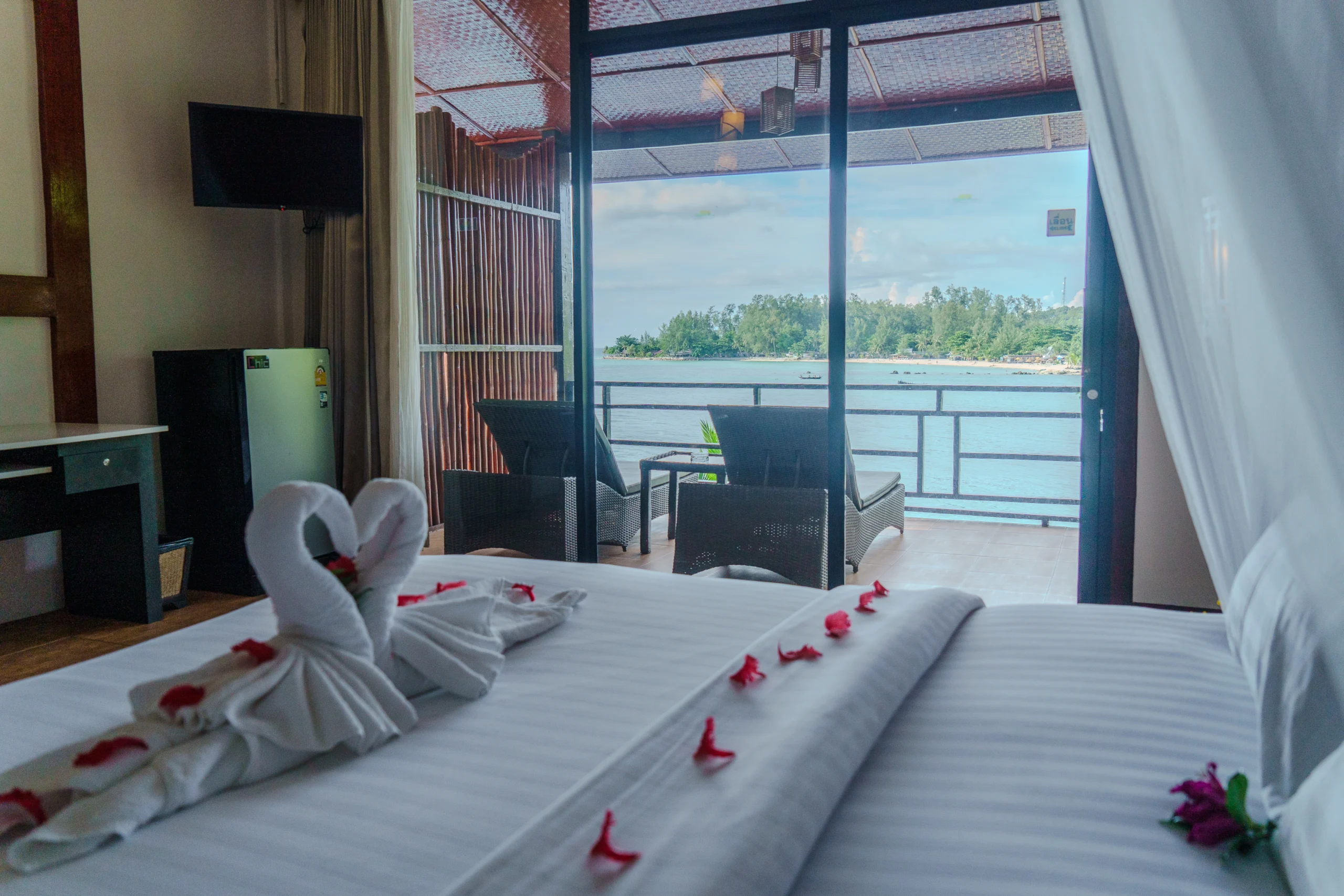
Holina Rehab — Koh Phangan, Thailand
What Are the Signs of Prescription Drug Addiction?
The clearest signs are behavioural and physical: needing higher doses for the same effect, taking medication more often or for longer than prescribed, “topping up” from more than one doctor or pharmacy, and withdrawal symptoms between doses. Because the medication is legitimate, these signs are easy to rationalise — which is exactly why they are so often missed.
Needing Increasing Doses
Requiring more medication to achieve the same effect — a sign of developing tolerance.
Continuing Beyond the Prescription
Using medication after the prescribed duration has ended, or obtaining repeat prescriptions beyond clinical need.
Obtaining Medication from Multiple Sources
Visiting multiple doctors or obtaining medication online to maintain supply.
Using for Non-Medical Reasons
Taking medication for emotional relief, stress management, or to feel normal rather than for the original medical purpose.
Withdrawal Between Doses
Experiencing anxiety, physical symptoms, or discomfort when doses are delayed or missed.
Feeling Unable to Function Without Medication
A sense that daily life — work, social situations, sleep — is impossible without the substance.
Secrecy About Use
Hiding the amount taken, concealing prescriptions, or minimising use to family members or physicians.
Failed Attempts to Reduce
Repeated genuine attempts to cut down that have been unsuccessful.
Neglecting Responsibilities
Work, family, and social obligations increasingly affected by medication use.
How Do We Treat Prescription Drug Addiction at Holina Rehab?
We treat prescription drug addiction in four stages: a medically supervised detox with a taper matched to the specific medication class, a personalised residential plan, therapy addressing the original condition through our Dual Treatment programme, and structured aftercare. Because withdrawal risk differs sharply between opioids, benzodiazepines, and stimulants, detox is never one-size-fits-all.
Assessment
Comprehensive clinical and psychological evaluation. Individual treatment plan from day one.
Medical Detox
Doctor-supervised withdrawal management with medication to ensure safety and comfort.
Primary Care
CBT, DBT, group therapy, trauma work, holistic treatments and daily structure.
Aftercare
Relapse prevention plan, continuing care referrals, and alumni community support.

Evidence-Based. Individually Tailored.
-
Medically Supervised Tapering
Our on-site physician designs an individualised tapering protocol for each class of prescription medication — opioids, benzodiazepines, stimulants — reducing withdrawal risk and managing symptoms safely throughout the detox period.
-
Treating the Underlying Pain or Anxiety
Prescription drug dependency often begins with legitimate pain, anxiety, or sleep disorders. Our programme addresses these underlying conditions through evidence-based therapy and holistic treatments, providing alternatives to medication reliance.
-
Dual Treatment for Prescription Dependency and Behavioural Health
Anxiety, depression, and chronic pain frequently co-occur with prescription drug dependency. Our dual treatment model addresses both simultaneously, preventing the cycle of relapse driven by untreated underlying conditions.
A Different Kind of Recovery

Licensed Medical Facility
Holina Rehab is fully licensed by the Thai Ministry of Public Health and operates under international addiction treatment standards. Our on-site physician, nursing staff, and experienced addiction therapists provide 24-hour clinical oversight throughout your programme.
Medical detoxification, dual treatment for addiction and behavioural health, and evidence-based therapy are delivered within a single integrated residential setting — no referrals, no gaps in care.

The Koh Phangan Recovery Environment
The tropical island setting — sea air, natural surroundings, and distance from daily life — creates conditions for the psychological reset that recovery requires. Koh Phangan is home to one of Asia’s largest healing communities.
Clients benefit from private beach access, swimming pools, on-site gym, a nutritious restaurant, and a range of holistic therapies that complement the clinical programme.
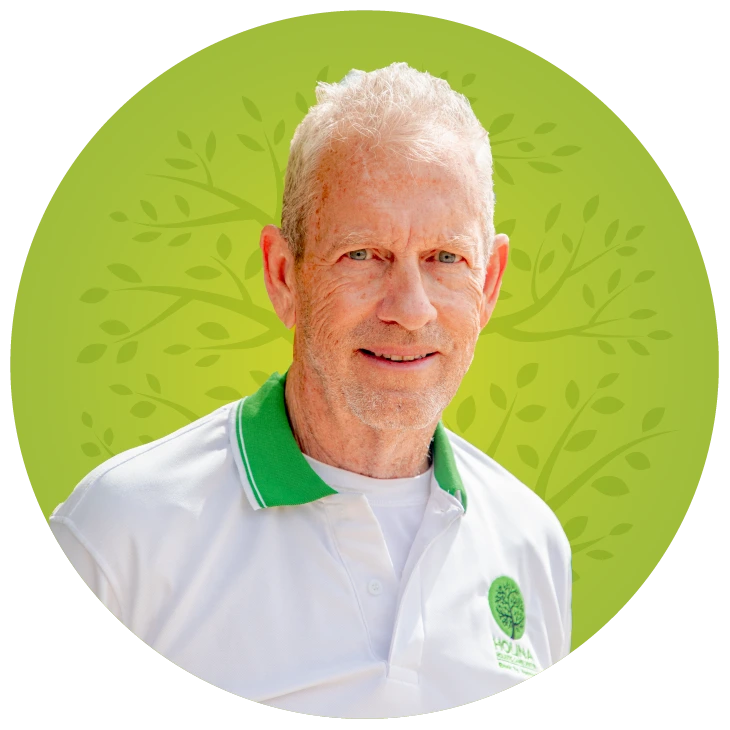
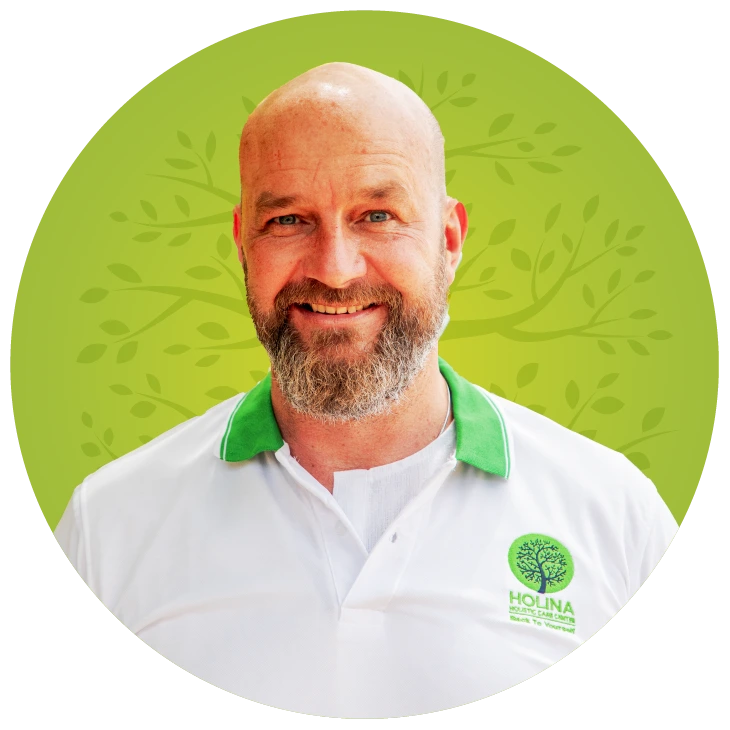
Our Clinical Team
Treatment at Holina Rehab is led by qualified medical professionals and experienced addiction therapists. Every client is under active clinical supervision throughout their programme.
Licensed by the Thai Ministry of Public Health · Residential Rehab Licence #84-03-00294 · International Addiction Treatment Standards
Prescription Drug Addiction: Frequently Asked Questions
Can you become addicted even if you take the medication exactly as prescribed?
Yes. Physical dependence on opioids and benzodiazepines can develop even when a medication is taken precisely as directed by a doctor, because the body adapts to the drug over time. This is a physiological response, not a sign of weakness or a moral failing. Many of the people we treat never once took their medication outside their prescription and still developed a dependence that needed medical support to resolve.
How do I know if my prescription use has become a problem?
Ask whether the medication is still doing what it was prescribed to do, or whether it has started to run your life. Warning signs include needing a higher dose for the same relief, feeling anxious as the next dose approaches, taking it for reasons beyond the original condition, requesting early refills, or obtaining it from more than one source. If stopping feels frightening or physically unpleasant, that is dependence — and it is treatable.
Is it safe to just stop taking my prescription medication?
No — for opioids and benzodiazepines, stopping abruptly can be dangerous. Benzodiazepine withdrawal in particular can trigger seizures and other serious complications, which is why it always requires a medically supervised taper rather than quitting “cold turkey.” Our medical detox programme manages this safely. If your medication is a benzodiazepine or an opioid, see our dedicated pages on benzodiazepine addiction treatment and opioid addiction treatment.
What if my doctor doesn’t realise I have a problem?
This is very common, especially for professionals and executives whose use has escalated quietly. A prescribing doctor sees you for a few minutes at a time and treats the condition in front of them; they may not see the pattern of escalation, early refills, or multiple prescribers. You do not need your doctor to identify the problem first. You can reach out to Holina directly and confidentially through our contact page.
Does treatment address the original condition the medication was prescribed for?
Yes — this is central to how we work. Treating the addiction without treating the pain, anxiety, insomnia, or attention difficulty that led to the prescription leaves the door open for relapse. Our clinical team addresses the underlying condition alongside the dependence through our integrated Dual Treatment programme.
Can my family be involved in treatment?
Yes. Prescription drug dependence often develops within a family that had no reason to suspect anything was wrong. Our family addiction support helps families understand dependence, rebuild trust, and support long-term recovery with your consent.
Ready to Begin Your Recovery?
Our admissions team responds the same day — seven days a week, in full confidence.
+66 (0) 82 113 0657 or contact us online ↓