Recognizing Drug Abuse: Signs, Symptoms, and When to Seek Help
Worried a family member or friend may be using drugs? This guide explains the behavioural, physical, social and financial warning signs of drug abuse, what they can mean, and the practical next steps — including how a professional assessment and Holina’s Dual Treatment programme can help.
- Licensed Facility
- Confidential Assessment
- Koh Phangan, Thailand
- Family Support Available
What Are the Warning Signs of Drug Abuse?
There is no single sign that proves someone is using drugs, and many individual changes — a bad mood, a new friend group, a messy room — have innocent explanations on their own. What matters clinically is the pattern: several changes appearing together, appearing suddenly, or becoming more extreme over time.
Drug abuse can affect anyone, regardless of age, background, or profession. It typically shows up across four overlapping areas of a person’s life: their behaviour and mood, their physical health and appearance, their relationships and finances, and their performance at school or work. Recognising these changes early — and responding with concern rather than confrontation — gives your loved one the best chance of accepting help before the problem deepens.
The sections below outline the general warning signs recognised by U.S. federal health agencies for families and friends, followed by practical next steps if you recognise them in someone you care about.
The National Institute on Drug Abuse (NIDA) notes that the clearest sign of a drug problem is continuing to use “even though it’s harming their life,” alongside changes such as different friend groups, declining grades or work performance, and shifts in eating or sleeping habits. SAMHSA advises that these problems are more likely when several signs appear together, appear suddenly, or are extreme in nature. Holina’s Dual Treatment programme is built around this same principle: assessing the whole person, not a single symptom.

Common Signs Someone May Be Struggling with Drug Abuse
These are general indicators drawn from NIDA and SAMHSA family guidance — they are not a diagnosis. The more of these that appear together, the more important it is to seek a professional assessment.
Mood & Behaviour Changes
Sudden irritability, defensiveness, temper flare-ups, or a “nothing matters” attitude toward things they used to care about.
Physical Changes
Bloodshot eyes, changes in pupil size, unexplained weight change, slurred speech, or a noticeable drop in personal hygiene.
Social & Relationship Shifts
A new peer group they’re reluctant to introduce, pulling away from old friends and family, or increased secrecy.
Loss of Interest
Abandoning hobbies, sports, or activities that once mattered to them, with general low energy or motivation.
School or Work Decline
Falling grades, missed classes, poor attendance, disciplinary issues, or slipping performance and attendance at work.
Financial Problems
Unexplained need for money, missing valuables, borrowing frequently, or sudden secrecy around spending.
Changed Routines
Disrupted eating or sleeping patterns, memory lapses, poor concentration, or lack of coordination.
Legal or Safety Incidents
Trouble with the law, driving incidents, or other risk-taking behaviour that would previously have been out of character.
Continued Use Despite Harm
The clearest indicator: use continues even as it visibly damages their health, relationships, or responsibilities.
What to Do If You Recognize These Signs
Noticing warning signs is the beginning of the process, not the end of it. These signs point toward a possible problem — they cannot confirm one on their own. A qualified professional assessment is the safest way to understand what is actually happening and what kind of support is needed.
Start the Conversation
Choose a calm, private moment. Share what you’ve observed using “I” statements, without accusation or ultimatums.
Avoid Self-Diagnosis
Warning signs are a prompt to seek expert input — not a substitute for one. Let a clinician assess the full picture.
Arrange a Professional Assessment
A confidential clinical assessment identifies the substance, severity, and any co-occurring behavioural health concerns.
Explore Treatment Together
Discuss options as a family — detox, therapy, and Dual Treatment for any underlying anxiety, depression, or trauma.

How Holina Rehab Can Help Your Family
-
Confidential Clinical Assessment
Our clinical team can speak with you directly about what you’re observing, and arrange a confidential assessment for your loved one when they’re ready.
-
Dual Treatment — Addiction & Behavioural Health
Substance use very often coexists with anxiety, depression, PTSD, or trauma. Our Dual Treatment model addresses both together, not one after the other.
-
Family Addiction Support
We help families understand addiction, communicate without escalating conflict, and prepare for what an intervention or admission actually involves.
A Different Kind of Recovery

Licensed Medical Facility
Holina Rehab is fully licensed by the Thai Ministry of Public Health and operates under international addiction treatment standards. Our on-site physician, nursing staff, and experienced addiction therapists provide 24-hour clinical oversight throughout your programme.
Medical detoxification, dual treatment for addiction and behavioural health, and evidence-based therapy are delivered within a single integrated residential setting — no referrals, no gaps in care.

The Koh Phangan Recovery Environment
The tropical island setting — sea air, natural surroundings, and distance from daily life — creates conditions for the psychological reset that recovery requires. Koh Phangan is home to one of Asia’s largest healing communities.
Clients benefit from private beach access, swimming pools, on-site gym, a nutritious restaurant, and a range of holistic therapies that complement the clinical programme.
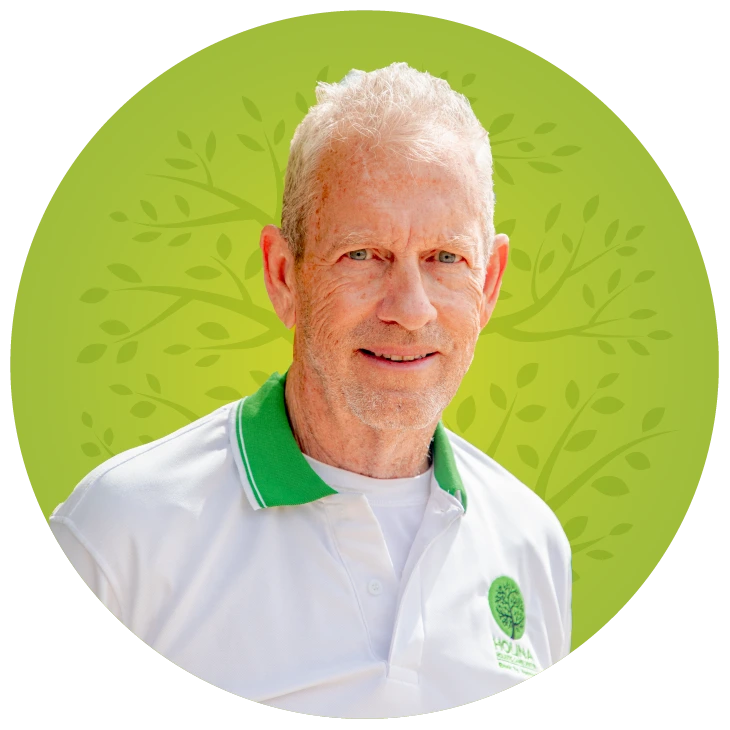
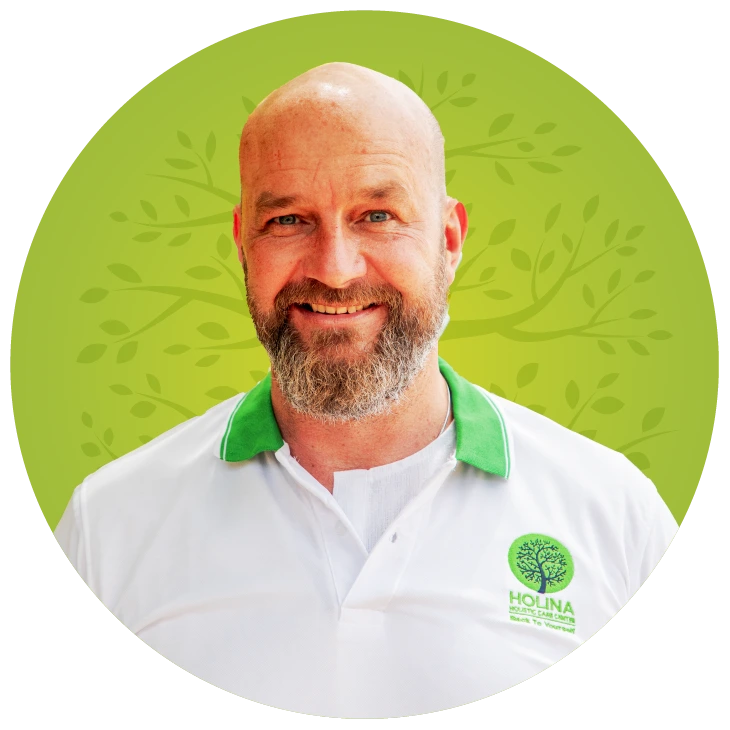
Our Clinical Team
Treatment at Holina Rehab is led by qualified medical professionals and experienced addiction therapists. Every client is under active clinical supervision throughout their programme.


Licensed by the Thai Ministry of Public Health · Residential Rehab Licence #84-03-00294 · International Addiction Treatment Standards
“I was on the verge of losing my life due to my drug addiction. This is no exaggeration, I came to Holina a broken man.”
— Benjamin Field, Google Review, 20 Mar 2026 · ★★★★★
Recognizing Drug Abuse: Frequently Asked Questions
What should I do if I think a family member has a drug problem?
Start with a calm, private conversation focused on what you’ve observed, using “I” statements rather than accusations. Avoid ultimatums in the first conversation. If you’re unsure how to approach it, or your loved one is resistant, our clinical team can talk you through next steps and how a confidential professional assessment works. See our family addiction support for more guidance.
What are the most common signs someone is using drugs?
No single sign confirms drug use, but common indicators include mood changes such as irritability or defensiveness, physical changes like bloodshot eyes or changes in appetite, a new or secretive peer group, declining performance at school or work, and continuing a behaviour despite it visibly causing harm. These signs matter most when several appear together or appear suddenly.
Can someone hide drug use well, even from close family?
Yes. Secrecy and denial are themselves common features of substance use, and some people manage functioning responsibilities for a long time while use escalates privately. This is why professional assessment is important — family observation is a valuable starting point, but it cannot replace a clinical evaluation.
Is it better to confront someone directly about suspected drug use?
Confrontation that feels like an attack tends to increase defensiveness and shut down conversation. A calmer, concern-led approach — sharing specific observations, listening without interrupting, and offering support rather than threats — is more likely to keep the door open. If you’re planning a more structured conversation or intervention, professional guidance can help you prepare.
How is ‘recognizing signs’ different from a clinical diagnosis?
The signs on this page are general warning indicators, not a diagnosis. Only a qualified clinician can assess whether someone has a substance use disorder, which substances are involved, and whether any co-occurring behavioural health condition is present. That is exactly what a professional assessment, such as the one offered at Holina, is designed to establish.
Does Holina work with families, not just the person using drugs?
Yes. Family involvement supports lasting recovery, and we help loved ones understand addiction, communicate more effectively, and know what to expect from assessment through to admission and aftercare. See family addiction support or contact our team to discuss your situation confidentially.
Explore Related Guides
- the science of addiction and how drugs hijack the brain to understand what drives compulsive use.
- a comprehensive guide to the most commonly abused drugs and the specific dangers of each.
- opioids, their effects, and how addiction is treated.
- stimulants such as cocaine, meth, and prescription drugs and the warning signs of stimulant abuse.
Concerned About a Loved One?
Our admissions team responds the same day — seven days a week, in full confidence.
+66 (0) 82 113 0657 or contact us online ↓