The 12-Step Programme at Holina Rehab
Holina Rehab integrates a secular, non-religious 12-Step programme into its licensed, medically supervised residential addiction treatment on Koh Phangan, Thailand. It runs alongside CBT, DBT, NLP and our Dual Treatment approach — never as a stand-alone substitute for medical detox or clinical therapy.
- Licensed Facility
- Non-Religious 12-Step Model
- Koh Phangan, Thailand
- 30–90 Day Programmes
What Is the 12-Step Programme, and How Does Holina Use It?
The 12-Step model is one of the most widely used peer-support frameworks in addiction recovery, built around honest self-examination, personal accountability, making amends, and ongoing peer community. At Holina Rehab, it is delivered in a fully secular, non-religious form — the model’s language of a “higher power” is reframed around whatever concept of meaning, purpose or connection works for each individual resident.
The 12-Step programme is never used at Holina as a stand-alone treatment. It is one integrated component of a full residential programme that also includes medical assessment, Cognitive Behavioural Therapy (CBT), Dialectical Behaviour Therapy (DBT), Neuro-Linguistic Programming (NLP), and our Dual Treatment approach for co-occurring anxiety, depression, and trauma. Daily 12-Step groups and step work run alongside individual therapy, not instead of it.
Several members of the Holina team, including founder Yossi Zubari, draw on their own long-term personal recovery alongside their professional training — bringing lived understanding into a clinically supervised setting.
A 2020 Cochrane review of 27 studies (10,565 participants) found that clinically delivered, manualised Twelve-Step Facilitation (TSF) for alcohol use disorder was associated with higher continuous abstinence at one year (about 42%) than other treatments including CBT (about 35%), with comparable results on drinking intensity and related harms (Kelly, Humphreys & Ferri, Cochrane Database of Systematic Reviews 2020). The review notes that outcomes are strongest when TSF is delivered as a structured, professionally facilitated programme rather than self-help attendance alone — which is why Holina integrates 12-Step work directly into clinical care rather than offering it in isolation. NIDA describes Twelve-Step Facilitation similarly, as active clinical engagement designed to connect residents with ongoing mutual-support recovery (NIDA, Principles of Drug Addiction Treatment: A Research-Based Guide).

What the 12 Steps Cover in Holina’s Secular Programme
Below is a general, non-religious paraphrase of the twelve principles as adapted at Holina — not the copyrighted text of any 12-Step fellowship. Each principle is worked through in group and individual therapy, not read from a page.
1. Acknowledging the Problem
Recognising that addiction has taken control and that life has become difficult to manage without support.
2. Opening to Support
Becoming willing to trust in something beyond willpower alone — community, therapy, or personal meaning.
3. Committing to the Process
Deciding to engage fully with treatment and with the recovery process, rather than partially.
4. Honest Self-Inventory
Taking a clear, honest look at behaviours, patterns and the harm addiction has caused.
5. Speaking It Openly
Sharing that self-inventory with a therapist, sponsor or trusted other, without shame or concealment.
6. Becoming Ready to Change
Building genuine willingness to let go of destructive patterns identified in step work.
7. Actively Seeking Change
Taking concrete action, in therapy and daily life, to change the patterns that sustain addiction.
8. Recognising Harm to Others
Identifying the people affected by the addiction, as part of accountability rather than blame.
9. Making Amends
Repairing relationships and harm where possible and appropriate, guided by a therapist.
10. Ongoing Honesty
Maintaining continued self-reflection, catching and correcting patterns as they resurface.
11. Building Self-Awareness
Practising reflection, mindfulness or meaning-focused practice to sustain clarity and purpose.
12. Carrying It Forward
Applying these principles in daily life and supporting others working through their own recovery.
How the 12-Step Programme Is Integrated at Holina Rehab
The 12-Step programme is woven into the residential day — it is introduced early, worked through daily, and combined with CBT, DBT and our Dual Treatment programme for any co-occurring anxiety, depression or trauma.
Introduction
The secular framing is explained from day one, so residents engage without the religious misconception getting in the way.
Daily Meetings
Structured group meetings led by practitioners, building the daily rhythm and peer accountability the model relies on.
Step Work in Therapy
Individual step work runs alongside trauma-focused psychotherapy, CBT and DBT — never in place of them.
Sponsorship & Aftercare
Residents are connected to sponsors and to 12-Step meetings in their home country before discharge.

Integrated. Not Stand-Alone.
-
Daily Community Meetings
Residents attend daily 12-Step-style groups as part of the structured programme, led by practitioners with clinical training.
-
Step Work Alongside Individual Therapy
Step work is discussed in individual sessions with a therapist, integrating it with CBT, DBT and trauma-focused work rather than leaving it separate.
-
Sponsorship Exposure
Residents are introduced to the concept and practice of sponsorship during their stay, supporting accountability that continues after discharge.
-
Global Fellowship Network for Aftercare
Before leaving, residents are connected with 12-Step meetings in their home city as part of a personalised continuing-care plan.
A 12-Step Programme Inside a Clinical Setting
Integrated, Not Isolated
At Holina Rehab, the 12-Step programme is never delivered as a self-contained fellowship track. It is one strand of a licensed, medically supervised residential programme built on the 12-Step model, NLP and Dual Treatment — alongside CBT, DBT and, where needed, medical detox.
That means step work happens in the same treatment plan as individual therapy, not on a separate track handed off to a meeting outside the facility.

Led by People With Lived and Clinical Experience
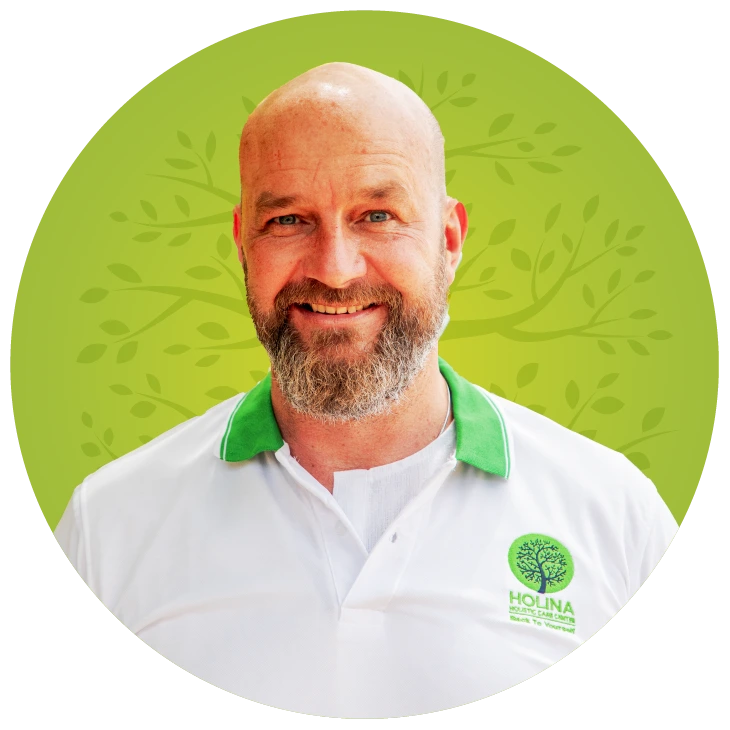
Holina’s founder, Yossi Zubari, has over 25 years of experience working in addiction treatment and almost 30 years in personal recovery. Several members of the clinical team bring similar lived experience alongside their professional qualifications.
That combination — clinical training plus lived understanding of recovery — shapes how the 12-Step programme is facilitated at Holina: with authenticity, and always inside active clinical oversight.
Our Clinical Team
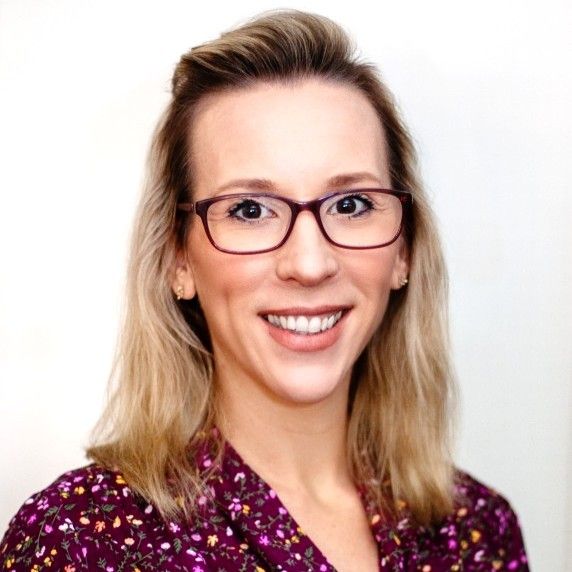
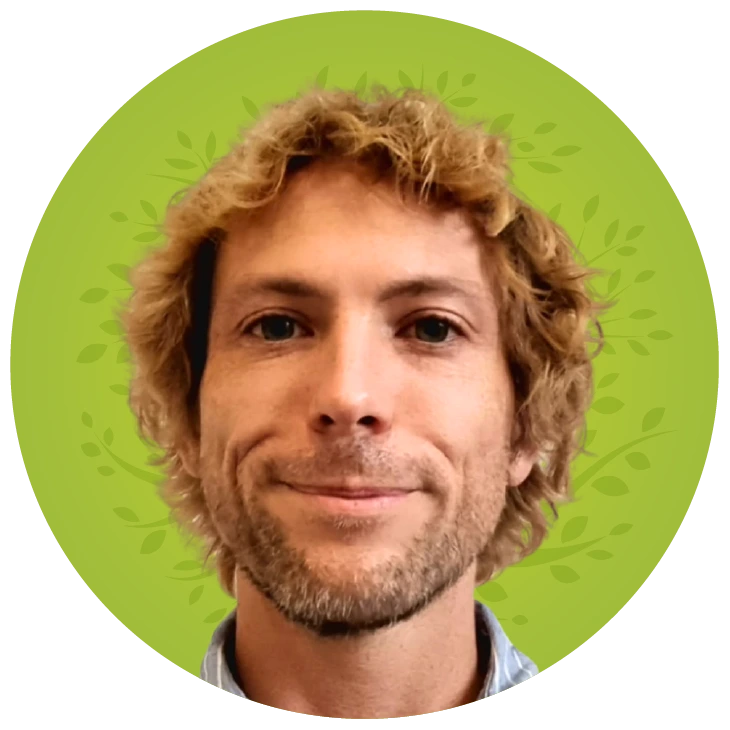
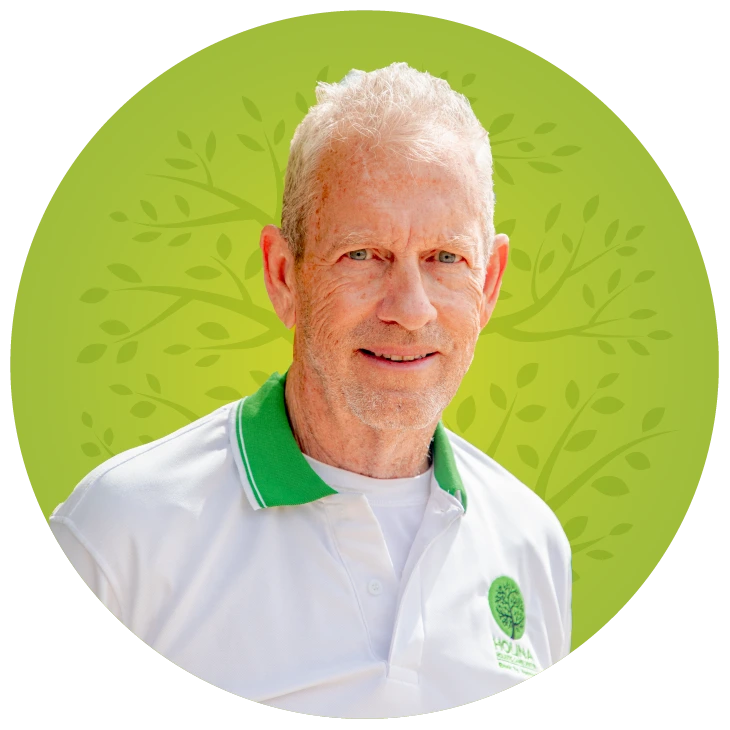
The 12-Step programme at Holina Rehab is facilitated and supervised by qualified therapists and medical professionals. Every resident is under active clinical supervision throughout their programme.
Licensed by the Thai Ministry of Public Health · Residential Rehab Licence #84-03-00294 · International Addiction Treatment Standards
“I learnt so much there about myself and the fellowship and how to work and live the steps everyday and I created a life for myself… The holistic approach that we do alongside the 12 steps is incredible.”
— oliver beebee, Google Review, 7 Apr 2026 · ★★★★★
The 12-Step Programme: Frequently Asked Questions
Is the 12-Step programme at Holina religious?
No. Holina delivers the 12-Step model in a fully secular, non-religious form. References to a higher power are reframed around whatever concept of meaning, purpose or connection works for each resident, and the religious misconception is addressed directly early in treatment.
Does Holina use the 12-Step model instead of clinical therapy?
No. The 12-Step programme is one integrated component of Holina’s licensed residential programme, delivered alongside medical assessment, CBT, DBT, NLP and Dual Treatment. It is never used as a stand-alone substitute for medical detox or clinical therapy.
How is the 12-Step programme integrated into treatment at Holina?
Residents attend daily 12-Step-style group meetings and work through the steps individually with a therapist, alongside CBT, DBT and trauma-focused work. Before discharge, residents are connected with sponsors and 12-Step meetings in their home country as part of aftercare.
Does research support the 12-Step model for addiction recovery?
A 2020 Cochrane review found that manualised Twelve-Step Facilitation for alcohol use disorder was associated with higher continuous abstinence at one year than other treatments including CBT, with the strongest results linked to structured, professionally facilitated delivery rather than self-help attendance alone.
What happens with the 12-Step programme after I leave Holina?
Aftercare is built into the programme from the start. Before discharge, we create a personalised continuing-care plan that includes referrals to 12-Step meetings in your home country, so the community and structure continue after residential treatment ends.
Can my family be involved while I work through the 12-Step programme?
Yes. Family involvement supports lasting recovery, and we help loved ones understand the 12-Step model and rebuild trust. See our family addiction support for how families can take part.
Questions About Our 12-Step Programme?
Our admissions team responds the same day — seven days a week, in full confidence.
+66 (0) 82 113 0657 or contact us online ↓