
Cognitive Behavioural Therapy (CBT) for Addiction
At Holina Rehab, Cognitive Behavioural Therapy is one of the core clinical tools inside our Dual Treatment programme — helping residents recognise the triggers, cravings and distorted thinking that drive substance use, and build the coping skills that prevent relapse after treatment ends.
- Licensed Facility
- Individual & Group CBT
- Koh Phangan, Thailand
- Integrated Into Dual Treatment
How CBT Treats Addiction, Not Just Thoughts in General
Addiction is sustained by a loop: a trigger produces a craving, a distorted thought gives permission to use, and using temporarily relieves the discomfort — which reinforces the whole cycle. Cognitive Behavioural Therapy works directly on that loop. According to the National Institute on Drug Abuse (NIDA), CBT helps a person gain control of the stressful emotions and thoughts that lead to drug use, and strengthens their resolve when they encounter the people, places, or moods that acted as cues for past use.
At Holina, CBT is never delivered as a stand-alone weekly appointment or a general course in psychology. Your therapist uses functional analysis to map the specific situations, moods and thoughts that precede your use, then builds the coping skills to interrupt that exact chain — not a generic worksheet, but a plan built around your own triggers.
Because addiction so often runs alongside anxiety, depression or trauma, CBT at Holina is delivered inside our Dual Treatment programme, so the addictive thought patterns and any co-occurring condition are treated together, in the same sessions, rather than referred out separately.
A meta-analysis of 34 randomised controlled trials covering 2,340 patients found CBT produces a reliable, moderate reduction in substance use across cannabis, cocaine and opioid use disorders (McHugh, Hearon & Otto, 2010, Psychiatric Clinics of North America). Its two working parts are functional analysis — identifying the triggers behind each urge to use — and skills training, so a resident leaves with a rehearsed response, not just insight.
How CBT Addresses the Thoughts That Drive Relapse
Addiction rarely runs on willpower alone — it runs on automatic thoughts that justify one more use, shrink the danger, or make abstinence feel impossible. CBT works by naming these patterns as they happen and rehearsing a different response.
All-or-Nothing Thinking
“One slip means I’ve failed completely.” This black-and-white thinking fuels the abstinence violation effect, where a single lapse is treated as total failure and used as a reason to keep using.
Permission-Giving Thoughts
“Just this once won’t hurt.” A rationalisation that opens the door to the first use in a chain that leads back to full relapse.
Catastrophising Withdrawal
“I can’t survive this craving.” Inflating the intensity and length of a craving or withdrawal symptom until using feels like the only tolerable option.
Giving-Up Thoughts
“I’ll always be an addict, why even try.” A distortion that removes the motivation to use a coping skill at the exact moment it’s needed.
Selective Memory of Use
Recalling the relief or euphoria of using while minimising the consequences — the argument, the missed work, the morning after — that followed it.
Mind Reading & Shame
Assuming others see you only as your addiction, which deepens the secrecy and shame that keep substance use hidden and unaddressed.
Emotional Reasoning
“I feel anxious, so I need to use.” Treating a feeling as an instruction rather than a signal to apply a rehearsed coping response.
Overgeneralising Triggers
Treating one high-risk situation — a particular bar, a payday, an old contact — as unavoidable, rather than something that can be planned around.
“I Should Manage Alone”
A belief that asking for support is a failure, which delays reaching out before a lapse turns into a full relapse.
Distortion categories drawn from Marlatt & Gordon’s relapse prevention model (overview, PMC) and McHugh, Hearon & Otto (2010), Cognitive-Behavioral Therapy for Substance Use Disorders, Psychiatric Clinics of North America.
How CBT Works Inside Your Programme at Holina
CBT is not a single weekly appointment at Holina — it is threaded through the daily structure of the residential programme, alongside DBT, group work, and the Dual Treatment programme for any co-occurring condition.
Individual CBT Sessions
One-to-one work with your assigned therapist to map the specific thoughts, triggers and behaviour chains behind your substance use.
Group CBT Work
Peer sessions applying the same CBT framework together, testing coping responses to shared high-risk situations before you face them again.
Homework & Skills Practice
Thought records and structured practice between sessions turn a single insight into a coping skill you can repeat under pressure.
Relapse-Prevention Planning
Before discharge, a written plan sets out your specific triggers and the coping response rehearsed in CBT for each one.

Built on Functional Analysis, Not Guesswork
-
Functional Analysis of Cravings
Your therapist works with you to identify the exact antecedents — people, places, moods, times of day — that come before an urge to use, so the plan targets your triggers, not a generic list.
-
Dual Treatment Integration
Where anxiety, depression, or trauma is also driving the addictive thought pattern, CBT is delivered alongside treatment for that condition — not as a separate referral.
-
Continuity Into Aftercare
The relapse-prevention plan built in CBT does not end at discharge — it carries directly into our Aftercare programme.
CBT That Runs Every Day, Not Once a Week

CBT Woven Into Daily Residential Life
In outpatient CBT, the days between sessions are where old thought patterns and triggers reassert themselves. At Holina, CBT is not confined to a single weekly appointment — it continues in group therapy, in peer interaction, and in the structured rhythm of residential life, so new coping skills are tested and reinforced every day.
Your assigned therapist and the wider clinical team track how the work is landing day to day, adjusting your plan as treatment progresses rather than waiting for the next scheduled session.

The Koh Phangan Environment Supports the Work
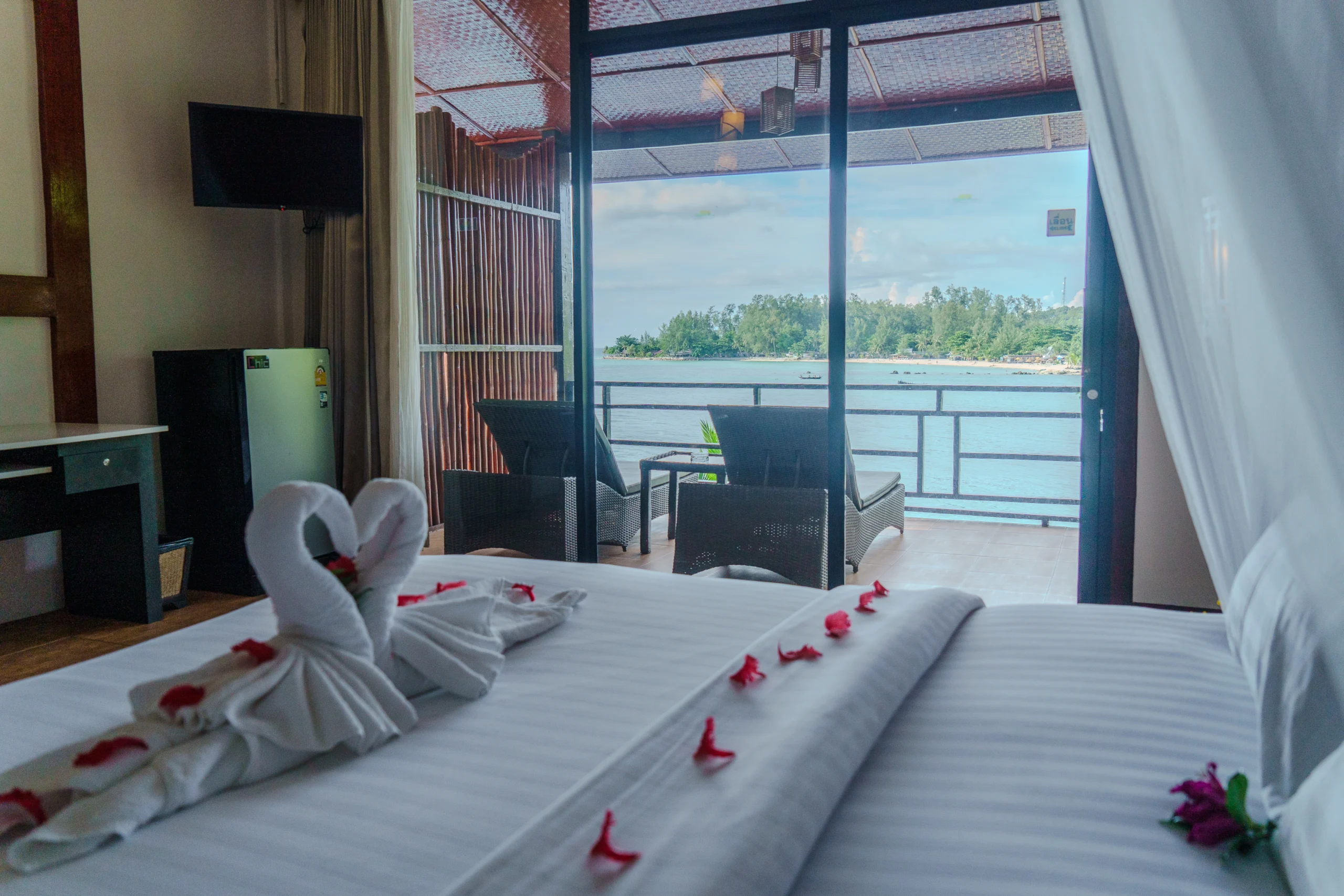
CBT asks residents to test new responses to real triggers — and Koh Phangan removes many of the everyday cues that maintain addictive thinking: the usual bar, the old contact, the routine that used to end in use. Away from those cues, the cognitive work done in session has room to hold.
Residents practise new coping responses inside a calm, structured setting — private beach access, an on-site gym, and a nutritious restaurant — before carrying them back into daily life at home.
Our Clinical Team
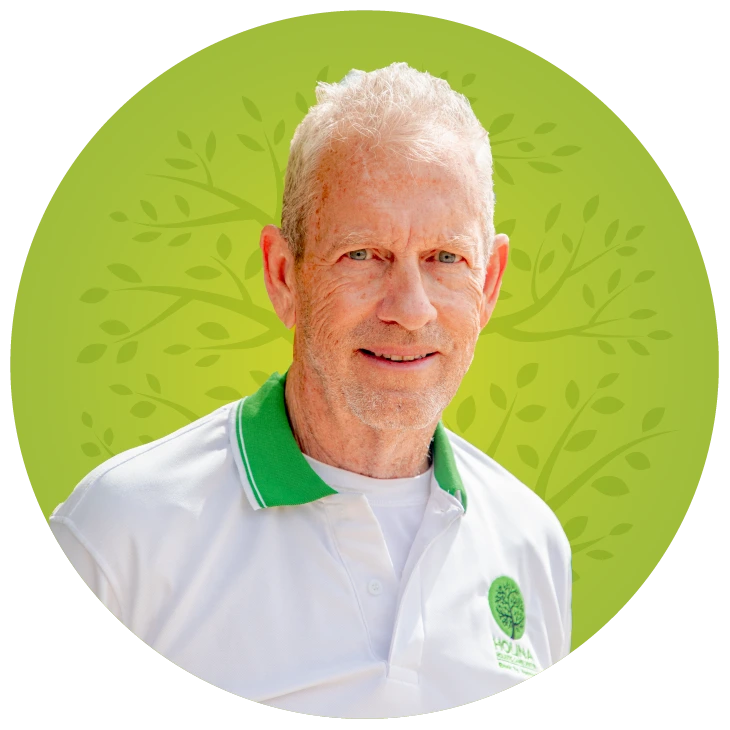
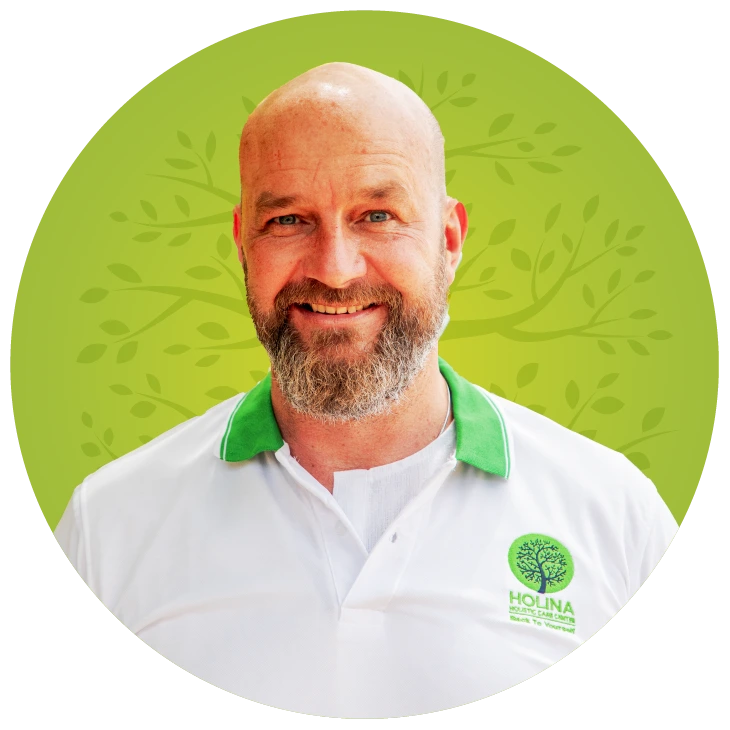
Treatment at Holina Rehab is led by qualified medical professionals and experienced addiction therapists. Every client is under active clinical supervision throughout their programme.


Licensed by the Thai Ministry of Public Health · Residential Rehab Licence #84-03-00294 · International Addiction Treatment Standards
“The holistic approach was incredible and helped me unlock a new part of myself, allowing me to work through trauma and personal challenges from the inside out.”
— jack wacko, Google Review, 24 Mar 2026 · ★★★★★
Cognitive Behavioural Therapy for Addiction: Frequently Asked Questions
How is CBT used to treat addiction at Holina Rehab?
CBT is delivered through individual sessions with your assigned therapist, CBT-based group work, and structured homework between sessions. The goal is to identify the specific triggers, cravings and thought patterns behind your substance use and replace them with tested coping responses, all inside our Dual Treatment programme.
Is CBT effective for severe or long-term addiction?
Yes. A meta-analysis of 34 randomised controlled trials covering 2,340 patients found CBT produces a moderate, reliable reduction in substance use across cannabis, cocaine and opioid use disorders, including long-standing cases (McHugh, Hearon & Otto, 2010, Psychiatric Clinics of North America). At Holina, CBT is combined with medical detox and Dual Treatment for anyone whose addiction sits alongside anxiety, depression or trauma.
How many CBT sessions will I have during treatment?
The number of individual CBT sessions depends on your treatment plan and programme length, set during your initial clinical assessment. Group CBT work happens most days, and CBT skills are reinforced throughout the residential day rather than limited to scheduled sessions.
Is CBT used during medical detox, or only afterwards?
CBT work typically begins once you are medically stabilised, so you can engage fully with the material. Detox comes first for safety, and CBT begins as soon as your care team confirms you are ready. Learn more about our medically supervised detox.
What happens if CBT alone is not enough to prevent relapse?
CBT is one tool inside a wider programme, not a stand-alone fix. Where emotional dysregulation, trauma or a co-occurring condition is also driving addictive behaviour, CBT runs alongside DBT, trauma-focused therapy and the 12-Step model, and every resident leaves with a written relapse-prevention plan and aftercare support.
Does insurance cover CBT as part of rehab treatment?
Holina Rehab is a private-pay facility and does not bill insurance directly. Residents can use our financing options to fund treatment, and CBT is included as standard within the residential programme rather than billed separately. Coverage depends on your provider and policy. See rehab insurance and financing or how much rehab costs in Thailand, or contact our team to check your specific cover.
Ready to Begin Your Recovery?
Our admissions team responds the same day — seven days a week, in full confidence.
+66 (0) 82 113 0657 or contact us online ↓