Trauma and Addiction: Understanding the Connection and Path to Healing
05 min read
Where the Pain Began
Addiction rarely starts with a craving.
It starts with pain — emotional, psychological, or spiritual.
A wound that was never properly tended to.
Behind nearly every addiction story, there’s a trauma story — moments of loss, fear, neglect, or shame that left the nervous system overwhelmed and the heart unprotected.
At Holina Rehab Thailand, we understand addiction not as a moral failing, but as a trauma response — a way the body and mind tried to survive unbearable pain.
Recovery, then, is not just about abstaining. It’s about healing what hurt in the first place.
Because when you heal the trauma, you no longer need the addiction.
What Is Trauma?
Trauma isn’t only what happened to you — it’s what happened inside you as a result.
It’s the lasting imprint of fear, helplessness, or disconnection left in the body and mind after overwhelming experiences.
Trauma can come from:
Physical, emotional, or sexual abuse
Neglect or abandonment
Grief and loss
Accidents or violence
Chronic stress, instability, or conflict
Generational or collective trauma
Even events that seem “minor” can be traumatic if your nervous system couldn’t process them at the time.
At Holina, we approach trauma with one guiding principle: what matters is not comparison, but compassion.
The Link Between Trauma and Addiction
Trauma and addiction are deeply interconnected.
Unresolved trauma often leads to emotional pain, hypervigilance, and difficulty regulating emotions — conditions that make substances or behaviors feel like relief.
Addiction becomes a coping mechanism — an attempt to self-soothe, to quiet the noise, to escape the flashbacks or numb the emptiness.
But what starts as comfort becomes a trap.
The substance that silences pain eventually creates more of it.
At Holina, we help clients understand this cycle — not to assign blame, but to bring awareness.
Because once you see addiction as a trauma adaptation, you can begin to heal it with compassion, not shame.
The Science: How Trauma Shapes the Brain
Neuroscience shows that trauma physically alters the brain.
It rewires the amygdala (fear center) to stay hyperactive, while suppressing the prefrontal cortex (logic and decision-making) and hippocampus (memory and context).
This means that even long after the event, the body can remain “stuck” in survival mode — constantly scanning for danger.
Addiction provides temporary relief by flooding the brain with dopamine and numbing stress responses.
In recovery, Holina’s trauma-informed therapies help re-regulate the nervous system.
Clients learn to feel safe in their bodies again — sometimes for the first time in years.
Addiction as a Survival Strategy
Understanding addiction as a survival strategy is one of the most healing shifts in recovery.
It reframes the story from “What’s wrong with me?” to “What happened to me?”
That question changes everything.
It opens the door to self-compassion, forgiveness, and curiosity — all essential ingredients for healing.
At Holina, we teach that addiction was never the enemy. It was the messenger — pointing to deeper wounds that needed care.
When you learn to listen to that message, healing becomes possible.
Trauma-Informed Care at Holina
Every aspect of Holina’s approach is trauma-informed.
That means safety, trust, and empowerment come first — always.
We never ask, “Why did you do that?”
We ask, “What pain were you trying to soothe?”
Holina’s multidisciplinary team includes trauma-trained therapists, medical professionals, and holistic practitioners who integrate:
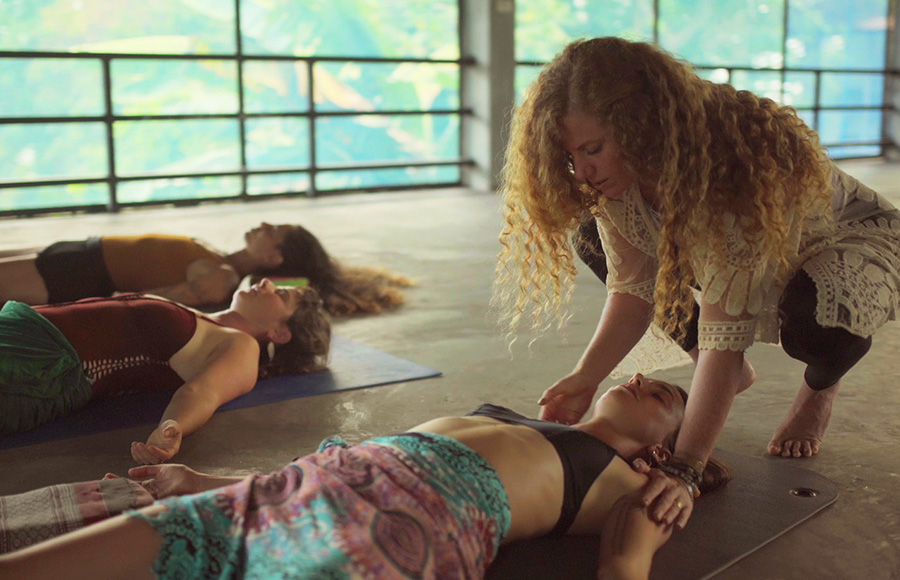
Somatic therapy to release trauma from the body.
EMDR (Eye Movement Desensitization and Reprocessing) for trauma reprocessing.
Inner child work to heal early attachment wounds.
Group therapy for safe sharing and empathy.
Mindfulness and yoga for nervous system regulation.
Creative and spiritual therapies for expression beyond words.
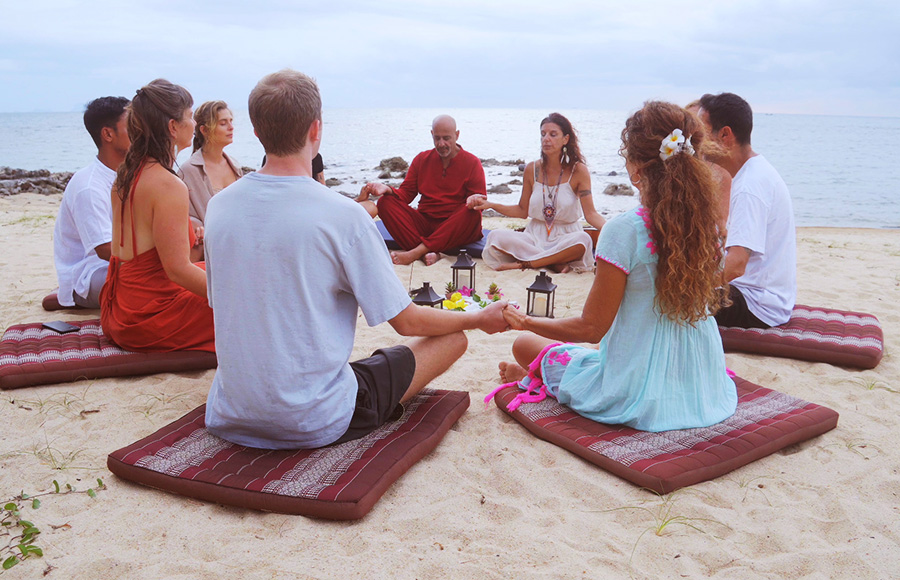
This holistic combination allows healing to happen gently, at the body’s pace — never forced, always supported.
The Body Remembers What the Mind Forgets
Even when memories fade, the body remembers.
Tightness in the chest, shallow breathing, sudden anxiety — these are echoes of old experiences still stored in the nervous system.
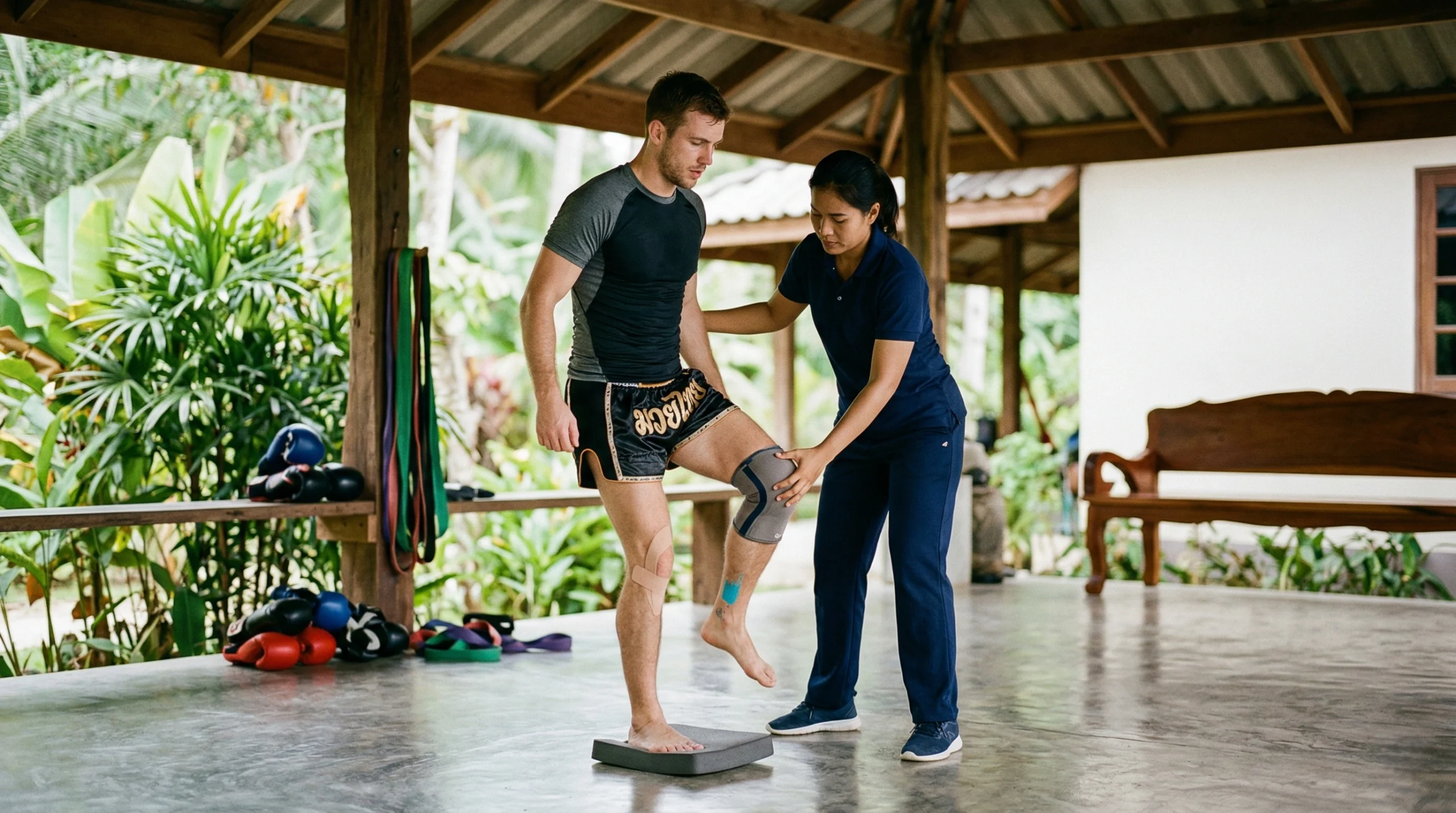
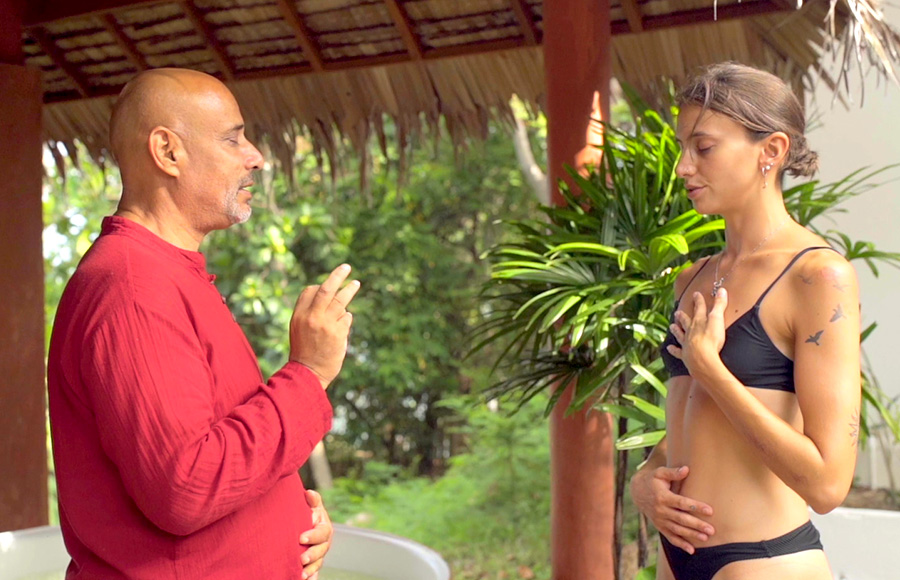
Holina’s somatic practices help clients reconnect with their bodies through gentle awareness and movement.
By feeling safely again, they release what was once too painful to hold.
Healing trauma is not about reliving the past — it’s about teaching the body that it’s safe in the present.
“I didn’t know how much my body was still holding. The moment I felt safe enough to feel again, everything changed.”
— Holina client, UK
The Role of Mindfulness in Trauma Recovery
Mindfulness is one of the most powerful tools for trauma healing.
It teaches clients to observe sensations and emotions without judgment — breaking the automatic link between pain and escape.
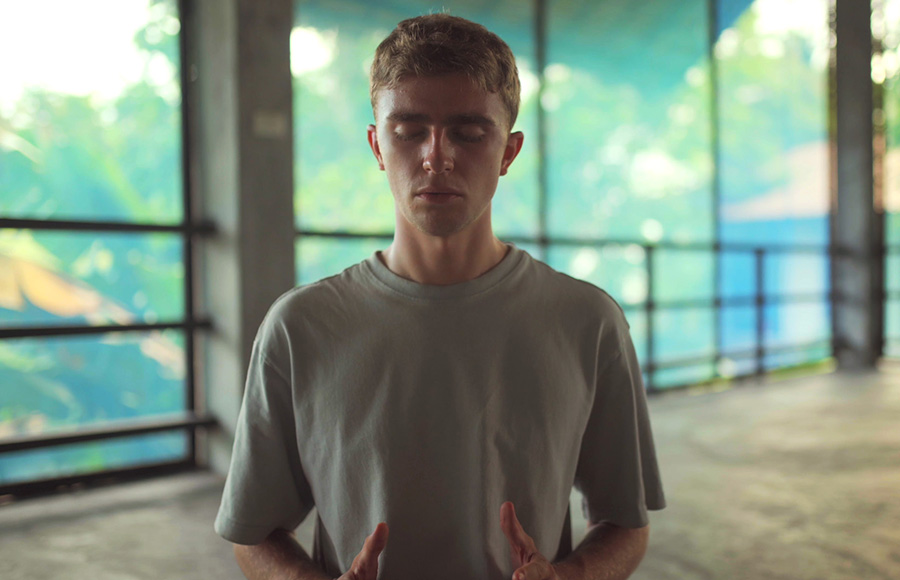
At Holina, mindfulness practices include breathwork, meditation, and grounding exercises that help regulate the nervous system.
Over time, clients learn to respond to triggers with awareness rather than reaction.
Mindfulness turns survival into presence — the place where healing truly begins.
Healing the Inner Child
Many trauma wounds originate in childhood — times when needs for safety, love, or validation went unmet.
In addiction, the “inner child” often tries to cope the only way it knows how — through avoidance or self-soothing.
At Holina, inner child work helps clients reconnect with these younger parts of themselves through guided visualization, creative expression, and nurturing dialogue.
They learn to become the caregiver they never had — offering compassion, protection, and love to their own pain.
This work transforms shame into tenderness.
It teaches that healing doesn’t mean changing who you are — it means loving who you were.
Community Healing: Restoring Connection
Trauma isolates. Addiction isolates even further.
Both thrive in secrecy and silence.
At Holina, connection is the antidote.
In group therapy and community life, clients discover that their pain is not unique — it’s human.
Sharing stories in a supportive circle replaces shame with solidarity.
Each voice says, “You’re not alone.”
Community healing reminds clients that what was broken in relationship can only be healed in relationship.
The Role of Safety in Recovery
Safety is the foundation of all trauma healing.
At Holina, every therapeutic process begins by establishing physical, emotional, and relational safety.
Clients are never pushed to revisit trauma before they’re ready.
Healing unfolds in layers — slowly, respectfully, and always with consent.
When the body feels safe, it begins to trust.
And when it trusts, it begins to release.
Forgiveness and Reconnection
Trauma often distorts self-image.
Survivors may blame themselves for what happened — a form of self-protection that once made sense, but now causes harm.
Through guided therapy, Holina helps clients gently challenge these beliefs and begin to forgive themselves.
Forgiveness doesn’t mean forgetting. It means releasing identification with pain.
Reconnection — to body, heart, and spirit — follows naturally.
What once felt broken begins to feel whole again.
The Intersection of Trauma and Spirituality
Many people describe trauma as a spiritual wound — a disconnection from trust, meaning, or belonging.
Spiritual recovery at Holina helps clients rebuild that connection through mindfulness, meditation, and nature-based practices.
This process isn’t religious. It’s about rediscovering peace — learning to trust life again after pain.
When spirituality and therapy meet, healing becomes not just recovery — but rebirth.
Trauma-Informed Relapse Prevention
Unhealed trauma is one of the leading causes of relapse.
That’s why Holina focuses on long-term resilience — not just detox or behavioral control.
Clients learn:
How to recognize trauma triggers early.
How to ground the body through breath and movement.
How to use mindfulness to stay present during distress.
How to reach out for support rather than retreat into isolation.
By addressing the root — not just the symptom — Holina helps clients build lasting stability and self-trust.
Healing Through Creativity
For many, words can’t reach trauma. But art, music, and movement can.
Holina’s creative therapies allow expression where logic can’t go — helping clients release pain safely and beautifully.
Painting, drumming, journaling, and dance become languages of liberation.
In these sessions, clients discover not just healing — but joy.
“I painted the feelings I couldn’t say. Somehow, it helped me breathe again.”
— Holina alumni, Australia
Aftercare: Continuing Trauma Healing Beyond Holina
Healing trauma is not a quick process — it’s a lifelong journey of integration.
Holina’s aftercare programs ensure continued support through:
Online therapy sessions
Trauma-informed workshops
Community support groups
Personal mentorship and check-ins
These ongoing connections help clients stay grounded and connected as they return to the world — stronger, wiser, and more whole.
Stories of Transformation
“I thought recovery was about stopping the drugs. It was really about healing my heart.”
— Holina graduate, Germany
“Once I understood my addiction was rooted in trauma, I stopped hating myself and started healing.”
— Holina client, UK
“Holina gave me the tools to feel safe again — in my body, in my life, in myself.”
— Holina alumni, Singapore
These stories remind us that the real recovery isn’t from addiction. It’s from disconnection.
FAQs About Trauma and Addiction at Holina Rehab
Q1: How do I know if trauma is part of my addiction?
If you’ve experienced loss, neglect, or overwhelming stress that still affects you today, trauma is likely part of your story. We’ll help you explore it safely.
Q2: Do I have to talk about my trauma?
No. Healing doesn’t always require retelling. At Holina, we use somatic and mindfulness approaches that allow you to heal without reliving.
Q3: Is trauma therapy safe during early recovery?
Yes. Our therapists pace treatment carefully, focusing on stabilization before deep processing.
Q4: What if I can’t remember my trauma?
That’s okay. The body remembers what the mind forgets. Healing doesn’t depend on memory — it depends on safety.
Q5: Can trauma healing really prevent relapse?
Absolutely. When you address the root cause of addiction, you remove the need to escape pain — making recovery sustainable.
Conclusion: Healing What Hurt
Addiction says, “I can’t handle this pain.”
Recovery says, “I can face it — and I don’t have to do it alone.”
At Holina Rehab Thailand, trauma healing is the foundation of lasting recovery.
We help you not only release the pain of the past but also rediscover the safety, strength, and softness that were always yours.
Because the truth is — your trauma is not your identity.
Your resilience is.
And when you heal the wound, you reclaim your life.
Begin your healing journey with Holina today.
Get back to yourself — safe, whole, and free.
About Me
Ian Young
Ian Young is the Global Manager at Holina Care Centres in Koh Phangan, Thailand. Ian oversees the rehabilitation programs that blend the 12 Step model, Psychology, Counselling, Coaching, Somatic and many other therapeutic engagements, alongside various evidence-based therapies with holistic healing practices. Holina Rehab treats addictions, trauma, anxiety, depression, and other emotional challenges, offering comprehensive care in a serene resort environment. Ian, a charismatic speaker and author of “It’s Not About Me” leveraging his own recovery journey from addiction to inspire and guide others toward a fulfilling, addiction-free life.
Recent Blogs
-
27 Dec, 2025
The Role of Nutrition in Addiction Recovery