
Grief & Bereavement Treatment
Holina Rehab treats grief and bereavement as a factor that can drive substance use, not as a stand-alone counselling service. When loss goes unprocessed, many people cope through alcohol, drugs, or compulsive behaviour. Our Dual Treatment programme addresses the addiction and the grief underlying it together, through medically supervised residential care on Koh Phangan, Thailand.
- Licensed Facility
- Dual Treatment Programme
- Koh Phangan, Thailand
- 30–90 Day Programmes
How Does Unresolved Grief Fuel Addiction?
Grief is one of the most common emotional experiences underneath addiction. Losing a partner, parent, child, or close friend can trigger overwhelming sadness, anger, guilt, and numbness — and without support, many people reach for alcohol, drugs, gambling, or other compulsive behaviour to manage what they feel. This is not a character flaw; it is a coping response to pain that has had nowhere else to go.
At Holina Rehab, grief is not treated as a stand-alone psychiatric condition or a separate counselling track. It is addressed as a contributing driver of addictive behaviour within our Dual Treatment programme, alongside any co-occurring anxiety, depression, or trauma. Our clinical team works with residents to process the loss itself while building the coping skills needed to stay substance-free.
Whether the loss happened recently or years ago, unresolved grief can resurface at any point in recovery — around anniversaries, family events, or major life changes. Treating the addiction without addressing the grief underneath it significantly increases the risk of relapse.
A 2019 systematic review in the Journal of Substance Abuse Treatment found a consistent positive relationship between complicated grief and substance misuse, with complicated grief predicting later increases in substance use (Parisi et al., 2019). A 2021 study of 196 bereaved patients in treatment for substance use disorder found that those experiencing complicated grief relied more heavily on emotional expression (venting), social withdrawal, wishful thinking, and self-criticism than bereaved patients without it (Caparrós & Masferrer, 2021). Holina’s Dual Treatment programme addresses the addiction and the grief driving it together.

What Are the Signs Grief Is Driving Substance Use?
Grief-driven substance use can be difficult to recognise, in yourself or someone you love. These clinical indicators can help you understand when mourning has moved into a pattern of addictive coping that needs professional support.
Using to Numb the Pain
Turning to alcohol, drugs, or compulsive behaviour specifically to avoid feeling the sadness, anger, or guilt of loss.
Escalating Use After a Loss
A noticeable increase in frequency or quantity of substance use beginning around the time of bereavement.
Avoiding Reminders
Steering clear of places, people, photos, or conversations connected to the person who died, often replaced with substance use.
Anniversary & Trigger Reactions
Spikes in use around anniversaries, birthdays, or holidays connected to the loss.
Withdrawal from Support Networks
Pulling away from family and friends who could offer comfort, isolating instead with substances.
Persistent Guilt or Anger
Unresolved feelings about the death — including guilt over what was said or left unsaid — that continue to fuel use.
Sleep Disruption & Fatigue
Grief-related insomnia or exhaustion, often managed with sedatives, alcohol, or stimulants.
Neglecting Responsibilities
Work, family, and self-care increasingly abandoned as substance use and grief both intensify.
Continued Use Despite Harm
Persisting with substance use even as it damages health, relationships, or finances tied to the loss.
How Is Grief Treated Within Addiction Recovery at Holina?
Grief that is driving substance use is treated at Holina Rehab through the same structured residential pathway used for any addiction — assessment, medically supervised detox where needed, primary care, and aftercare — combined with our Dual Treatment programme, where grief work runs alongside addiction treatment rather than as a separate service.
Assessment
Comprehensive clinical evaluation, including how loss and bereavement relate to your substance use. Individual treatment plan from day one.
Medical Detox
Doctor-supervised withdrawal management where clinically indicated, ensuring safety and comfort.
Primary Care
CBT, DBT, individual counselling, and grief-informed therapy delivered together through our Dual Treatment programme.
Aftercare
Relapse-prevention planning that accounts for grief triggers — anniversaries, family events — plus continuing care and alumni support.

Grief and Addiction, Treated Together
-
Medically Supervised Care
Our on-site physician and nursing team manage any withdrawal safely, so the emotional work of grief can begin once you are medically stable.
-
Dual Treatment — Addiction & Grief-Informed Therapy
Loss, guilt, and complicated grief are processed alongside the addiction itself, using evidence-based individual and group therapy — never treated as a separate psychiatric service.
-
Structured Recovery in Koh Phangan
Daily therapeutic structure, movement, and time in a natural environment away from the places and routines tied to the loss support the clinical work — without replacing it.
A Different Kind of Recovery

Licensed Medical Facility
Holina Rehab is fully licensed by the Thai Ministry of Public Health and operates under international addiction treatment standards. Our on-site physician, nursing staff, and experienced addiction therapists provide 24-hour clinical oversight throughout your programme.
Medical care, Dual Treatment for addiction and the grief driving it, and evidence-based therapy are delivered within a single integrated residential setting — no referrals, no gaps in care.

The Koh Phangan Setting
Recovering from addiction while grieving takes time, structure, and distance from the routines and reminders tied to the loss. Koh Phangan’s setting — away from daily triggers, with space to think — supports that process without becoming the point of treatment.
Clients take part in daily clinical programming alongside movement, breathwork, and other holistic supports that complement, but never replace, evidence-based addiction and grief-informed therapy.
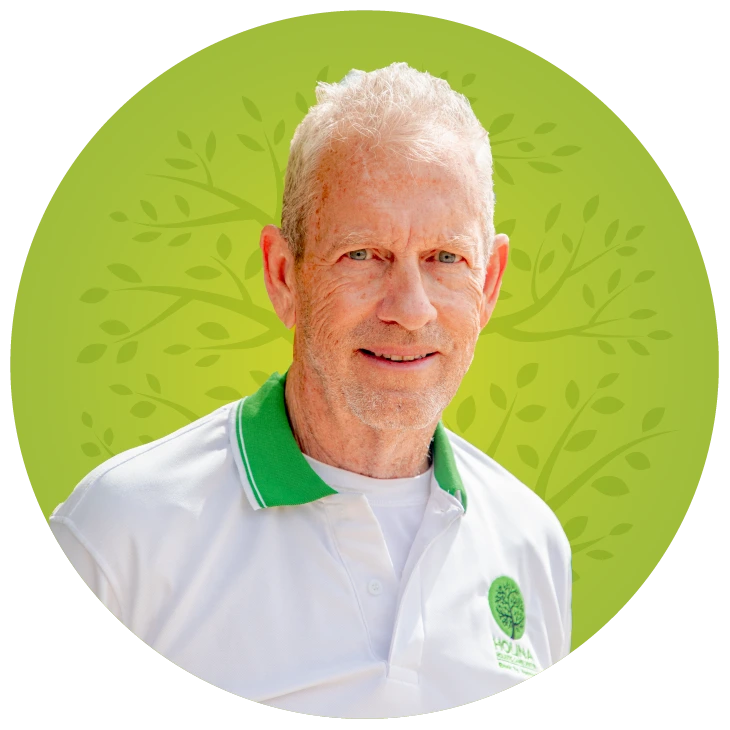
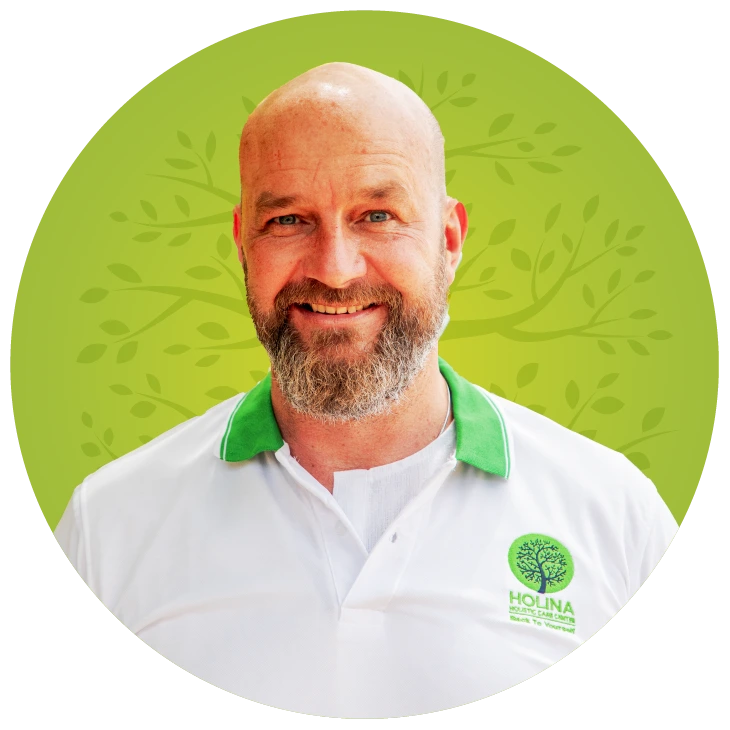
Our Clinical Team
Treatment at Holina Rehab is led by qualified medical professionals and experienced addiction therapists. Every client is under active clinical supervision throughout their programme.


Licensed by the Thai Ministry of Public Health · Residential Rehab Licence #84-03-00294 · International Addiction Treatment Standards
“I have continued my 12 step recovery journey and worked through trauma at Holina. This is a world class treatment centre, the team are incredibly caring and professional, experts in their field.”
— Angela, Recovery.com Review, 20 Mar 2026 · ★★★★★
Grief & Bereavement Treatment: Frequently Asked Questions
Does Holina offer grief counselling as a separate service?
No. Holina Rehab is a licensed addiction treatment centre, not a grief-counselling or psychiatric clinic. Grief is addressed only as part of our Dual Treatment programme, alongside the addiction it is contributing to — never as a stand-alone service.
How do I know if grief is contributing to my substance use?
Common signs include using specifically to numb feelings about the loss, a clear increase in use since the death, avoiding reminders of the person, and spikes in use around anniversaries. If loss and substance use are tangled together, a clinical assessment can help clarify what is driving what.
What is Holina’s Dual Treatment approach to grief and addiction?
Dual Treatment means the addiction and any co-occurring condition — including unresolved grief, anxiety, depression, or trauma — are treated in the same programme, by the same clinical team, at the same time. Grief work happens through individual counselling and therapy alongside addiction treatment, not in a separate track.
Is medical detox necessary if grief is behind my substance use?
It depends on what has been used and for how long. Our clinical team assesses this during intake; where physical dependence is present, doctor-supervised detox comes first, followed by the therapeutic work on grief and addiction together. Learn more about our medically supervised detox.
Can my family be involved, especially around a shared loss?
Yes. When a loss affects the whole family, involving them in parts of treatment can support both your recovery and the family’s own grieving process. See our family addiction support.
Does insurance cover treatment when grief is a contributing factor?
Treatment is billed as addiction treatment, with Dual Treatment for any co-occurring conditions including grief-related symptoms — not as separate grief counselling. Coverage depends on your provider and policy. See rehab insurance and financing, or contact our team to check your specific cover.
Ready to Begin Your Recovery?
Our admissions team responds the same day — seven days a week, in full confidence.
+66 (0) 82 113 0657 or contact us online ↓