
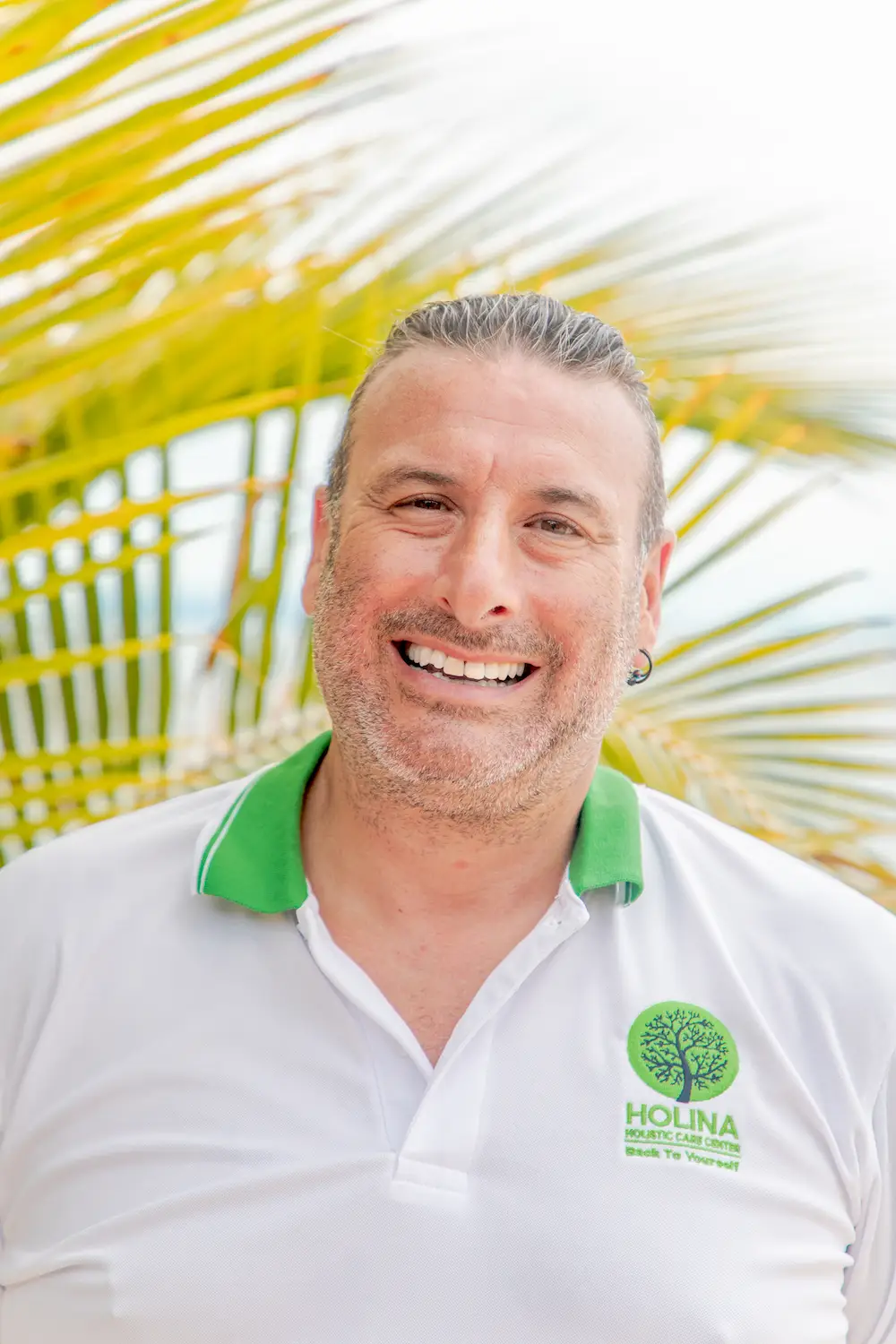

Clinically reviewed by Marc Rower, Lead Trauma Therapist, Holina Rehab. Review pending final sign-off.
Choosing where to begin healing is one of the most important decisions you will make when trauma and addiction have become tangled together. Post-traumatic stress can leave lasting emotional wounds, and for many people alcohol or drugs become a way to quiet the distress those wounds create. The two rarely stay separate for long, which is why the quality of a treatment programme matters so much: the right care addresses both the trauma and the substance use, at the same time.
Not every programme is set up to do that. Understanding what genuinely effective, trauma-informed addiction treatment looks like can help you make an informed decision rather than relying on marketing claims. Below are the practical hallmarks worth looking for, and how they are put into practice at Holina Rehab, a licensed addiction and behavioural health therapeutic community (Thai Ministry of Public Health licence no. 84-03-00294). For more information on our programmes, contact us on +66 82 113 0657 (international) or +66 61 936 8047 (Thai).
Why Trauma and PTSD So Often Sit Beneath Addiction
Trauma is one of the most common drivers of substance use. Among people living with PTSD, studies place the rate of a co-occurring substance use disorder somewhere between 19% and 52%, far higher than in the general population. The explanation with the strongest research support is the self-medication model: substances temporarily dull trauma-related distress, that relief reinforces the behaviour, and over time the pattern can harden into addiction. The US National Institute on Drug Abuse describes trauma and chronic stress as significant risk factors across nearly all substance use disorders. Treating the addiction while leaving the trauma untouched is one of the most common reasons recovery does not hold.
Trauma-Informed Care as the Foundation

A programme worth trusting is trauma-informed from top to bottom. This means every team member, from therapists to support staff, understands how trauma shapes behaviour and how easily a treatment setting can re-traumatise someone if handled carelessly. In practice it looks like being treated with dignity and patience, having your pace respected, and being able to speak about difficult experiences without fear of judgement.
Trauma-informed care goes beyond simply offering therapy. It means building physical and emotional safety first, because people only open up and make real progress once they feel secure. Holina’s trauma treatment is built around this principle, creating a stable environment where processing the past becomes possible rather than overwhelming.
Evidence-Based and Holistic Therapy, Working Together
Effective care addresses the whole person: emotional, psychological and physical health together. On the clinical side, that means therapies with a genuine evidence base. Trauma-focused cognitive behavioural therapy, cognitive processing therapy and prolonged exposure are the psychotherapies most strongly recommended in the American Psychological Association’s PTSD treatment guidelines, and structured talking therapies remain central to addressing the symptoms that keep addiction in motion.
Alongside these, holistic practices such as yoga, meditation, mindfulness and somatic work help re-regulate a nervous system left on high alert by trauma. Delivered within a non-religious 12-Step framework, these approaches give you practical tools to manage stress and stay grounded, skills that continue to serve you long after you leave. The point is not one approach over another, but a plan tailored to you that combines both.
A Qualified, Compassionate Clinical Team
The people guiding your recovery matter more than any facility feature. Look for a genuine multidisciplinary team with real trauma expertise. At Holina, that includes licensed psychologists, psychotherapists, trauma therapists and counsellors working under Clinical Director Dr. Natalie Lindemann, PsyD, with trauma work led by Lead Trauma Therapist Marc Rower. Many of the team also bring lived experience of recovery.
Qualifications alone are not enough, though. Recovery from trauma asks you to be vulnerable, so compassion, empathy and patience are just as important as credentials. The relationship you build with your therapists is foundational, which is why the care here is personal and unhurried rather than purely clinical.
“In almost every case I’ve treated, the addiction and the trauma are the same problem wearing two faces. Treat only one, and the other pulls the person back.” — Marc Rower, Lead Trauma Therapist, Holina Rehab (draft quote, pending sign-off)
One Programme for Addiction and Trauma, Not Two

Perhaps the clearest hallmark of a programme built for people carrying both trauma and addiction is whether it treats them as one problem or two. Handing trauma to one service and substance use to another leaves the very connection driving the relapse cycle unaddressed. Holina’s Dual Treatment programme works on addiction and its underlying psychological drivers, including trauma, at the same time. For trauma specifically, our PTSD and complex PTSD recovery work sits inside that same integrated plan rather than running separately from it.
A Real Commitment to Aftercare
Recovery does not end when a residential stay does. A programme worth choosing plans for the transition home from the start, because that is where progress is most easily lost. Strong aftercare can include continued therapy, peer support connections, regular check-ins and clear strategies for managing triggers once the structured environment is behind you.
Because trauma and addiction reinforce one another, aftercare has to keep addressing both. At Holina, aftercare is treated as an integral part of the process rather than an afterthought, so you leave with the tools, relationships and support to keep building a life in recovery.
Choosing Where to Begin
Finding the right care is a significant step toward reclaiming your life from trauma and addiction. The hallmarks above, trauma-informed care, evidence-based and holistic therapy, a qualified and compassionate team, integrated dual treatment and genuine aftercare, are practical criteria you can hold any programme against. Holina Rehab holds a 4.8-star average across 82 Google reviews, and you can read more about our approach to the substances and behaviours we treat on our drug addiction pillar page.
“Trauma and addictions are dealt with in a truly holistic manner — not only dealing with addictions, but also help to identify underlying causes, plus crucially for me, effective sustainable methods for dealing with the triggers that had led to addictive behaviours. I wouldn’t hesitate to recommend Holina.” — Steve R., Google review, 18 April 2025 (4.8★ average, 82 reviews)
Healing takes time, patience and the right support around you. If trauma and addiction have become entangled in your life, reaching out is the first step. Contact Holina Rehab on +66 82 113 0657 (international) or +66 61 936 8047 (Thai) to talk through how we can help.
Ready to Start Your Recovery Journey?
Our clinical team is available to answer your questions and help you find the right programme for your needs.
Speak with Our Team →