
Self-Harm and Addiction Treatment
Self-harm is often a coping response to overwhelming emotional pain, and it frequently occurs alongside substance use as another way of managing that same distress. Holina Rehab treats the addiction and the self-harming behaviour together through our Dual Treatment programme, addressing both the substance use and the psychological pain driving it, within a licensed residential setting on Koh Phangan, Thailand.
- Licensed Facility
- Dual Treatment Programme
- Koh Phangan, Thailand
- 30–90 Day Programmes
Why Do Self-Harm and Addiction Often Occur Together?
Self-harm and substance use frequently exist side by side because they can serve a similar function: both are ways some people attempt to manage emotional pain, distress, or feelings that feel too intense to sit with. Neither is a character flaw — both are coping behaviours, and both respond to structured, compassionate clinical treatment.
At Holina Rehab, we do not treat self-harm as an isolated behaviour disconnected from addiction. When self-harm and substance use appear together, we address them as part of the same underlying picture — through our Dual Treatment programme, which treats addiction and the psychological drivers behind it — including self-harming behaviour — within one integrated residential plan.
Our approach focuses on building safer, sustainable ways to manage emotional pain: individual and group therapy, trauma-informed care, and daily structure, delivered by a licensed clinical team.
In a 2023 mixed-methods study of individuals with frequent self-harm episodes, alcohol use disorder was the most common co-occurring diagnosis, present in 51.1% of cases (Sadath et al., Frontiers in Psychiatry, 2023). More broadly, an estimated 33% of U.S. adults (86.6 million people) experienced either a mental illness or a substance use disorder in the past year (SAMHSA, 2024 NSDUH). Holina’s Dual Treatment programme is built around this reality — addressing self-harming behaviour and substance use together, rather than treating either in isolation.

What Signs Suggest Self-Harm May Be Co-Occurring With Addiction?
Families and individuals are often uncertain whether behaviours have reached the point where professional support is needed. These general indicators can help — they are not a diagnosis.
Using Substances to Numb Pain
Drinking or using drugs specifically to cope with shame, guilt, or emotional overwhelm.
Increased Secrecy
Withdrawing from usual routines, hiding behaviour, or becoming defensive about mood or whereabouts.
Difficulty Regulating Emotion
Intense, sudden shifts in mood that feel disproportionate to the situation and hard to talk about.
Covering Up
Wearing long clothing regardless of weather, or avoiding situations where skin might be visible.
Withdrawing From Others
Pulling away from friends, family, or activities that were previously important.
Escalating Risk-Taking
Substance use and self-harming behaviour intensifying together during periods of stress.
Shame and Self-Criticism
Persistent feelings of not deserving help, often preventing someone from asking for it.
Continued Use Despite Harm
Both behaviours persisting despite visible impact on health, work, or relationships.
Unexplained Injuries
Marks or injuries with vague or inconsistent explanations, alongside changes in substance use.
How Is Self-Harm Treated Within Holina’s Addiction Programme?
Self-harm is treated at Holina Rehab through a four-stage residential pathway — assessment, clinical stabilisation, primary care, and aftercare — delivered through our Dual Treatment programme, which addresses substance use and self-harming behaviour together.
Assessment
Comprehensive clinical and psychological evaluation to understand how self-harm and substance use relate for each individual.
Clinical Stabilisation
Medical and psychological support to establish safety and structure at the start of treatment.
Primary Care
DBT, CBT, trauma-informed and somatic therapy, individual counselling, and group work.
Aftercare
Relapse and self-harm prevention planning, continuing care referrals, and alumni support.

Evidence-Based. Individually Tailored.
-
Dialectical Behaviour Therapy (DBT)
Widely used to help build emotional regulation skills and reduce reliance on self-harm or substances as coping tools.
-
Dual Treatment — Addiction & Psychological Support
Self-harming behaviour, anxiety, depression, and trauma are addressed alongside substance use through our integrated dual treatment model.
-
Holistic Recovery in Koh Phangan
Yoga, breathwork, aquatic tuning, and the natural environment of Koh Phangan support nervous system regulation and full mind-body recovery.
A Different Kind of Recovery

Licensed Medical Facility
Holina Rehab is fully licensed by the Thai Ministry of Public Health and operates under international addiction treatment standards. Our on-site physician, nursing staff, and experienced therapists provide clinical oversight throughout your programme.
Dual Treatment for addiction and co-occurring self-harming behaviour is delivered within a single integrated residential setting — no referrals, no gaps in care.

The Koh Phangan Recovery Environment
The tropical island setting — sea air, natural surroundings, and distance from daily triggers — creates conditions for the psychological reset that recovery from self-harm and addiction requires.
Clients benefit from private beach access, swimming pools, an on-site gym, a nutritious restaurant, and holistic therapies that complement the clinical programme.
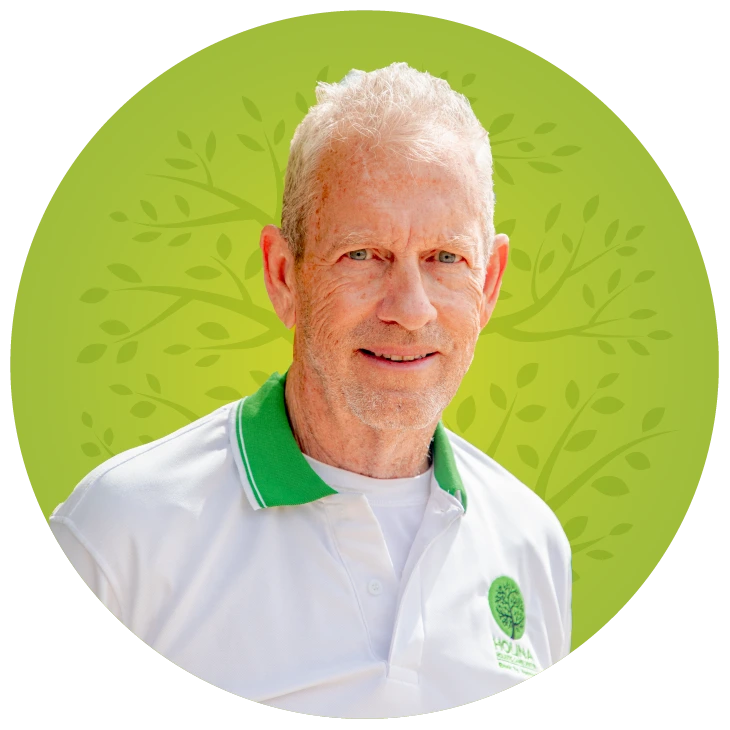
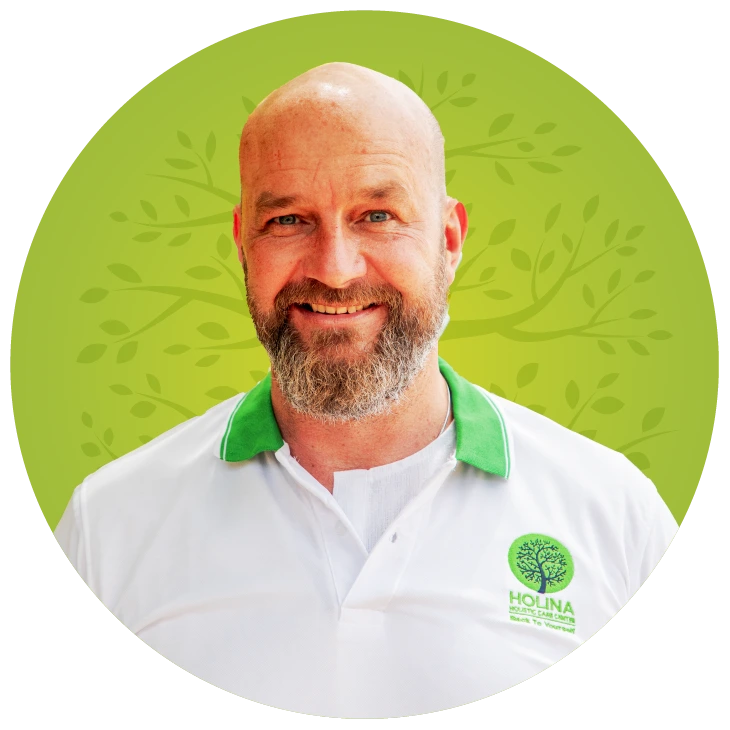
Our Clinical Team
Treatment at Holina Rehab is led by qualified medical professionals and experienced therapists. Every client is under active clinical supervision throughout their programme.


Licensed by the Thai Ministry of Public Health · Residential Rehab Licence #84-03-00294 · International Addiction Treatment Standards
“I had an incredible experience here at Holina, really feel my time here was truly transformative.”
— Marlon Hulme, Recovery.com Review, 3 Oct 2025 · ★★★★★
Self-Harm and Addiction Treatment: Frequently Asked Questions
Is self-harm always a sign of addiction?
No. Self-harm can occur without any substance use involved. However, research shows the two frequently co-occur — one 2023 study found alcohol use disorder present in 51.1% of individuals with frequent self-harm episodes. When they do occur together, treating only one and not the other often leaves the underlying emotional drivers unaddressed.
Does Holina Rehab provide emergency crisis intervention for self-harm?
No. Holina Rehab is a licensed residential addiction treatment facility offering structured, longer-term care with integrated psychological support — we are not an emergency psychiatric crisis service and cannot provide urgent intervention for an active safety crisis. If you or someone you know is in immediate danger, please contact local emergency services or a crisis line first. Our programme is for individuals ready to begin residential treatment for addiction and any co-occurring self-harming behaviour once immediate safety has been established.
What therapies does Holina use to treat self-harm?
Our clinical team uses Dialectical Behaviour Therapy (DBT) and Cognitive Behavioural Therapy (CBT) to build emotional regulation and coping skills, alongside trauma-informed and somatic therapy, individual counselling, and group therapy. All therapy is delivered within our Dual Treatment programme, addressing self-harm and substance use together rather than separately.
How long does treatment take?
Most residents follow a 30, 60, or 90-day residential programme. The right length is set during your initial assessment, based on your history, past treatment, and any co-occurring conditions such as self-harm alongside substance use.
Can my family be involved in treatment?
Yes. Family involvement supports lasting recovery, and we help loved ones understand the relationship between self-harm and addiction and rebuild trust. See our family addiction support for how families can take part.
Does insurance cover treatment for self-harm and addiction?
Holina Rehab is a private-pay facility and does not bill insurance directly. Residents can use our financing options to fund treatment. Coverage depends on your provider and policy. See rehab insurance and financing for options, or how much rehab costs in Thailand, and contact our team to check your specific cover.
Ready to Begin Treatment?
Our admissions team responds the same day — seven days a week, in full confidence.
+66 (0) 82 113 0657 or contact us online ↓