PTSD and Complex-PTSD Treatment Within Dual Treatment
PTSD and Complex-PTSD frequently occur alongside substance use disorders, with unresolved trauma often driving the addictive behaviour built around it. Holina Rehab treats both together within its Dual Treatment programme — using EMDR, trauma-focused CBT and somatic therapy alongside evidence-based addiction care — so recovery addresses the trauma underneath the substance use, not only the substance itself.
- Licensed Facility
- Medical Detox Available
- Koh Phangan, Thailand
- 30–90 Day Programmes
What Is PTSD and Complex-PTSD, and How Do They Connect to Addiction?
PTSD (Post-Traumatic Stress Disorder) develops after a person experiences or witnesses a life-threatening event, such as an accident, assault, or natural disaster. Complex-PTSD results from repeated, prolonged trauma — such as ongoing abuse or neglect, often during childhood — and typically also involves difficulty regulating emotions, a harshly negative self-concept, and trouble maintaining relationships. Both conditions can have profound effects on a person’s emotional, psychological, and physical well-being.
Trauma and addiction are rarely separate problems. Substances are frequently used to numb intrusive memories, quiet hyperarousal, or escape the emotional dysregulation that PTSD and Complex-PTSD produce — a pattern that can deepen both conditions over time. At Holina Rehab, PTSD and Complex-PTSD are treated as part of the addiction itself, not as a side issue.
Our Dual Treatment programme addresses addiction and the trauma underneath it at the same time, using EMDR, trauma-focused CBT and somatic therapy alongside evidence-based addiction care — because treating only the substance use while leaving the trauma unresolved leaves what fuels relapse untouched.
In the U.S., over 4 in 10 adults (about 45%) who have PTSD also have problems with drug or alcohol use, and veterans with PTSD are twice as likely to have alcohol problems and three times as likely to have drug problems as veterans without PTSD (U.S. Department of Veterans Affairs, National Center for PTSD, 2025). People with a history of childhood physical or sexual abuse — a common root of Complex-PTSD — carry a 73–74% greater lifetime risk of developing a substance use disorder than people without that history (National Institute on Drug Abuse, 2024). Holina’s Dual Treatment programme is built to address trauma and substance use together, not one after the other.

How Do PTSD and Complex-PTSD Show Up Alongside Addiction?
Trauma symptoms and substance use often reinforce each other. These are patterns Holina Rehab’s clinical team looks for during assessment, whatever surfaced first.
Intrusive Memories & Flashbacks
Reliving the traumatic event through flashbacks, nightmares, or intrusive thoughts — often numbed or avoided through alcohol or drug use.
Hyperarousal & Hypervigilance
A constant sense of threat, disrupted sleep, or an exaggerated startle response, sometimes quieted with alcohol or sedatives.
Emotional Numbing & Avoidance
Avoiding people, places, or feelings connected to the trauma — including through substance use as a way to stay disconnected.
Emotional Dysregulation
Sudden shifts in mood or overwhelming emotional reactions common in Complex-PTSD, which substances are sometimes used to manage.
Dissociation
Feeling detached from one’s body, memory, or surroundings — a symptom that substance use can intensify or temporarily mask.
Shame, Self-Blame & Trust Difficulties
Common after prolonged or childhood trauma, and linked to a substantially higher lifetime risk of substance use disorder.
How Is PTSD and Complex-PTSD Treated Within Dual Treatment at Holina Rehab?
PTSD and Complex-PTSD are treated at Holina Rehab through the same four-stage residential pathway used across the programme — assessment, stabilisation, primary care, and aftercare — integrated with our Dual Treatment programme so trauma and addiction are addressed by one clinical team, not treated as separate problems.
Assessment
Comprehensive evaluation of trauma history, PTSD/Complex-PTSD symptoms, and substance use. Individual treatment plan from day one.
Stabilisation
Medical and psychological stabilisation, including supervised detox where needed, to build the safety trauma work requires.
Trauma & Addiction Care
EMDR, trauma-focused CBT, somatic therapy and addiction-focused CBT delivered together within Dual Treatment.
Aftercare
Relapse-prevention and continuing-care planning that accounts for both trauma triggers and addiction triggers.

Evidence-Based. Individually Tailored.
-
Evidence-Based Trauma Therapies
EMDR (Eye Movement Desensitization and Reprocessing), Trauma-Focused CBT, and Somatic Therapy help process traumatic memories, re-establish a sense of safety, and release the body’s stored stress response — the same modalities used within Dual Treatment to work directly on what is driving substance use.
-
Dual Treatment — Trauma & Addiction Together
PTSD, Complex-PTSD, and substance use disorder are treated as one coordinated plan by one clinical team, not as sequential or separate programmes.
-
Nervous System Regulation Support
Yoga, breathwork, and mindfulness practice support emotional regulation alongside clinical trauma and addiction therapy — adjuncts to treatment, not a substitute for it.
Trauma and Addiction, Treated as One Problem

Trauma-Informed, Dual Treatment Care
Holina Rehab is fully licensed by the Thai Ministry of Public Health, with an on-site physician, nursing staff, and trauma-trained addiction therapists providing 24-hour clinical oversight.
PTSD, Complex-PTSD, and substance use disorder are addressed within a single Dual Treatment plan, delivered by one clinical team — no referrals, no gaps in care between trauma treatment and addiction treatment.

An Environment Built for Nervous System Regulation
Distance from daily triggers, a structured routine, and Koh Phangan’s calm surroundings support the nervous system regulation that trauma recovery requires alongside clinical therapy.
Complementary practices — yoga, breathwork, and time outdoors — reinforce, rather than replace, the clinical trauma and addiction work happening in session.
Our Clinical Team
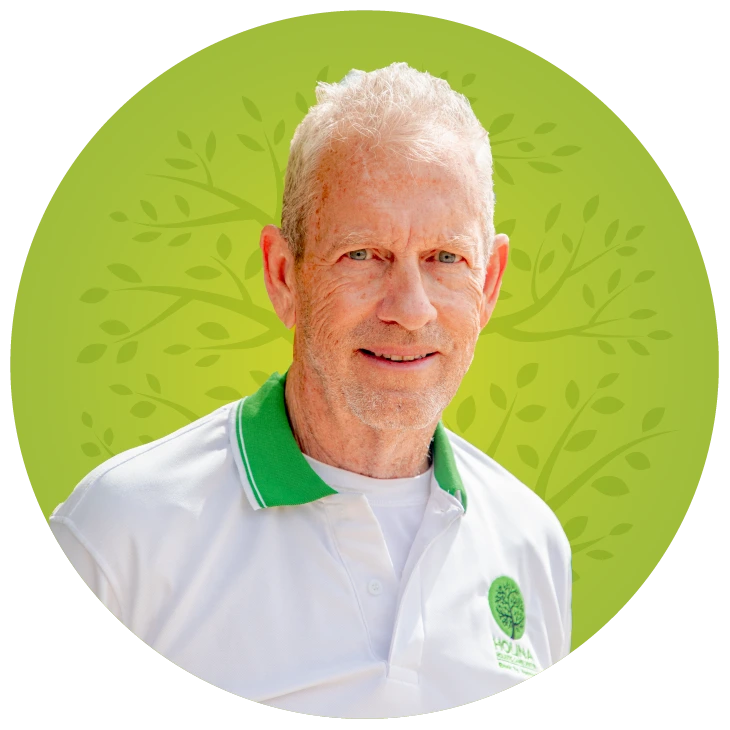
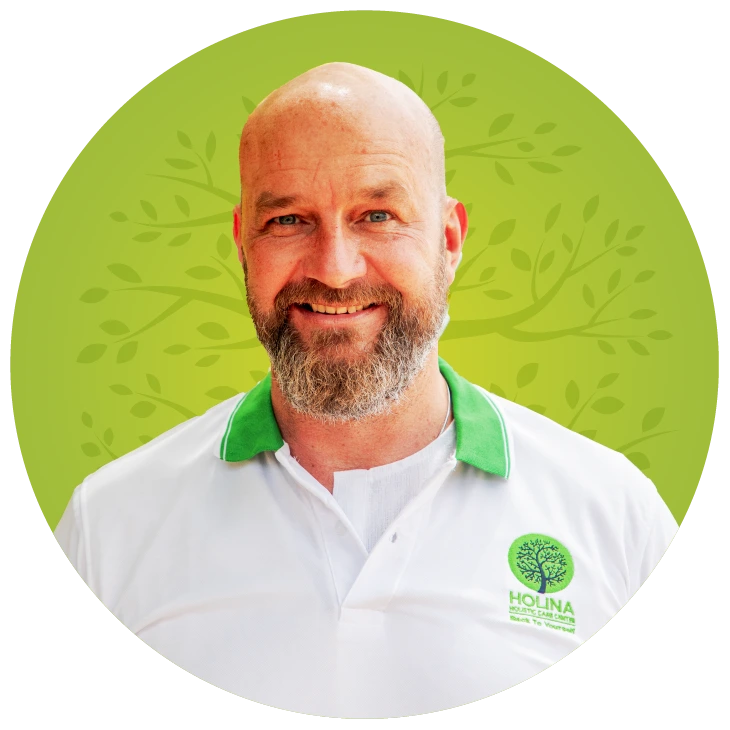
Trauma and addiction treatment at Holina Rehab is led by qualified medical professionals, trauma specialists, and experienced addiction therapists working from one coordinated Dual Treatment plan.


Licensed by the Thai Ministry of Public Health · Residential Rehab Licence #84-03-00294 · International Addiction Treatment Standards
“I have continued my 12 step recovery journey and worked through trauma at Holina. This is a world class treatment centre, the team are incredibly caring and professional, experts in their field.”
— Angela, Recovery.com Review, 20 Mar 2026 · ★★★★★
PTSD and Complex-PTSD Treatment: Frequently Asked Questions
What is the difference between PTSD and Complex-PTSD?
PTSD develops after a single life-threatening event, such as an accident, assault, or natural disaster. Complex-PTSD results from repeated or prolonged trauma — such as ongoing abuse or neglect, often in childhood — and typically also involves difficulty regulating emotions, a harshly negative self-concept, and trouble maintaining relationships.
Why do PTSD and Complex-PTSD so often occur alongside addiction?
Substances are frequently used to numb intrusive memories, quiet hyperarousal, or escape the emotional dysregulation that trauma produces. Over time this self-medication pattern can deepen into a substance use disorder that exists alongside, and is tangled with, the underlying trauma — which is why treating the addiction without treating the trauma often fails to hold.
What therapies does Holina Rehab use to treat PTSD and Complex-PTSD?
Evidence-based trauma therapies including EMDR (Eye Movement Desensitization and Reprocessing), Trauma-Focused CBT, standard CBT, and Somatic Therapy, combined with nervous-system regulation support such as yoga, breathwork, and mindfulness.
Is trauma treatment separate from addiction treatment at Holina Rehab?
No. PTSD, Complex-PTSD, and substance use disorder are addressed together through our Dual Treatment programme, with one clinical team and one treatment plan covering both the addiction and the trauma underneath it.
Can my family be involved in PTSD and addiction treatment?
Yes. Family involvement supports lasting recovery from both trauma and addiction. See our family addiction support for how families can take part.
Does insurance cover treatment for PTSD and co-occurring addiction?
Holina Rehab is a private-pay facility and does not bill insurance directly. Residents can use our financing options to fund treatment. Coverage depends on your provider and policy. See rehab insurance and financing or how much rehab costs in Thailand, and contact our team to check your specific cover.
Ready to Begin Treating the Trauma and the Addiction Together?
Our admissions team responds the same day — seven days a week, in full confidence.
+66 (0) 82 113 0657 or contact us online ↓