
Emotional Dysregulation Treatment in Thailand
Emotional dysregulation often drives the cycle of addictive coping and relapse. This page explains how Holina Rehab treats emotional dysregulation within our Dual Treatment programme — using Dialectical Behavior Therapy (DBT) skills for distress tolerance, emotion regulation, and mindfulness — alongside our licensed residential care on Koh Phangan, Thailand.
- Licensed Facility
- DBT-Based Skills Training
- Koh Phangan, Thailand
- 30–90 Day Programmes
How Does Holina Rehab Treat Emotional Dysregulation?
Emotional dysregulation — difficulty managing intense emotional responses such as anger, shame, anxiety, or overwhelm — frequently underlies the substance use and compulsive behaviour we treat at Holina Rehab. When someone cannot tolerate distress or regulate a strong emotion, using a substance often becomes the fastest available way to feel relief. That short-term relief is exactly what keeps the addiction cycle running.
Rather than treating emotional dysregulation as a stand-alone condition, we address it as part of the same programme that treats the addiction itself — through psychological support, counselling, and structured skills training grounded in Dialectical Behavior Therapy (DBT). This is delivered inside our Dual Treatment programme, so the emotional drivers of use and the addiction are worked on together, not in separate tracks.
If you want to understand the different patterns emotional dysregulation can take before reading about treatment, see our companion guide: The 5 Types of Emotional Dysregulation.
A 2024 review in Translational Psychiatry identifies emotional dysregulation as a critical driver of relapse to drug use, with negative emotional states in withdrawal reinforcing repeated use (Nature, 2024). Dialectical Behavior Therapy, developed by Dr. Marsha Linehan, produced significantly greater reductions in drug use than standard treatment in a randomised trial of patients with severe emotional dysregulation and substance dependence (Linehan et al., 1999, The American Journal on Addictions). Holina’s Dual Treatment programme builds DBT skills training directly into residential addiction care.

What DBT Skills Are Used to Treat Emotional Dysregulation?
Dialectical Behavior Therapy organises treatment around four skill areas. At Holina, these are taught in individual sessions, group work, and daily structure — not as abstract theory, but as tools clients practise while in residential care.
Mindfulness
Learning to observe emotions and urges as they arise, without immediately acting on them — the foundation skill for every other DBT module.
Distress Tolerance
Concrete techniques for getting through intense emotional pain or cravings without turning to a substance or compulsive behaviour.
Emotion Regulation
Identifying and naming emotions accurately, reducing emotional vulnerability, and changing unwanted emotional responses over time.
Interpersonal Effectiveness
Communicating needs, setting boundaries, and navigating relationships without the emotional escalation that often precedes relapse.
What Does Emotional Dysregulation Treatment Look Like, Step by Step?
Treatment follows the same four-stage residential pathway as the rest of our programme — assessment, stabilisation, primary care, and aftercare — with DBT skills training woven through every stage as part of our Dual Treatment programme.
Assessment
Clinical evaluation identifies emotional triggers, dysregulation patterns, and how they connect to substance use or compulsive behaviour.
Stabilisation
Where medical detox is needed, it is managed safely first, alongside early distress-tolerance skills to reduce acute emotional overwhelm.
DBT Skills & Primary Care
Individual counselling, DBT skills groups, and daily practice build regulation and interpersonal skills alongside core addiction treatment.
Aftercare
A relapse-prevention plan built around each client’s specific emotional triggers, with continuing care referrals and alumni support.

Skills-Based. Individually Tailored.
-
Individual DBT-Informed Counselling
One-to-one sessions with our psychological team to apply distress tolerance and emotion regulation skills to each client’s specific triggers.
-
Dual Treatment — Addiction & Emotional Health Together
Emotional dysregulation, anxiety, depression, and trauma are addressed alongside the addiction itself, within one integrated treatment plan.
-
Somatic & Holistic Support
Breathwork, mindfulness practice, and body-based therapies complement DBT skills work, supporting nervous-system regulation in a calm setting.
A Different Kind of Recovery

Emotional Health Treated Inside Addiction Care
We do not run a separate psychiatric track for emotional dysregulation. It is treated as part of the same clinical plan as the addiction, through psychological support and counselling delivered by our on-site team.
This means no referrals, no waiting for a second provider, and no gap between the emotional work and the addiction work — both are held inside one Dual Treatment programme, under continuous clinical oversight.

Practising Skills in a Regulated Environment
Learning distress tolerance and emotion regulation skills is easier in an environment that is not already triggering dysregulation. Koh Phangan’s tropical, low-stimulation setting gives clients the space to practise new skills before returning home.
Private beach access, swimming pools, and daily structure support the nervous-system regulation that DBT skills work depends on.
Our Clinical Team
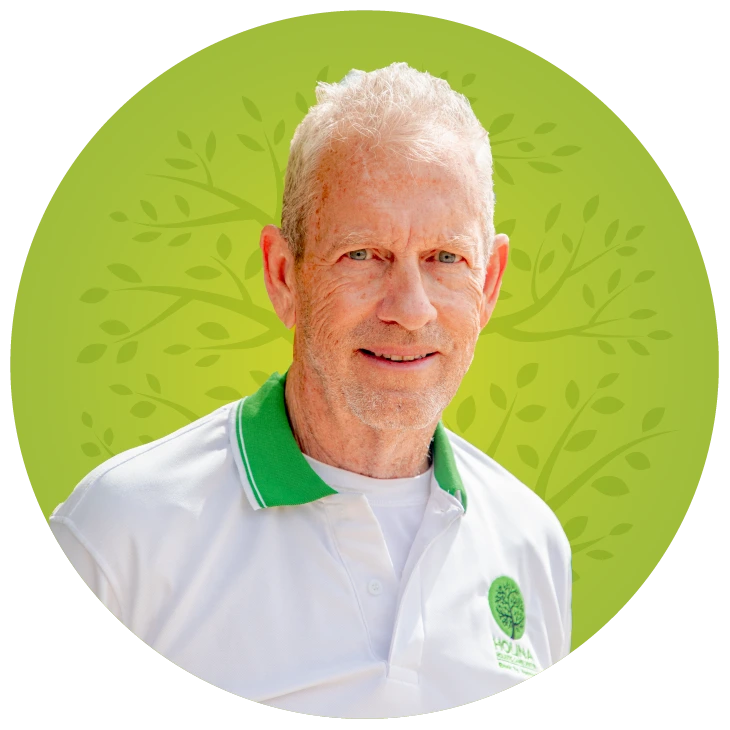
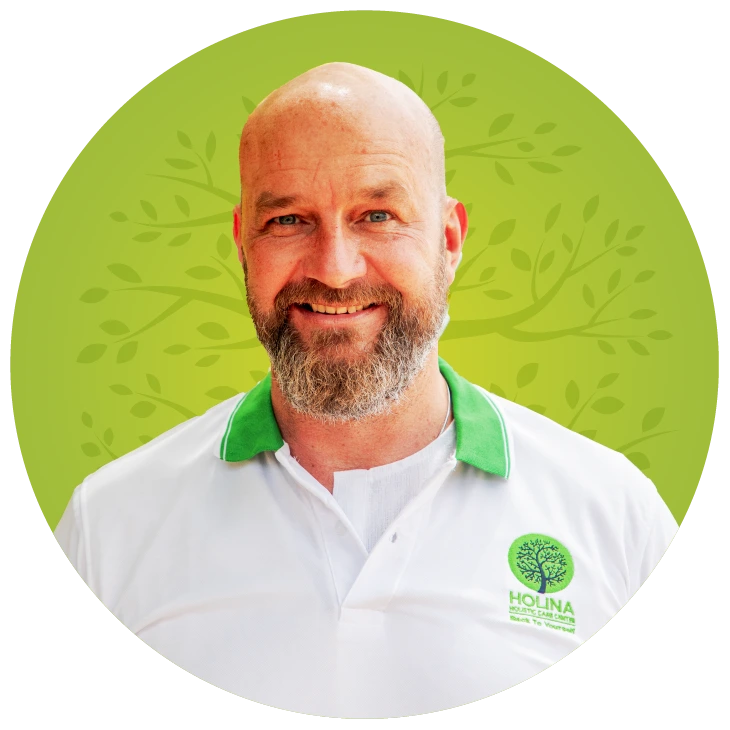
Treatment at Holina Rehab is led by qualified medical professionals and experienced addiction therapists. Every client is under active clinical supervision throughout their programme.


Licensed by the Thai Ministry of Public Health · Residential Rehab Licence #84-03-00294 · International Addiction Treatment Standards
“Luxurious surroundings, the very best A+ care, and a varied and interesting programme. Cannot recommend highly enough.”
— Nish, Recovery.com Review, 17 April 2025 · ★★★★★
Emotional Dysregulation Treatment: Frequently Asked Questions
What is emotional dysregulation, and how does it relate to addiction?
Emotional dysregulation is difficulty managing the intensity or expression of emotions such as anger, shame, or anxiety. In addiction, it often works as a relapse driver — substance use becomes a fast way to escape an emotion that feels unmanageable. For a fuller breakdown of the different patterns this can take, see our guide: The 5 Types of Emotional Dysregulation.
How is emotional dysregulation treated at Holina Rehab?
It is treated within our Dual Treatment programme, using Dialectical Behavior Therapy (DBT) skills training — mindfulness, distress tolerance, emotion regulation, and interpersonal effectiveness — alongside individual counselling and group work, integrated with your core addiction treatment plan.
What is DBT, and why is it used for addiction recovery?
Dialectical Behavior Therapy (DBT) is an evidence-based therapy developed by Dr. Marsha Linehan that teaches practical skills for tolerating distress and regulating emotion without resorting to substance use or compulsive behaviour. Research has linked DBT to significantly reduced drug use compared with standard treatment in patients with severe emotional dysregulation and substance dependence.
Do I need a psychiatric diagnosis to receive this treatment?
No. Emotional dysregulation support at Holina is delivered as psychological support and counselling within your addiction treatment plan — it is not a stand-alone psychiatric service and does not require a separate psychiatric diagnosis to begin.
How long does emotional dysregulation treatment take?
DBT skills work is built into our 30, 60, and 90-day residential programmes. Longer stays generally allow more repetition and practice of skills, which is set during your initial assessment based on your history and current needs.
What happens after treatment — how is relapse prevented?
Before discharge, we build a personalised relapse-prevention plan that names your specific emotional triggers and the DBT skills you will use to manage them, together with continuing care referrals and alumni community support.
Ready to Begin Your Recovery?
Our admissions team responds the same day — seven days a week, in full confidence.
+66 (0) 82 113 0657 or contact us online ↓