
Basic Principles for Addressing Trauma in Addiction Treatment
Holina Rehab addresses trauma as a core clinical principle of addiction treatment, not a separate retreat service. Because trauma so often underlies and sustains substance use, our licensed residential programme applies trauma-informed care — safety, trust, choice, collaboration and empowerment — directly inside Dual Treatment, addressing the addiction and the trauma beneath it together.
- Licensed Facility
- Trauma-Informed Care
- Koh Phangan, Thailand
- 30–90 Day Programmes
What Is Trauma, and Why Does It Matter in Addiction Recovery?
Trauma can occur after experiencing a distressing or life-threatening event. This may include physical, emotional, or psychological harm caused by abuse, accidents, loss, violence, or significant life changes. Its impact is far-reaching, affecting mental, emotional, and physical health, and it is closely linked to conditions including PTSD, depression, anxiety, and substance use.
For many clients arriving at Holina Rehab, substance use developed, at least in part, as a way of coping with unresolved trauma. Treating the addiction without addressing what is underneath it leaves the conditions for relapse in place — which is why addressing trauma is a basic, non-negotiable principle of how we treat addiction, not a separate track.
This is the foundation of Holina’s Dual Treatment programme for addiction and co-occurring trauma: the addiction and the trauma beneath it are assessed and treated together, by the same clinical team, from day one.
Research published in the European Journal of Psychotraumatology found that trauma exposure is reported by the large majority of people entering treatment for substance use disorders, and that between 20% and 50% of people in addiction treatment meet lifetime criteria for PTSD (Van den Brink, 2015). Holina’s approach follows the trauma-informed care framework set out by the U.S. Substance Abuse and Behavioural Health Services Administration (SAMHSA), built on six principles: safety; trustworthiness and transparency; peer support; collaboration and mutuality; empowerment, voice and choice; and awareness of cultural, historical and gender issues (SAMHSA, 2014).
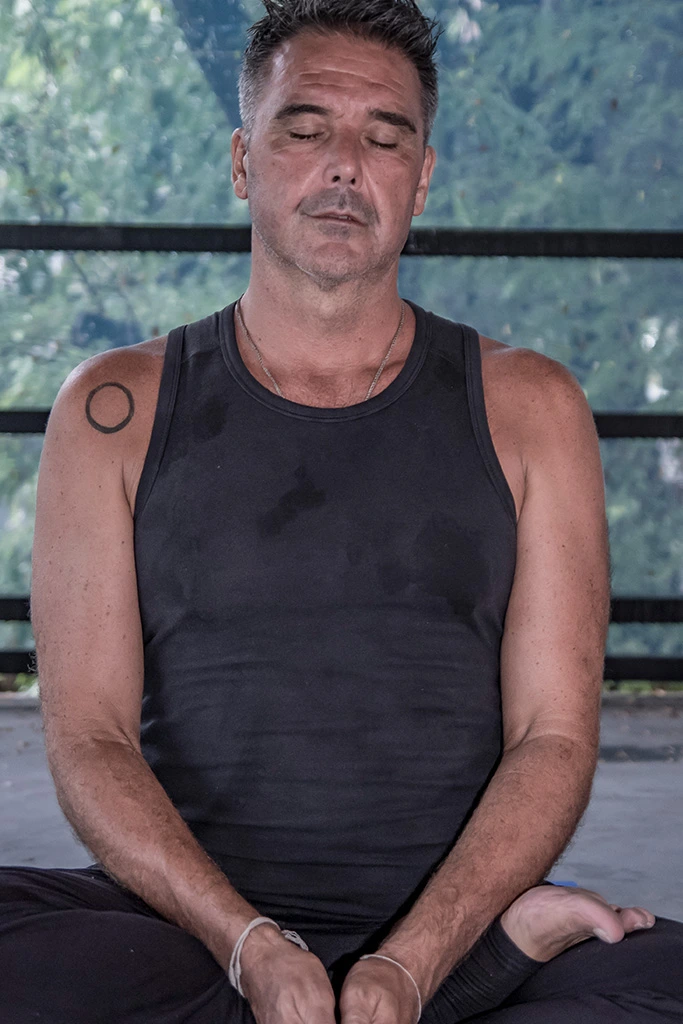
Holina Rehab — Koh Phangan, Thailand
Learn about our Dual Treatment programme for addiction and trauma →
What Basic Principles Guide How Holina Rehab Addresses Trauma?
Effective trauma care follows established clinical standards. These six principles, drawn from SAMHSA’s trauma-informed care framework, guide every element of how trauma is addressed within Holina’s addiction treatment programme.
Safety
Every client feels physically and emotionally safe throughout treatment — a precondition for any trauma work to begin.
Trustworthiness & Transparency
Consistent, honest, and clear communication from the clinical team builds the trust trauma recovery depends on.
Peer Support
Group therapy and shared experience with others in recovery reduce the isolation that trauma and addiction both reinforce.
Collaboration & Mutuality
Treatment plans are built together with clients, not delivered to them, honouring their pace and their needs.
Empowerment, Voice & Choice
Clients retain autonomy and a voice in the decisions that shape their own healing and recovery process.
Cultural Awareness
Care accounts for each client’s cultural, historical, and personal context rather than applying a single template.
How Does Holina Rehab Treat Trauma Within Addiction Treatment?
Addressing trauma at Holina Rehab follows a structured four-step clinical pathway, delivered as part of our Dual Treatment programme for addiction and co-occurring trauma.
Recognising the Trauma
Understanding and acknowledging trauma linked to past experiences or present triggers, alongside the substance use it may be driving.
Creating a Safe Environment
A secure, supportive, trauma-informed space where clients feel heard and respected from the start.
Processing the Trauma
CBT, EMDR, Somatic Therapy, and Trauma-Focused CBT help clients process and release traumatic memories and emotions.
Rebuilding Regulation & Coping
Mindfulness and breathwork build emotional regulation and new coping skills to replace substance use as a response to triggers.
Core Elements of Trauma Therapy at Holina Rehab
-
Individual & Group Psychotherapy
Both individual and group sessions allow clients to process trauma and emotion in a supportive environment alongside peers in recovery.
-
Somatic Therapy
Addresses the body’s stored response to trauma, releasing tension through movement, breathwork, and touch.
-
Trauma-Focused CBT, Inside Dual Treatment
Identifies and changes harmful thought patterns rooted in trauma, delivered alongside addiction-focused therapy so both are treated at once, not in sequence.
A Trauma-Informed Approach to Addiction Recovery

Licensed Medical Facility
Holina Rehab is licensed by the Thai Ministry of Public Health and operates under trauma-informed, international addiction treatment standards. Our clinical director, trauma therapist, and addiction counsellors work as one team.
Trauma therapy and addiction treatment happen together, under the same roof, delivered by the same clinical team — no referrals, no gaps in care.

A Setting That Supports Trauma-Focused Work
Trauma recovery requires distance from daily triggers and a calm, structured environment. Koh Phangan provides that separation from everyday life and stressors.
It is the clinical programme, not the island, that does the work of addressing trauma and addiction together — the setting simply removes obstacles to that work.
Our Clinical Team
Treatment at Holina Rehab is led by qualified medical professionals and experienced addiction therapists. Every client is under active clinical supervision throughout their programme.

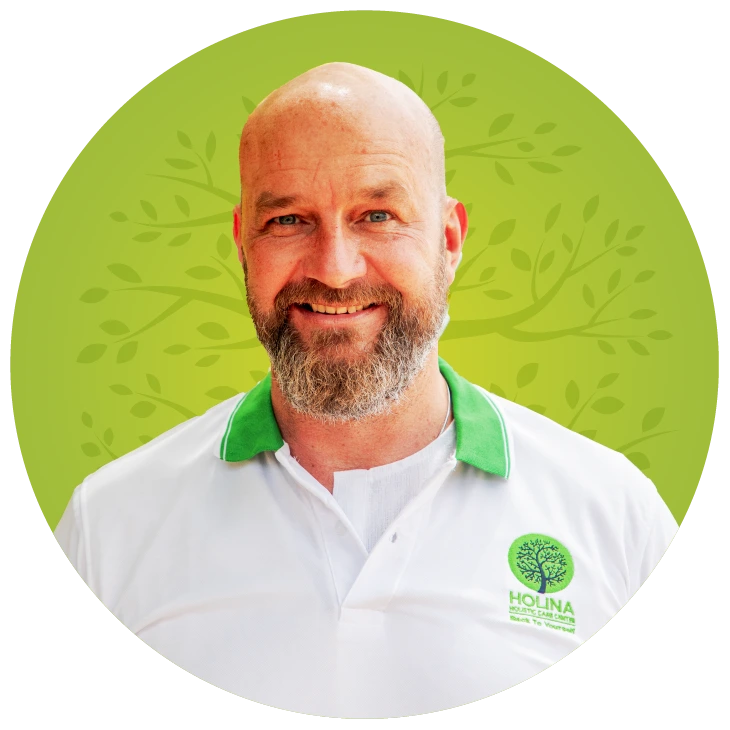

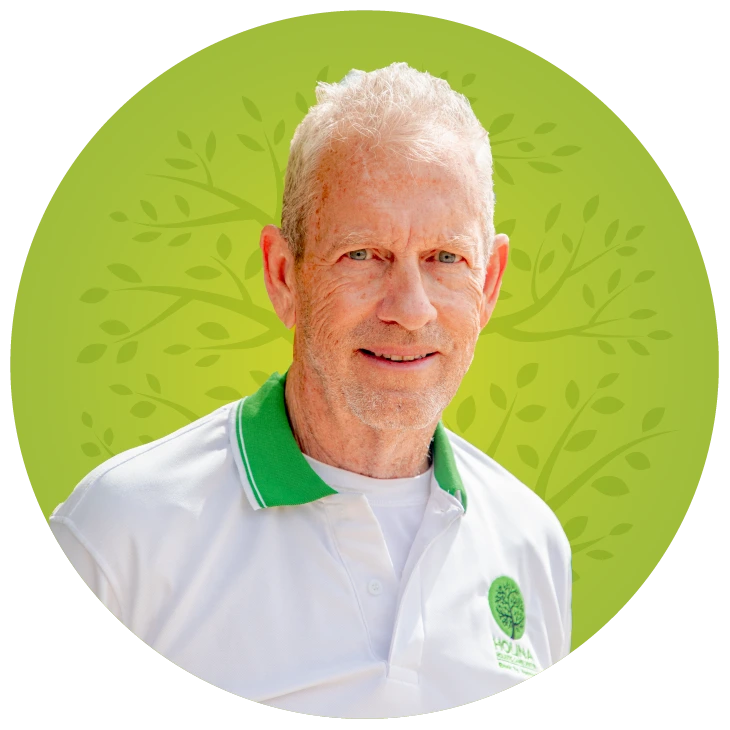
Licensed by the Thai Ministry of Public Health · Residential Rehab Licence #84-03-00294 · International Addiction Treatment Standards
“The experience was amazing, I decided to enroll my self and do the work to find my self again.”
— Leeshai Miller, Google Review, 28 Jun 2026 · ★★★★★
Addressing Trauma in Addiction Treatment: Frequently Asked Questions
What is trauma, and how does it relate to addiction?
Trauma results from a distressing or life-threatening event — physical, emotional, or psychological harm caused by abuse, accidents, loss, violence, or major life changes. Its effects are far-reaching and are closely linked to PTSD, depression, anxiety, and substance use, which is why trauma is treated as a core part of addiction care at Holina Rehab, not a separate issue.
What basic principles does Holina Rehab apply when addressing trauma?
We follow SAMHSA’s trauma-informed care framework: safety, trustworthiness and transparency, peer support, collaboration and mutuality, empowerment and choice, and awareness of cultural and personal context. These principles shape every stage of treatment, from assessment through aftercare.
How does Holina Rehab process trauma clinically?
Through evidence-based therapies including Cognitive Behavioural Therapy (CBT), EMDR, Somatic Therapy, and Trauma-Focused CBT, supported by mindfulness and breathwork to help clients regulate the intense emotions trauma can produce.
Why are trauma and addiction treated together instead of separately?
Trauma frequently underlies and sustains substance use. Treating the addiction alone, without addressing the trauma beneath it, leaves the conditions for relapse in place. Our Dual Treatment programme addresses both at the same time, with one clinical team and one plan.
What is trauma-informed care, and does Holina Rehab follow it?
Trauma-informed care is a clinical framework, defined by SAMHSA, that ensures treatment recognises the impact of trauma and avoids re-traumatising clients. Holina Rehab applies its six core principles across every programme, including addiction treatment.
Does treating trauma replace or delay addiction treatment?
No. Trauma therapy runs alongside addiction treatment from day one as part of Dual Treatment, not before or after it. Assessment identifies the trauma and any co-occurring conditions, and both are addressed within the same residential programme.
Ready to Begin Your Recovery?
Our admissions team responds the same day — seven days a week, in full confidence.
+66 (0) 82 113 0657 or contact us online ↓