chicky run descargar cialis super active fotune mouse apk fortune rabbit demo Tigrinho lexapro fortune rabbit app lexapro cialis augmentin online canadian pharmacy cialis cialis from canada prednisone cialis online cialis cialis online cialis for sale canadian pharmacy augmentin prednisone online lexapro clomid Prednisone

What Is Somatic Therapy and How Does It Heal Trauma?

Avatar photo Ian Young
27 Dec, 2025
05 min read

When the Body Speaks What Words Cannot

So much of recovery is about learning to listen again — not just to thoughts or emotions, but to the quiet messages of the body.
For many who have experienced trauma or addiction, the body became a battlefield long ago. Tight muscles, restless energy, or numbness weren’t random symptoms — they were survival strategies.

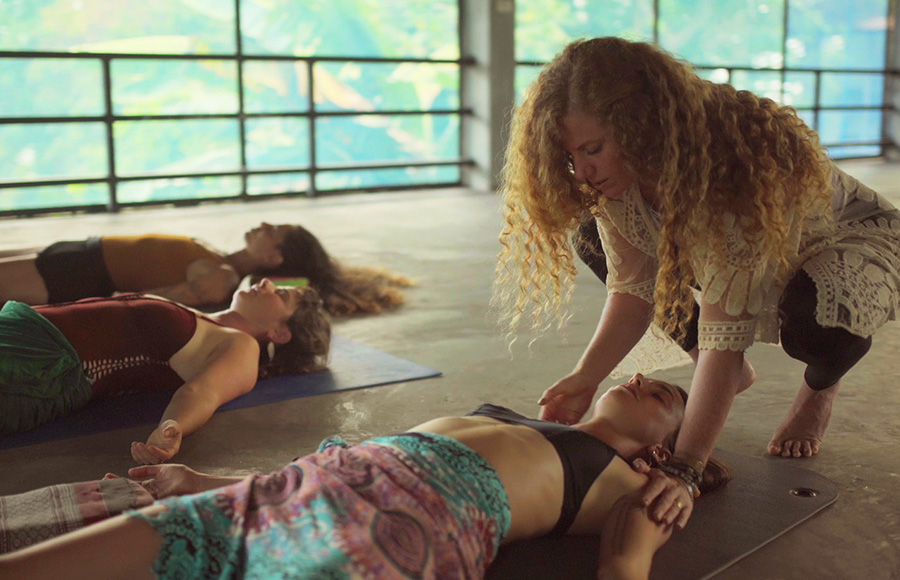
At Holina Rehab Thailand, somatic therapy helps clients reconnect to their bodies in safety and awareness.
It’s not about reliving pain, but releasing it — gently, through breath, movement, and presence.
Because trauma doesn’t only live in the mind. It lives in the body. And the body remembers everything.

Understanding the Somatic Approach

The word somatic comes from the Greek soma, meaning “living body.”
Somatic therapy works with the idea that the body, mind, and emotions are not separate — they form one integrated system. When something overwhelms us, that energy can become “stuck” in the nervous system if it’s never fully processed.

Over time, this stored energy manifests as:

  • Anxiety, panic, or hypervigilance

  • Chronic tension or pain

  • Disconnection from emotions or body sensations

  • Emotional outbursts or dissociation

  • Exhaustion, burnout, or numbness

Somatic therapy helps release these patterns safely, not by talking about them, but by feeling them — in small, manageable doses, guided by a trained practitioner.

It teaches the body that it’s safe again.
And when the body finally feels safe, healing naturally follows.

How Trauma Becomes Embodied

When a traumatic event occurs, the body instinctively activates the fight, flight, freeze, or fawn response.
If escape isn’t possible, the energy of that reaction gets “frozen” in the body — muscles tense, breath stops, heart rate spikes.

Even long after the event has passed, the body can remain locked in that survival state.
You might feel constantly on edge, easily startled, or disconnected from your physical sensations.
These are not signs of weakness — they are signs of an intelligent body doing its best to protect you.

Somatic therapy helps the body complete those unfinished survival responses. Through guided awareness, grounding, and movement, clients learn to gently discharge that trapped energy and restore balance to the nervous system.

The Nervous System and Trauma

The nervous system is at the heart of all trauma work.
It governs how we react to stress, how we regulate emotions, and how we feel safe in the world.

In trauma, the sympathetic nervous system (fight or flight) becomes overactive, while the parasympathetic system (rest and repair) shuts down.
This imbalance keeps the body in a constant state of vigilance — unable to rest, digest, or connect.

Somatic therapy restores communication between these two systems.
It teaches the body to oscillate naturally between activation and relaxation — what therapists call “pendulation.”
Through this gentle rhythm, the body relearns safety and regulation.

Somatic Therapy at Holina Rehab Thailand

At Holina, somatic therapy is an integral part of both our trauma recovery and addiction treatment programs.
Our approach combines clinical expertise with compassionate, experiential healing — helping clients access what traditional talk therapy alone often cannot.

Each session is guided by a trauma-informed somatic practitioner and customized to the client’s comfort level.

Holina’s somatic modalities include:

  1. Somatic Experiencing (SE) — tracking bodily sensations to release tension gradually

  2. Breathwork Therapy — using conscious breathing to calm or energize the nervous system

  3. Body Scanning and Grounding — bringing awareness to sensations safely and without judgment

  4. Trauma-Informed Yoga and Movement — helping reconnect body and emotion through gentle motion

  5. Water-Based Somatic Therapy (Aqua Tuning) — unique to Holina, using buoyancy and flow to unlock deep relaxation

Each technique helps the body communicate what words can’t — transforming old patterns of fear into newfound peace.

Addiction, Trauma, and the Body

Addiction is often the body’s way of coping with unresolved trauma.
Substances and behaviors can temporarily mute sensations that feel overwhelming — pain, shame, or grief. But the relief is short-lived, and the underlying tension remains.

At Holina, somatic therapy gently reverses this pattern.
Instead of running from the body, clients learn to come back to it.
Through breath, movement, and awareness, they begin to understand sensations not as threats, but as information — messages from the body asking for release.

This shift is profound.
When people learn to feel safely, they no longer need to escape to survive.

The Healing Process: Step by Step

Somatic therapy follows a sequence that prioritizes safety and slow, embodied awareness.

1. Grounding and Orientation

The session begins with helping clients feel safe in the present moment — often by noticing contact points (feet on the floor, breath in the chest, sounds in the room).
This establishes safety before exploring anything deeper.

2. Tracking Sensations

Clients are guided to observe sensations like warmth, tingling, or pressure without judgment. The focus isn’t on the story of the trauma, but on how it feels in the body.

3. Pendulation and Titration

Therapists help clients move gently between activation (feeling tension) and settling (feeling calm).
This back-and-forth rhythm releases stored energy in small, manageable amounts — preventing overwhelm.

4. Completion

As energy is discharged, the body naturally releases tension through sighs, tears, shaking, or deep relaxation.
These are signs of healing, not distress — the body is completing what it couldn’t before.

5. Integration

Clients rest in a state of calm awareness, allowing new patterns of safety and regulation to take root.

Through these stages, the nervous system begins to rewire itself.
Clients start noticing peace where there was once tension, clarity where there was once confusion.

The Mind-Body Connection in Recovery

Holina’s somatic therapy doesn’t replace psychotherapy — it enhances it.
While talk therapy helps clients make sense of experiences cognitively, somatic therapy helps them feel those experiences somatically. Together, they complete the healing circuit.

For example, a client may intellectually understand that they are “safe now,” but their body still reacts as if danger is present. Somatic work brings that understanding into the body — transforming intellectual awareness into lived experience.

As one therapist often says:

“Healing doesn’t happen when we think differently. It happens when the body believes it’s safe.”

Healing Through Water: Aqua Somatic Therapy

Unique to Holina Rehab Thailand is our Aqua Somatic Therapy — a gentle water-based approach that combines somatic principles with the healing power of warm water.

In a shallow, temperature-controlled pool, clients are supported by trained therapists who guide them through rhythmic movement and breath synchronization.
The sensation of floating mimics the feeling of safety and surrender — allowing deep nervous system relaxation.

Many clients describe this experience as “rebirth” — an emotional release that feels both physical and spiritual.
Water holds memory and flow, and in that softness, the body finally lets go.

Why Somatic Therapy Works

Somatic therapy works because it aligns with how the body naturally heals.
Unlike cognitive methods that rely on logic, somatic work speaks the language of the nervous system — sensation, movement, and rhythm.

Scientific research supports this approach. Studies show that somatic and body-based therapies:

  • Reduce symptoms of PTSD, anxiety, and depression

  • Lower physiological stress markers (like heart rate and cortisol)

  • Improve emotion regulation and self-awareness

  • Increase overall well-being and resilience

For clients in addiction recovery, these effects are life-changing.
Somatic therapy not only helps process trauma but also strengthens the body’s natural ability to manage stress — one of the most important factors in relapse prevention.

A Typical Session at Holina

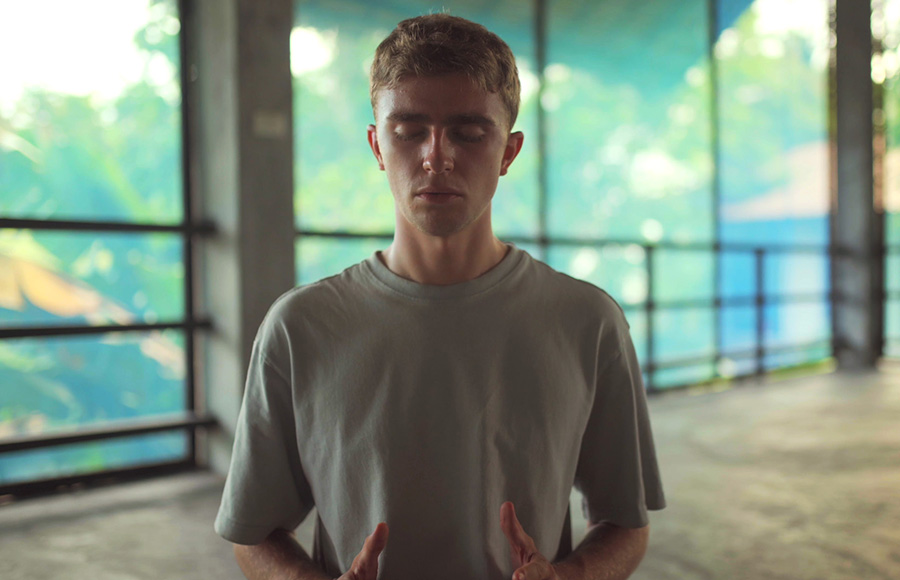
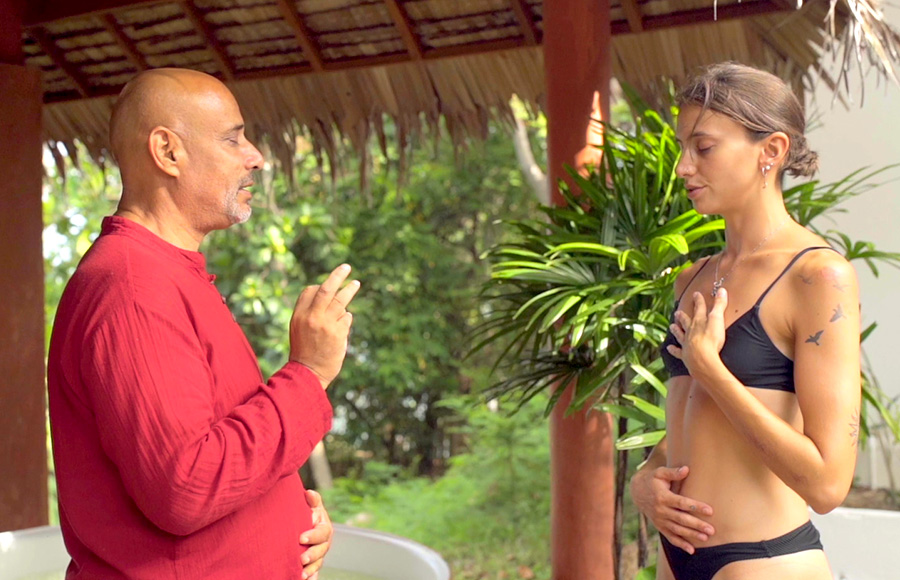
A somatic therapy session might begin in stillness. The therapist invites the client to take a deep breath and notice sensations without judgment.
From there, gentle guidance follows — noticing areas of tension, exploring small movements, or practicing grounding through the feet or breath.

In some sessions, music or touch may be used to support awareness. In others, movement happens spontaneously as the body releases.
Each session ends with integration — a few minutes of stillness to let the nervous system absorb the shift.

Clients often describe feeling lighter, calmer, or “more in myself” after sessions.
Over time, these sensations become their new normal.

Somatic Therapy and Spiritual Healing

Though somatic therapy is grounded in neuroscience, it often leads to profoundly spiritual experiences.
When the body releases what it has held for years, clients frequently report feelings of freedom, gratitude, or connection to something greater than themselves.

This isn’t mystical — it’s the natural outcome of returning to presence.
When you inhabit your body fully, you reconnect to life itself.

For many, this embodied awakening becomes a turning point in their recovery — a moment where healing shifts from concept to lived reality.

Real Voices from Holina

“For years, I thought I’d talked about my trauma enough. But my body still didn’t feel safe. Somatic therapy helped me finally exhale.”
— Holina client, Australia

“During water therapy, I felt something release — years of tension just left my body. It was like forgiveness without words.”
— Holina graduate, UK

These stories remind us that the body holds both pain and wisdom — and when it’s allowed to speak, it knows exactly how to heal.

FAQs About Somatic Therapy

Q1: Do I need to talk about my trauma during somatic therapy?
Not necessarily. The focus is on body awareness and sensation, not on reliving events.

Q2: Is somatic therapy safe for everyone?
Yes. Sessions are always trauma-informed, guided, and paced to ensure comfort and safety.

Q3: How often will I have somatic sessions at Holina?
Somatic work is integrated weekly alongside psychotherapy, mindfulness, and creative therapies.

Q4: What’s the difference between somatic therapy and massage?
Massage focuses on muscles. Somatic therapy focuses on the nervous system and emotional release through awareness.

Q5: Can somatic therapy help with anxiety or PTSD?
Absolutely. It’s one of the most effective approaches for trauma-related conditions and emotional regulation.

Conclusion: The Body Knows the Way

Healing doesn’t happen only through words — it happens through presence.
Somatic therapy is a reminder that your body is not your enemy; it’s your greatest ally.

At Holina Rehab Thailand, this approach reconnects clients with their innate capacity for safety, calm, and connection.
When the body finally releases what it’s been holding, life starts to flow again — naturally, peacefully, and freely.

Begin your healing journey with Holina today.
Get back to yourself — body, mind, and spirit.

About Me

Avatar photo

Ian Young

Ian Young is the Global Manager at Holina Care Centres in Koh Phangan, Thailand. Ian oversees the rehabilitation programs that blend the 12 Step model, Psychology, Counselling, Coaching, Somatic and many other therapeutic engagements, alongside various evidence-based therapies with holistic healing practices. Holina Rehab treats addictions, trauma, anxiety, depression, and other emotional challenges, offering comprehensive care in a serene resort environment. Ian, a charismatic speaker and author of “It’s Not About Me” leveraging his own recovery journey from addiction to inspire and guide others toward a fulfilling, addiction-free life.

Tags

Newsletter

Have a Question?