
Clinically reviewed by Dr. Natalie Lindemann — Clinical Director · Last reviewed 7 July 2026
The Problem With One-Size-Fits-All Rehab
Most rehab programmes were designed with a “standard client” in mind — someone neurotypical, able to follow rigid schedules, and comfortable in group-heavy environments. But for neurodivergent clients, including those with autism, ADHD, dyslexia, or sensory processing differences, these traditional models often fall short.
At Holina Rehab Thailand, we’ve seen that when rehab fails to adapt, neurodivergent clients can be left misunderstood, retraumatised, or disengaged. That’s why we’ve built a neurodivergence-affirming, trauma-informed model designed to truly support healing.
Why Standard Rehab Fails Neurodivergent Clients
1. Rigid Schedules and Structures
Strict timetables can overwhelm clients with ADHD or autistic individuals who need more flexibility.
2. Sensory-Overloading Environments
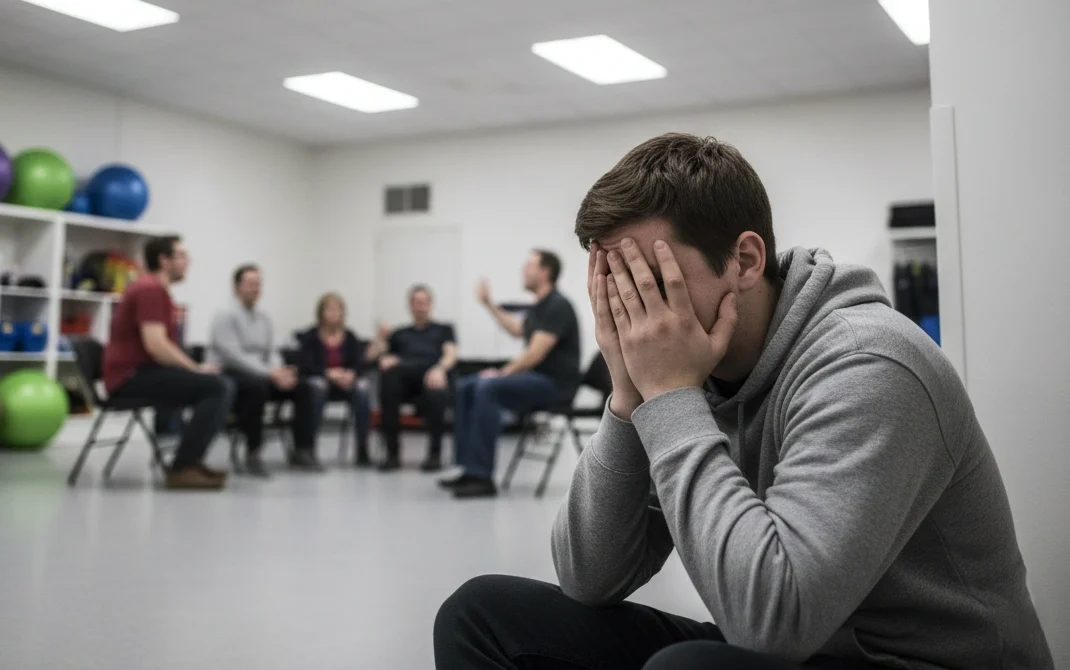
Bright lights, loud group sessions, or crowded spaces can trigger anxiety or shutdowns.
3. One-Size-Fits-All Therapy
Programmes designed only for verbal, neurotypical processing can exclude those who benefit from visual or non-verbal approaches.
4. Lack of Staff Training
Without neurodiversity awareness, staff may misinterpret behaviours as resistance or non-compliance.
5. Ignoring Trauma
Many neurodivergent clients carry high levels of trauma; autistic adults, for example, appear to experience higher rates of PTSD than non-autistic adults (Rumball et al., 2020). Standard models that don’t address this risk retraumatisation and relapse.

How to Fix Rehab for Neurodivergent Clients
1. Person-Centred Programmes
Treatment plans should be flexible, individualised, and designed around the client’s strengths and challenges — an approach at the heart of trauma-informed care (SAMHSA TIP 57).
2. Sensory-Friendly Environments
Spaces with calming colours, quiet zones, and natural surroundings reduce overwhelm and support regulation.
3. Flexible Communication Tools
Visual aids, written supports, and flexible pacing help clients engage in ways that suit them.
4. Specialist Staff Training
Staff should be trained to recognise masking, burnout, and regulation needs, creating trust and understanding.
5. Trauma-Informed Therapy
Recovery must go beyond detox, addressing root causes with EMDR, somatic therapies, and compassionate psychotherapy. This matters because neurodivergent people face a substantially raised risk of substance use-related problems (Butwicka et al., 2017).
How Holina Rehab Adapts
At Holina Rehab Thailand, we’ve built these principles into the programme:
- Our resort environment is sensory-friendly and calm.
- Therapies are adapted for neurodiverse processing.
- Our team is trained in inclusive, trauma-informed practices.
- Holistic therapies — including water-based treatments, yoga, art therapy, and mindfulness — provide safe and flexible outlets for healing.

“Another important factor in my decision-making was that Holina staff have lived experience which I found to be imperative in selecting the right place for my healing journey.”
— Kimberly, Google Review, 15 Mar 2025 · ★★★★★
The Benefits of Fixing Rehab for Neurodivergent Clients
- Better engagement: clients stay involved in treatment.
- Reduced relapse risk: trauma and sensory needs are addressed.
- Higher completion rates: flexible, supportive programmes help keep clients on track.
- Raising the standard: Holina contributes to more inclusive practice in rehab.
FAQs About Standard vs. Inclusive Rehab
Why do traditional rehabs fail neurodivergent clients?
Because they often use rigid, one-size-fits-all models that don’t adapt to sensory, emotional, or communication needs.
What’s the alternative?
Inclusive, trauma-informed, person-centred rehab programmes that adapt to each client.
How does Holina adapt rehab for neurodivergence?
Through sensory-friendly spaces, flexible schedules, staff training, and holistic therapies.
Does inclusive rehab cost more?
No. Holina offers all-inclusive programmes without hidden fees, covering therapy, accommodation, and holistic care.
Can inclusive rehab help neurotypical clients too?
Yes. Adaptable, compassionate programmes can improve outcomes for all clients.
Conclusion: Building a Better Model of Rehab
Standard rehab models leave too many neurodivergent clients behind. At Holina Rehab Thailand, we’ve built a different path — one that values difference, supports trauma healing, and creates space for every client to recover with dignity.
Ready to begin? Contact Holina Rehab to start your healing journey. Phone: +66 82 113 0657 · Email: info@holinarehab.com
Ready to Start Your Recovery Journey?
Our clinical team is available to answer your questions and help you find the right programme for your needs.
Speak with Our Team →