Understanding Dual Diagnosis: When Mental Health and Addiction Intersect
05 min read
Two Battles, One Heart
Addiction rarely walks alone.
Behind every substance use disorder, there is often another layer of pain — depression, anxiety, trauma, or bipolar disorder silently shaping how a person copes.
When these conditions overlap, the journey toward healing can feel overwhelming.
This is called dual diagnosis, or co-occurring disorders — when addiction and mental health challenges exist side by side, influencing and intensifying each other.
At Holina Rehab Thailand, we see dual diagnosis not as a complication, but as an invitation — a chance to heal the full human story, not just the symptom.
Because lasting recovery requires more than stopping the substance — it requires understanding the why beneath it.
What Is Dual Diagnosis?
Dual diagnosis refers to the coexistence of a substance use disorder (SUD) and at least one mental health condition.
This can include:
Depression and alcohol dependence
Anxiety and stimulant addiction
PTSD and opioid use
Bipolar disorder and substance misuse
Personality disorders with behavioral addiction
It’s a complex relationship — one condition often fuels the other.
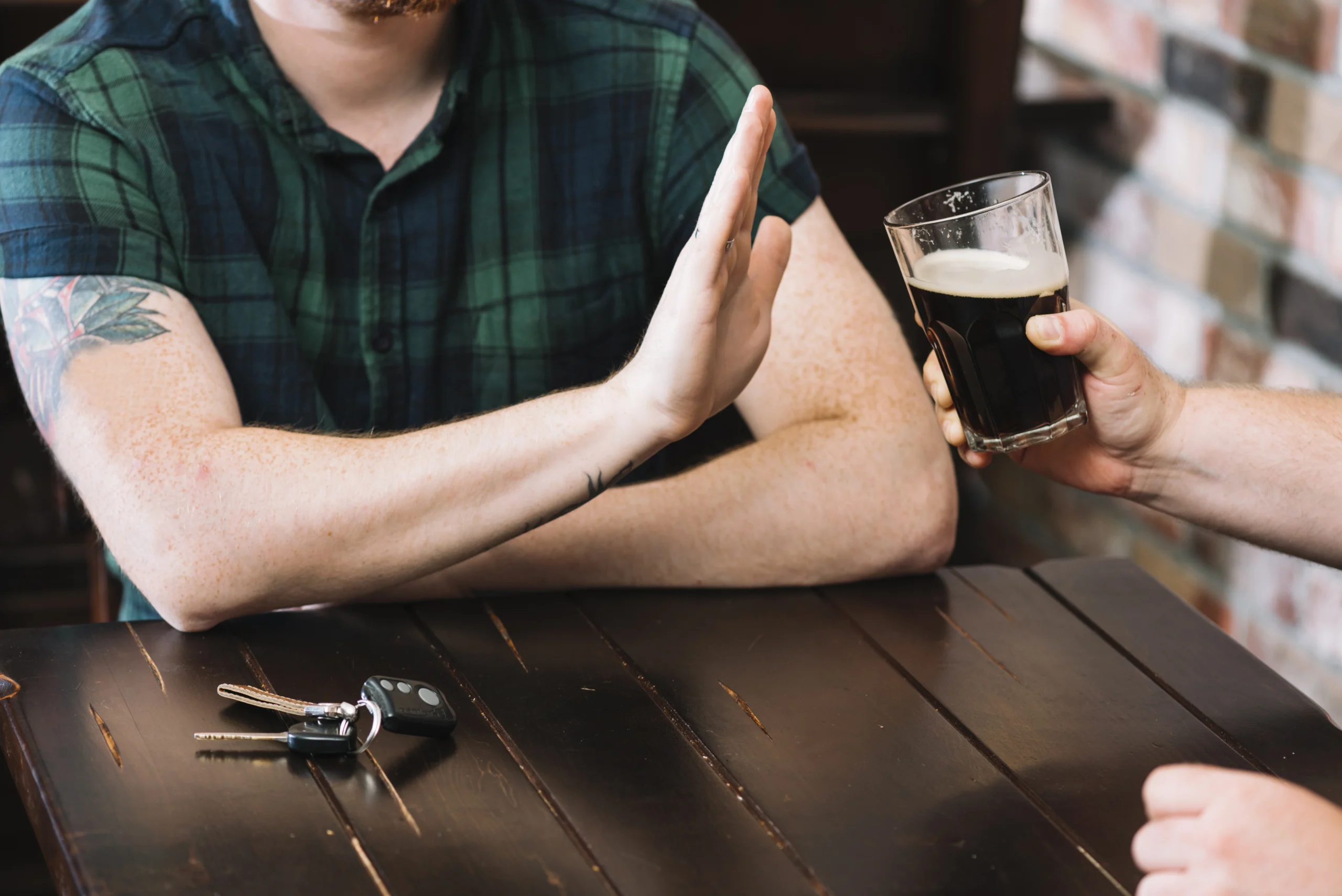
For example, someone might drink to calm anxiety, only to find that alcohol worsens anxiety in the long run.
Or depression may deepen as substances disrupt the brain’s natural chemistry.
At Holina, our approach begins by disentangling this web — helping clients see how both struggles interact, and how both can be healed together.
How Mental Health and Addiction Interconnect
Addiction and mental health conditions share a deep, biological and emotional link.
They affect the same brain regions — particularly those that regulate mood, motivation, and stress.
Here’s how they often intertwine:
Self-medication: Using substances to numb anxiety, sadness, or trauma.
Chemical imbalance: Substance use changes neurotransmitter levels, worsening underlying mental illness.
Genetic predisposition: Family history can increase vulnerability to both.
Environmental stress: Trauma, isolation, or chronic stress can trigger both conditions simultaneously.
Without integrated care, these cycles reinforce each other — leading to relapse, hopelessness, or treatment fatigue.
That’s why Holina treats both as one condition — because they are two expressions of the same imbalance.
The Signs of Dual Diagnosis
Recognizing dual diagnosis isn’t always easy.
Symptoms of addiction can mask mental health struggles — and vice versa.
But there are patterns that often reveal when both are present:
Persistent sadness, fear, or irritability
Sleep or appetite disruption unrelated to detox
Intense guilt or hopelessness
Social withdrawal and loss of interest in once-loved activities
Using substances to cope with emotions
Difficulty functioning even when sober
At Holina, our multidisciplinary team carefully assesses each client through clinical evaluations, compassionate dialogue, and behavioral observation.
We don’t label — we listen.
And in that listening, the real story of suffering — and hope — begins to emerge.
The Holina Approach: Integrated, Not Isolated
Traditional treatment models often separate addiction and mental health care.
But at Holina Rehab Thailand, we know they are inseparable.
Our integrated dual diagnosis program brings together licensed clinicians, psychiatrists, trauma specialists, and holistic therapists — all working as one team to create a unified plan of care.
This plan addresses:
The Mind — through therapy, psychoeducation, and emotional regulation.
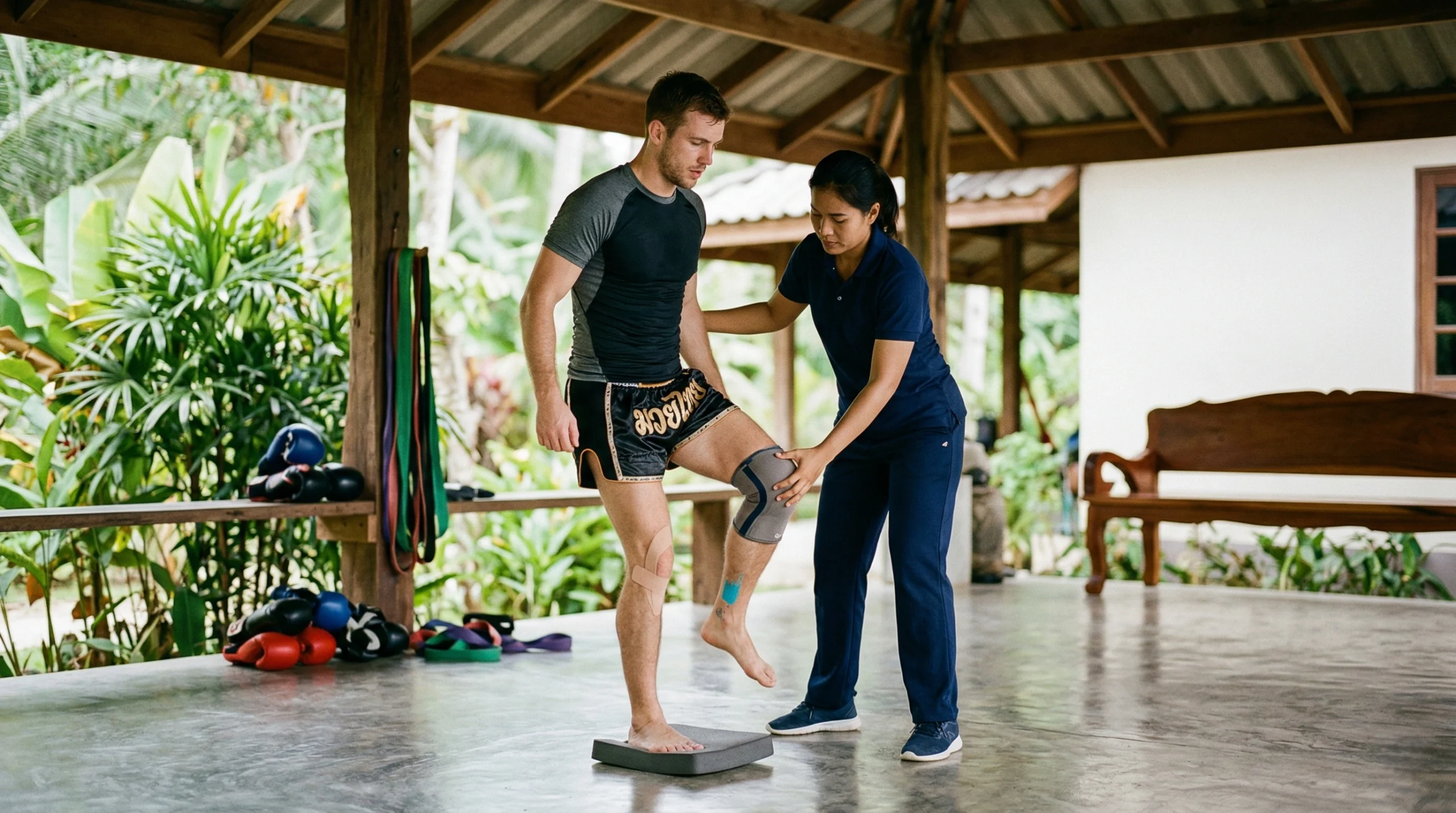
The Body — through nutrition, sleep, and somatic restoration.
The Spirit — through mindfulness, nature connection, and purpose work.
We don’t treat disorders in isolation; we treat the whole human system — because everything is connected.
Therapeutic Interventions for Dual Diagnosis
Our treatment approach draws on evidence-based psychology and holistic wisdom. Each client’s path is unique, but the foundation includes:
1. Trauma-Informed Psychotherapy
Many dual diagnosis clients have experienced trauma. We ensure safety and pacing before processing deep memories.
Therapists guide clients gently toward understanding, not re-living, their pain.
2. Cognitive Behavioral Therapy (CBT)
CBT helps clients identify distorted thought patterns that fuel both addiction and anxiety or depression.
By changing these thoughts, they begin to change behavior and emotional state.
3. Dialectical Behavioral Therapy (DBT)
DBT teaches mindfulness, emotional regulation, and distress tolerance — tools vital for those whose emotions feel overwhelming.
4. Psychiatric Care (when needed)
Our clinical team may provide medication-assisted support when appropriate — always combined with therapy and holistic methods to minimize dependency.
5. Somatic and Body-Based Therapies
Trauma and emotional pain live in the body.
Yoga, breathwork, and movement therapies help release stored tension and restore regulation.
6. Mindfulness and Meditation
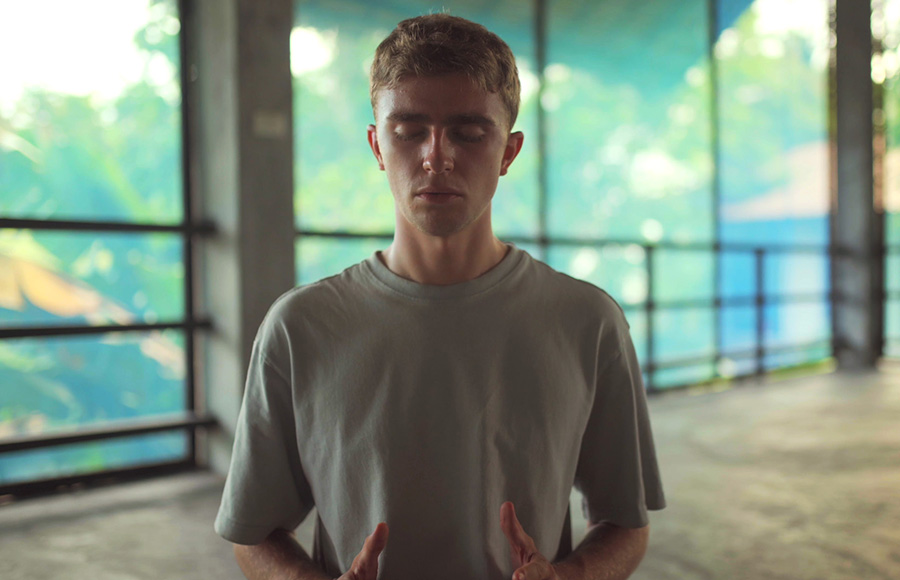
Mindfulness teaches clients to witness thoughts without judgment — breaking cycles of anxiety and self-criticism.
7. Creative and Experiential Therapies
Art, sound, and movement allow emotional expression beyond words, helping integrate healing into lived experience.
This integrative model bridges modern psychology and ancient wisdom — creating recovery that feels both scientific and soulful.
Healing the Root Causes
Dual diagnosis often has deeper roots — trauma, attachment wounds, or long-term stress.
Healing requires going beyond symptoms to explore those roots safely.
Through therapy and reflection, clients begin to understand:
What pain the substance was soothing
What emotions were avoided
What parts of self were silenced
As insight grows, shame dissolves.
Addiction transforms from a story of failure into one of adaptation — and ultimately, resilience.
“My addiction wasn’t my weakness. It was my body’s way of asking for help.”
— Holina graduate, UK
This compassionate reframing allows true recovery to begin.
Balancing the Brain: The Biological Side of Healing
When addiction and mental illness coexist, the brain’s natural chemistry is disrupted.
At Holina, we help rebalance these systems through nutrition, rest, and targeted therapies.
Key supports include:
Nutritional therapy — replenishing neurotransmitter precursors like B vitamins, magnesium, and amino acids.
Sleep restoration — re-establishing circadian rhythms critical for mood stability.
Exercise and movement — increasing endorphins and natural dopamine.
Meditation and breathwork — calming the amygdala and improving emotional control.
This combination helps stabilize clients naturally, often reducing the need for long-term medication dependency.
The Emotional Journey of Dual Diagnosis Recovery
Healing dual diagnosis is not linear.
It requires patience, compassion, and courage to face both inner and outer challenges.
Clients often experience:
Grief for lost time or relationships
Fear of who they are without substances
Hope as they rediscover identity and purpose
At Holina, we hold space for every emotion — without judgment.
We remind clients that progress isn’t measured by perfection, but by presence.
Each small step toward self-awareness is a victory.
Community: Healing Through Shared Understanding
One of the most powerful aspects of dual diagnosis treatment at Holina is the sense of belonging.
In group therapy, clients meet others who’ve walked similar paths — those who’ve battled both mental illness and addiction.
Hearing “me too” dissolves isolation.
It replaces shame with solidarity.
Together, clients learn that they are not broken — they are human beings learning to heal differently.
The Holina community becomes a microcosm of healthy connection — teaching empathy, accountability, and love in real time.
Spiritual Healing: Reconnecting to Meaning
When both addiction and mental illness take hold, life can feel empty — stripped of meaning.
Spiritual healing helps restore that missing dimension.
At Holina, spirituality is personal — not prescriptive.
Whether through meditation, time in nature, or reflective dialogue, clients reconnect with a sense of belonging to something greater than themselves.
This reconnection provides hope that outlasts crisis — the kind of peace that no substance can offer.
“I came here numb. I left remembering how to feel wonder again.”
— Holina client, Singapore
Relapse Prevention for Dual Diagnosis
Relapse prevention is essential in dual diagnosis care.
At Holina, we help clients design personalized recovery plans that address emotional triggers and mental health vulnerabilities.
Strategies include:
Continuing therapy and psychiatric support post-rehab
Joining peer and alumni groups for accountability
Practicing mindfulness and daily gratitude
Maintaining sleep, nutrition, and stress management routines
Learning early-warning signs of both relapse and mental distress
The focus isn’t fear of relapse — it’s empowerment through awareness.
When clients understand their patterns, they regain control.
Aftercare and Ongoing Support
Recovery continues long after treatment ends.
Holina’s aftercare program includes:
Virtual therapy sessions for continued counseling
Weekly online community groups for connection
Relapse prevention coaching
Mindfulness and meditation classes to maintain emotional regulation
This continuity ensures clients feel supported wherever life takes them.
Because dual diagnosis recovery isn’t about discharge — it’s about integration.
Stories of Integrated Healing
“I spent years being treated for depression and addiction separately. Holina was the first place that understood both. That’s when real healing began.”
— Holina graduate, Australia
“The therapists didn’t see my diagnosis. They saw me. And that made all the difference.”
— Holina alumni, UK
“For the first time, my mind and body are working together instead of against each other.”
— Holina client, Germany
FAQs About Dual Diagnosis Treatment at Holina Rehab
Q1: What makes Holina’s dual diagnosis program different?
Our integrative model treats addiction and mental health as interconnected, not separate — combining therapy, clinical care, and holistic healing.
Q2: Will I receive medication during treatment?
If clinically appropriate, yes — under supervision by licensed psychiatrists, and always combined with non-medical therapies.
Q3: How long should I stay for dual diagnosis treatment?
We recommend at least 28 days for full stabilization and integration, though some clients benefit from extended stays.
Q4: Can I recover from both conditions at once?
Absolutely. Addressing both together actually increases success rates and long-term stability.
Q5: What if I’ve tried other rehabs before?
Many of our clients have. Holina’s unique integration of emotional, physical, and spiritual care helps where conventional methods often fall short.
Conclusion: Healing the Whole Story
Dual diagnosis recovery isn’t just about managing symptoms — it’s about wholeness.
It’s about restoring balance between the mind that thinks, the body that feels, and the spirit that longs for peace.
At Holina Rehab Thailand, we honor every layer of your healing.
Through compassion, clinical expertise, and holistic care, we help you rediscover the harmony that addiction and mental illness once disrupted.
Because you’re not defined by diagnosis.
You’re defined by your capacity to heal — and to begin again.
Begin your healing journey with Holina today.
Get back to yourself — body, mind, and spirit.
About Me
Ian Young
Ian Young is the Global Manager at Holina Care Centres in Koh Phangan, Thailand. Ian oversees the rehabilitation programs that blend the 12 Step model, Psychology, Counselling, Coaching, Somatic and many other therapeutic engagements, alongside various evidence-based therapies with holistic healing practices. Holina Rehab treats addictions, trauma, anxiety, depression, and other emotional challenges, offering comprehensive care in a serene resort environment. Ian, a charismatic speaker and author of “It’s Not About Me” leveraging his own recovery journey from addiction to inspire and guide others toward a fulfilling, addiction-free life.
Recent Blogs
-
27 Dec, 2025
The Role of Nutrition in Addiction Recovery
Tags
Newsletter
Related Blog Post
- Holina Rehab
- 29 Nov, 2025
The Power of Community in Addiction Recovery
- Trauma
- 2 Jul, 2024