
Drug Detox: What to Expect, and How to Prepare
Detox is the first step of addiction recovery, not the whole of it — and it does not look the same for every drug. Alcohol and benzodiazepine withdrawal can be genuinely life-threatening; opioid withdrawal is distressing but rarely fatal on its own; stimulant withdrawal is mostly psychological. This guide explains what medically supervised drug detox involves at Holina Rehab in Koh Phangan, how it differs by substance, and how to prepare — then points you to the detailed detox pathway for your specific drug.
- Licensed Facility
- Medical Detox Available
- Koh Phangan, Thailand
- 30–90 Day Programmes
What Is Drug Detox?
Drug detox is the medically managed process of clearing an addictive substance from the body while safely managing the withdrawal symptoms that appear once it is removed. When someone uses a drug regularly, the brain and body adapt to its presence; detox is the period during which the body re-stabilises without it. Depending on the drug, that can take a few days to a couple of weeks.
The single most important thing to understand is that detox is not the same as treatment. National guidance from the US National Institute on Drug Abuse is explicit: detoxification alone, without ongoing therapy, generally leads to a return to drug use, because it does not address the psychological, social and behavioural drivers of addiction (NIDA, Treatment and Recovery). Detox creates the stable, drug-free foundation; the recovery work happens afterwards.
At Holina Rehab, detox is never offered as a stand-alone service. Medically supervised withdrawal management flows directly into our residential Dual Treatment programme, so the moment your body is stable, the therapeutic work — and treatment of any co-occurring anxiety, depression or trauma — can begin.
NIDA states that medications can help people detoxify from drugs, but “detoxification is not the same as treatment and is not sufficient to help a person recover” — detox alone without follow-on care typically leads to relapse (NIDA, Treatment and Recovery). This is why every detox at Holina connects directly into ongoing residential care.

Not All Drug Withdrawal Is the Same
A safe detox depends on matching the level of medical support to the real risk of the substance. The medical acuity of withdrawal varies enormously between drug classes — treating them all as equally dangerous, or equally harmless, is unsafe.
Alcohol & Benzodiazepines — Can Be Life-Threatening
Withdrawal from alcohol and benzodiazepines (Valium, Xanax, and similar) can cause seizures and delirium tremens and can be fatal if managed abruptly or unsupervised. These withdrawals genuinely require medical supervision and, usually, a gradual medicated taper — never a sudden stop.
Opioids — Distressing, Rarely Fatal Alone
Heroin, fentanyl and prescription painkiller withdrawal is intensely uncomfortable — flu-like aches, nausea, insomnia and cravings — but is rarely life-threatening in itself. The real danger comes afterwards: tolerance falls during detox, so relapse at the old dose is a leading cause of fatal overdose.
Stimulants — Mainly Psychological
Cocaine and methamphetamine do not produce the dangerous physical withdrawal seen with alcohol or benzodiazepines. The “crash” is psychological — deep depression, exhaustion, heavy sleep and cravings — and the main risk is severe low mood and suicidal thinking, which needs close psychological support.
A clinical review of withdrawal syndromes notes that alcohol and benzodiazepine withdrawal can be “life-threatening” with seizure and mortality risk (alcohol delirium tremens carries roughly a 1–5% mortality risk), that the opiate withdrawal response “is usually mild and less severe… not life-threatening,” and that stimulant users experience marked depression and dysphoria but “all vital functions are well preserved” (Withdrawal Syndromes, StatPearls / NCBI Bookshelf). Alcohol delirium tremens is a recognised medical emergency (MedlinePlus).
Find the Detox Pathway for Your Drug
Because withdrawal differs so much by substance, each drug has its own detox protocol, timeline and level of medical support. Follow the pathway that matches your situation for the full clinical detail.
What to Expect During Detox
Detox at Holina Rehab follows a structured residential pathway. Timelines vary by substance, but the shape of the journey is consistent.
Assessment & stabilisation (roughly days 1–3). On arrival you receive a full medical and psychological assessment. This determines your individual detox plan, medication needs and level of monitoring. Symptom management begins immediately, with 24-hour on-site nursing and physician oversight.
Active withdrawal management (roughly days 3–7). This is when acute symptoms peak and ease. For alcohol and benzodiazepines this means a carefully managed medicated taper; for opioids, comfort-focused tapering; for stimulants, rest, nutrition and psychological support through the crash. Hydration, nutrition and holistic therapies support the body throughout.
Transition into treatment (week two onward). As the body stabilises and thinking clears, gentle therapy begins and you move into the residential Dual Treatment programme. Aftercare planning starts here, so recovery continues well beyond the detox phase.
Timelines are typical ranges, not guarantees — your plan is set by clinical assessment and adjusted day to day. Most acute detoxes settle within one to two weeks, though lower-grade effects such as poor sleep and low mood can continue longer and are addressed through the wider programme.
How to Prepare for Detox
Do not stop abruptly on your own first. If you are dependent on alcohol or benzodiazepines, suddenly quitting before you arrive can be dangerous. Speak to our admissions team or a local doctor about staying safe until your medically supervised detox begins.
Complete an honest pre-intake assessment. Telling us exactly what you use, how much and how often — including any other substances — lets us build a safe, accurate detox plan before you land.
Handle the practicalities. Arrange time off work, tell a trusted family member or friend, and organise travel. Holina supports international clients with travel planning and airport pickup on Koh Phangan.
Prepare mentally. Expect the first days to be uncomfortable and temporary. Detox is the hardest physical stretch, and you will be supported through it around the clock.
Our Clinical Team
Treatment at Holina Rehab is led by qualified medical professionals and experienced addiction therapists. Every client is under active clinical supervision throughout detox and beyond.
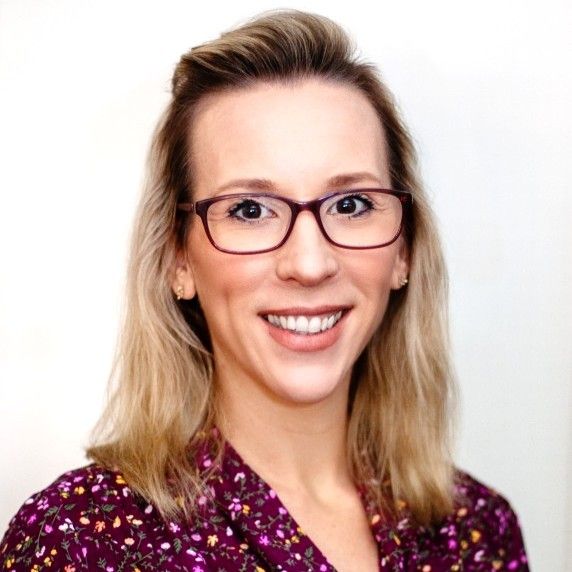

“A safe detox is about matching the level of medical care to the real risk of the drug. Alcohol and benzodiazepine withdrawal can be life-threatening and need a medicated taper; opioid withdrawal is rarely fatal but leaves a dangerous drop in tolerance; stimulant withdrawal is mostly psychological but the depression can be severe. Getting that distinction right, for each person, is the whole point of supervised detox.”
— Dr. Aviva Wolf, Consultant Psychiatrist, Holina Rehab
Draft attribution — pending Dr. Wolf’s final sign-off.
Licensed by the Thai Ministry of Public Health · Residential Rehab Licence #84-03-00294 · International Addiction Treatment Standards
“I want to thank all of the staff at Holina for their care and support during one of the toughest journeys of my life. Through group work, individual counseling with my trauma therapist, and one-on-one sessions with so many talented holistic providers, they helped me heal in ways I never thought possible. My treatment plan and day-to-day at Holina was individualized and tailored to my needs. No canned, one-size-fits-all approach.”
— Kimberly, Google Review, 15 Mar 2025 · ★★★★★
Drug Detox: Frequently Asked Questions
Is drug detox dangerous?
It depends on the substance. Alcohol and benzodiazepine withdrawal can cause seizures and, in severe cases, be fatal — these genuinely require medical supervision. Opioid withdrawal is very uncomfortable but rarely life-threatening on its own, though the drop in tolerance afterwards raises overdose risk if you relapse. Stimulant withdrawal (cocaine, methamphetamine) is mainly psychological, with severe low mood as the main concern. A supervised detox matches the right level of care to your specific drug.
How long does drug detox take?
Detox timelines vary by substance and by individual. Most acute detoxes settle within one to two weeks, with the toughest physical symptoms usually peaking in the first few days. Lower-grade effects such as disturbed sleep, low mood and cravings can continue for weeks and are addressed through the wider residential programme rather than detox alone.
Can I detox from drugs at home?
For alcohol and benzodiazepines, detoxing at home without medical supervision can be dangerous because of the seizure risk. For other drugs it is safer physically, but the discomfort, low mood and cravings make relapse very likely without support. A professional detox provides monitoring, medication where needed, and a direct route into ongoing treatment.
Is detox enough to treat addiction?
No. National guidance is clear that detox alone, without follow-on treatment, typically leads to relapse because it does not address the causes of addiction (NIDA). At Holina, detox flows directly into our residential Dual Treatment programme, which addresses addiction alongside any co-occurring anxiety, depression or trauma.
What is medically supervised drug detox?
It means detoxing under 24-hour clinical care, with a physician and nursing team monitoring your symptoms and using appropriate medication to keep you safe and comfortable. For higher-risk withdrawals such as alcohol and benzodiazepines, this includes a gradual medicated taper rather than an abrupt stop.
Do you detox from more than one drug at a time?
Yes. Many people use more than one substance, and detox is planned around all of them together after an individual assessment. If you are unsure which pathway applies to you, our addiction detox team assesses you on arrival and builds a combined plan.
Does insurance cover drug detox and treatment?
Holina Rehab is a private-pay facility and does not bill insurance directly. Residents can use our financing options, and coverage depends on your provider and policy. See rehab insurance and financing or contact our team to check your specific cover.
Ready to Begin Your Recovery?
Our admissions team responds the same day — seven days a week, in full confidence.
+66 (0) 82 113 0657 or contact us online ↓Ready to Start Your Recovery Journey?
Our clinical team is available to answer your questions and help you find the right programme for your needs.
Speak with Our Team →