
Opiate & Opioid Detox: Breaking the Cycle Without the Suffering
Opioid withdrawal is intensely physically uncomfortable — but the greatest danger isn’t the withdrawal itself, it’s relapsing afterwards with a body that’s lost its tolerance. Holina Rehab in Koh Phangan provides medically supervised opioid detox and tapering, followed by residential Dual Treatment, so detox becomes the start of recovery, not a stand-alone risk.
- Licensed Facility
- Medical Detox Available
- Koh Phangan, Thailand
- 30–90 Day Programmes
What Happens During Opioid Withdrawal?
Opioids — heroin, fentanyl, and prescription painkillers such as oxycodone, tramadol and codeine — bind to opioid receptors in the brain and spine. With regular use the body adapts, reducing its own natural pain relief, so when the drug is removed the nervous system reacts strongly: aching muscles and bones, gastrointestinal distress, insomnia, sweating and chills, and intense cravings, usually beginning within 6 to 48 hours of the last dose depending on the substance.
Unlike alcohol or benzodiazepine withdrawal, opioid withdrawal is rarely life-threatening on its own. The real danger sits on the other side of detox: tolerance drops sharply during even a short period of abstinence, and returning to a previous dose afterwards is a well-documented cause of fatal overdose. This is why medical supervision and a structured next step matter as much as the taper itself.
At Holina Rehab, opioid detox is never treated as a stand-alone service. Medically supervised tapering, evidence-based therapy including CBT, our Dual Treatment programme for co-occurring trauma or chronic pain, and structured aftercare form a single continuum of care designed around the real risks of opioid dependency.
The World Health Organization estimates that around 125,000 people died of opioid overdose in 2019, and specifically names resuming opioid use after a period of abstinence — including after detoxification — as a distinct overdose risk factor, because tolerance has fallen (WHO, Opioid Overdose fact sheet). A UK follow-up study of inpatient opiate detoxification found that fatal overdoses occurred specifically among those who completed detox and later relapsed, not among those who left detox still tolerant (Strang et al., BMJ, 2003). In the United States, an estimated 4.8 million people aged 12 and over (1.7%) had an opioid use disorder in the past year (SAMHSA, 2024 NSDUH), and the UNODC estimates 60 million people used opioids globally in 2021 (UNODC World Drug Report 2023). Holina’s medically supervised detox is built specifically to manage this transition safely into ongoing Dual Treatment care.

Holina Rehab — Koh Phangan, Thailand
Learn about our Heroin & Opioid Addiction Treatment programme →
What Does Opioid Withdrawal Feel Like?
Opioid withdrawal produces a recognisable cluster of physical and psychological symptoms that usually begin within hours of the last dose. Clinicians score these using tools such as the Clinical Opiate Withdrawal Scale (COWS) — none of them mean you have to detox alone.
Muscle & Bone Aches
Deep, restless aching in the muscles, joints and legs, often described as “kicking.”
Gastrointestinal Distress
Nausea, vomiting, diarrhoea and stomach cramping as the body adjusts.
Insomnia & Restlessness
Difficulty sleeping and an inability to settle, particularly in the first days.
Sweating, Chills & Gooseflesh
Alternating hot and cold flashes, goosebumps, and a runny nose or watery eyes.
Intense Cravings
Powerful urges to use that can override judgement, especially as symptoms peak.
Anxiety & Agitation
Heightened nervous system arousal, irritability and low mood.
Rapid Heartbeat & Elevated Blood Pressure
Physiological stress signs that our medical team monitors closely throughout detox.
Dilated Pupils & Tremor
Visible signs used in standardised clinical withdrawal scoring such as COWS.
Post-Acute Withdrawal (PAWS)
Lingering low mood, poor sleep and cravings that can continue for weeks after the acute phase ends.
How Is Opioid Detox Managed at Holina Rehab?
Opioid detox at Holina Rehab follows a four-stage residential pathway — assessment, medically supervised tapering, primary care, and aftercare — because detox on its own does not treat addiction; it only creates the safe foundation for the Dual Treatment programme that follows.
Assessment
Clinical evaluation including a COWS withdrawal-severity score and substance history. Individual tapering plan from day one.
Medical Detox
Doctor-supervised opioid tapering with medication support to manage withdrawal safely and minimise discomfort.
Primary Care
CBT, group therapy, trauma work, holistic treatments and daily structure once you are medically stable.
Aftercare
Relapse and overdose-risk education, continuing care referrals, and alumni community support.
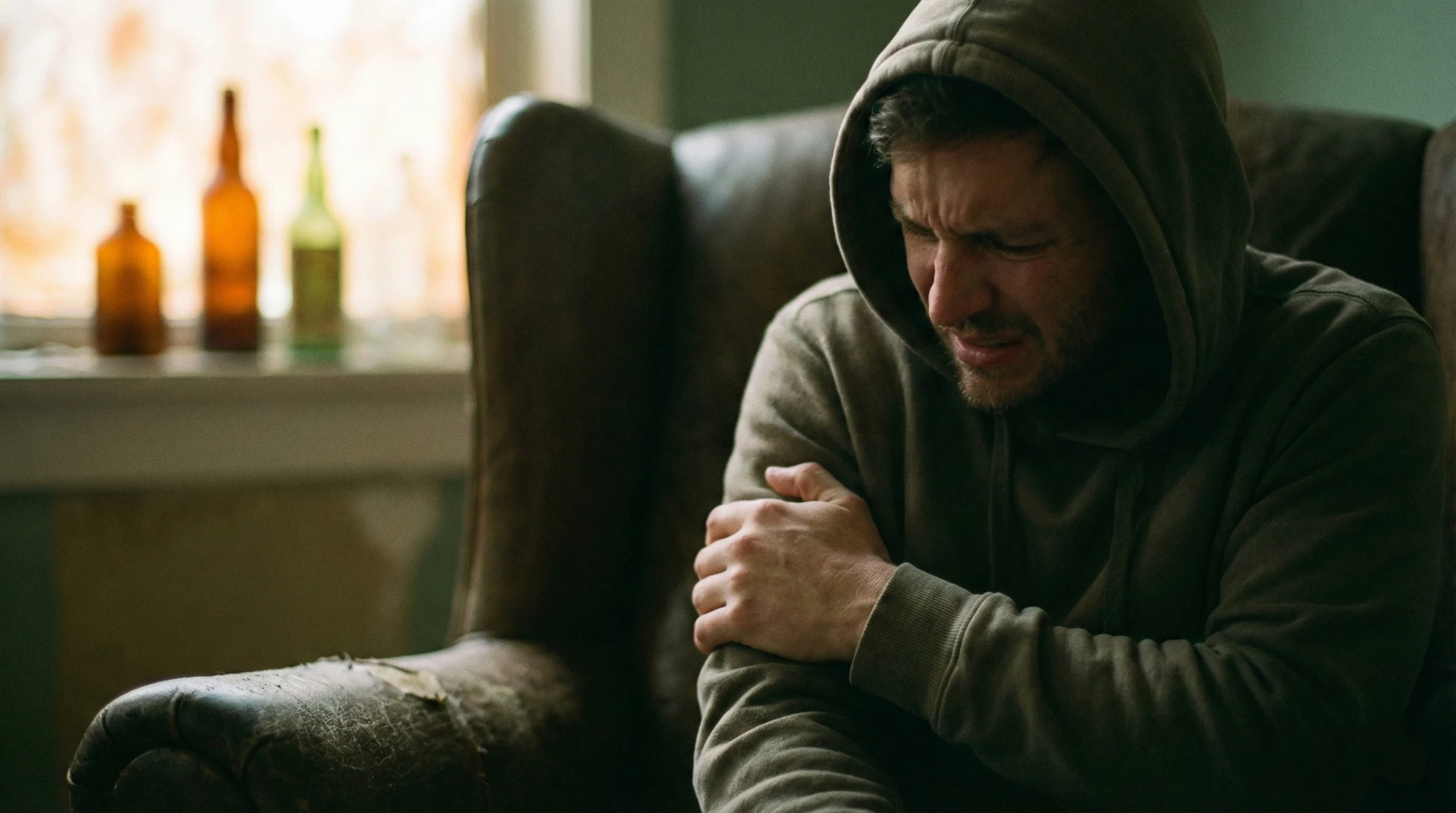
Evidence-Based. Individually Tailored.
-
Medically Supervised Opioid Tapering
Our on-site physician manages withdrawal using a structured tapering protocol guided by COWS scoring, adjusting medication and monitoring vital signs to keep you safe and as comfortable as possible throughout.
-
Dual Treatment for Pain, Trauma and Opioid Dependency
Opioid use is frequently rooted in chronic pain, trauma, or unresolved emotional pain. Our Dual Treatment model addresses the dependency and its underlying drivers together, rather than treating detox as the finish line.
-
Holistic Recovery in Koh Phangan
Aqua tuning, therapeutic massage and the tropical island environment ease the physical discomfort of withdrawal while our clinical team manages the medical side safely.
A Different Kind of Recovery

Licensed Medical Facility
Holina Rehab is fully licensed by the Thai Ministry of Public Health and operates under international addiction treatment standards. Our on-site physician, nursing staff, and experienced addiction therapists provide 24-hour clinical oversight throughout your programme.
Medical detoxification, Dual Treatment for addiction and behavioural health, and evidence-based therapy are delivered within a single integrated residential setting — no referrals, no gaps in care.

The Koh Phangan Recovery Environment
The tropical island setting — sea air, natural surroundings, and distance from daily life — creates conditions for the psychological reset that recovery requires. Koh Phangan is home to one of Asia’s largest healing communities.
Clients benefit from private beach access, swimming pools, on-site gym, a nutritious restaurant, and a range of holistic therapies that complement the clinical programme.
Our Clinical Team
Treatment at Holina Rehab is led by qualified medical professionals and experienced addiction therapists. Every client is under active clinical supervision throughout their programme.


Licensed by the Thai Ministry of Public Health · Residential Rehab Licence #84-03-00294 · International Addiction Treatment Standards
“This place didn’t just focus on stopping the addiction, it focused on healing the whole person. The mind, the body, the emotions, the spirit.”
— oliver beebee, Google Review, 7 Apr 2026 · ★★★★★
Opiate & Opioid Detox: Frequently Asked Questions
Is opioid withdrawal dangerous, and do I need medical detox?
Opioid withdrawal is intensely uncomfortable — flu-like symptoms, muscle and bone pain, gastrointestinal distress, insomnia and severe cravings — but it is rarely life-threatening on its own, unlike alcohol or benzodiazepine withdrawal. The real danger is what happens afterwards: tolerance drops sharply during detox, so if you use the same amount you used before, your body can no longer handle it, and relapse becomes a leading cause of fatal overdose. Our medically supervised detox manages withdrawal safely and removes that risk by connecting you directly into ongoing care.
What is the COWS scale, and how do you decide on my detox plan?
COWS — the Clinical Opiate Withdrawal Scale — is a standardised 11-item tool clinicians use to score the severity of opioid withdrawal, from mild to severe. Our medical team uses COWS alongside your history and vital signs to set your individualised tapering plan and adjust it in real time as your symptoms change, rather than following a fixed one-size-fits-all schedule.
How long does opioid detox take?
Withdrawal from short-acting opioids such as heroin typically begins within 6 to 12 hours of the last dose and peaks around day 2 to 3, while longer-acting opioids can take 12 to 48 hours to start and remain protracted for longer. Acute physical symptoms generally ease within 5 to 10 days under medical support, though lower-grade after-effects such as poor sleep, low mood and cravings can continue for weeks and are addressed through our residential programme, not detox alone.
Is detox by itself enough to treat opioid addiction?
No — and this is one of the most important things to understand about opioid recovery. Detox only clears the drug from your body; it does not address the cravings, trauma, pain, or life circumstances that drove the use in the first place, and finishing detox with no further care is exactly when relapse-related overdose risk is highest. That is why detox at Holina always leads directly into our residential Dual Treatment programme, combining addiction care with treatment for any co-occurring anxiety, depression or trauma.
Can my family be involved in treatment?
Yes. Opioid addiction affects the whole family, and involvement supports lasting recovery. See our family addiction support for how loved ones can take part.
Does insurance cover opioid detox and treatment?
Holina Rehab is a private-pay facility and does not bill insurance directly. Residents can use our financing options to fund treatment, and coverage depends on your provider and policy. See rehab insurance and financing or how much rehab costs in Thailand, and contact our team to check your specific cover.
Ready to Begin Your Recovery?
Our admissions team responds the same day — seven days a week, in full confidence.
+66 (0) 82 113 0657 or contact us online ↓