
Alcohol Detox: Medically Supervised Withdrawal in Thailand
Alcohol is one of the few substances where stopping suddenly can be medically dangerous, with a real risk of seizures or delirium tremens. At Holina Rehab, Koh Phangan, our on-site physician and nursing team provide medically supervised alcohol detox using a benzodiazepine taper protocol — followed by Dual Treatment and residential care, because detox alone does not treat the addiction.
- Licensed Facility
- Medical Detox Available
- Koh Phangan, Thailand
- 30–90 Day Programmes
Why Does Alcohol Withdrawal Need Medical Supervision?
Alcohol is a central nervous system depressant. It boosts the effect of GABA, the brain’s main calming neurotransmitter, and dampens glutamate, which drives alertness and excitability. With sustained heavy drinking, the brain adapts to this constant depressant load by producing less GABA activity and more glutamate activity, just to keep functioning normally.
When drinking stops abruptly, alcohol’s depressant effect disappears, but the brain is still wired for that hyper-compensated state. The result is a central nervous system that is suddenly over-excited — producing tremor, anxiety, a racing heart, and, in a minority of cases, seizures or delirium tremens (DTs), the most severe form of alcohol withdrawal.
This is why Holina treats alcohol detox as a medical procedure, not a test of willpower. Our physician-led protocol is built to intervene before serious symptoms develop, then to carry you directly into the fuller Dual Treatment programme and residential care that lasting recovery from alcohol actually requires — detox stabilises the body, but it does not treat the addiction on its own.
Withdrawal symptoms typically begin within hours of the last drink and peak around 72 hours. Withdrawal seizures, when they occur, usually happen 8–48 hours after cessation; delirium tremens can develop any time up to 3–5 days later. An estimated 3–5% of people with alcohol withdrawal syndrome progress to delirium tremens, and while untreated DTs has historically carried a mortality rate as high as 20%, prompt medical treatment brings that down to roughly 1% (StatPearls / NCBI Bookshelf, 2024).
The scale of alcohol dependence is significant: the WHO estimates 2.6 million deaths per year are attributable to alcohol, with 209 million people living with alcohol dependence worldwide. In the United States, 27.9 million people aged 12 and over (9.7%) had alcohol use disorder in the past year (SAMHSA, 2024 NSDUH). See our full Alcohol Addiction Treatment programme for how detox connects to lasting recovery.
What Does Alcohol Withdrawal Feel Like?
Severity depends on drinking history, overall health, and any previous withdrawal episodes. These are the stages and risk factors our medical team monitors for from the moment you arrive.
Early Symptoms (6–12 Hours)
Tremor, anxiety, sweating, nausea, and a racing heart can begin within hours of the last drink.
Peak Symptoms (24–72 Hours)
Symptoms typically intensify over the first three days — the window of highest risk for serious complications.
Seizure Risk (8–48 Hours)
A minority of people withdrawing from alcohol experience withdrawal seizures, usually within the first two days.
Delirium Tremens (Up to 5 Days)
The most severe form of withdrawal — confusion, agitation, and hallucinations — is a medical emergency requiring continuous monitoring.
Autonomic Instability
Elevated blood pressure, rapid heart rate, and fever reflect a nervous system overcorrecting once alcohol’s depressant effect is removed.
Sleep & Mood Disturbance
Insomnia, irritability, and low mood are common in the first week and can linger into protracted withdrawal.
Higher-Risk Profiles
A long drinking history, previous withdrawal seizures, older age, or other medical conditions all raise the risk of severe withdrawal.
Nutritional Depletion
Heavy drinking depletes thiamine (Vitamin B1), raising the risk of Wernicke’s encephalopathy, a serious and preventable brain complication.
Protracted Withdrawal
Anxiety, sleep problems, and cravings can persist for weeks after acute withdrawal ends — detox is a starting point, not a finish line.
How Does Medically Supervised Alcohol Detox Work at Holina?
Our protocol is physician-led from the moment you arrive, designed to prevent seizures and delirium tremens rather than simply respond to them, and to prepare you for the Dual Treatment programme and residential care that follow.
Assessment
On-site physician evaluates drinking history, health, and withdrawal risk on arrival, establishing your baseline.
Medical Stabilisation
A benzodiazepine-based protocol calms the nervous system and reduces seizure and DTs risk from hour one.
Monitored Taper
Round-the-clock nursing and gradual dose reduction over several days, paced to your withdrawal severity.
Transition to Treatment
As acute withdrawal resolves, you move directly into primary care and Dual Treatment.

Physician-Led. Continuously Monitored.
- Benzodiazepine Cross-Taper
Long-acting benzodiazepines such as diazepam or lorazepam work on the same GABA receptors as alcohol, letting us substitute a controlled, gradually reduced dose for alcohol’s effect rather than withdrawing you abruptly.
- Continuous Clinical Monitoring
Vital signs and standardised withdrawal scoring are checked around the clock during the acute phase, so medication can be adjusted in real time rather than on a fixed schedule.
- Nutritional & Thiamine Support
Heavy drinking commonly depletes thiamine (Vitamin B1). Our medical protocol includes thiamine supplementation to reduce the risk of Wernicke’s encephalopathy, alongside fluids and nutrition to help the body stabilise.
A Different Kind of Detox

Licensed Medical Facility
Holina Rehab is fully licensed by the Thai Ministry of Public Health and operates under international addiction treatment standards. Our on-site physician, nursing staff, and experienced addiction therapists provide 24-hour clinical oversight throughout detox — essential during the acute phase of alcohol withdrawal, when risk is highest.
Medical detoxification, Dual Treatment for addiction and behavioural health, and evidence-based therapy are delivered within a single integrated residential setting — no referrals, no gaps in care between stabilising your body and treating the addiction itself.

A Calm Environment During a Vulnerable Time
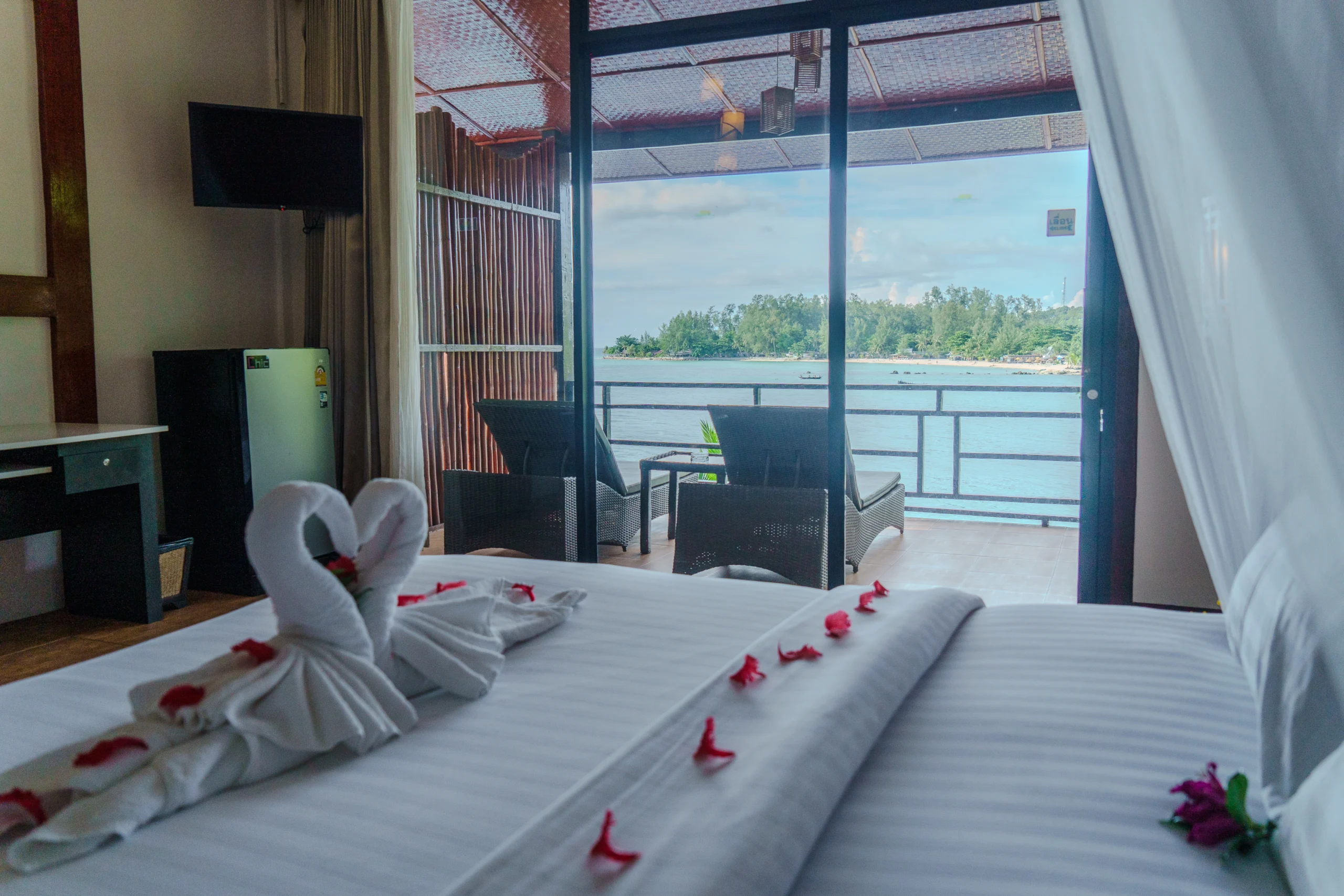
Withdrawal leaves the nervous system raw and overstimulated. The tropical island setting — sea air, natural surroundings, and distance from bars and drinking triggers — supports the physiological calm that early recovery requires. Koh Phangan is home to one of Asia’s largest healing communities.
Clients detox in private accommodation with beach access, swimming pools, and a nutritious restaurant, rather than a clinical ward — while remaining under full medical supervision throughout.
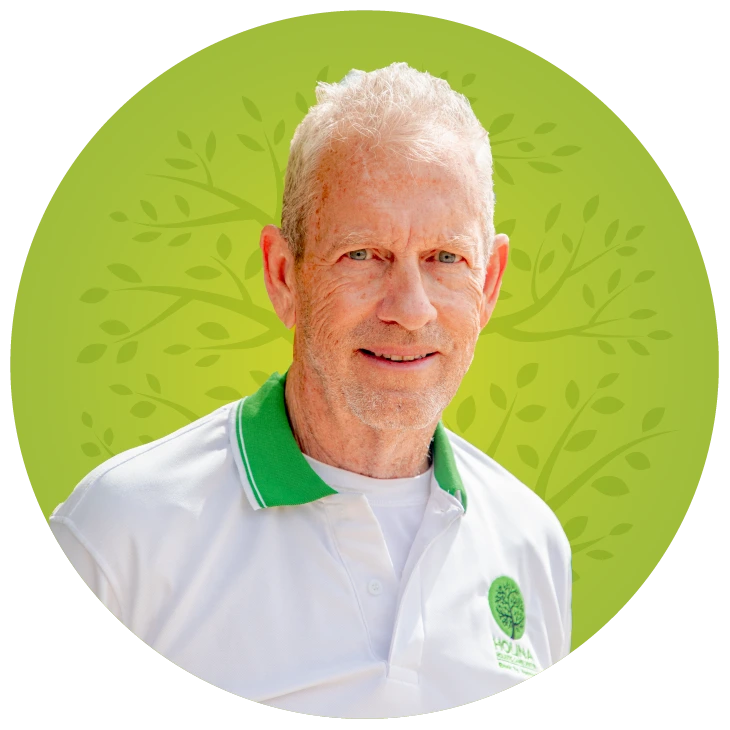
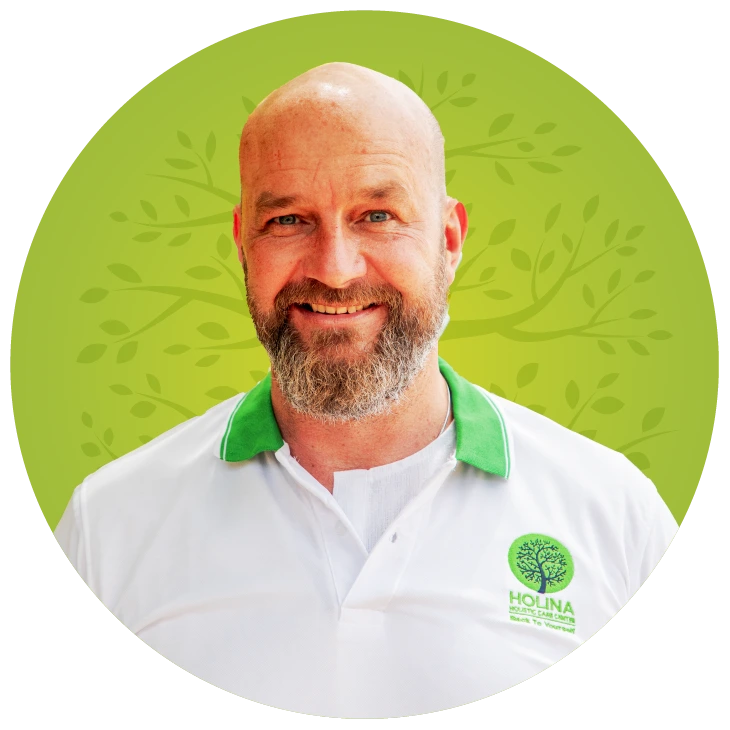
Our Clinical Team
Treatment at Holina Rehab is led by qualified medical professionals and experienced addiction therapists. Every client is under active clinical supervision throughout detox and beyond.


Licensed by the Thai Ministry of Public Health · Residential Rehab Licence #84-03-00294 · International Addiction Treatment Standards
“Since coming to Holina, I have been sober and, miraculously, my obsession with alcohol has been lifted.”
— Rodney B, Recovery.com Review, 25 Mar 2025 · ★★★★★
Alcohol Detox: Frequently Asked Questions
How dangerous is alcohol withdrawal without medical supervision?
Alcohol is one of the few substances where stopping abruptly can be genuinely life-threatening. Symptoms typically begin within hours of the last drink and peak around 72 hours; withdrawal seizures, when they occur, usually happen 8–48 hours after cessation. An estimated 3–5% of people with alcohol withdrawal syndrome progress to delirium tremens (DTs), which historically carried a mortality rate as high as 20% when untreated (StatPearls / NCBI Bookshelf, 2024). You should never attempt to stop heavy drinking “cold turkey” without medical supervision — this is why medically supervised detox is central to our alcohol treatment.
What is delirium tremens (DTs) and when does it happen?
Delirium tremens is the most severe form of alcohol withdrawal — a state of confusion, agitation, hallucinations, and dangerous swings in heart rate and blood pressure. It can develop any time up to 3–5 days after the last drink and is a medical emergency. Continuous monitoring during the first days of detox is how our team catches and manages it safely.
How long does medically supervised alcohol detox take?
Medical detox typically takes 5–10 days, depending on drinking history and withdrawal severity, though this is assessed individually by our physician on arrival. Full residential treatment — addressing the underlying causes of dependency through Dual Treatment — runs 30, 60, or 90 days. See rehab costs in Thailand and insurance and financing options.
What medication is used during alcohol detox at Holina Rehab?
Our physician typically uses a long-acting benzodiazepine, such as diazepam or lorazepam, to cross-taper you off alcohol safely, reducing the dose gradually as your nervous system stabilises. Thiamine (Vitamin B1) is also given to reduce the risk of Wernicke’s encephalopathy, alongside fluids and nutritional support. Vital signs and withdrawal severity are monitored around the clock throughout.
Is detox by itself enough to treat alcohol addiction?
No. Detox safely clears alcohol from your body and manages the physical risk of withdrawal, but it does not address the psychological and behavioural patterns that drive addiction, or any co-occurring anxiety, depression, or trauma. At Holina, detox is always the entry point into our Dual Treatment programme and full residential care — without that next step, the risk of relapse remains high.
Can my family be involved during detox and treatment?
Yes. Alcohol dependence affects the whole household, and family understanding and involvement measurably support lasting recovery. We offer structured family addiction support once the acute detox phase is complete.
Ready to Begin Your Recovery?
Our admissions team responds the same day — seven days a week, in full confidence.
+66 (0) 82 113 0657 or contact us online ↓