chicky run descargar cialis super active fotune mouse apk fortune rabbit demo Tigrinho lexapro fortune rabbit app lexapro cialis augmentin online canadian pharmacy cialis cialis from canada prednisone cialis online lasix cialis online cialis for sale canadian pharmacy augmentin prednisone online lexapro clomid Prednisone

The Ultimate Consumer Guide to Rehab Packages in Thailand

Avatar photo Ian Young
29 Jan, 2026
05 min read

Introduction: Decoding the “All-Inclusive” Recovery Model

When you book a holiday to the Maldives, you know exactly what you are getting: the flight, the water villa, the breakfast buffet. But booking addiction treatment can feel like navigating a minefield. In the US and UK, the rehab industry is notoriously opaque. Pricing is often hidden behind “Call for Quote” buttons, and final bills can be riddled with surprise costs for “extra therapy,” “medication co-pays,” and “administrative fees.”

Thailand has disrupted this global industry by adopting a radical new approach: the All-Inclusive Package Model.

Here, you don’t just pay for a bed; you pay for a complete Recovery Ecosystem. From the moment you land at the airport to the moment you leave, every meal, every therapy session, every medical check, and every massage is usually included in a single, transparent price.

But not all packages are created equal. In the booming wellness market of Southeast Asia, some “luxury rehab packages” are little more than nice hotels with a visiting counselor, while others are hospital-grade medical programs disguised as 5-star resorts.

This guide is your forensic consumer handbook. We will break down exactly what to look for in a Thai rehab package, how to spot value vs. marketing fluff, how to read the fine print, and how to choose the right tier for your budget and medical needs.

Part 1: The Three Tiers of Rehab Packages

In Thailand, rehab packages generally fall into three distinct categories. Understanding these tiers is crucial because it aligns your budget with your clinical reality. A “cheap” package is not a bargain if it lacks the medical safety net you need.

Tier 1: The “Standard” Package ($4,000 – $7,000 / Month)

  • The Facility: Often a shared room or a simple private bungalow in a larger community setting. The vibe is more “rustic retreat” than “luxury resort.”

  • The Clinical Care: This is the biggest differentiator. In this tier, Group Therapy is the primary engine of change (2–3 hours/day). You might get only 1 individual counseling session per week.

  • The Amenities: Basic pool, communal dining (cafeteria style), and standard gym access.

  • Who is this for? Motivated individuals with “high bottom” addictions (no severe medical issues) and a tighter budget.

  • Buyer Beware: Ensure the “Standard” package includes some individual therapy. If it is 100% group work, it is a retreat, not a clinical rehab.

Tier 2: The “Premium” Package ($8,000 – $12,000 / Month)

  • The Facility: Private ensuite room or garden villa. You have your own space to decompress.

  • The Clinical Care: A balanced mix. Expect 2–3 individual therapy sessions per week, plus daily groups. This tier usually includes a psychiatrist consultation for dual diagnosis (medication management).

  • The Amenities: Wellness inclusions kick in here: daily yoga, 2–3 massages per week, and weekend excursions (elephant sanctuary, boat trips).

  • Who is this for? Professionals who need privacy, comfort, and a robust clinical program without breaking the bank. This is the “sweet spot” for value.

Tier 3: The “Signature/Luxury” Package ($13,000 – $20,000+ / Month)

  • The Facility: Private Pool Villa or Executive Suite. You are isolated from other residents when you want to be.

  • The Clinical Care: Intensive 1-on-1 focus. You might have 4–5 individual sessions per week. The “groups” are small (max 4–6 people) or you can opt for a “Single Client” track where you have no group interaction at all.

  • The Amenities: “Black Car” airport transfer, daily massage, personal training, acupuncture, and à la carte dining with a private chef option.

  • Who is this for? Executives, high-profile clients, or those with complex trauma who need intensive individual attention and absolute discretion.

Part 2: Forensic Breakdown – What is Actually Included?

When comparing quotes from different centers, do not look at the bottom line number. Look at the line items. A “cheap” package often becomes expensive once you add the essentials. Use this checklist to audit your quote.

1. Medical Detox

  • The Trap: Some centers quote a low price for “Rehab” (e.g., $5,000) but charge an extra $2,000–$3,000 for “Medical Detox” if you arrive needing it.

  • The Gold Standard: Look for packages where Medical Detox (nursing + medication + doctor visits) is included in the price. At most, there should be a transparent, fixed cap (e.g., “$1,000 surcharge for complex detox”).

2. Therapy Hours (The “Contact Time” Metric)

  • The Trap: “Daily Therapy” on a website often means “Daily Group Therapy.”

  • The Gold Standard: Clarify exactly how many One-on-One sessions are included per week. This is the most expensive part of the package for the center to provide.

    • Fair: 2 sessions/week.

    • Good: 3 sessions/week.

    • Excellent: 4+ sessions/week.

3. Nutrition & Meals

  • The Trap: “Breakfast included” (you pay for lunch/dinner ala carte) or “Communal Buffet” (cheap, carb-heavy filler food).

  • The Gold Standard: Full Board (3 meals/day) with an on-site chef who can cater to dietary needs (Keto, Vegan, Halal). In early recovery, nutrition is a key part of brain repair; you want nutrient-dense, high-protein meals, not just rice and noodles.

4. Excursions & Visa

  • The Trap: You pay extra for the weekend boat trip, the elephant sanctuary ticket, or the “Visa Run” transport. These $50–$100 charges add up.

  • The Gold Standard: All excursions and visa assistance services (including the transport to the immigration office) should be included.

Part 3: Specialized Packages for Specific Needs

Beyond the standard “28-Day Rehab” tiers, Thailand offers specialized tracks designed for specific demographics. These are often hidden gems.

The “Dual Diagnosis” Package

If you suffer from depression, anxiety, or PTSD alongside addiction, a standard package won’t work. You need a Dual Diagnosis Track.

  • Inclusions: Regular psychiatrist reviews (weekly or bi-weekly), medication management (ensuring you are on the right anti-depressants), and trauma-informed therapy (EMDR/CBT).

  • Cost: Usually sits in the Premium/Luxury tier due to the higher cost of specialist staff (Psychiatrists are expensive).

The “Burnout & Executive” Package

Designed for high-functioning professionals who aren’t necessarily physically dependent on heroin or vodka, but are mentally shattered by stress and are self-medicating.

  • Focus: Stress management, sleep hygiene, “Executive Coaching,” and metabolic restoration.

  • Tech Policy: Unlike standard rehabs which ban phones, these packages often allow limited laptop/phone access (e.g., 2 hours/day) to keep the business running while you heal.

The “Gambling & Process Addiction” Package

Addiction isn’t just chemical. Thailand is a world leader in treating behavioral addictions (Gambling, Gaming, Sex, Crypto Trading).

  • Focus: Impulse control, dopamine regulation, and financial trauma counseling.

  • Environment: Highly restricted internet access to break the digital compulsion loop.

Part 4: Cost Comparison – Thailand vs. The World

Why do thousands of Westerners fly 6,000 miles to Thailand for rehab every year? The math is undeniable. It is a concept called “Geo-Arbitrage.”

The “Basket of Goods” Comparison

Let’s look at what $12,000 USD gets you in different countries:

  • In the USA: 10 days in a shared room at a mid-range center in Arizona or Florida. Food is cafeteria-style. Therapy is mostly group-based. You are essentially paying for the bed.

  • In the UK: 14 days in a private clinic in the countryside. Facilities are functional but clinical.

  • In Thailand: 28 Days (Full Month) in a private pool villa. 4x weekly individual therapy. Daily massage. Personal training. Weekend yacht trip. Full medical detox.

The Economic Reality: Because labor and land costs are lower in Thailand, rehabs can afford to give you more clinical hours (the expensive part) and better facilities for a fraction of the price. You aren’t paying for “less quality”; you are paying for “less overhead.”

Part 5: Booking & Payment Logistics

Navigating the financial side of admission can be stressful. Here is how to do it safely.

How to Get a Quote

  1. Direct Inquiry: Contact the center via their website. Pro Tip: Avoid third-party “Rehab referral agents” if possible. They often take a 10–20% commission that is added to your bill. Go direct to the source.

  2. Medical Assessment: Before giving a final quote, reputable centers will conduct a phone assessment to determine your medical needs. If a center gives you a price without asking about your medical history, be suspicious.

  3. The Proposal: You should receive a PDF proposal detailing exactly what is included.

Payment Plans & Insurance

  • Deposits: Expect to pay a 20–50% deposit to secure your room and medical team. The balance is usually due upon arrival.

  • Insurance: Most Thai centers work with international insurers (AXA, Bupa, Cigna, Aetna).

    • Direct Billing: Some can bill the insurer directly (cashless for you).

    • Pay & Claim: Most often, you pay upfront, and the center provides the “Superbill” and medical notes for you to claim reimbursement.

  • Refund Policies: Always check the T&Cs. Good centers offer a pro-rated refund if you have to leave for medical reasons (e.g., hospital transfer), but usually not if you leave against medical advice (AMA).

Part 6: Travel & Visa Inclusions

A good Rehab Package extends beyond the facility walls. It should cover your logistics from the moment you leave home.

The “VIP Arrival” Experience

Recovery is scary. The last thing you want is to be navigating a foreign airport alone.

  • Included: Meet-and-greet at the arrival gate (Bangkok or Samui) by a staff member holding a sign.

  • Included: Fast-track immigration service (skipping the queues).

  • Included: Private chauffeured transfer to the facility. This ensures you are “in the bubble” of safety immediately.

Visa Support

  • Standard: Most clients enter on a 30-day or 60-day Tourist Visa.

  • The Package: The rehab’s admin team should handle your Visa Extension (extending 30 days to 60 or 90). This usually costs about $60 in government fees, but the service of organizing the paperwork and transport should be part of your package.

Part 7: Aftercare Packages – Protecting Your Investment

The package shouldn’t end when you fly home. Relapse rates are highest in the first 90 days post-rehab. You are investing thousands of dollars in your recovery; you need to insure it.

  • Standard Inclusion: Most good packages include 1–2 months of Online Aftercare (weekly Zoom group sessions). This keeps you connected to your peers.

  • Premium Upgrade: You can often purchase an “Extended Care” package which includes continued 1-on-1 therapy with your focal counselor via Zoom for 3–6 months. This is highly recommended for the transition period.

Part 8: Return on Investment (ROI)

Finally, it helps to frame this purchase not as a “cost,” but as an “investment.”

The Cost of Addiction:

  • Calculating the money spent on drugs/alcohol.

  • The cost of lost wages/productivity.

  • The potential legal fees (DUI, divorce).

  • The long-term health costs.

The ROI of Rehab: If a $12,000 package stops a $30,000/year cocaine habit, the investment pays for itself in 4 months. If it saves a marriage or a career, the ROI is infinite. When viewing the package price, weigh it against the cumulative cost of not getting help.

Conclusion: Value is More Than Price

When choosing a rehab package, do not just look at the bottom line. Look at the Value Density.

A $5,000 package that offers no individual therapy and shared rooms might seem “cheap,” but if the lack of clinical depth leads to a relapse two weeks later, it was a waste of money. A $12,000 package that rewires your brain, heals your trauma, and sends you home with a solid aftercare plan is an investment that pays dividends for the rest of your life.

Discover the Holina “Signature” Package

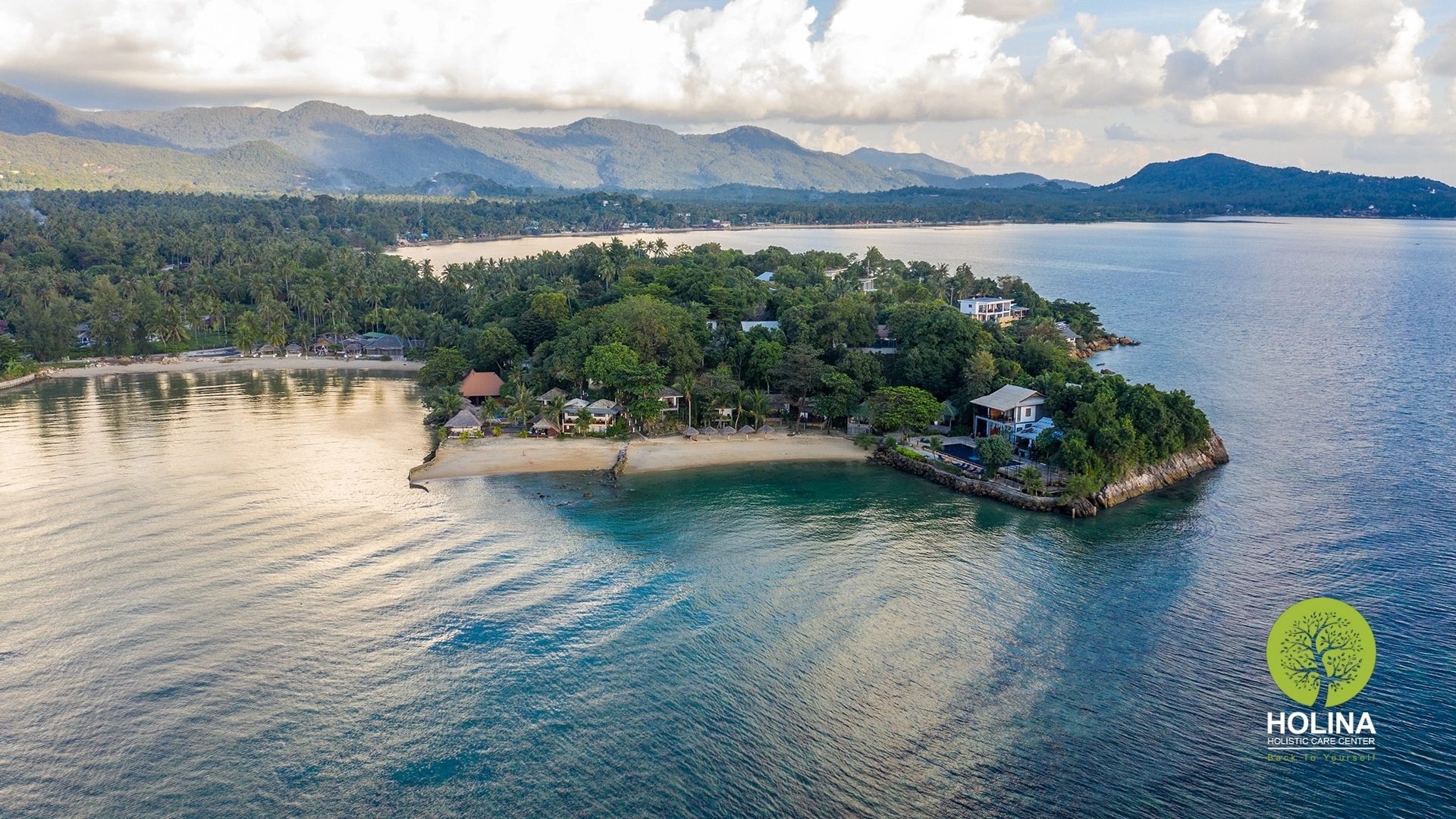
At Holina Rehab on Koh Phangan, we have simplified the confusion. We don’t hide costs. We don’t have complex “Bronze/Silver/Gold” tiers where you have to pay extra to be treated with dignity.

We offer one all-encompassing philosophy: The Signature Holina Experience. We believe every client deserves the best possible chance at recovery, so we include everything you need in one transparent package.

What’s Included in Your Holina Package:

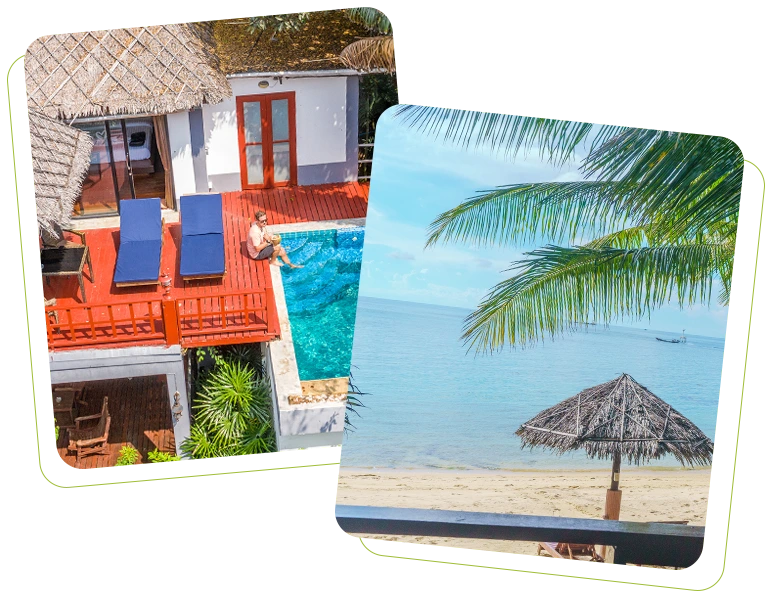
  • The Villa: You stay in a Private Pool Villa or Garden Suite. No shared rooms. Your sleep and privacy are sacred.

  • The Therapy: We offer 4 One-on-One Sessions Per Week. This is double the industry standard. This includes Psychotherapy, EMDR (Trauma), and Somatic Experiencing.

  • The Detox: Our on-site Medical Detox is Included. You are safe, monitored, and medicated by our 24/7 nursing team. We don’t charge you extra for needing help.

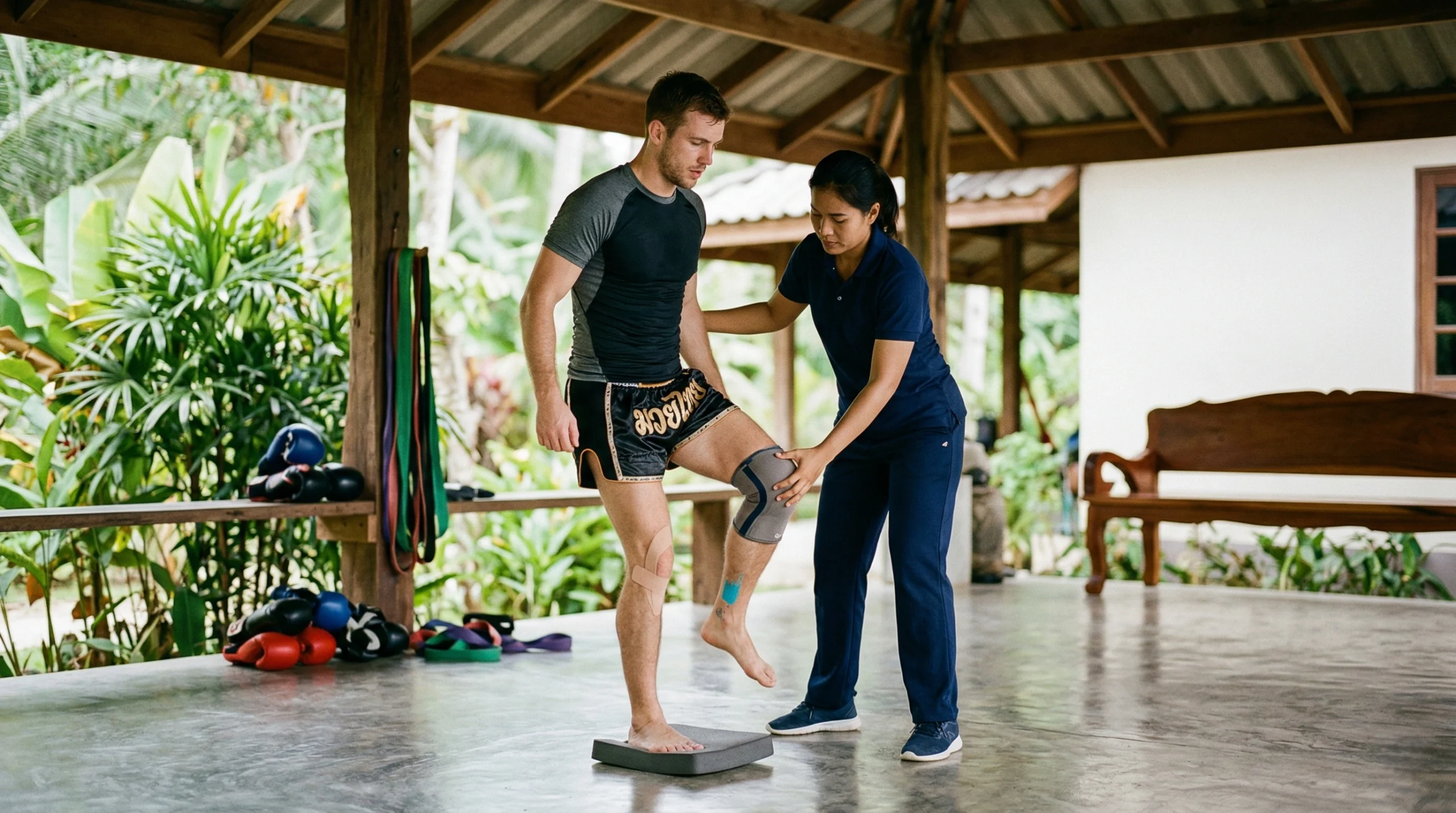
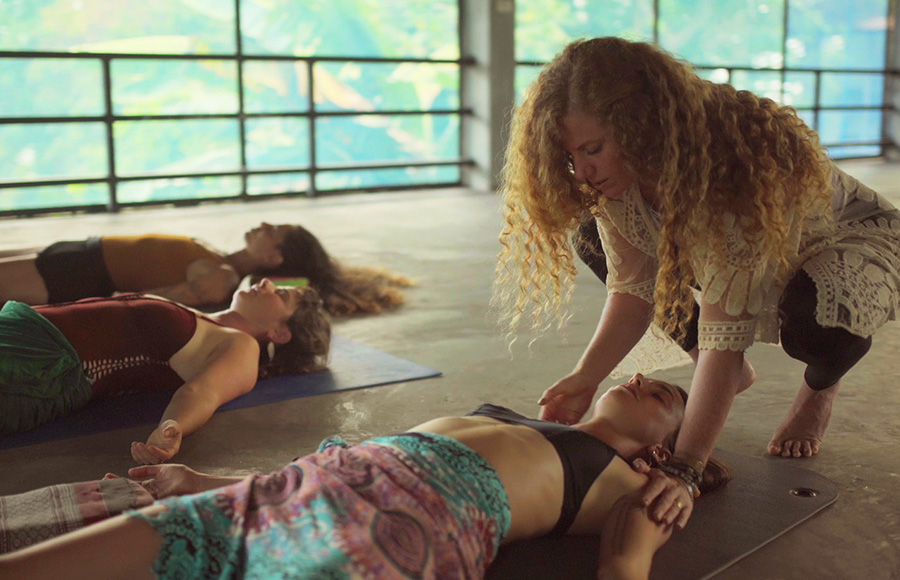
  • The Body: Recovery is physical. Your package includes Ice Baths, Sauna, Daily Yoga, Muay Thai, and Massage Therapy. We heal the nervous system, not just the mind.

  • The Aftercare: We don’t say goodbye at the gate. Your package includes a 6-Month Aftercare Program, ensuring you stay connected to your recovery family long after you leave.

Transparent Pricing. No Hidden Costs. Visit www.holinarehab.com to download our detailed brochure and see exactly what true value looks like.


About Me

Avatar photo

Ian Young

Ian Young is the Global Manager at Holina Care Centres in Koh Phangan, Thailand. Ian oversees the rehabilitation programs that blend the 12 Step model, Psychology, Counselling, Coaching, Somatic and many other therapeutic engagements, alongside various evidence-based therapies with holistic healing practices. Holina Rehab treats addictions, trauma, anxiety, depression, and other emotional challenges, offering comprehensive care in a serene resort environment. Ian, a charismatic speaker and author of “It’s Not About Me” leveraging his own recovery journey from addiction to inspire and guide others toward a fulfilling, addiction-free life.


Tags

Newsletter

Have a Question?