The Role of Mindfulness and Yoga in Addiction Recovery
05 min read
Learning to Be Here, Now
Addiction often lives in the space between the past and the future — regret for what has been, fear of what’s to come.
Mindfulness brings us home to the present, to the only place where healing is possible.
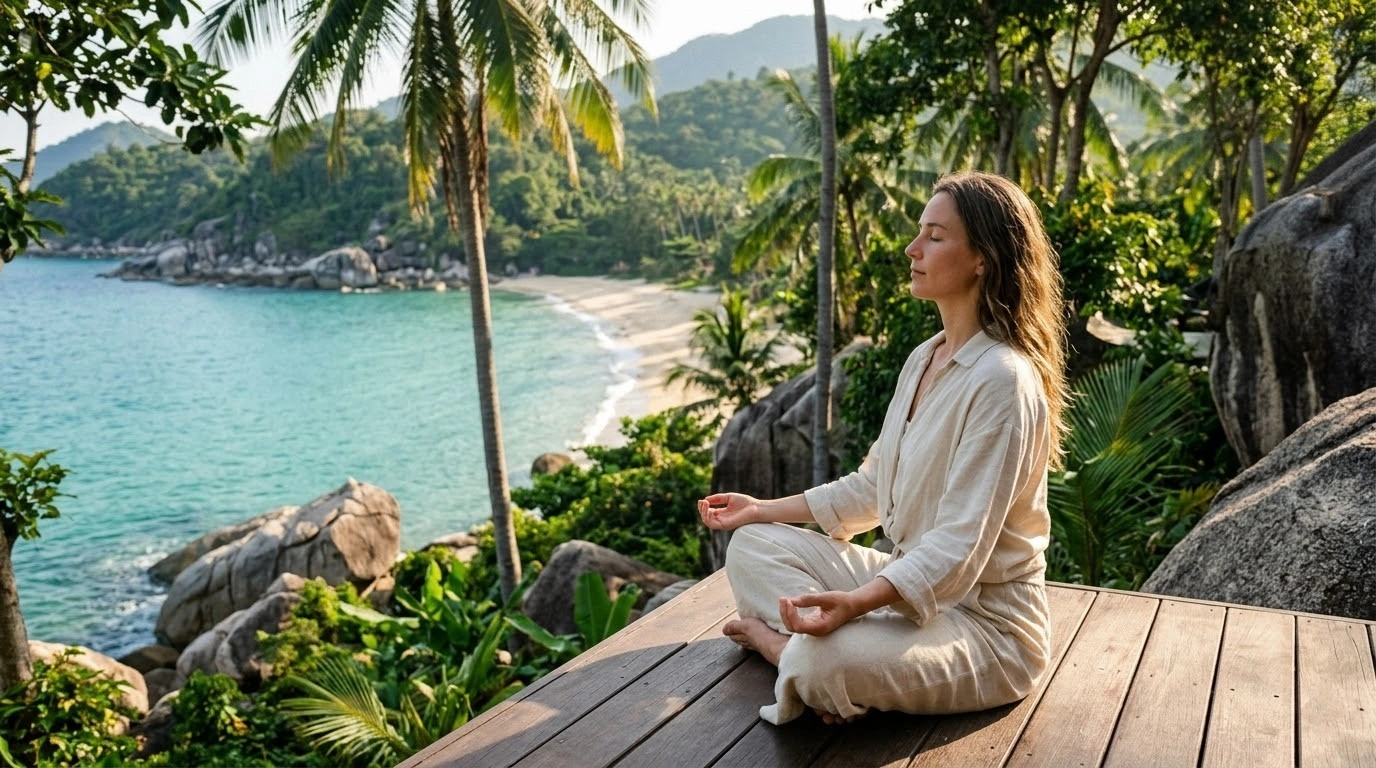
At Holina Rehab Thailand, mindfulness and yoga are not just practices — they’re pathways to peace. Together, they teach clients how to slow down, observe with compassion, and reconnect with themselves after years of disconnection.
Recovery begins when stillness becomes safety.
Through mindfulness and yoga, clients learn to feel at home in their bodies again, to trust their breath, and to find calm that doesn’t depend on escape.
Why Addiction Disconnects Us from the Present
Addiction creates a constant push-and-pull between avoidance and craving — an endless chase for relief. The body is in stress mode, the mind races, and emotions feel unbearable.
Substances, behaviors, or even distractions become temporary shelters from discomfort. But they also deepen the disconnection.
The human nervous system isn’t designed to stay in constant flight. When it does, the result is burnout, anxiety, depression — and a craving for something to take it all away.
Mindfulness interrupts this cycle by teaching awareness without judgment. It helps clients pause, breathe, and observe impulses as they arise — rather than react automatically.
Yoga, meanwhile, anchors that awareness in the body. Through movement and breath, it becomes possible to experience emotions through the body rather than against it.
This combination — awareness of mind and movement of body — is what allows healing to become embodied, not just understood.
The Science of Mindfulness in Recovery
Decades of research confirm what ancient traditions have known for centuries: mindfulness reshapes the brain.
Studies show that consistent mindfulness practice:
Reduces activity in the amygdala (the brain’s fear center)
Increases gray matter in areas linked to self-awareness and emotional regulation
Strengthens the prefrontal cortex, improving decision-making and impulse control
Decreases stress hormones and improves mood stability
For individuals in recovery, this translates to fewer cravings, better emotional control, and a deeper sense of peace.
At Holina Rehab Thailand, mindfulness is more than meditation — it’s a daily skill for navigating life, moment by moment, with gentleness and presence.
The Role of Yoga: Moving Meditation for the Body
Yoga is often mistaken for a form of exercise. At Holina, it’s seen as medicine for the nervous system.
Yoga brings awareness into movement — aligning body, breath, and emotion in real time.
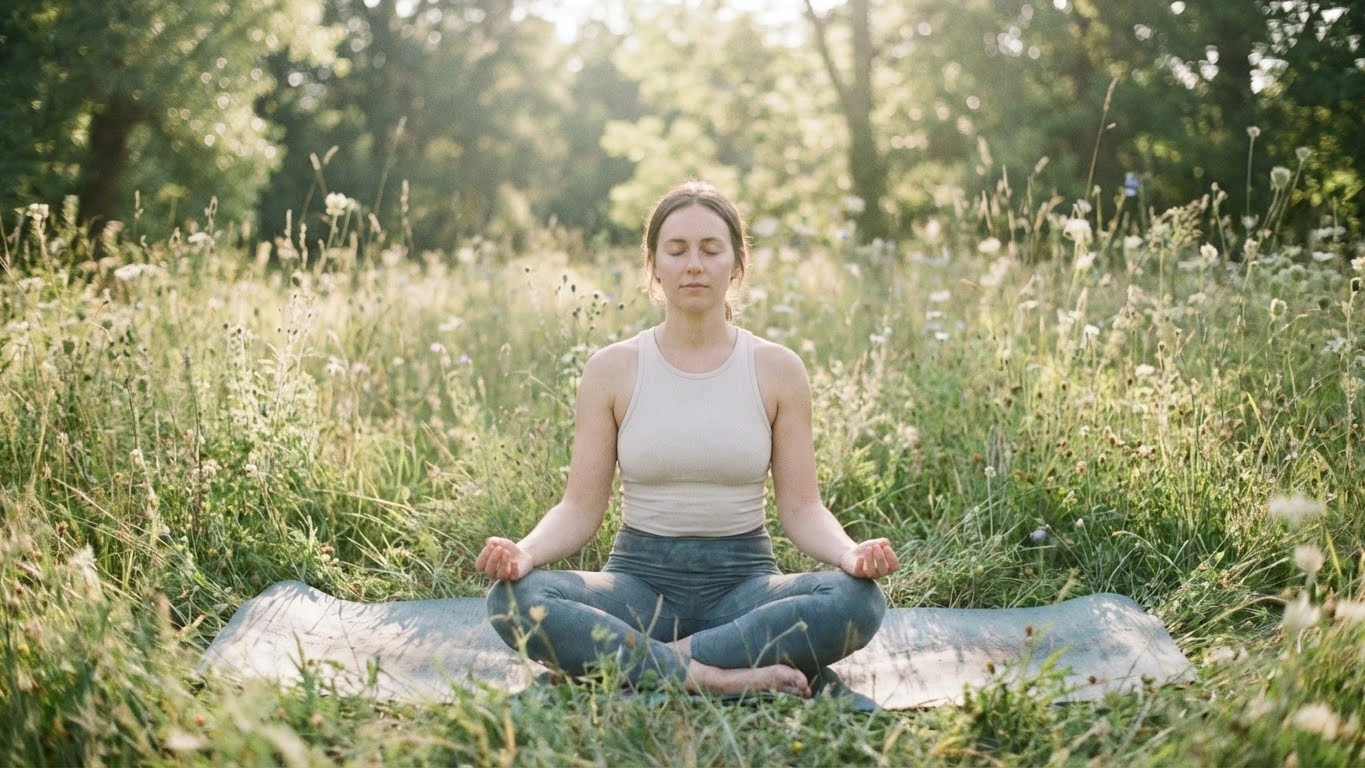
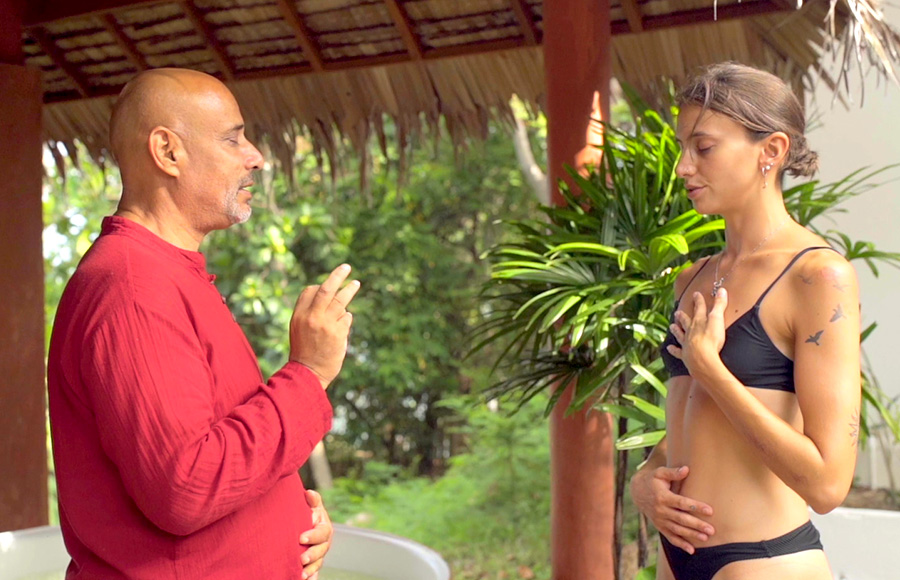
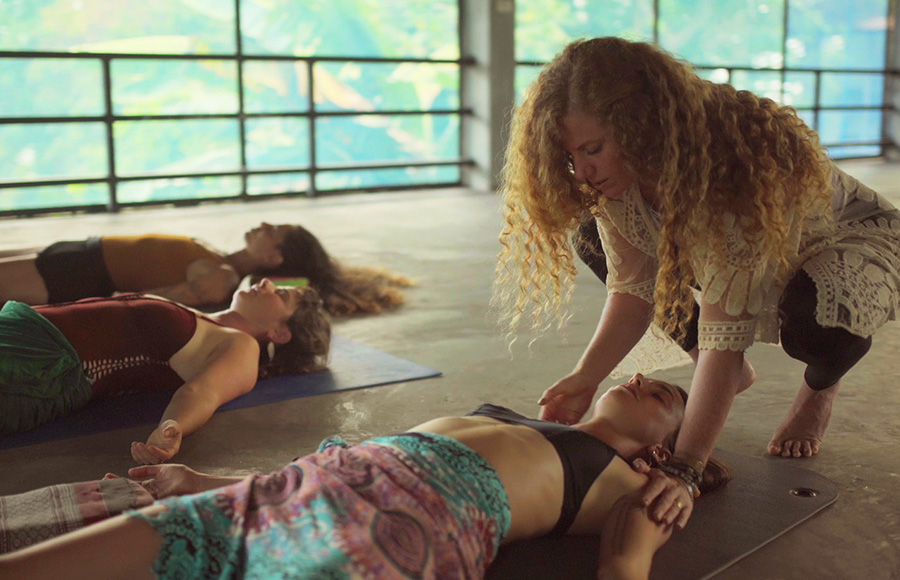
For many clients, years of addiction meant disconnecting from the body. Yoga becomes a way to return. Through postures, breathwork, and stillness, clients learn to feel their physical selves again — safely, softly, without judgment.
Holina’s yoga program includes:
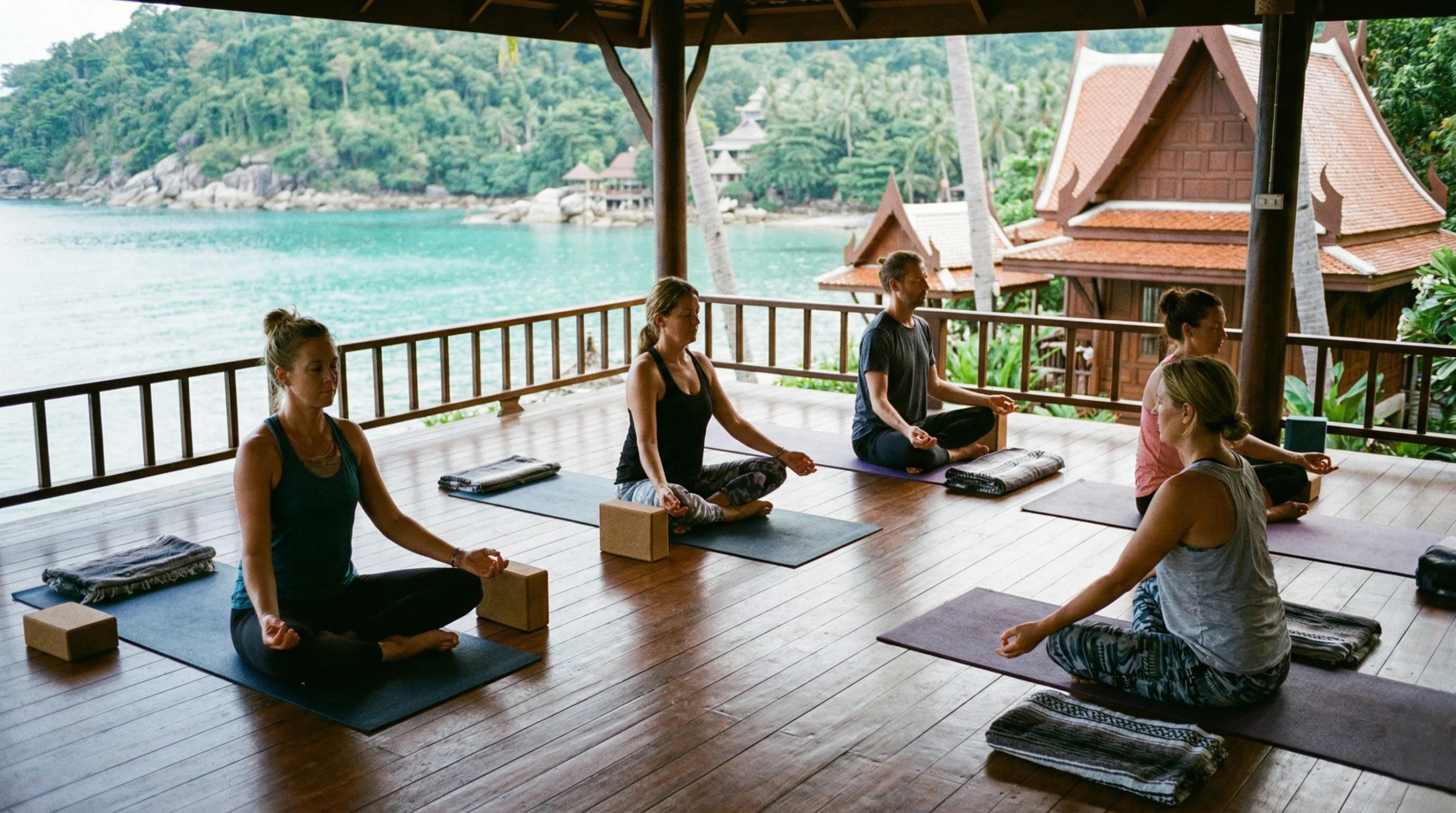
Gentle restorative yoga for nervous system regulation
Breath-led flow sessions for reconnecting with rhythm and vitality
Trauma-informed movement to release stored tension
Guided meditations for grounding awareness in the present
These practices are accessible to everyone, regardless of age, experience, or fitness.
Clients often say that yoga became their first true experience of peace — not through talking, but through feeling.
Mindfulness and Yoga as Emotional Regulation Tools
Emotional dysregulation is one of the hallmarks of addiction and early recovery.
Mindfulness and yoga provide natural ways to calm the body before addressing the mind.
By focusing attention on the breath and the sensations of movement, clients activate the parasympathetic nervous system — the body’s “rest and repair” mode. This slows the heart rate, lowers cortisol levels, and stabilizes mood.
Over time, clients begin to recognize emotions not as threats, but as signals.
Anger, grief, shame, or fear can be observed, understood, and released instead of avoided.
In mindfulness terms, this is called self-regulation — the ability to stay present with discomfort and choose peace instead of panic.
Mindfulness as Relapse Prevention
Many relapses occur when emotions or cravings go unchecked.
Mindfulness gives clients the ability to notice those moments in real time — to recognize, “I’m triggered,” and respond consciously.
This practice builds what therapists call the pause: a sacred space between feeling and reaction.
In that space, freedom is born.
By staying mindful, clients begin to break the automatic link between discomfort and escape.
Yoga reinforces this by cultivating patience, resilience, and self-awareness — qualities that protect recovery long after leaving rehab.
Integrating Mindfulness into Daily Life
At Holina Rehab Thailand, mindfulness is woven into every aspect of the day. It’s not something clients do once a day; it’s something they live.
A typical mindful day might look like:
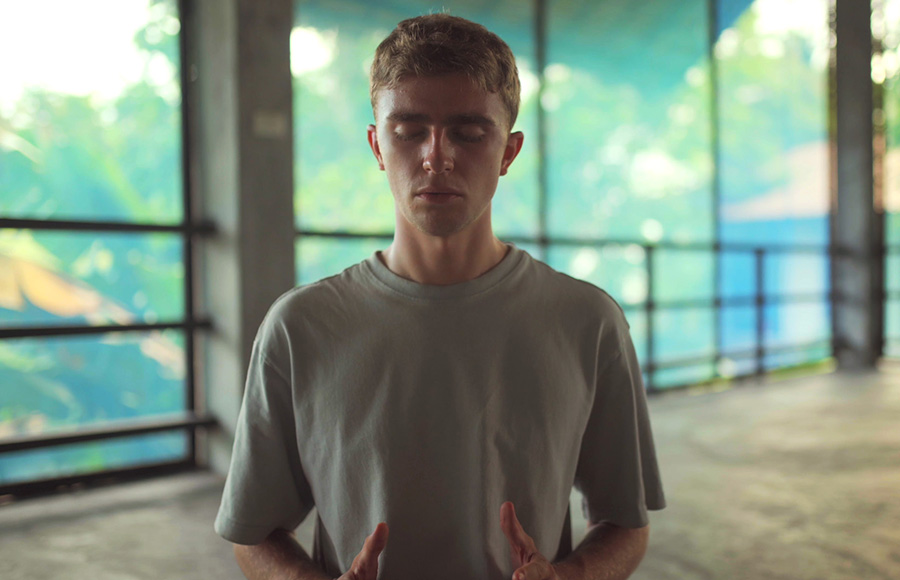
Morning meditation at sunrise — awakening awareness with the first light
Yoga practice to reconnect body and breath
Mindful meals — eating slowly, noticing flavors and sensations
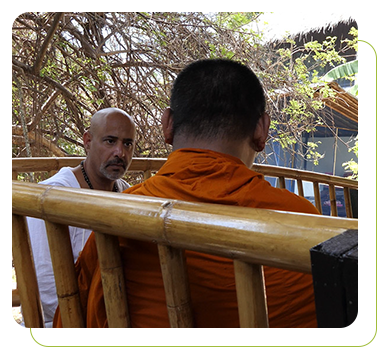
Therapy with awareness — listening deeply, responding gently
Evening reflection — gratitude journaling or walking meditation
These simple, repeated practices retrain the brain for presence.
They teach clients how to carry mindfulness beyond rehab — into relationships, work, and everyday stress.
Healing the Body Through the Breath
In yoga, breath is more than oxygen — it’s energy, rhythm, and connection between body and mind.
For those in recovery, breathwork becomes a bridge between chaos and calm.
Holina’s program incorporates pranayama (breath regulation) techniques that help rebalance the nervous system. Clients learn:
Grounding breaths for anxiety and panic
Cooling breaths for anger or agitation
Energizing breaths for fatigue and low motivation
Balancing breaths to harmonize both sides of the body
These techniques are simple yet profound. They become tools clients can use anytime, anywhere — powerful reminders that peace is always one breath away.
The Spiritual Dimension: Finding Presence Beyond Words
While mindfulness and yoga are secular practices, their spiritual essence is undeniable.
They invite clients to explore something larger than themselves — not in a religious sense, but in the quiet recognition of life unfolding in each moment.
For many clients, this connection replaces the emptiness addiction once filled.
It brings gratitude, humility, and a sense of belonging — to nature, to others, and to self.
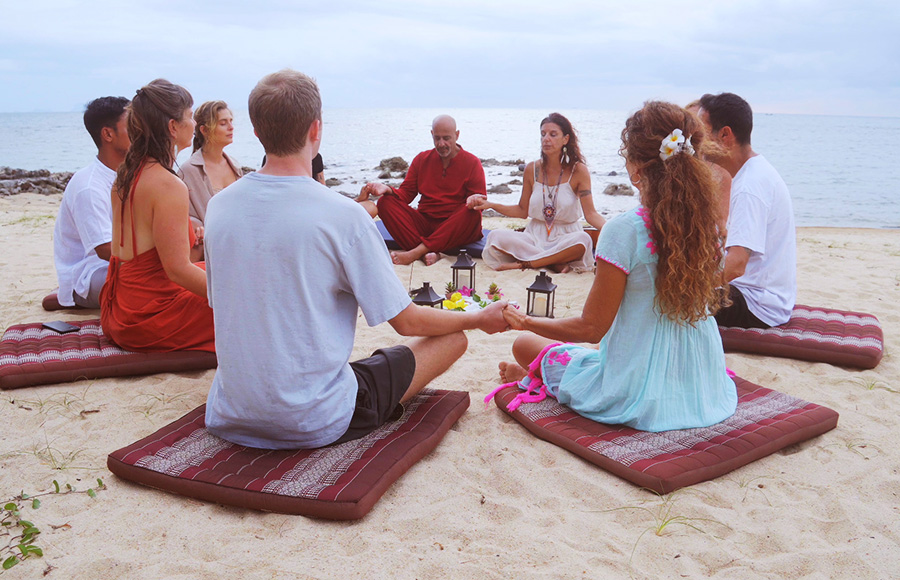
Evening meditations at Holina often close with reflection on compassion — for oneself, for others, for the world. Clients leave the mat not just calmer, but more connected to meaning and purpose.
“I came here to stop drinking. What I found was peace — and I never thought that was possible.”
— Holina graduate, UK
The Holina Island Environment: A Natural Mindfulness Teacher
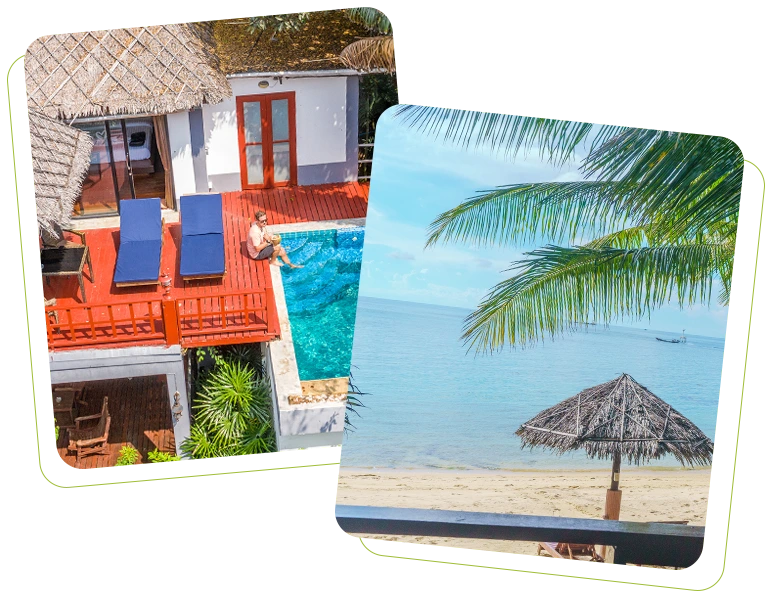
Few places are as conducive to mindfulness as Koh Phangan.
The island itself feels like a meditation — the sound of waves, the rhythm of rain, the way light dances through palm leaves.
Nature becomes a living part of the mindfulness practice.
During guided walking meditations, clients learn to engage their senses — feeling sand underfoot, hearing the ocean’s pulse, breathing in salt and sunlight.
This sensory awareness reconnects them with the world — vivid, alive, and real — without the need for substances.
In a world that often moves too fast, Koh Phangan offers the gift of slowness.
Healing happens in that slower rhythm, where mindfulness is not effort, but presence.
Yoga for Trauma and Emotional Release
Holina’s trauma-informed yoga sessions are designed for safety and empowerment.
Trauma survivors often carry fear in their bodies — shoulders hunched, jaws tight, breath shallow.
Yoga helps release this stored energy, gently reminding the body that it is no longer in danger.
By pairing breath with movement, clients re-establish communication between mind and body.
This reconnection supports trauma processing, emotional release, and deep relaxation — often succeeding where words alone could not.
Somatic and yoga therapists guide each session carefully, ensuring no client feels pressured or exposed.
The goal is not performance — it’s presence.
The Bridge Between East and West
Holina’s mindfulness and yoga program bridges ancient Eastern philosophy with modern Western psychology.
Mindfulness supports cognitive therapies like CBT and DBT by enhancing awareness and self-reflection.
Yoga complements somatic therapy by integrating body awareness into emotional healing.
This synergy is what makes Holina’s approach so effective: it’s not just about learning tools — it’s about experiencing transformation through the body, not just the mind.
Clients often leave saying:
“I used to think I had to fight my thoughts. Now I just watch them — and they pass.”
That’s mindfulness in motion — freedom through awareness.
Long-Term Benefits of Mindfulness and Yoga in Recovery
Holina graduates frequently report that mindfulness and yoga remain their most enduring recovery tools.
Even years later, they describe using meditation or breathwork during stressful moments instead of reverting to old patterns.
Lasting benefits include:
Improved emotional stability
Greater self-awareness and self-compassion
Reduced anxiety and depression
Increased focus, creativity, and confidence
A renewed sense of meaning and gratitude
Recovery becomes not something to maintain — but something to live.
FAQs About Mindfulness and Yoga in Recovery
Q1: I’ve never done yoga or meditation before. Will I be able to follow?
Absolutely. Our programs are beginner-friendly and trauma-informed. Every class meets you exactly where you are.
Q2: Are mindfulness and yoga religious practices?
No. They are secular methods for cultivating presence and awareness. They complement any belief system or spiritual background.
Q3: How often will I practice mindfulness at Holina?
Mindfulness is woven into each day — from morning meditation to mindful meals and evening reflection.
Q4: Can mindfulness really help prevent relapse?
Yes. By increasing self-awareness and impulse control, mindfulness reduces the power of cravings and automatic reactions.
Q5: What if I find it hard to stay still or focus?
That’s completely normal. The goal isn’t to clear your mind — it’s to notice what’s there, gently and without judgment.
Conclusion: Coming Home to Yourself
Mindfulness and yoga are not just techniques — they’re invitations to come home.
They teach what addiction made us forget: how to breathe, how to feel, how to be present with life as it is.
At Holina Rehab Thailand, these practices are woven into every aspect of healing — guiding clients toward calm, clarity, and connection.
In stillness, the body heals. In awareness, the mind softens. In breath, the spirit awakens.
You don’t have to escape to feel peace.
Peace begins where you are — one breath, one moment, one movement at a time.
Begin your healing journey with Holina today.
Get back to yourself — body, mind, and spirit.
About Me
Ian Young
Ian Young is the Global Manager at Holina Care Centres in Koh Phangan, Thailand. Ian oversees the rehabilitation programs that blend the 12 Step model, Psychology, Counselling, Coaching, Somatic and many other therapeutic engagements, alongside various evidence-based therapies with holistic healing practices. Holina Rehab treats addictions, trauma, anxiety, depression, and other emotional challenges, offering comprehensive care in a serene resort environment. Ian, a charismatic speaker and author of “It’s Not About Me” leveraging his own recovery journey from addiction to inspire and guide others toward a fulfilling, addiction-free life.
Recent Blogs
-
29 Nov, 2025
The Power of Community in Addiction Recovery