Beyond the Surface: The Definitive 2026 Guide to Holistic Trauma Healing
05 min read
If you are reading this, you are likely all too familiar with the heavy, invisible burden of trauma. It isn’t just a memory of a difficult event; it is a physiological presence that shapes your every waking moment. You might experience it as a sudden, unexplained spike in anxiety, a chronic feeling of being “numb” to the world, or a relentless cycle of self-sabotaging behaviors that feel impossible to break. Perhaps you’ve tried the traditional routes—standard counseling, medication, or simply “trying to move on”—only to find that the weight remains, quiet but constant.
You are not alone, and more importantly, you are not broken. You are simply stuck in a survival response that has outlived its usefulness. In the mental health landscape of 2026, we have moved far beyond the limited “talk therapy” model. We now understand that to truly heal, we must address the whole human being. This is the essence of holistic trauma healing.
At Holina Rehab in Koh Phangan, Thailand, we have dedicated our entire clinical practice to this integrated approach. We believe that recovery is not about managing symptoms; it is about a fundamental return to your authentic self. In this comprehensive guide, we will explore what holistic trauma healing actually looks like, why the mind-body connection is the final key to your freedom, and how stepping out of your daily environment can be the catalyst for the permanent change you’ve been seeking.
What is a Holistic Trauma Healing Approach?
To understand holistic healing, we must first understand how trauma operates within the human machine. Trauma is an experience that overwhelms the nervous system’s ability to cope. When this happens, the energy of the “fight, flight, or freeze” response becomes trapped in the body. Traditional psychology often focuses on the “top-down” approach—using logic, language, and the prefrontal cortex to analyze the past.
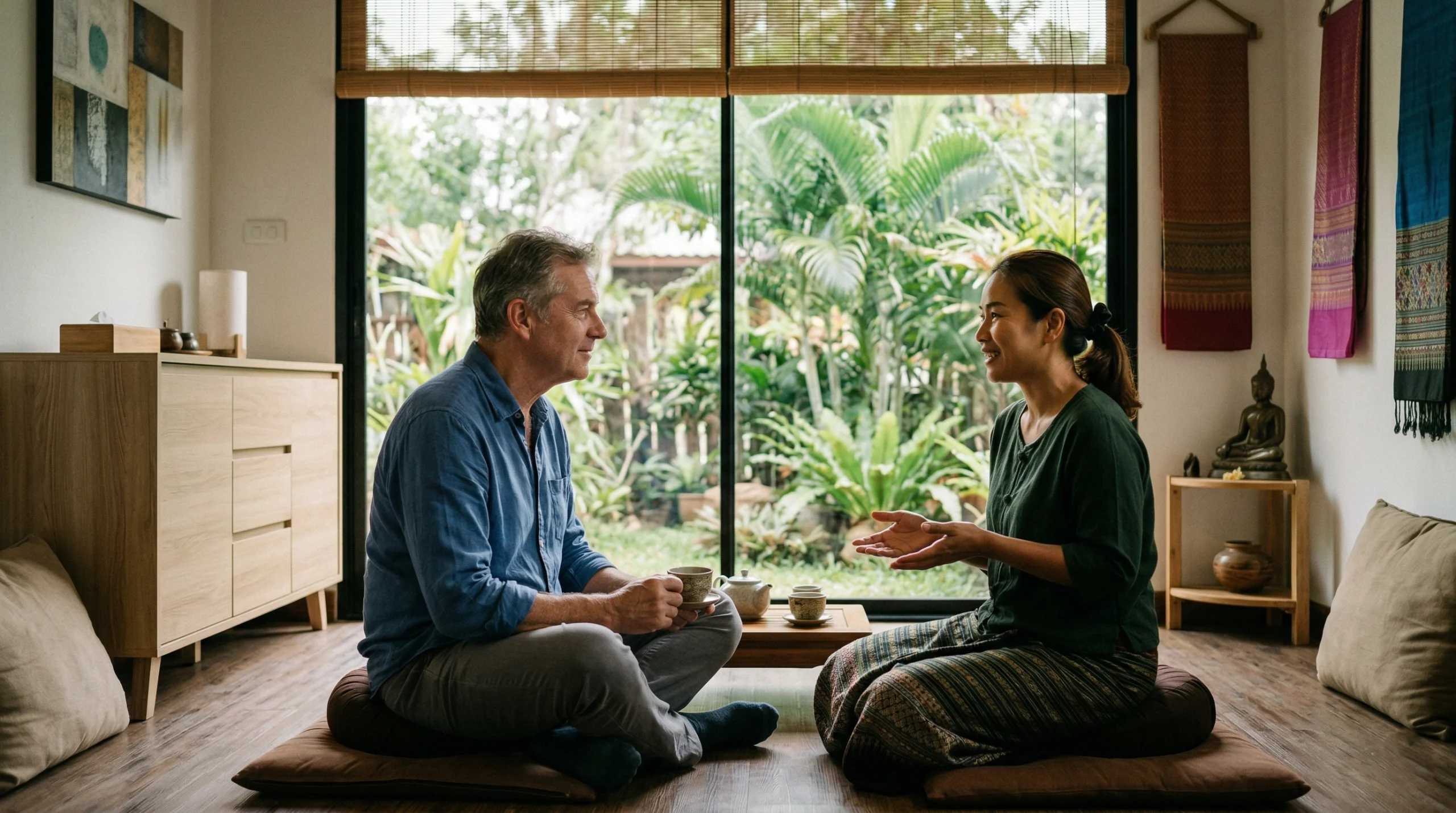
While understanding your history is valuable, logic is rarely enough to quiet a dysregulated nervous system. A holistic approach recognizes that the mind, the body, and the spirit are inextricably linked. It combines top-down clinical psychotherapy with bottom-up somatic (body-based) therapies. It looks at your nutrition, your sleep, your physical movement, and your sense of purpose.
Holistic trauma healing is essentially the process of negotiating a peace treaty with your own nervous system. It is about teaching your body, through experience rather than just words, that the danger has passed so that you can finally live in the present moment.
The Science of Vagal Safety: Why Environment Matters
To understand why our mountain and island settings are so effective, we must look at the Vagus nerve. This is the longest nerve in your body, acting as a two-way street between your brain and your major organs. When you are traumatized, your Vagus nerve becomes “un-tuned.” You might stay in a state of high arousal (heart racing, scanning for danger) or collapse into a state of “dorsal vagal shutdown” (feeling numb, depressed, and disconnected).
Healing requires “toning” the Vagus nerve. This is accomplished through several methods we use daily at Holina:
Cold Exposure (Ice Baths): A rapid way to reset the nervous system and build distress tolerance.
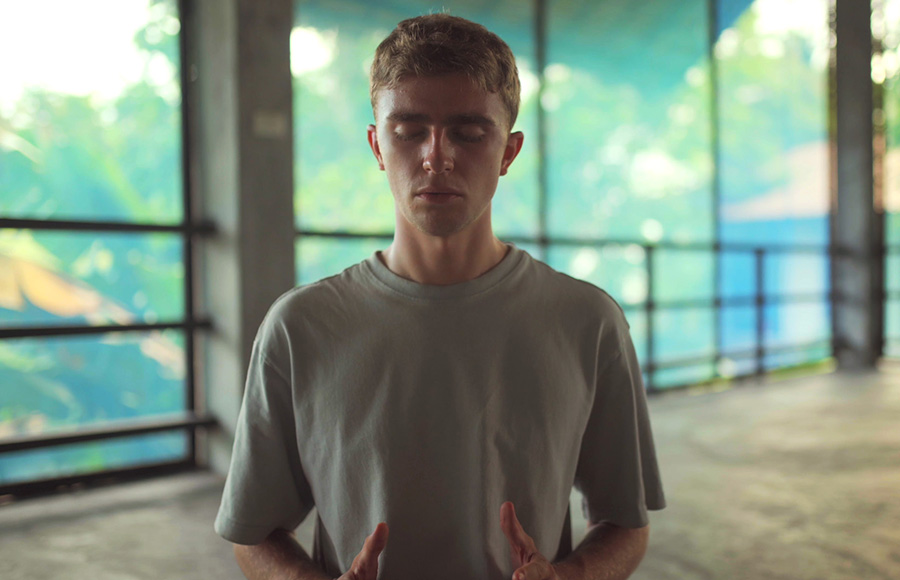
Mindful Breathing: Lengthening the exhale to physically signal safety to the brainstem.
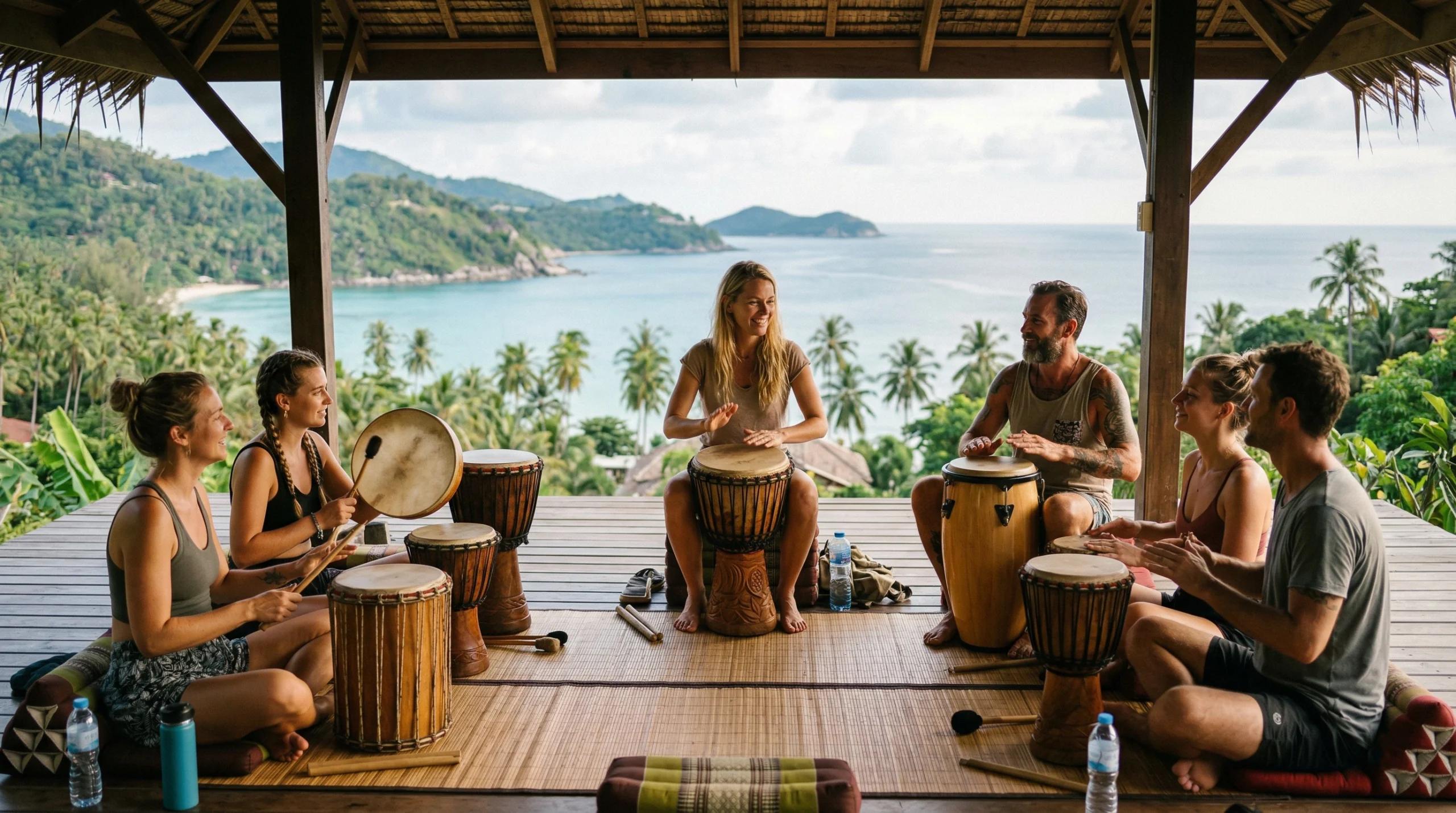
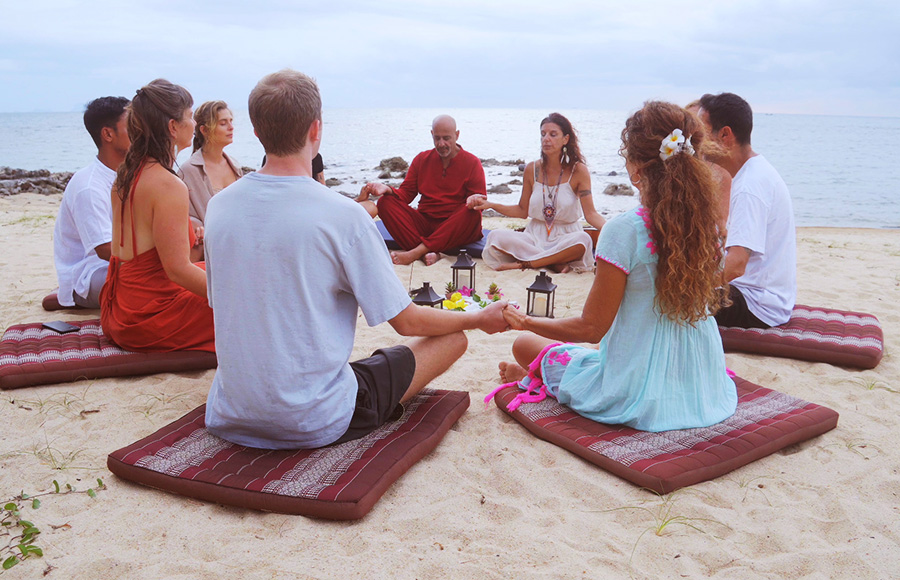
Social Engagement: Participating in a small, therapeutic community where you are seen, heard, and valued.
Proximity to Nature: The rhythmic sounds of the ocean and the visual fractal patterns of jungle greenery have been shown to sync with our internal biological rhythms, promoting a “Ventral Vagal” state—the state where cellular healing and emotional integration actually happen.
Why “One Hour a Week” Often Fails Trauma Survivors
If you have searched for a “trauma-informed therapist near London” or anywhere in the UK, you have likely encountered the limitations of the outpatient model. You might spend a vulnerable, emotional hour uncovering deep-seated wounds, only to have to immediately pull yourself together to navigate the tube, face a demanding job, or manage complex family dynamics.
This “stop-and-start” approach can be jarring to the nervous system. Recovery requires a sustained period of “vagal safety”—an environment where your body feels safe enough to drop its guard completely for weeks, not just minutes. This is why many are now looking beyond their local clinics toward holistic trauma healing retreats and residential programs.
Furthermore, relying solely on holistic trauma healing coaching services available online or popular trauma healing apps can provide excellent support tools, but they cannot replace the biological “co-regulation” that happens in a safe, in-person community. Trauma is often a relational wound—it happened in the context of people—and it is most effectively healed in the safe presence of others.
The Core Modalities of an Integrated Recovery Plan
In 2026, the “best online platforms for holistic trauma healing courses” and the “best books on mind-body trauma healing” point toward several key modalities that have moved from the fringe to the clinical mainstream. At Holina, we integrate these into a single, cohesive journey.
1. Somatic Experiencing and Body-Based Healing
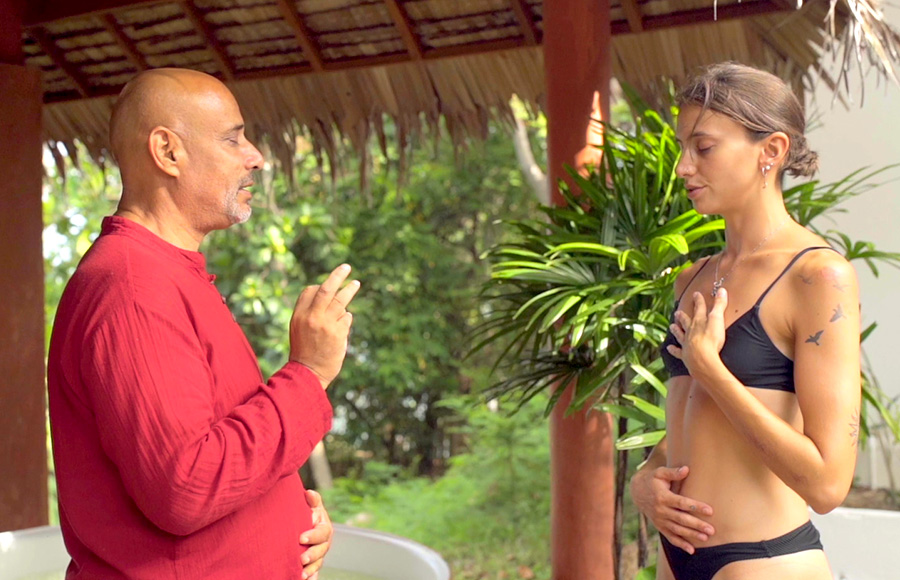
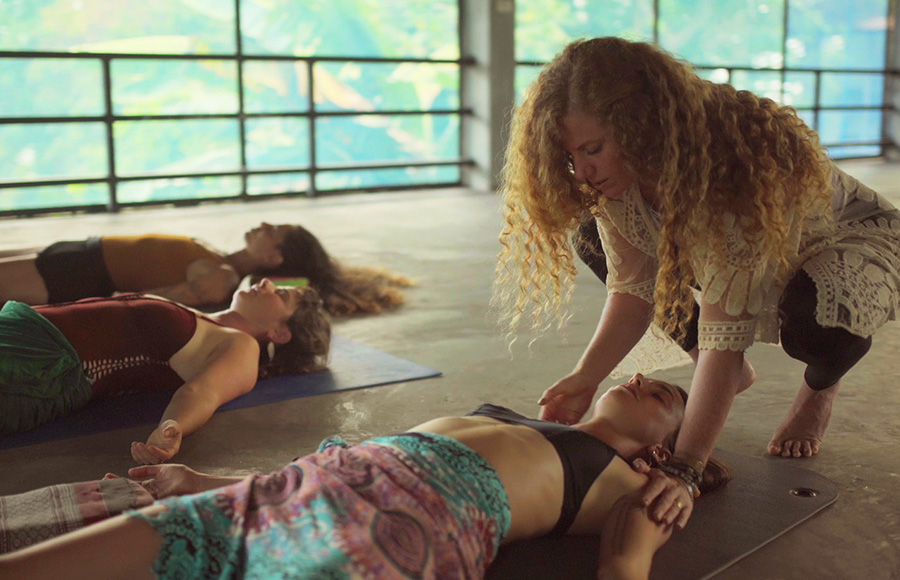
Because the “body keeps the score,” we must include it in the conversation. Somatic experiencing focuses on tracking physical sensations in the body to release trapped survival energy. Instead of asking “What are you thinking?”, a somatic practitioner asks, “Where do you feel that tension in your body, and what happens if we allow it to move?” This gentle “shaking off” of the past is essential for resolving deep-seated PTSD and chronic anxiety.
2. EMDR: Reprogramming the Traumatic Charge
Eye Movement Desensitization and Reprocessing (EMDR) is a cornerstone of clinical trauma work. It uses bilateral stimulation to help the brain process traumatic memories so they no longer carry an intense emotional charge. It effectively “files away” the memory in long-term storage, rather than leaving it in the “active” folder of the mind where it continues to trigger your alarm system.
3. Trauma-Sensitive Yoga and Movement
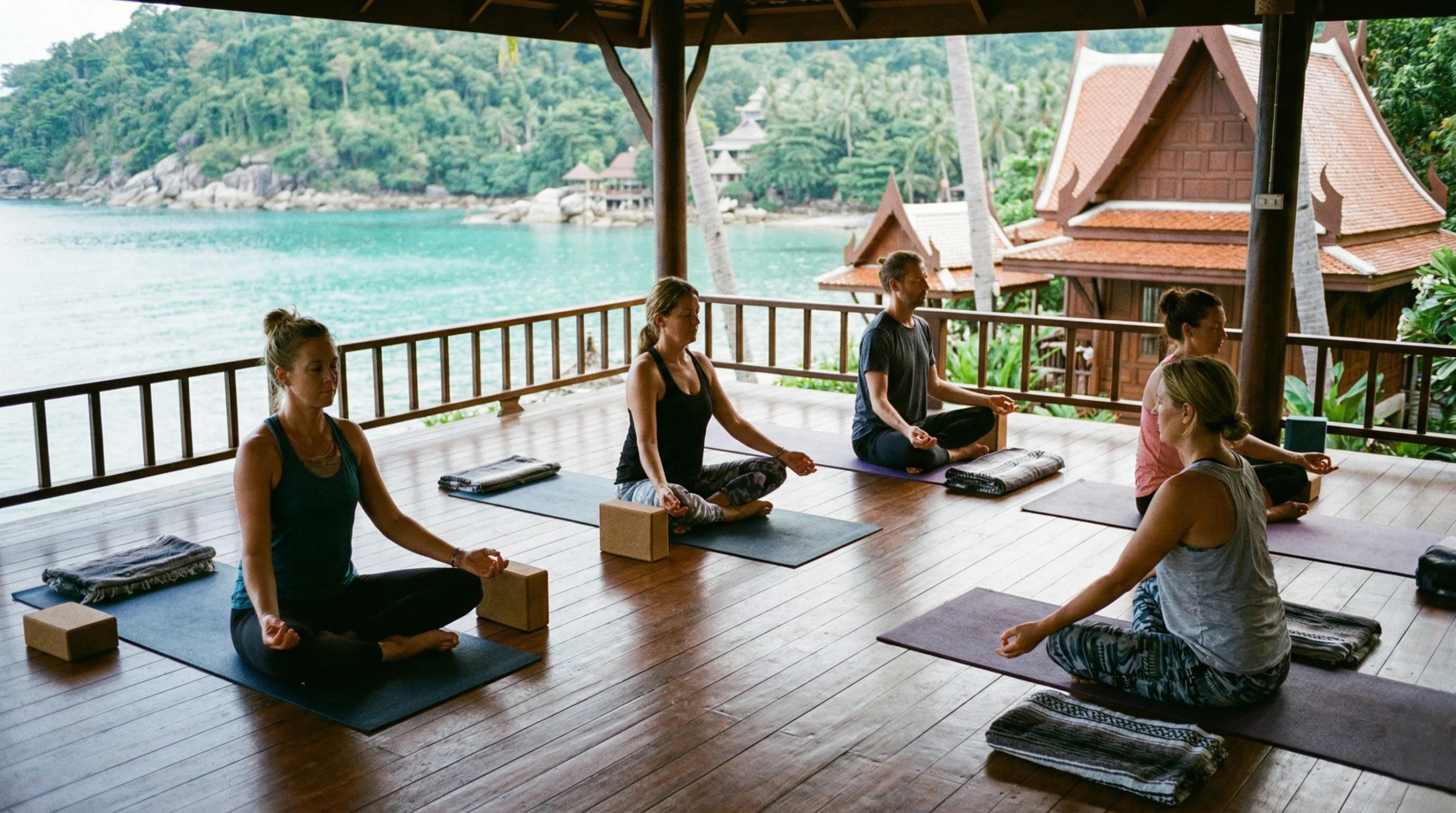
Movement is medicine, but standard fitness classes can sometimes be overwhelming for a traumatized system. Trauma-sensitive yoga focuses on agency and choice, helping you re-occupy your body in a safe, controlled way. Similarly, breathwork facilitates a direct dialogue with the autonomic nervous system, providing a “manual override” for feelings of panic.
4. Nutritional Guidance and Natural Remedies
The gut-brain axis is a major factor in mental health. Chronic stress depletes the body of essential nutrients and creates systemic inflammation. A holistic plan includes nutritionist-led guidance to rebuild your physical vitality. This might include a comparison of holistic trauma healing supplements and natural remedies like magnesium, Omega-3s, and adaptogens to help balance cortisol levels and restore sleep patterns.
The Limitations of Digital and Home-Based Healing
In our search for answers, many of us turn to holistic trauma healing meditation guides with audio downloads or trauma healing meditation apps. These are fantastic resources for maintenance and daily grounding. However, for those dealing with complex trauma or co-occurring addiction, they are often just one piece of a much larger puzzle.
Online courses for holistic trauma recovery can provide the “why,” but they often struggle to provide the immersive “how.” Healing is an experiential process. You cannot think your way out of a nervous system dysregulation; you have to experience safety in your bones. This is why residential care is so often the missing link for those who have spent years in talk therapy without seeing lasting, fundamental results.
The Holina Advantage: Why Koh Phangan is the Ultimate Sanctuary
When you compare a standard clinic in a bustling city to a world-class center like Holina Rehab in Koh Phangan, Thailand, the difference is not just in the luxury—it is in the clinical outcomes. We have designed our facility to be an “Environmental Co-Therapist.”
1. The Power of Tropical Immersion
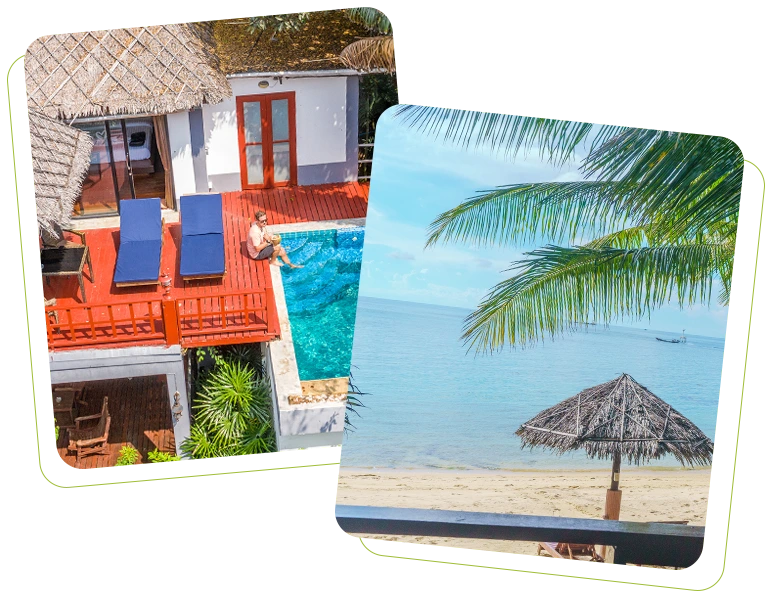
The environment in which you heal is just as important as the therapy you receive. Standard Western clinics are often sterile and clinical, which can unintentionally trigger hyper-vigilance. At Holina, you are surrounded by the natural rhythm of a tropical island. The sound of the ocean, the sunset seaviews, and the lush jungle foliage act as a natural sedative for a jagged mind. This isn’t a vacation; it is a clinical strategy to lower cortisol and facilitate deep biological rest.
2. Signature Water-Based Therapies
One of our most distinctive offerings is Integrative Water Therapy and Aqua Tuning. Taking place in our warm, tropical pools, these somatic sessions allow for a level of physical and emotional release that is nearly impossible to achieve on dry land. In a state of weightlessness, the body can let go of “muscular armoring”—the chronic tension held in the jaw, neck, and spine from years of unresolved stress.
3. Radical Privacy and Anonymity
For many, the fear of stigma or professional repercussions is a major barrier to seeking help locally. Traveling to Thailand provides a literal and figurative “circuit breaker.” It gives you the total privacy to be vulnerable and the space to rebuild your identity away from the labels and expectations of your everyday life.
4. A “Person-Centered” Philosophy
At many large clinics, you are just a number in a ward. At Holina, we operate on a “Person-Centered” model. We recognize that your trauma is unique, and therefore your schedule should be too. While we have a robust structure, we allow for precision-personalization. If you need more one-on-one psychotherapy and less group work, we adapt. If your body requires more intensive somatic release through water therapy, we make it happen. We don’t just provide a break from life—we provide a return to your true potential.
The Financial Reality: All-Inclusive Luxury vs. Fragmented Costs
When people search for “affordable holistic trauma healing therapy services near me” in the UK or USA, they are often shocked by the price of high-end private care. Once you add up the costs of an elite trauma therapist, a nutritionist, a private gym, holistic treatments, and high-quality anti-inflammatory meals, the expense is staggering.
Holina Rehab offers a genuinely all-inclusive model. We are a Licensed Residential Rehab and Detox Clinic (#84-03-00294), meaning you receive top-tier medical and psychological care in a world-class resort setting.
Our Pricing Structure (All-Inclusive):
Shared Seaview Room: $9,700 per month. This is perfect for those who find comfort in a supportive, therapeutic community of peers.
Solo Deluxe Bungalow: $14,700 per month. Our most popular choice for those seeking total privacy and a “Sunset Seaview” from their own balcony.
Private Plunge Pool Villas: $17,700 per month. The ultimate in high-end restorative luxury for those who need a deep, private reset.
Each package includes three healthy, nutritious buffet meals a day, all clinical sessions, massages, fitness classes, and therapeutic excursions—such as visiting the local elephant sanctuary. When compared to high-end private clinics in the West, Holina provides far greater clinical value and a more comprehensive toolkit.
How to Choose the Best Trauma Recovery Resort for You
When searching for a “safe trauma recovery facility in Asia,” the choice can feel overwhelming. Here is a checklist of what you should look for to ensure you are receiving elite, professional care:
Accredited Practitioners: Are the therapists Western-trained? Do they hold specialized, verified certifications in EMDR or Somatic Experiencing?
Medical Licensing: Is the center actually a licensed clinic, or just a guest house offering “wellness”? Always look for Ministry of Public Health certification.
English-Speaking Staff: Communication is vital for deep trauma work. Ensure the primary language of treatment is English.
Transparent Pricing: Avoid “hidden extras.” A reputable center will provide an all-inclusive price that covers medical support, detox, and all therapies.
Ongoing Support: Recovery doesn’t end when you fly home. Ensure the center offers a robust aftercare program—at Holina, we provide 6 months of ongoing support to aid your reintegration.
The Journey Back to Yourself
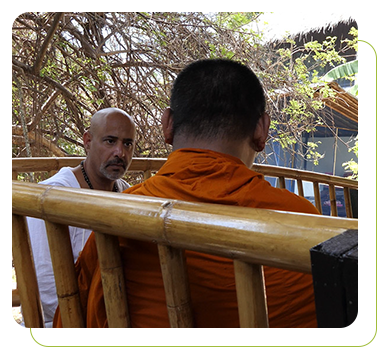
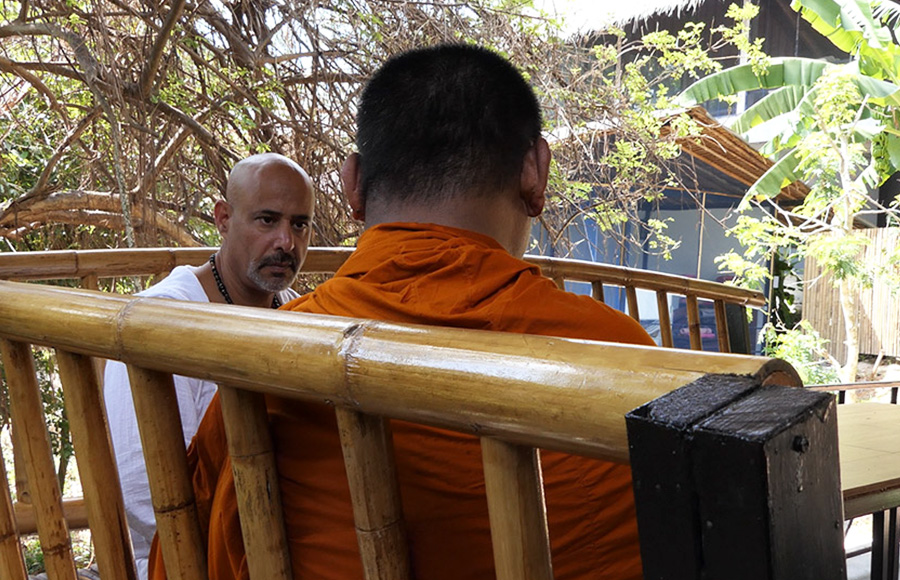
Recovery is not a linear path, but it is a journey that you do not have to walk alone. At Holina, we move beyond the “12-Step only” or “Psychology only” models. We combine Western clinical psychotherapy with Eastern spiritual practices, mindful meditation, and Buddhist wisdom, led by our staff and local monks.
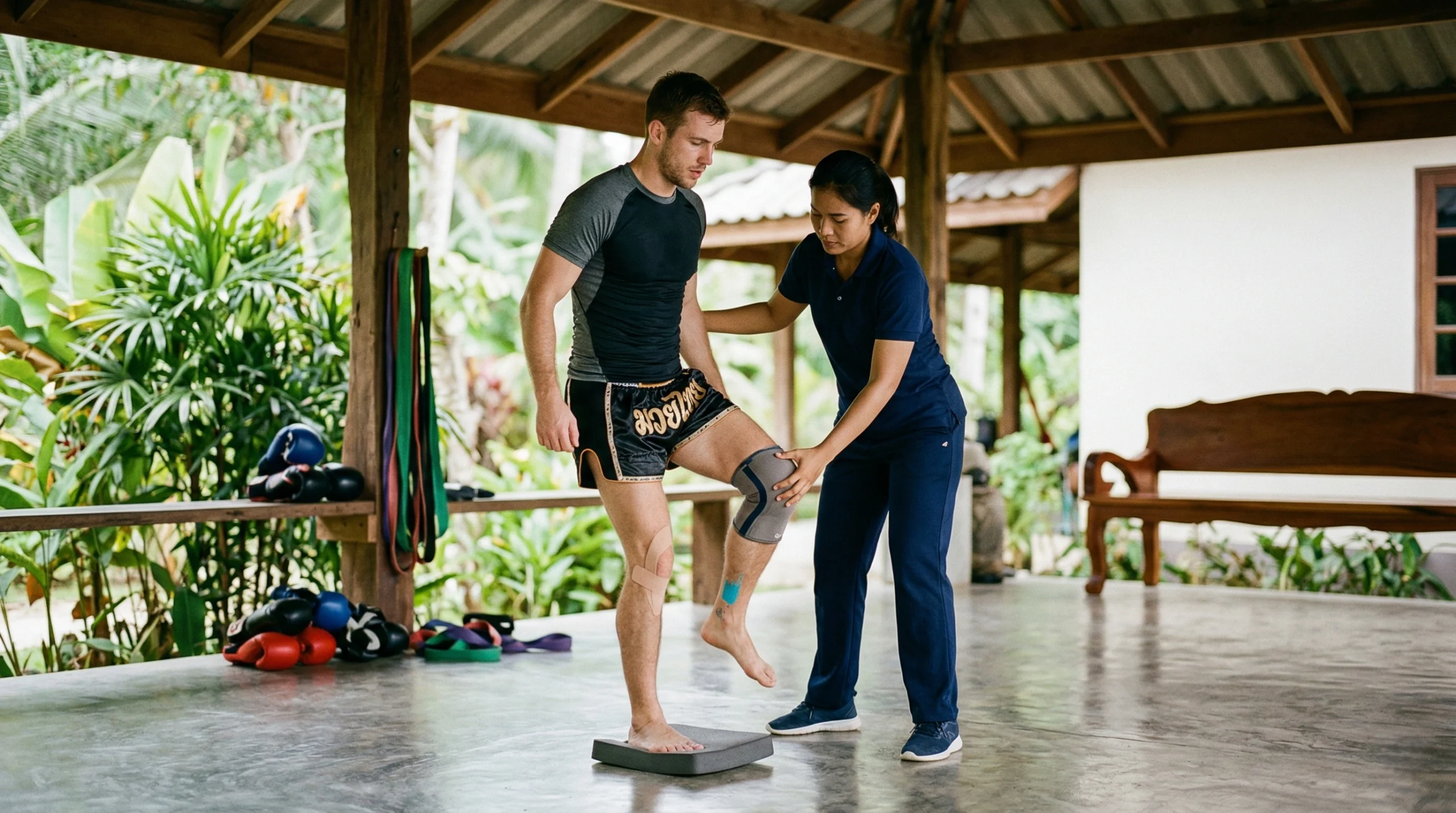
Whether it is through art therapy, sound bowl healing, Chi Gong, or Muay Thai boxing, we provide a broad spectrum of “languages” for you to process your experience. Our goal is not just to get you “sober” or “stable,” but to help you find meaning, purpose, and joy again.
Conclusion: Reclaiming Your Story
Trauma is a complex, physical, and emotional injury, but it is not a life sentence. By choosing a holistic approach that integrates the mind and body, you can finally break the cycle of stress.
Move beyond talk therapy: Incorporate somatic and body-based healing.
Prioritize environment: Use nature as a clinical tool for nervous system regulation.
Address the physical: Focus on nutrition, breathwork, and movement.
Choose community: Find safety in the presence of specialized staff and peers who understand your journey.
Your Healing Journey Starts Here
Are you ready to stop managing your symptoms and start reclaiming your life? The first step is a single, confidential conversation. Our helpful and friendly admissions team is ready to guide you through the process of getting Back to Yourself.
Explore the Sanctuary: Visit www.holinarehab.com/blog to see our magnificent facilities and learn more about our trauma recovery programs.
Speak to an Expert: Call us today at +66 (0) 62 641 8369 or email info@holinarehab.com for a free consultation.
Take Action: Complete our online Intake Form to secure your preferred seaview bungalow and begin your journey to Thailand.
Holina Rehab: A Center of Excellence in Behavioral Health.
About Me
Ian Young
Ian Young is the Global Manager at Holina Care Centres in Koh Phangan, Thailand. Ian oversees the rehabilitation programs that blend the 12 Step model, Psychology, Counselling, Coaching, Somatic and many other therapeutic engagements, alongside various evidence-based therapies with holistic healing practices. Holina Rehab treats addictions, trauma, anxiety, depression, and other emotional challenges, offering comprehensive care in a serene resort environment. Ian, a charismatic speaker and author of “It’s Not About Me” leveraging his own recovery journey from addiction to inspire and guide others toward a fulfilling, addiction-free life.