The Ultimate Guide to 12-Step Rehab in Thailand
05 min read
Introduction: Why Thailand is the Global Hub for 12-Step Recovery
For over 80 years, the 12-Step model—originally pioneered by Alcoholics Anonymous—has remained the most widely recognized framework for addiction recovery. It is a proven path of surrender, self-examination, and service. However, where you take that path matters.
Thailand has emerged as the world’s premier destination for residential 12-Step treatment. It offers a unique proposition: the ability to engage in this rigorous spiritual and emotional work within a safe, luxurious, and trigger-free environment. For UK residents facing long NHS waiting lists or exorbitant private clinic fees at home, Thailand offers a solution that is not just a compromise, but an upgrade.
This guide will walk you through everything you need to know about 12-Step rehab in Thailand—from how the programme works and what it costs, to navigating visas and choosing the right facility for your specific needs.
How Do 12-Step Rehab Programmes in Thailand Work?
The “Minnesota Model” in Paradise
Most rehabs in Thailand utilize a variation of the Minnesota Model, which integrates the 12 Steps of AA/NA with professional clinical care. This is a critical distinction. In a church basement meeting, you have peer support but no medical oversight. In a Thai rehab, you have the Steps plus psychiatrists, nurses, and trauma therapists.
Core Components of the Programme
When you enrol in a 12-Step programme in Thailand, you are not just attending meetings. You are entering a structured immersive environment designed to break the cycle of addiction:
Step Work: You will be given a “Step Guide” or workbook. Dedicated time is set aside daily to read the “Big Book” and write out your answers. For example, in the first week, you will focus on Step 1 (admitting powerlessness), often writing a “consequences letter” detailing how addiction has impacted your life.
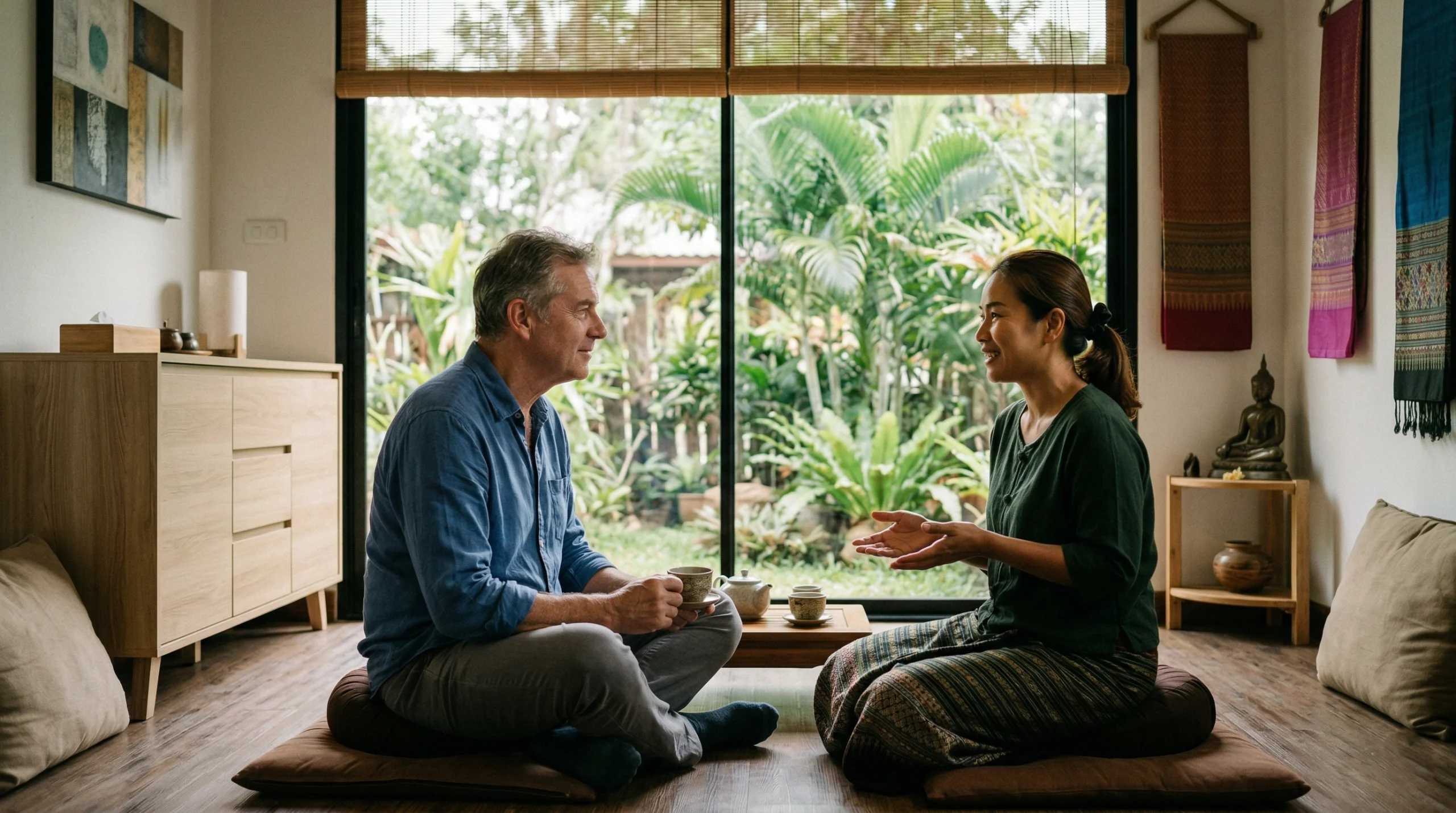
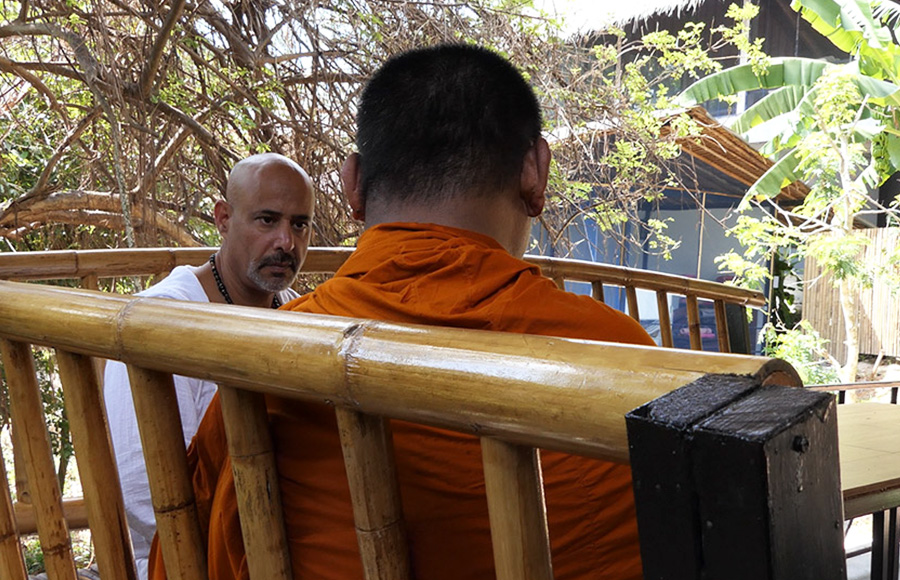
The Sponsor Relationship: In a rehab setting, you are often assigned a “temporary sponsor” or a focal counselor who acts as a guide. They help you navigate the often-confusing language of the Steps and provide accountability.
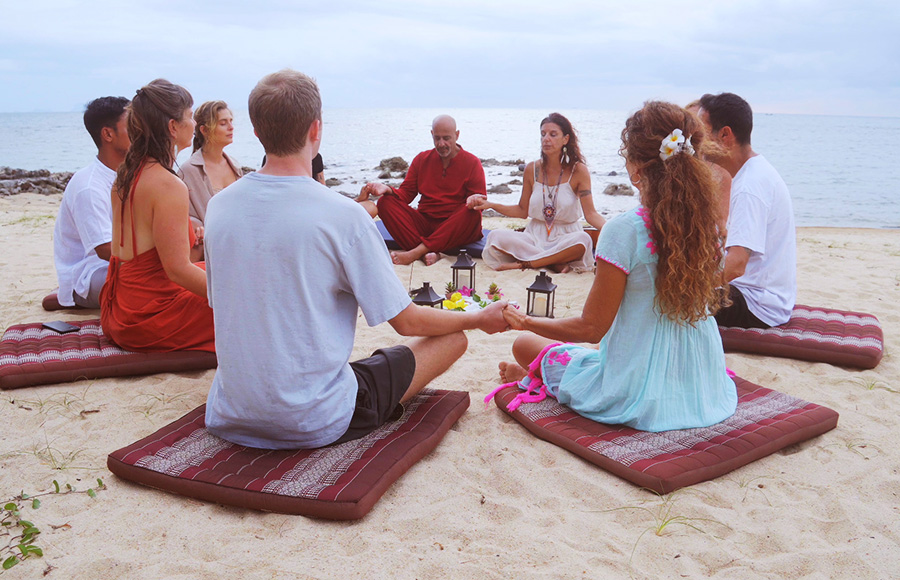
Group Therapy: Twice daily, the community gathers. These aren’t just open chats; they are facilitated processing groups where you share your step work, receive feedback, and learn to identify your emotional triggers in real-time.
Service & Fellowship: Recovery is about getting out of self-centeredness. Centres in Thailand emphasize “community responsibility,” assigning small chores or leadership roles to help clients rebuild self-esteem through service.
What Are The Best 12-Step Rehab Centres in Thailand for UK Residents?
For a UK resident, the “best” centre is one that understands your cultural context while offering a standard of care that exceeds what is available on the NHS.
Key Features of Top-Tier Facilities
When evaluating centres, look for these three non-negotiables:
English-Speaking Clinical Teams: Communication is the vehicle of therapy. The leading rehabs in Thailand are staffed by Western-trained therapists (often expats from the UK, US, or Australia) who are fully licensed. This ensures there are no cultural barriers when discussing deep emotional pain.
Integrated Dual Diagnosis Care: The 12 Steps address the spiritual malady, but they do not cure clinical depression or bipolar disorder. The best facilities have psychiatrists on staff to manage medication and treat co-occurring disorders alongside the addiction.
A Thriving Expat Community: Isolation is the enemy of recovery. Top centres attract a diverse international mix of clients. Being part of a “cohort” of people from London, New York, and Sydney creates a powerful sense of belonging that is crucial for the 12-Step concept of fellowship.
Luxury vs. Standard Options
Luxury 12-Step Rehabs: These facilities feel like 5-star boutique hotels. You can expect private pool villas, à la carte dining, personal training sessions, and weekend excursions on private yachts. They cater to executives and those needing absolute discretion.
Standard/Mid-Range Rehabs: These offer excellent clinical care but in a more communal setting. You might share a room or have simpler amenities, but the core 12-Step work remains the same.
What Is the Cost Range for 12-Step Rehab Treatment in Thailand?
One of the most compelling reasons to choose Thailand is the “geo-arbitrage” of cost. You simply get more for your money.
The Cost Comparison (Monthly Rates)
UK Private Rehab: £15,000 – £30,000+ per month.
Thailand Standard Rehab: $7,000 – $10,000 USD (approx. £5,500 – £8,000).
Thailand Luxury Rehab: $12,000 – $18,000 USD (approx. £9,500 – £14,000).
What is Included in the Price?
Unlike some Western clinics that charge extra for “add-ons,” reputable Thai rehabs operate on an All-Inclusive model. Your fee typically covers:
Luxury accommodation (private or shared).
All meals (chef-prepared, often organic).
Full clinical programme (individual therapy, group sessions, workshops).
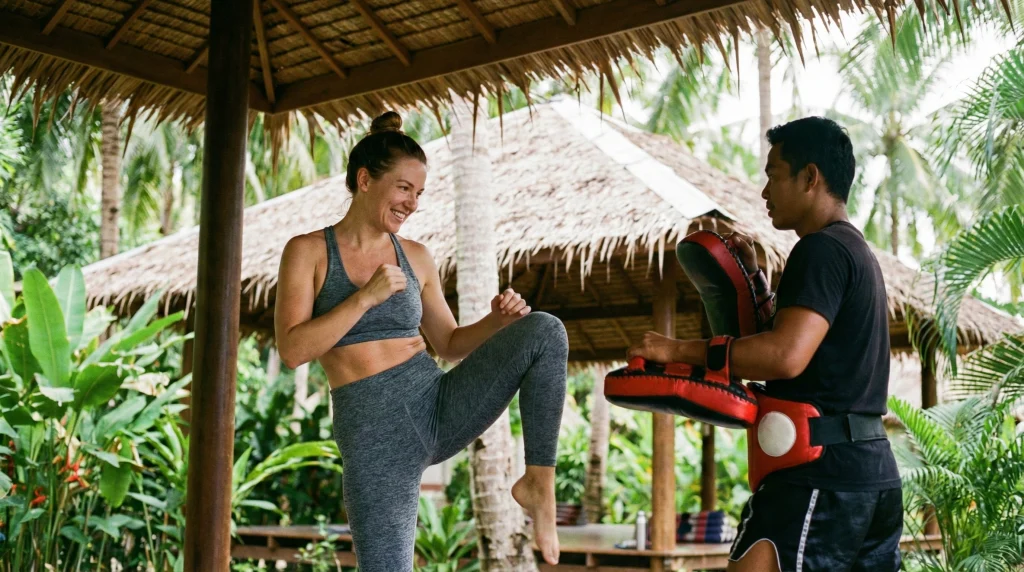
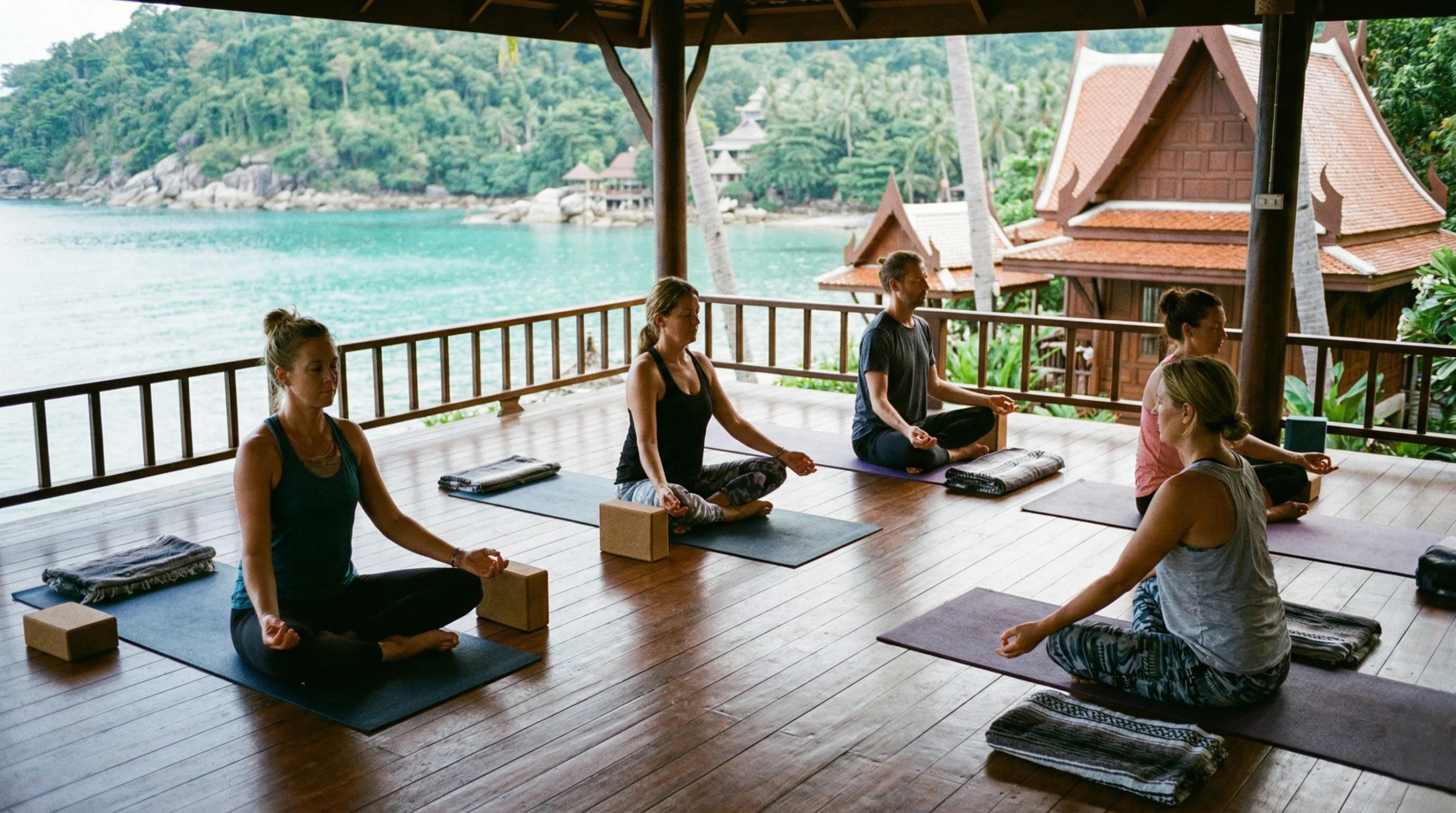
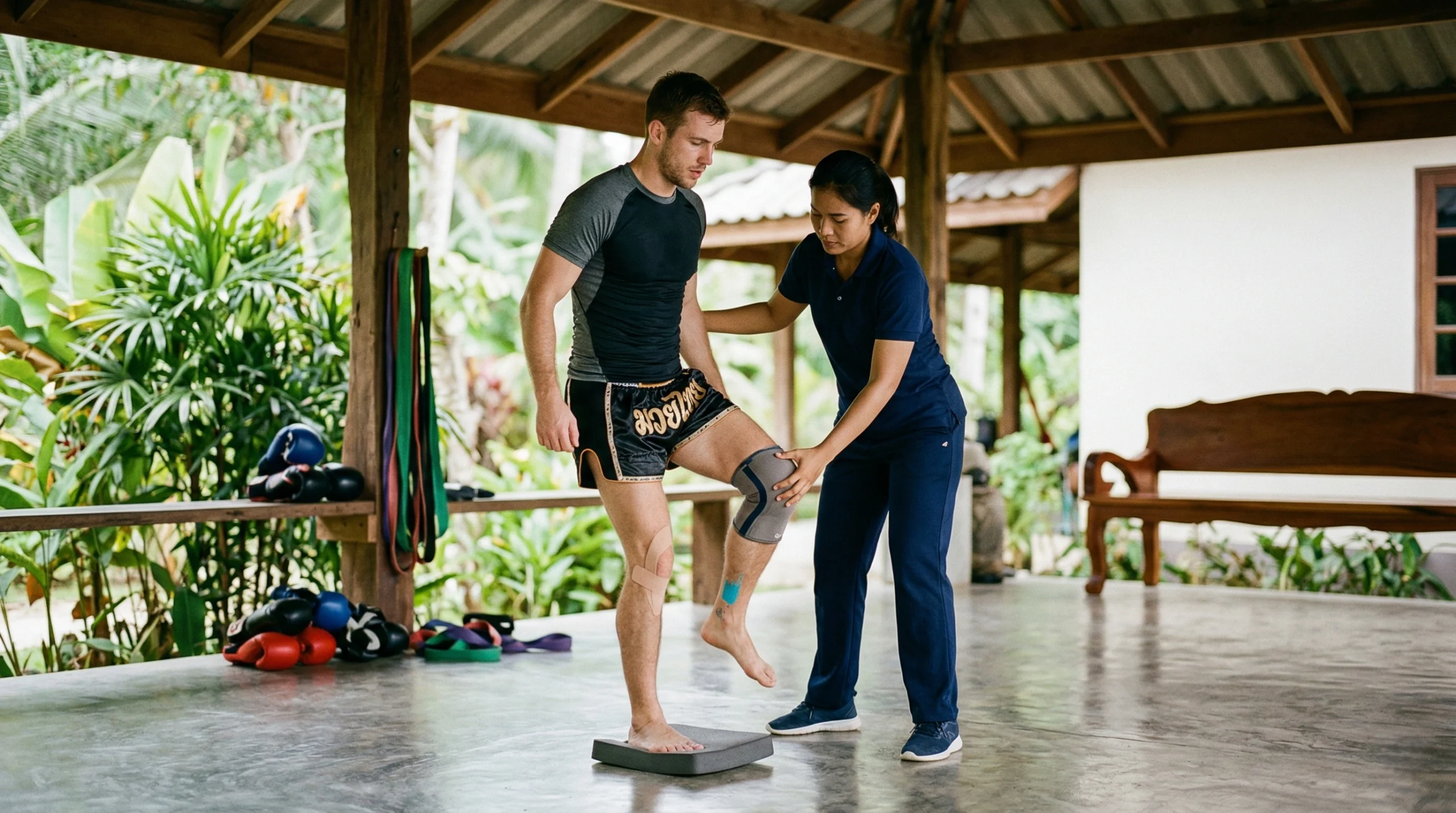
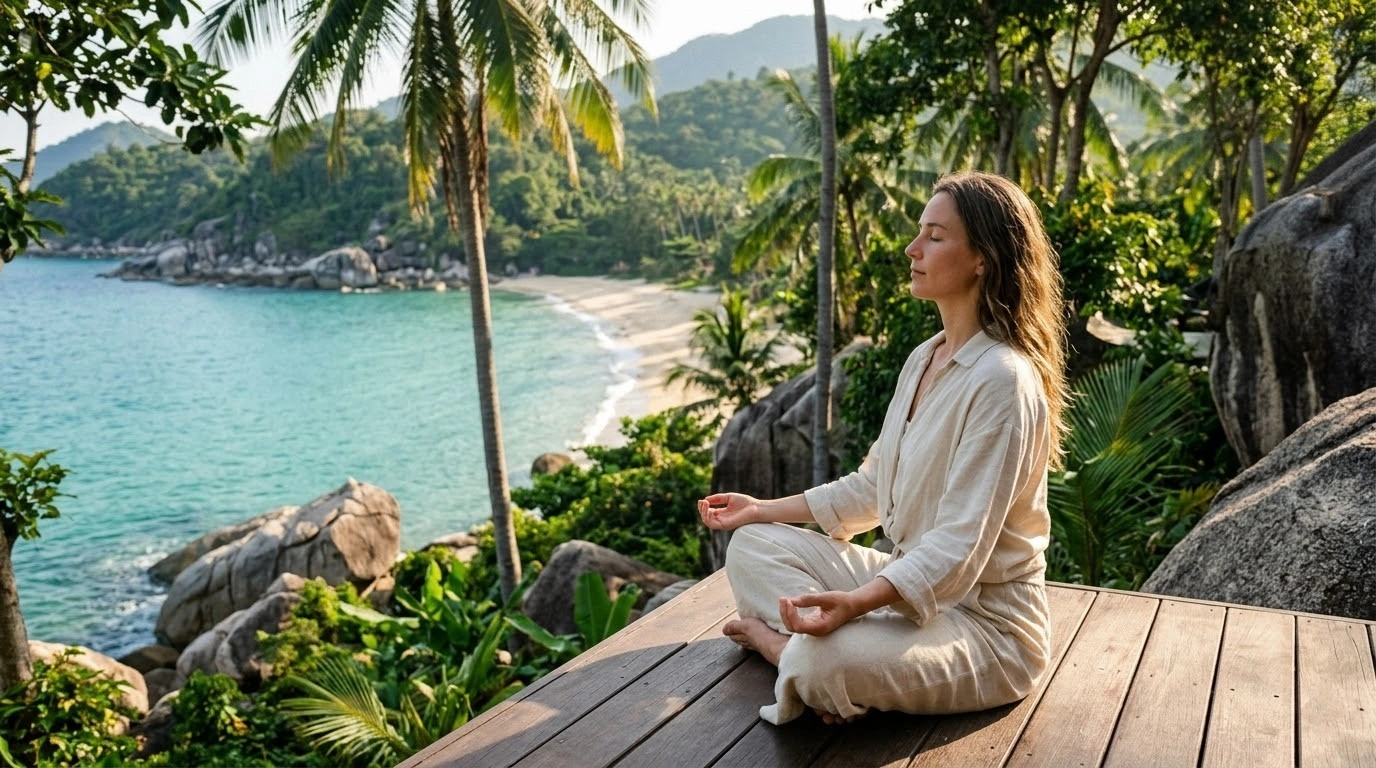
Wellness activities (Yoga, Muay Thai, Massage, Meditation).
Weekend excursions (Elephant sanctuaries, temple visits, island tours).
Airport transfers (VIP meet-and-greet).
Hidden Costs to Watch For:
Medical Detox: Some centres charge a separate fee ($1,000–$2,000) for the medical detox unit if you require it. Always clarify this upfront.
Flights: You are responsible for your own travel to Bangkok or Koh Samui.
Can I Find Luxury 12-Step Rehab Clinics in Thailand?
Absolutely. In fact, “Affordable Luxury” is Thailand’s unique selling point. The concept is that recovery is hard work, so your environment should be as restorative as possible.
Amenities You Won’t Find in the UK
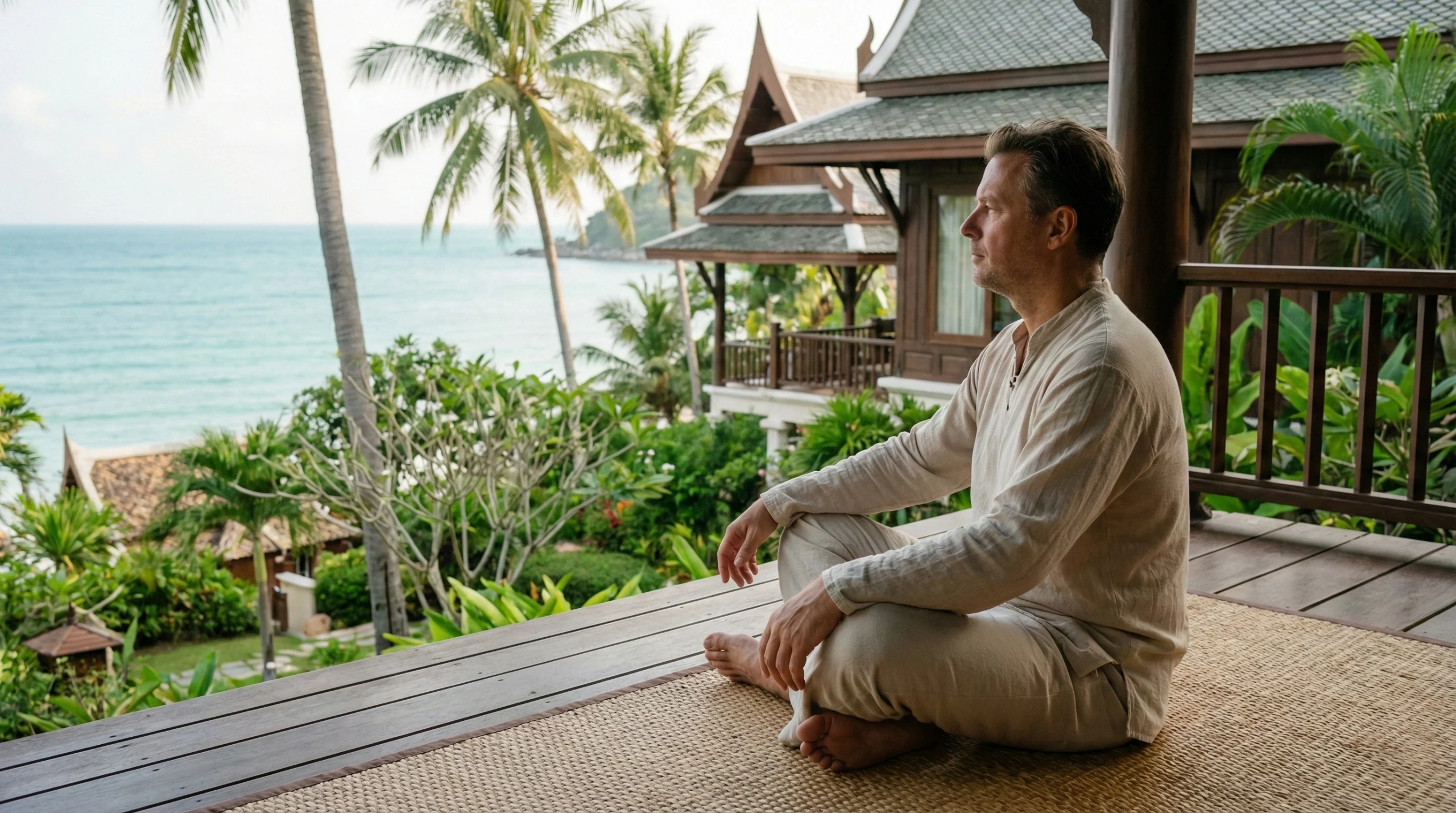
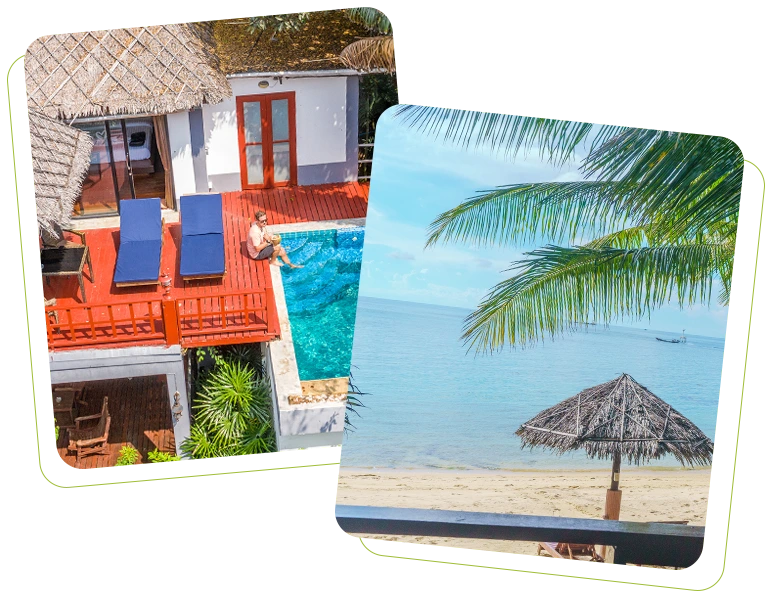
Private Villas: Instead of a hospital room, you stay in a private villa surrounded by jungle or ocean views.
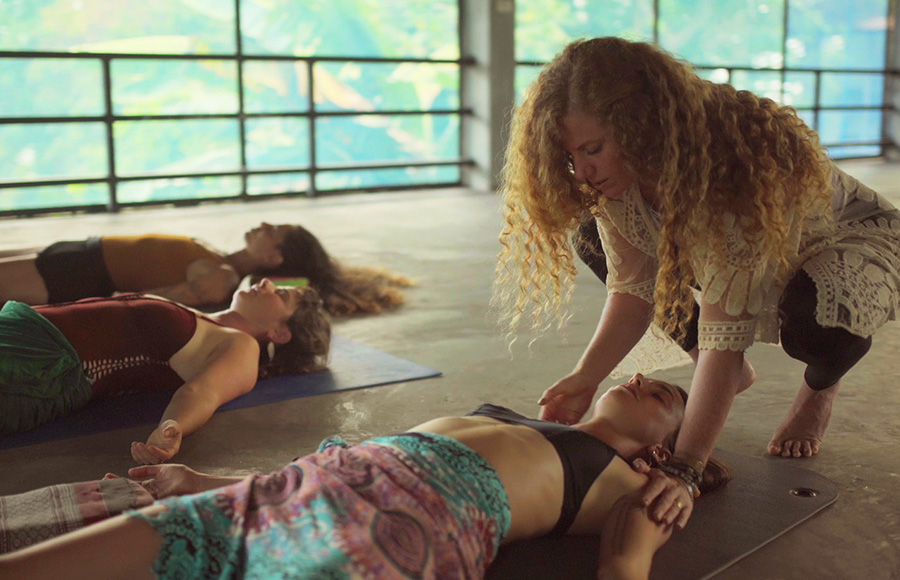
Holistic Wellness: Facilities often include ice baths, saunas, and magnesium pools to help repair your nervous system.
Massage Therapy: Weekly (or daily) Thai massages are standard, helping to release the physical tension of withdrawal.
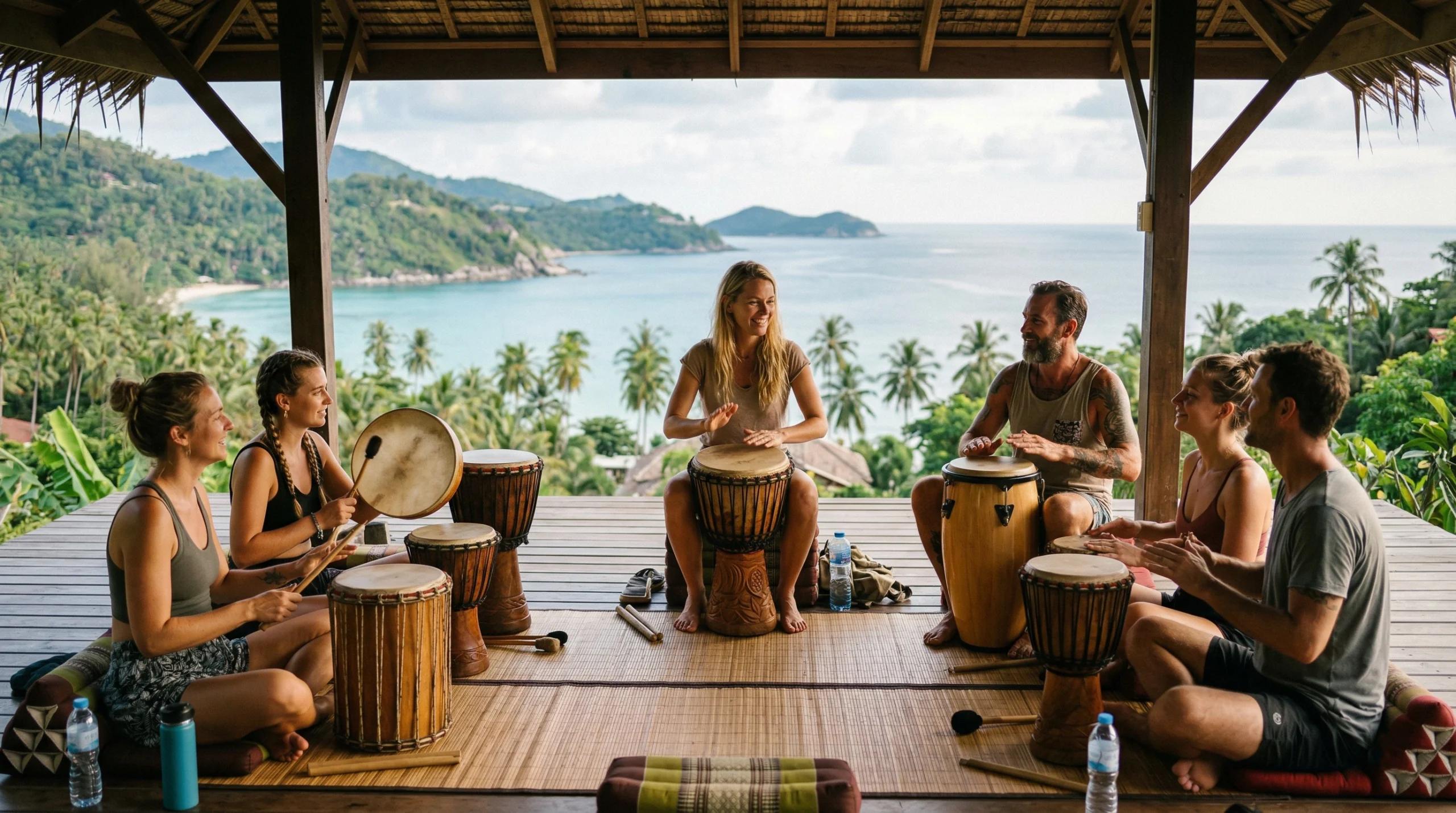
Adventure Therapy: Recovery is about finding joy again. Luxury rehabs integrate activities like paddleboarding, hiking, and snorkeling into the therapeutic schedule.
Are There 12-Step Rehab Centres in Thailand That Offer Detox Programmes?
Yes, and this is critical. You cannot effectively engage with the 12 Steps if you are in acute withdrawal.
The Medical Detox Process
Assessment: Upon arrival, you enter a dedicated medical unit. Doctors assess your toxicology and prescribe a tapering protocol (e.g., Librium for alcohol, Subutex for opioids).
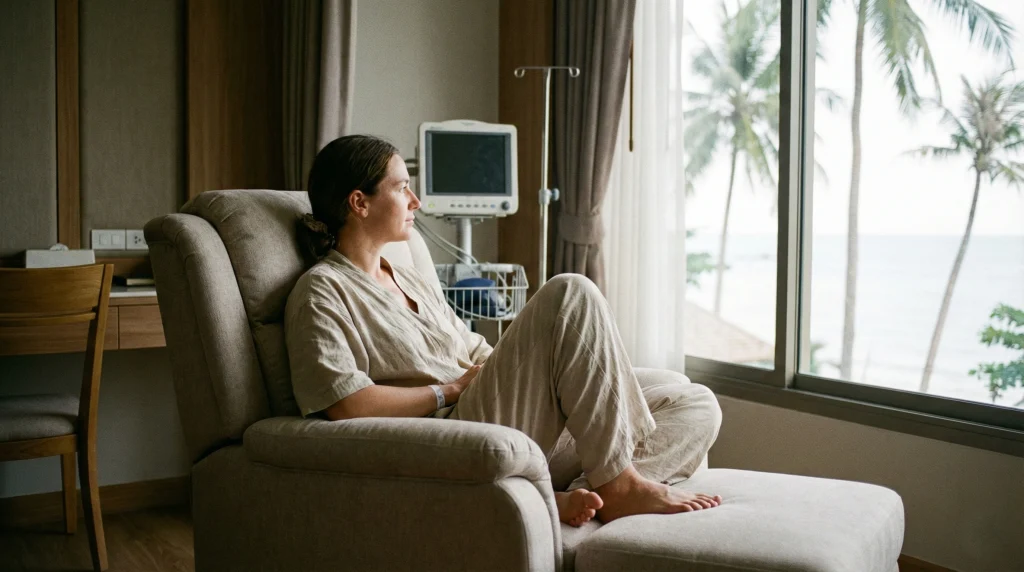
Stabilization: You spend 3–7 days in the medical unit. The focus here is purely physical safety and comfort. Nurses monitor your vitals 24/7.
Transition: Once you are physically stable and mentally clear, you transition into the residential villas. This is when the “real work” of the 12 Steps begins.
Warning: Never book a “Retreat” or “Sober House” that claims they can detox you without a medical license. Alcohol and opioid withdrawal can be dangerous; ensure your chosen centre has a licensed medical unit.
Logistics – Booking, Visas, and Insurance
How to Enrol in a Programme
Admissions teams in Thailand are fast and efficient.
Inquiry: Send a message via WhatsApp or the website contact form.
Clinical Call: You will have a 30-minute assessment with a counselor to ensure you are a good fit.
Deposit: A deposit secures your room.
Confirmation: You receive an admission letter to use for your visa and travel.
What are the Travel Requirements for UK Residents?
Visa Exemption: UK citizens currently get a 30-day (or sometimes 60-day) visa exemption on arrival. This is sufficient for a standard 4-week stay.
Tourist Visa (TR): If you plan to stay for 60–90 days (recommended for 12-Step work), apply for a Tourist Visa at the Thai Embassy in London before you fly.
Non-Immigrant “O” Visa: Some centres can help you secure this visa for medical treatment if you are staying long-term.
Insurance Coverage
Many people assume they must self-pay, but international private health insurance often covers treatment.
Providers: Bupa Global, AXA, Allianz, and Cigna often have policies that cover “Inpatient Rehabilitation.”
The Process: You typically pay the rehab upfront and then file a claim for reimbursement. The rehab will provide the medical invoices and license numbers you need.
FAQ – Specific Questions from Families and Clients
How Long Do Programmes Usually Last?
The 12 Steps are a process of peeling back layers.
28 Days: Introduction to Steps 1, 2, and 3. You get sober and learn the tools.
60 Days: The “sweet spot.” Allows you to do Step 4 (Moral Inventory) and Step 5 (Confession), which are the most transformative parts of the programme.
90 Days: Ideal for chronic relapsers. It cements the new neural pathways and allows time for Steps 6–9 (Amends).
Can I Join a Programme Remotely?
Some centres offer “Online Rehab” or intensive outpatient programmes (IOP) via Zoom. This is a good option for aftercare or if you cannot travel, but it lacks the immersive “pattern break” of residential care.
What About Dual Diagnosis?
If you suffer from depression, anxiety, or PTSD, you must choose a centre that specializes in Dual Diagnosis. The 12 Steps are a spiritual tool; they are not a replacement for psychiatric medication or trauma therapy. Top centres integrate both.
Are There Centres That Cater Specifically to Expats?
Yes. Almost all international rehabs in Thailand are designed for the expat/Western market. You will be in groups with people from the UK, Europe, USA, and Australia. The “language of recovery” is English.
What Aftercare Options Are Available?
Recovery starts when you leave rehab.
Alumni Groups: Weekly online video meetings.
Sober Living: Some clients choose to stay in Thailand in a “secondary care” house for a few months to transition slowly.
UK Referral: The best centres will introduce you to a therapist or 12-Step meeting in your home town before you even board the plane.
Conclusion: Why the 12 Steps in Thailand Work
Recovery is about changing your playground and your playmates. Thailand offers the ultimate pattern interrupt. By removing yourself from the triggers of home and immersing yourself in a culture of kindness, spirituality, and wellness, you give the 12 Steps the best possible chance to take root.
You get the clinical rigour of the West, the hospitality of the East, and a community of peers who are all walking the same path toward freedom.
Discover a Modern Approach to the 12 Steps at Holina Rehab
If you are looking for a place where the timeless wisdom of the 12 Steps meets modern trauma-informed therapy, Holina Rehab is your destination. Located on the wellness island of Koh Phangan, we offer a recovery experience that heals the whole person—mind, body, and spirit.
Why Holina is the Ideal Choice:
The Best of Both Worlds: We don’t just “do the steps.” We integrate the 12-Step model with cutting-edge Somatic Experiencing, CBT, and Trauma Resolution. We believe the Steps clear the spiritual blockage, while therapy heals the underlying pain.
Luxury as Standard: Recovery is hard work; your environment shouldn’t be. Stay in a private villa with your own plunge pool, enjoy chef-prepared nutrition, and reset your nervous system in our ice baths and saunas.
Community & Connection: We are more than a clinic; we are a family. Our small group sizes ensure you are seen, heard, and supported every step of the way.
Licensed & Safe: We are fully licensed by the Thai Ministry of Public Health and offer on-site medical detox, so you can begin your journey safely under the care of doctors and nurses.
The First Step is the Hardest. Let us make the rest easier. Visit www.holinarehab.com today to chat confidentially with our team and see how affordable world-class recovery can be.
About Me
Ian Young
Ian Young is the Global Manager at Holina Care Centres in Koh Phangan, Thailand. Ian oversees the rehabilitation programs that blend the 12 Step model, Psychology, Counselling, Coaching, Somatic and many other therapeutic engagements, alongside various evidence-based therapies with holistic healing practices. Holina Rehab treats addictions, trauma, anxiety, depression, and other emotional challenges, offering comprehensive care in a serene resort environment. Ian, a charismatic speaker and author of “It’s Not About Me” leveraging his own recovery journey from addiction to inspire and guide others toward a fulfilling, addiction-free life.
Recent Blogs
-
29 Jan, 2026
The Ultimate Guide to 12-Step Rehab in Thailand