
Trauma Recovery
Trauma recovery at Holina Rehab is the process of healing the psychological wounds that so often sit underneath addiction — worked through alongside substance use treatment, not apart from it. Through our Dual Treatment programme, licensed therapists address trauma symptoms and addictive behaviour together, using trauma-informed psychotherapy, somatic work, and group support within a single residential programme.
- Licensed Facility
- Medical Detox Available
- Koh Phangan, Thailand
- 30–90 Day Programmes
What Does Trauma Recovery Look Like in Addiction Treatment?
Trauma recovery is the multifaceted process of healing from the psychological and emotional wounds left by traumatic events — wounds that, for many of our residents, are also what is driving their addiction. Trauma is not just a mental experience; it affects the body, emotions, and relationships, and at Holina Rehab it is treated as part of the same programme that treats the addiction itself, not as a separate track.
Within our Dual Treatment programme, trauma is addressed through individual and group therapy alongside the core addiction curriculum — CBT, DBT, and the 12-Step model. Clients work through the emotional pain caused by trauma while building the coping strategies that support sobriety. The goal is not symptom relief alone, but long-term healing that removes the underlying driver of addictive behaviour and supports a balanced life in recovery.
Residential treatment at Holina Rehab costs from USD $9,700 to $18,700 for an all-inclusive 4-week programme (inc. 7% tax) — the only variable is your choice of accommodation. See the full price breakdown by room type →
People with a childhood history of physical or sexual abuse face roughly a 73–74% greater risk of later developing a substance use disorder (National Institute on Drug Abuse, 2015 data). Among women specifically in substance use treatment, an estimated 55–99% report a lifetime history of trauma (SAMHSA, Treatment Improvement Protocol 57, 2014) — compared with a lifetime PTSD prevalence of just 6.8% across the general U.S. adult population (NIMH). Holina’s Dual Treatment programme addresses the addiction and this underlying trauma together, not as separate conditions.

Holina Rehab — Koh Phangan, Thailand
Learn about our Dual Treatment programme for addiction & behavioural health →
How Do You Recognise Trauma Underneath an Addiction?
Trauma and addiction frequently reinforce each other. Recognising these signs — in yourself or a loved one — is often the first step toward finding treatment that addresses both together.
Intrusive Memories
Flashbacks, nightmares, or involuntary memories of the traumatic event, which can trigger cravings or urges to use.
Avoidance
Steering clear of people, places, or situations that recall the trauma — sometimes including avoidance of treatment itself.
Hyperarousal
Difficulty sleeping, irritability, and being easily startled — symptoms many people try to self-manage with substances.
Emotional Numbness
Feelings of hopelessness, detachment from others, or a chronic sense of emptiness.
Self-Destructive Behaviours or Addiction
Using substances, or other compulsive behaviours, as a way of coping with unresolved emotional pain.
Difficulty Trusting Others
Struggling to form or maintain healthy relationships — a barrier to both connection and sustained recovery.
What Does the Trauma Recovery Journey at Holina Rehab Involve?
At Holina Rehab, trauma is treated as an integrated part of addiction recovery, not a separate experience layered on top of it. Whether the underlying trauma stems from childhood experiences, a single traumatic event, or repeated exposure over time, our multidisciplinary team addresses it within the same residential programme that treats the addiction, through our Dual Treatment programme.
Assessment
Clinical evaluation identifies how the addiction and any underlying trauma connect for this individual.
Stabilisation
Medically supervised detox, where needed, creates the physical safety that trauma work requires.
Trauma Processing
Individual and group therapy address the trauma driving the addiction, alongside CBT, DBT and the 12-Step model.
Integration & Aftercare
Coping strategies and a relapse-prevention plan carry the healing into daily life.
Trauma Work, Delivered Inside the Addiction Programme
-
Trauma-Informed Psychotherapy & EMDR
Addressing the emotional wounds of the past directly, without re-traumatising, integrated with the 12-Step model, CBT and DBT used across the wider programme.
-
Somatic Therapies
Releasing trauma stored in the body, working alongside the clinical team’s addiction-focused modalities.
-
Breathwork & Mindfulness
Restoring nervous-system regulation that supports both trauma recovery and relapse prevention.
-
Group Therapy & Peer Support
Community-driven healing that reduces the isolation trauma and addiction both create.
This is the same integrated model at the centre of our Dual Treatment programme for addiction and behavioural health, which treats the addiction and the trauma beneath it side by side, not sequentially.
“Luxurious surroundings, the very best A+ care, and a varied and interesting programme. Cannot recommend highly enough.”
— Nish, Recovery.com Review, 17 April 2025 · ★★★★★
Trauma Recovery: Frequently Asked Questions
Is trauma recovery part of addiction treatment at Holina Rehab, or a separate programme?
It’s part of the same programme. Trauma recovery at Holina Rehab is delivered through our Dual Treatment approach, which treats addiction and the trauma behind it side by side within a single residential stay — not as a standalone service or add-on.
What are the signs that trauma is driving someone’s addiction?
Common indicators include intrusive memories or flashbacks, avoidance of people or places connected to the trauma, hyperarousal (poor sleep, irritability, being easily startled), emotional numbness, difficulty trusting others, and using substances or other self-destructive behaviours to cope with unresolved pain. These are assessed as part of every client’s intake at Holina Rehab.
How is trauma actually treated during residential addiction treatment?
Through trauma-informed psychotherapy and EMDR, somatic therapies that address trauma stored in the body, breathwork and mindfulness practice, and group therapy — delivered alongside the CBT, DBT, and 12-Step model that form the core of the addiction programme.
Does everyone in addiction treatment have underlying trauma?
No, but it is common. Research cited by SAMHSA estimates that 55–99% of women in substance use treatment report a history of trauma, and a childhood history of abuse significantly raises the risk of developing a substance use disorder later in life. Every client at Holina Rehab is assessed individually rather than assumed to fit a pattern.
Who leads trauma treatment at Holina Rehab?
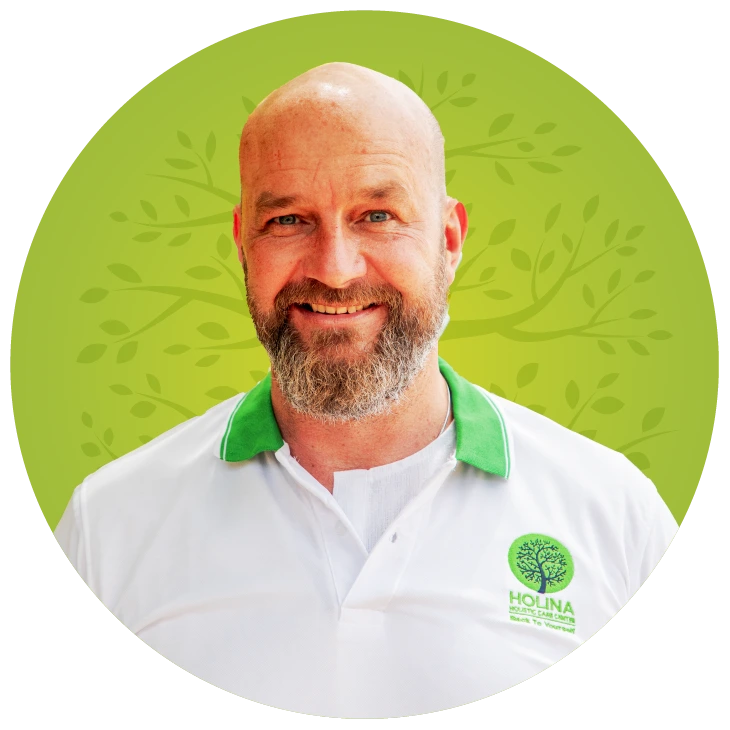
Trauma work is led by our Trauma Therapist, Marc Rower, who integrates 12-step recovery with trauma-focused psychotherapy to uncover the root causes of addictive behaviour, working alongside the wider clinical team.
How do I find out if Holina’s Dual Treatment programme is right for me or a loved one?
Contact our admissions team for a confidential conversation. We’ll talk through the situation and, if appropriate, begin a clinical assessment that looks at both the addiction and any underlying trauma. Learn more about our Dual Treatment programme or contact our team directly.
Ready to Begin Your Recovery?
Our admissions team responds the same day — seven days a week, in full confidence.
+66 (0) 82 113 0657 or contact us online ↓