
Fentanyl Addiction Treatment in Thailand
Fentanyl is powerful enough that even a small amount can be fatal, which makes medically supervised detox essential — never something to attempt alone. Holina Rehab provides round-the-clock on-site physician oversight and approved opioid tapering protocols in a licensed residential setting on Koh Phangan, equipped for the highest level of clinical acuity.
- Licensed Facility
- Medical Detox Available
- Koh Phangan, Thailand
- 30–90 Day Programmes
What is Fentanyl Addiction?
Fentanyl is a synthetic opioid 50 to 100 times more potent than morphine. It is increasingly present in illicit drug supplies worldwide — often mixed into other substances without the user’s knowledge — making fentanyl dependency one of the most medically acute addiction presentations. Even small amounts can cause overdose, and withdrawal requires immediate, closely supervised medical care.
At Holina Rehab, we treat fentanyl and high-potency opioid dependency with the clinical urgency it demands. Our on-site physician and nursing team provide round-the-clock oversight during the detox phase, with approved opioid tapering protocols to manage withdrawal safely and prevent acute complications.
Alongside medical detox, we provide intensive psychological therapy addressing the trauma, pain, and emotional drivers of opioid use, and a structured aftercare programme to support sustained recovery from fentanyl dependency.
According to the US Centers for Disease Control and Prevention (CDC), nearly 73,000 US drug overdose deaths in 2023 involved synthetic opioids — primarily illicitly manufactured fentanyl — accounting for nearly 92% of all opioid overdose deaths that year. There is real cause for hope: total US opioid overdose deaths fell from 79,358 in 2023 to 54,045 in 2024, with declines in fentanyl-involved deaths driving most of the overall drop — evidence that treatment and harm-reduction work. The WHO identifies fentanyl as a controlled substance and emphasises that treatment of high-potency opioid dependency requires medically supervised detoxification.

Holina Rehab — Koh Phangan, Thailand
What Are the Signs of Fentanyl Addiction?
Because fentanyl is so potent, dependence can develop quickly and escalate dangerously. Warning signs span the physical, behavioural, and psychological — the signs below cover what families and individuals most often notice.
Extreme Physical Withdrawal
Severe withdrawal symptoms including intense pain, sweating, vomiting, and anxiety beginning within hours of the last dose.
High Overdose Risk
Episodes of overdose, near-overdose, or loss of consciousness related to use.
Rapidly Escalating Tolerance
Needing dramatically increasing amounts to avoid withdrawal — a hallmark of high-potency opioid dependency.
Using Illicit or Unverified Substances
Obtaining opioids from unregulated sources where fentanyl contamination is a known risk.
Cognitive and Physical Deterioration
Extreme fatigue, confusion, and declining physical health.
Financial Collapse
Spending escalating amounts to maintain supply and avoid withdrawal.
Social Isolation
Complete withdrawal from family, friends, and professional life.
Continued Use Despite Near-Fatal Consequences
Persisting despite overdoses or awareness of lethal contamination risk.
Inability to Stop Without Medical Help
Repeated failed attempts to stop, with withdrawal proving physically unmanageable without support.
How Do We Treat Fentanyl Addiction at Holina Rehab?
We treat fentanyl dependency through a structured, medically supervised pathway: 24-hour physician-overseen opioid detox with approved tapering protocols, followed by trauma-informed therapy, our Dual Treatment programme, and long-term relapse-prevention planning.
Assessment
Comprehensive clinical and psychological evaluation. Individual treatment plan from day one.
Medical Detox
Doctor-supervised withdrawal management with medication to ensure safety and comfort.
Primary Care
CBT, DBT, group therapy, trauma work, holistic treatments and daily structure.
Aftercare
Relapse prevention plan, continuing care referrals, and alumni community support.

Evidence-Based. Individually Tailored.
-
High-Acuity Opioid Detox
Fentanyl withdrawal is medically acute. Our on-site physician provides close monitoring and uses approved opioid tapering protocols — including methadone or buprenorphine support where clinically indicated — to manage withdrawal safely and prevent complications.
-
24-Hour Clinical Oversight During Detox
Our nursing team provides round-the-clock monitoring during the fentanyl detox phase, with immediate medical response capability for any acute presentations.
-
Trauma-Informed Opioid Recovery
High-potency opioid dependency is frequently rooted in chronic pain, trauma, or severe emotional distress. Our dual treatment model addresses both the dependency and its underlying drivers through CBT, trauma therapy, and somatic work.
A Different Kind of Recovery

Licensed Medical Facility
Holina Rehab is fully licensed by the Thai Ministry of Public Health and operates under international addiction treatment standards. Our on-site physician, nursing staff, and experienced addiction therapists provide 24-hour clinical oversight throughout your programme.
Medical detoxification, dual treatment for addiction and behavioural health, and evidence-based therapy are delivered within a single integrated residential setting — no referrals, no gaps in care.

The Koh Phangan Recovery Environment
The tropical island setting — sea air, natural surroundings, and distance from daily life — creates conditions for the psychological reset that recovery requires. Koh Phangan is home to one of Asia’s largest healing communities.
Clients benefit from private beach access, swimming pools, on-site gym, a nutritious restaurant, and a range of holistic therapies that complement the clinical programme.
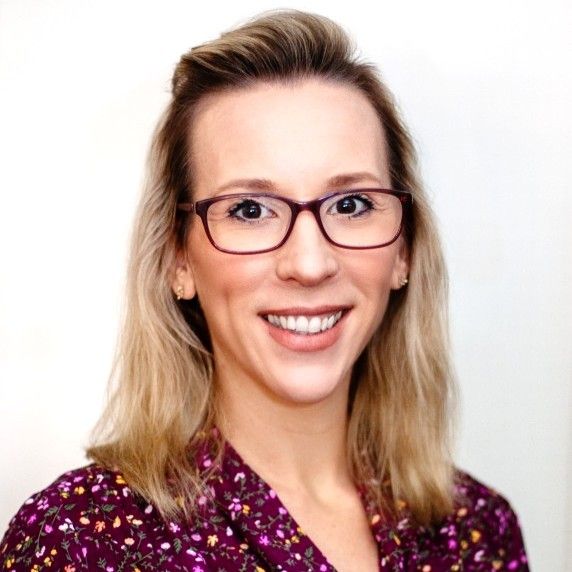
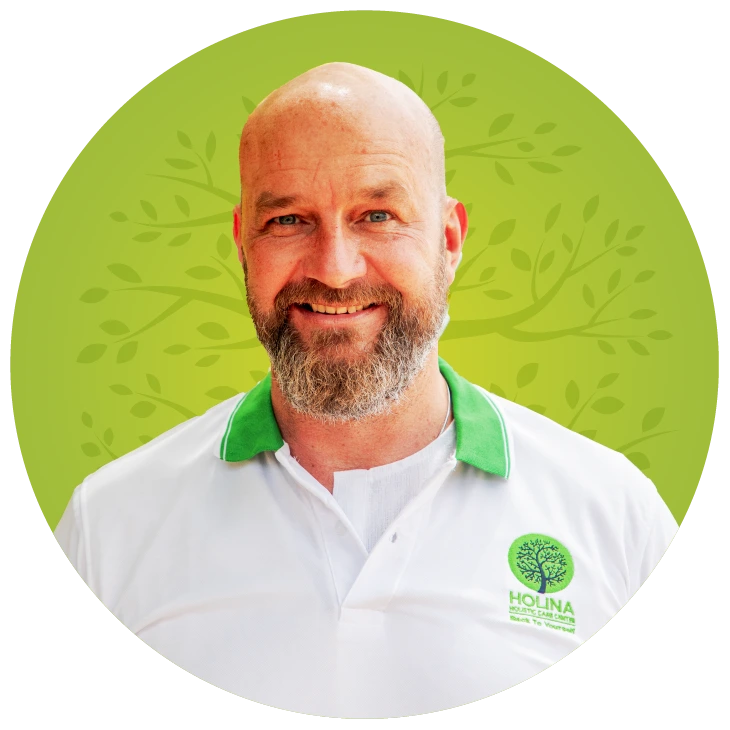
Our Clinical Team
Treatment at Holina Rehab is led by qualified medical professionals and experienced addiction therapists. Every client is under active clinical supervision throughout their programme.


Licensed by the Thai Ministry of Public Health · Residential Rehab Licence #84-03-00294 · International Addiction Treatment Standards
Fentanyl Addiction Treatment: Frequently Asked Questions
Why is fentanyl so much more dangerous than other opioids?
Fentanyl is roughly 50 to 100 times more potent than morphine, so the difference between a tolerated dose and a fatal one is extremely small. It is also increasingly mixed into other illicit drugs — including heroin, counterfeit pills, and stimulants — often without the user’s knowledge. This combination of extreme potency and unknowing contamination is what makes fentanyl one of the most medically acute addiction presentations we treat.
Is fentanyl withdrawal itself life-threatening, or is the danger mainly overdose risk?
As with heroin, fentanyl withdrawal is severe and deeply uncomfortable but is rarely directly fatal when medically supervised. The most serious acute danger is overdose — driven by fentanyl’s potency and the frequent contamination of the drug supply, and by relapse after tolerance has dropped during a period of abstinence. This is why detox should never be attempted alone.
How quickly can fentanyl dependency develop?
Because of its potency, physical dependence on fentanyl can develop rapidly — often more quickly than with less potent opioids. The speed varies by dose, frequency, and route of use, but the risk of dependence and overdose is present from very early exposure, which is why early, professional intervention matters.
What makes Holina’s approach appropriate for such high-acuity cases?
Holina Rehab is a licensed residential facility (Licence #84-03-00294) offering round-the-clock on-site physician oversight throughout detox, with approved opioid tapering protocols. High-potency opioid dependency requires this level of medical supervision, followed by trauma-informed therapy addressing the underlying causes of addiction.
Can my family be involved in treatment?
Yes. Family involvement is an important part of lasting recovery. Learn more about our family addiction support.
Does insurance cover fentanyl addiction treatment at Holina?
Holina Rehab is a private-pay facility and does not bill insurance directly. Residents can use our financing options to fund treatment. Review our guidance on rehab insurance and financing and how much rehab costs in Thailand, or contact our team.
Ready to Begin Your Recovery?
Our admissions team responds the same day — seven days a week, in full confidence.
+66 (0) 82 113 0657 or contact us online ↓