
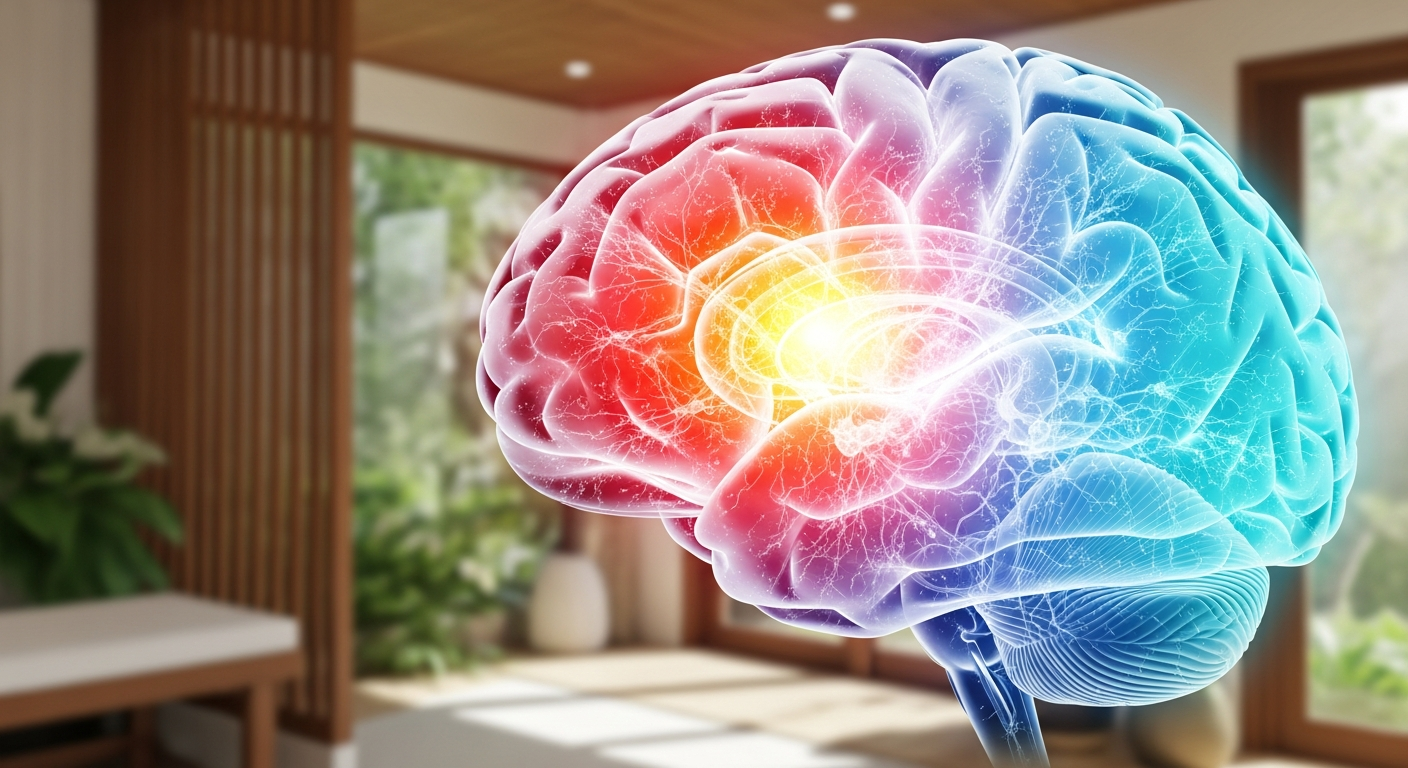
Something remarkable is happening inside the brains of people struggling with addiction — and it has nothing to do with willpower or moral failure. Beneath the cycles of craving, withdrawal, and relapse lies a measurable, biological process that researchers are only beginning to fully understand: neuroinflammation. Chronic substance use triggers a persistent inflammatory response deep within brain tissue, damaging the very neural pathways responsible for decision-making, emotional regulation, and the capacity for joy. For many people, this brain inflammation continues long after the last drink or drug — quietly undermining recovery from the inside out.
This is why many residential programmes are moving well beyond traditional talk therapy and 12-step models. At premium rehab centres across Southeast Asia, evidence-based facilities are integrating advanced adjunct therapies designed to address addiction at a neurological level. Among the most promising of these is hyperbaric oxygen therapy (HBOT) — a physician-supervised treatment that delivers concentrated oxygen under increased atmospheric pressure, supporting the brain’s natural capacity to heal inflamed and oxygen-deprived tissue.
The science behind HBOT neuroinflammation treatment is compelling, and the clinical interest is growing rapidly. For individuals seeking anti-inflammatory addiction therapy in Thailand, options now exist that combine luxury residential care with genuinely progressive medical thinking. Understanding why hyperbaric chamber rehab is gaining momentum — and what it actually does inside a recovering brain — matters enormously when choosing where to begin the most important journey of your life.
Let’s explore what the research tells us, and why it changes everything about how we approach brain inflammation recovery.
What Neuroinflammation Actually Does to the Addicted Brain
When most people think about addiction, they picture the psychological grip of craving or the physical discomfort of withdrawal. What rarely enters the conversation — and what neuroscience has spent the last decade quietly documenting — is the sustained inflammatory damage happening deep inside the brain itself. Neuroinflammation is not a side effect of addiction. For many people, it is one of the central engines driving it.
Prolonged substance use — whether alcohol, opioids, stimulants like cocaine and methamphetamine, or even heavy benzodiazepine dependency — activates the brain’s resident immune cells, known as microglia. Under normal circumstances, microglia are protective. They clear cellular debris, respond to injury, and help maintain the delicate environment neurons need to function. But when chronically activated by repeated substance exposure, these same cells begin releasing pro-inflammatory cytokines, including interleukin-1β, interleukin-6, and tumour necrosis factor-alpha (TNF-α) — a mechanism documented in reviews of microglial involvement in substance use disorder. The result is a neurochemical environment that actively works against recovery.
This matters enormously for anyone entering residential treatment, because neuroinflammation does not simply resolve once the substance is removed. Research published in journals including Neuropsychopharmacology and Brain, Behavior, and Immunity has demonstrated that microglial activation can persist for months — and in some cases years — after abstinence begins, consistent with the broader neuroimmune model of addiction summarised by the National Institutes of Health. This helps explain several phenomena that frustrate both clients and their treatment teams:
- Prolonged cognitive fog: Difficulty concentrating, processing new information, or retaining what is discussed in therapy sessions, even weeks into treatment
- Emotional dysregulation: Heightened anxiety, irritability, and emotional volatility that persist well beyond acute withdrawal
- Anhedonia: The inability to feel genuine pleasure or motivation — a direct consequence of inflammatory interference with dopaminergic signalling in the nucleus accumbens and prefrontal cortex
- Disrupted sleep architecture: Inflammatory cytokines interfere with slow-wave and REM sleep, undermining the very restorative processes the brain needs to begin healing
- Elevated relapse vulnerability: Animal and human studies consistently link higher levels of neuroinflammatory markers with stronger cue-induced craving and reduced impulse control
Understanding this biological reality changes how thoughtful clinicians approach residential treatment. Addressing the psychological dimensions of addiction through evidence-based therapies — trauma-focused care, cognitive behavioural approaches, somatic work — remains absolutely foundational. But when the brain itself is operating within a state of chronic inflammation, the effectiveness of every other intervention is compromised. Personalised, physician-supervised programmes that acknowledge this physiological layer are increasingly incorporating targeted adjunct therapies designed specifically to reduce neuroinflammatory burden and restore the brain’s capacity to heal.
One such intervention, now appearing in a growing number of premium residential settings, is hyperbaric oxygen therapy — and the rationale behind its inclusion is grounded in measurable biology, not wellness trend-chasing.
How Hyperbaric Oxygen Therapy Targets the Inflamed Addicted Brain
When someone enters residential treatment for alcohol dependence, opioid addiction, or long-term stimulant use, the visible symptoms — the cravings, the mood dysregulation, the fractured sleep — are only part of the picture. Beneath the surface, their brain is often locked in a state of chronic neuroinflammation, with glial cells chronically activated, oxidative stress depleting antioxidant reserves, and cerebral blood flow significantly reduced in regions governing decision-making, impulse control, and emotional regulation. Standard psychotherapy and medication-assisted treatment address the psychological and neurotransmitter dimensions of this process, but they do not directly resolve the underlying tissue-level oxygen deficit and inflammatory burden. This is precisely where Hyperbaric Oxygen Therapy, known as HBOT, enters as a meaningful clinical adjunct.
HBOT involves breathing near-pure oxygen inside a pressurised chamber, typically at 1.5 to 2.5 atmospheres absolute. At these pressures, oxygen dissolves directly into blood plasma — bypassing haemoglobin entirely — and reaches tissues that compromised circulation would otherwise leave oxygen-starved. For the recovering brain, this mechanism has several clinically relevant downstream effects that have attracted growing interest in addiction medicine research.
The evidence points to a number of specific neurological processes that HBOT appears to support during addiction recovery:
- Reduction of microglial hyperactivation: Pressurised oxygen has been shown in peer-reviewed studies to downregulate pro-inflammatory cytokines including IL-1β and TNF-α, helping to shift overactivated microglia away from their destructive inflammatory state.
- Restoration of cerebral blood flow: Neuroimaging studies involving individuals with substance use histories consistently show hypoperfusion in the prefrontal cortex. HBOT stimulates angiogenesis — the formation of new blood vessels — gradually improving perfusion to regions critical for sustained recovery.
- Mitochondrial repair and ATP production: Chronic substance use damages mitochondrial function, contributing to the profound fatigue and cognitive fog many people experience early in recovery. Elevated oxygen availability supports cellular energy restoration at a foundational level.
- Upregulation of antioxidant enzymes: Rather than simply flooding the brain with oxygen, HBOT triggers an adaptive hormetic response, increasing the brain’s own production of superoxide dismutase and other protective antioxidants.
- Neuroplasticity support: Emerging research indicates that HBOT may increase expression of brain-derived neurotrophic factor, or BDNF — a protein essential for the synaptic rewiring that underpins lasting behavioural change.
It is important to be clear about what HBOT is not. It is not a standalone treatment, and responsible programmes always position it as one carefully integrated layer within a physician-supervised, personalised recovery plan. A 2024 review of HBOT’s neurological mechanisms in Frontiers in Neurology documents its capacity to reduce inflammatory cytokine activity and support angiogenesis, though that evidence comes from HBOT research generally rather than addiction-specific trials. At a clinical level, its value lies in creating more favourable neurological conditions — a brain that is less inflamed, better perfused, and more metabolically resourced — within which evidence-based therapies such as trauma-focused CBT, EMDR, and somatic work can operate more effectively. When a person’s prefrontal cortex is no longer starved of oxygen and overwhelmed by inflammatory signalling, the work of therapy becomes genuinely more accessible to them.
“Inflammation in the brain doesn’t announce itself the way a craving does, but it’s often what’s keeping a person stuck in fog and irritability months into sobriety. Treating that biological layer, not just the psychological one, is what changes outcomes.”
What to Expect When Hyperbaric Oxygen Therapy Is Part of Your Treatment Plan
For those considering a residential programme that incorporates hyperbaric oxygen therapy (HBOT), understanding what the experience actually involves — and how it fits within a broader, physician-supervised treatment framework — can help set realistic and meaningful expectations.
At a clinical level, HBOT sessions typically involve resting inside a pressurised chamber where the atmospheric pressure is raised to between 1.5 and 2.5 times normal levels. At this pressure, the lungs absorb significantly more oxygen than they would under ordinary conditions, allowing oxygen-saturated plasma to reach tissues and regions of the brain that compromised circulation might otherwise leave under-served. Each session generally lasts between 60 and 90 minutes. In the context of addiction recovery, treatment protocols commonly involve multiple sessions per week across several weeks, integrated alongside other therapeutic modalities rather than delivered in isolation.
It is the integration that matters most. HBOT is not a standalone intervention — it is one carefully selected component within a personalised treatment plan that should also include:
- Physician-supervised medical management — including assessment of withdrawal history, nutritional status, cardiovascular health, and any contraindications to pressurised oxygen therapy such as certain respiratory conditions
- Evidence-based psychological therapies — such as Cognitive Behavioural Therapy, trauma-informed modalities, and Dialectical Behaviour Therapy, which address the psychological and emotional architecture of addictive behaviour
- Nutritional and sleep support — both of which directly influence neuroinflammatory markers and the brain’s capacity to consolidate therapeutic gains
- Mindfulness and somatic practices — which complement the neurological stabilisation HBOT supports by helping regulate the autonomic nervous system
- Peer connection and relapse prevention planning — foundational elements of sustained recovery that no single biological intervention replaces
Residents at Holina Rehab in Koh Phangan, Thailand, receive HBOT as part of a holistic, luxury residential programme designed around the whole person — not simply the symptoms. Every treatment plan is developed collaboratively with medical and therapeutic staff, taking into account each individual’s history with substances, trauma background, physical health, and personal recovery goals.
The research surrounding neuroinflammation and addiction continues to mature, and the early clinical evidence supporting HBOT’s role in reducing inflammation, improving cerebral blood flow, and supporting cognitive restoration is genuinely promising. What remains consistent across the science is a straightforward principle: the brain heals more effectively when it is given the right conditions — adequate oxygen, reduced inflammatory burden, professional support, and time. A thoughtfully designed residential programme brings all of these elements together, offering individuals a strong, evidence-based foundation for lasting, meaningful recovery.
The relationship between neuroinflammation and addiction is no longer a peripheral consideration in modern treatment — it sits at the very centre of why so many people struggle to recover despite genuine commitment and effort. When the brain’s inflammatory pathways remain activated, cravings persist, emotional regulation suffers, and the neurological repair that makes lasting sobriety possible is consistently undermined. Addressing this biological reality is not optional; it is foundational to meaningful, durable recovery.
Hyperbaric oxygen therapy offers a clinically credible, physician-supervised pathway to reducing that neuroinflammatory burden. By delivering concentrated oxygen under controlled atmospheric pressure, HBOT supports mitochondrial function, attenuates microglial activation, and creates the neurochemical conditions in which genuine healing can begin. When integrated within a comprehensive, personalised residential programme — alongside evidence-based psychiatric care, trauma-informed therapy, and structured holistic support — it becomes a powerful component of a treatment model built around the whole person, not simply the substance.
“Ive just finished three months of treatment at Holina and can honestly say it was the best choice of my life.”
— Matthew Hill, Google Review, 1 Apr 2026 · ★★★★★
At Holina Rehab in Koh Phangan, Thailand, we bring together these advancing therapeutic modalities within a serene, luxury residential environment designed to support deep and lasting transformation. Our multidisciplinary clinical team works with each resident individually, ensuring that every treatment decision is grounded in evidence and tailored to your unique neurobiology and history.
If you or someone you love is ready to explore a more complete approach to recovery, including our approach to trauma treatment, we warmly invite you to reach out to the Holina Rehab team today and begin the conversation.
Ready to Start Your Recovery Journey?
Our clinical team is available to answer your questions and help you find the right programme for your needs.
Speak with Our Team →