
Cocaine is one of the most widely used stimulants in the world, and the same questions come up again and again — from people who use it and from the families who worry about them. Below we answer four of the most common questions about cocaine directly and briefly. If cocaine use has started to feel out of control, the most important thing to know is that addiction is treatable, and this article ends with how to get help.
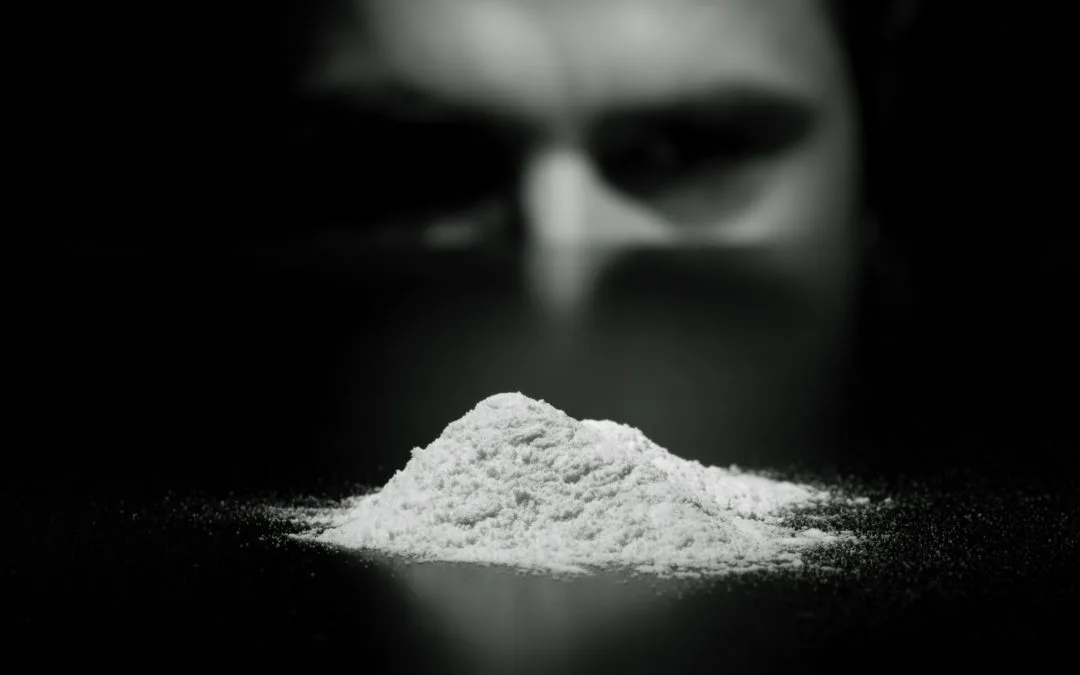
1. How long does cocaine stay in your system?
Cocaine itself is cleared from the body quickly, but drug tests usually look for its main breakdown product, benzoylecgonine, which lingers longer. As a general guide:
- Blood and saliva: around 1 to 2 days after use.
- Urine: commonly 2 to 4 days, but detectable for up to about 9 days in heavy or long-term users.
- Hair: up to roughly 90 days (about three months).
These are typical ranges only. The actual window depends on how much and how often a person uses, their metabolism, body weight and hydration, and the sensitivity of the test (NCBI, Substance Abuse: Clinical Issues in Intensive Outpatient Treatment; Verstraete, Therapeutic Drug Monitoring, 2004). It is worth remembering that how long cocaine can be detected has nothing to do with how long recovery takes — that is a separate, longer journey.
2. Why is cocaine so addictive?
Cocaine binds to the dopamine transporter in the brain and blocks it, so dopamine — the chemical linked to pleasure and reward — builds up in the reward centre known as the nucleus accumbens instead of being reabsorbed. That flood of dopamine produces the intense, euphoric high (National Institute on Drug Abuse — Cocaine).
The problem is that the high is short-lived, often fading within 20 to 30 minutes. As it wears off, the brain has already learned to associate cocaine with reward and pushes hard to repeat it, which is why use so often turns into binges and, over time, into dependence (NCBI, Treatment for Stimulant Use Disorders). Cravings can remain long after someone stops using, which is one reason professional support makes such a difference.
3. What is the difference between cocaine and crack cocaine?
They are the same drug in two different chemical forms. Powder cocaine is the water-soluble hydrochloride salt, usually snorted or dissolved and injected. Crack is the freebase form, made by processing cocaine with baking soda and water into a solid that can be smoked (National Institute on Drug Abuse — Cocaine).
The key practical difference is speed. Snorted cocaine can take 5 to 30 minutes to take effect, whereas smoking crack reaches the brain almost instantly — within about 8 to 10 seconds — but the high is even shorter, lasting only around 10 minutes (FRANK — Cocaine). That very fast, very brief hit is part of why crack can drive especially compulsive use. Both forms carry serious risks to the heart, mind and general health.
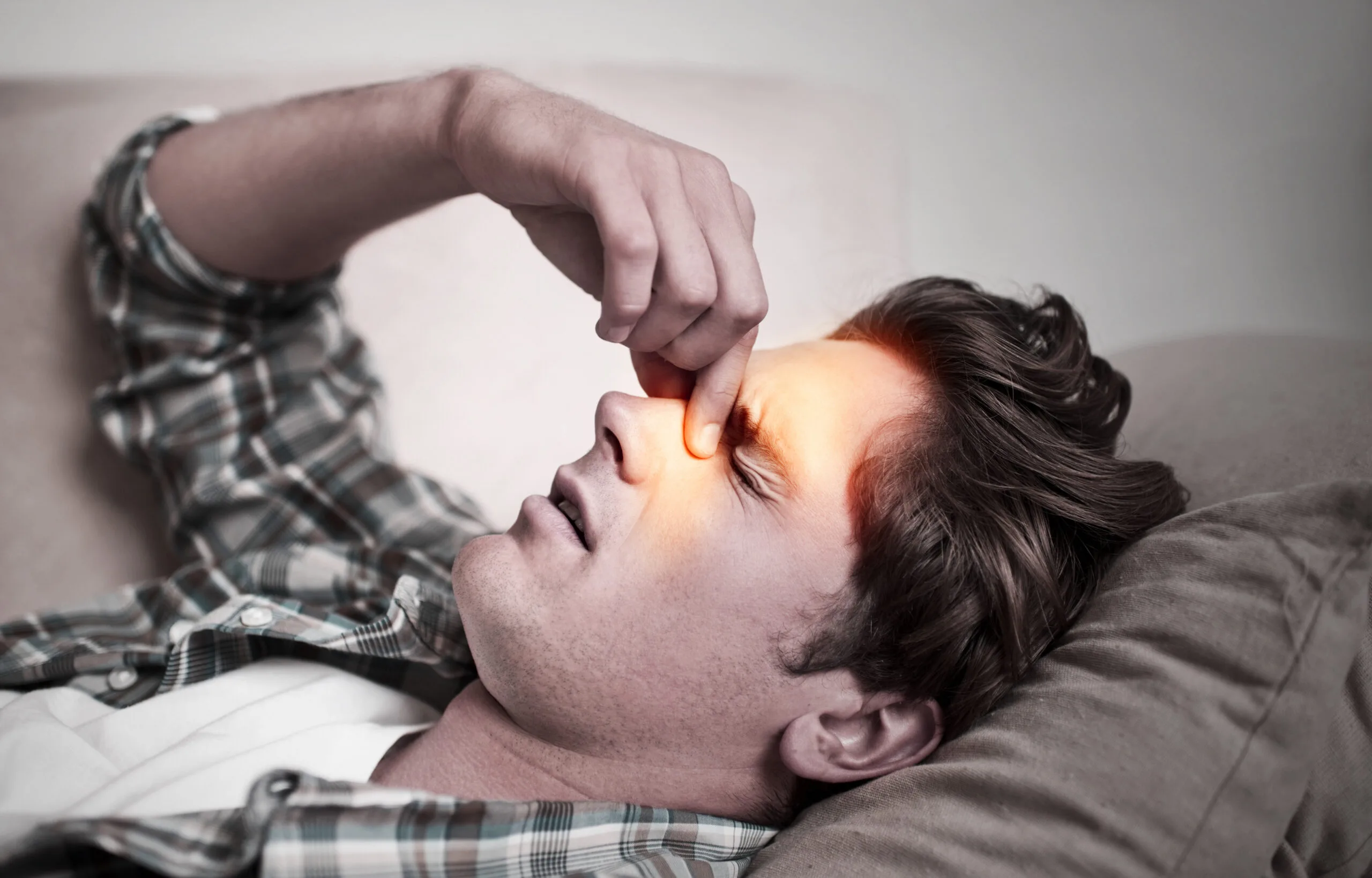
4. How can I help a loved one who is addicted to cocaine?
Start with concern rather than confrontation — something as simple as “I’m worried about you, can we talk?” is more likely to open a door than an accusation. A few things consistently help (SAMHSA — Helping Families Cope; Partnership to End Addiction — Suggesting Treatment):
- Stay connected. Isolation tends to make things worse, so let them know you are there.
- Set healthy boundaries. That might mean no drug use in your home and no covering up the consequences of their use.
- Offer practical help toward treatment. When they are ready, help them find care and make it easier — for example, arranging transport or attending an appointment together.
- Look after yourself too. Peer groups such as Nar-Anon exist for families, and confidential helplines can point you to local services.
If they are open to structured treatment, Holina Rehab’s Dual Treatment programme addresses cocaine dependence and any co-occurring anxiety, depression or trauma together, rather than one at a time.
“People often fixate on how long cocaine shows up on a test, when the more useful question is what the drug is doing to the reward system underneath. Cocaine dependence rarely stands alone — it usually sits on top of anxiety, low mood or unresolved trauma, and treating both together is what makes recovery hold.”
— Adrian Solomon, Counselling Psychologist, Holina Rehab (draft quote — pending final sign-off)
Getting help for cocaine addiction
Cocaine addiction is serious, but it responds to the right treatment. Holina Rehab is a holistic addiction treatment centre on the island of Koh Phangan, Thailand, offering medically supervised detox, evidence-based therapy and holistic recovery within a single residential setting. You can read more about our cocaine addiction treatment in Thailand, or contact our team today on +66 82 113 0657.
“I want to thank all of the staff at Holina for their care and support during one of the toughest journeys of my life. Through group work, individual counseling with my trauma therapist, and one-on-one sessions with so many talented holistic providers, they helped me heal in ways I never thought possible. My treatment plan and day-to-day at Holina was individualized and tailored to my needs. No canned, one-size-fits-all approach.”
— Kimberly, Recovery.com · 15 Mar 2025 · ★★★★★
Sources: National Institute on Drug Abuse — Cocaine; NCBI — Treatment for Stimulant Use Disorders; NCBI — Urine Collection and Testing Procedures; Verstraete, Detection times of drugs of abuse (2004); FRANK — Cocaine; SAMHSA — Helping Families Cope; Partnership to End Addiction — Suggesting Treatment.
Ready to Start Your Recovery Journey?
Our clinical team is available to answer your questions and help you find the right programme for your needs.
Speak with Our Team →