

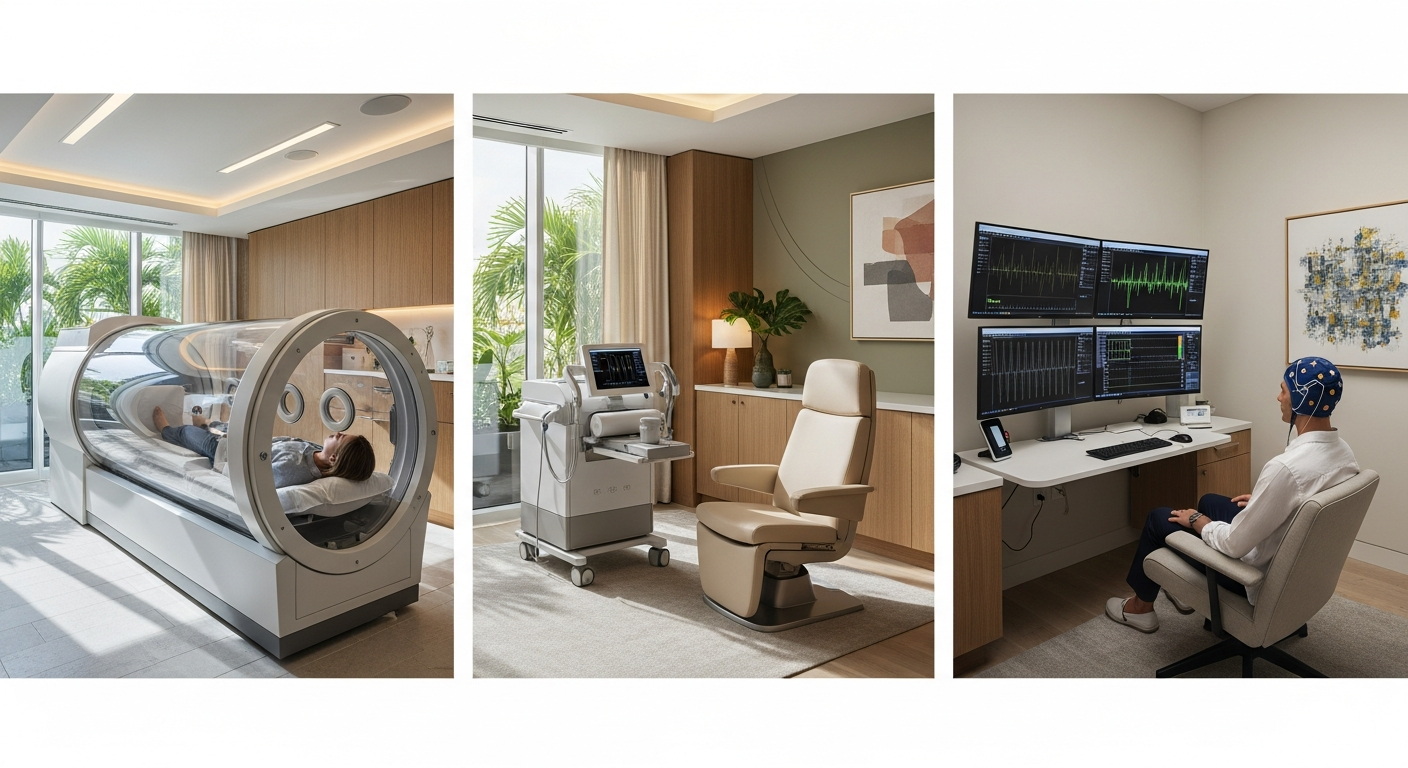
Hyperbaric oxygen therapy (HBOT) has earned a well-deserved reputation as one of the most scientifically supported adjunctive therapies available in modern integrative medicine. From accelerating tissue repair and supporting neurological recovery to enhancing immune function and reducing systemic inflammation, the clinical applications of HBOT continue to expand as research deepens. Yet for many patients considering this treatment for the first time, one question consistently rises to the surface: what are the HBOT side effects, and is it truly safe?
Reviewed by Dr. Aviva Wolf — Consultant Psychiatrist, Holina Rehab. Last reviewed: 7 July 2026.
It is a question worth taking seriously — and one that deserves an honest, clinically grounded answer rather than vague reassurances. Understanding hyperbaric oxygen risks is not a reason to avoid therapy; it is an essential part of preparing for it responsibly. Like any medical intervention, HBOT carries a defined risk profile that varies depending on individual health status, treatment pressure, session duration, and the quality of clinical oversight provided throughout the process.
At Holina Clinic in Koh Phangan, Thailand — alongside Holina Rehab’s clinical team — every HBOT programme is delivered under direct physician supervision, with thorough pre-treatment screening and continuous monitoring designed to minimise risk and maximise therapeutic outcomes. HBOT safety is never assumed — it is actively managed. In this article, we walk you through the most commonly reported side effects, the rarer complications to be aware of, and the practical steps you can take to prepare your body and mind before stepping into the chamber.
Understanding HBOT Side Effects: What the Clinical Evidence Actually Shows
Hyperbaric oxygen therapy (HBOT) is one of the most rigorously studied therapies in integrative and clinical medicine. Delivered inside a pressurised chamber where patients breathe pure oxygen at levels typically ranging from 1.5 to 3.0 atmospheres absolute (ATA), the therapy creates a profound physiological shift — one that drives remarkable therapeutic effects but also produces a predictable range of side effects that every informed patient should understand before beginning treatment.
At Holina Clinic, every patient undergoes a thorough medical evaluation with our supervising physicians before entering the chamber. This pre-treatment assessment is not a formality. It is the foundation of safe, personalised HBOT — because your individual health history, ear anatomy, medication profile, and treatment goals all directly influence how your body will respond to increased atmospheric pressure and elevated oxygen saturation.
The most commonly reported side effect is ear and sinus barotrauma — a sensation of pressure, fullness, or mild discomfort in the ears and sinuses as the chamber pressurises and depressurises. This occurs because the air spaces in your middle ear must equalise with the rising external pressure, much like the sensation experienced during aeroplane descent. For the vast majority of patients, this is mild and manageable with simple equalisation techniques taught by our clinical team before your first session.
A second frequently reported experience is temporary myopia, or a slight change in near-distance vision that can develop after multiple sessions of HBOT. This occurs due to oxygen-related changes in the lens of the eye and is well-documented in clinical literature (Hyperbaric Complications, StatPearls). Importantly, this effect is reversible in most patients once treatment concludes.
A 2023 systematic review and meta-analysis in Frontiers in Medicine found an overall adverse-event rate consistent with these patterns, with ear and sinus barotrauma the most frequently reported complication (Hadanny et al., 2023). Other side effects that have been reported in clinical settings include:
- Fatigue or mild lightheadedness following sessions, particularly in the early stages of a treatment protocol
- Claustrophobia or anxiety related to the enclosed chamber environment
- Temporary joint or muscle discomfort in some patients, related to oxygen-driven metabolic changes
- Middle ear fluid accumulation in individuals with pre-existing Eustachian tube dysfunction
- Oxygen toxicity, an extremely rare but clinically recognised risk when sessions exceed therapeutic parameters — a risk that physician-supervised protocols are specifically designed to prevent
Understanding these side effects in context is essential. The majority are transient, mild, and well within the range of clinically acceptable responses. They are not indicators that therapy is harmful — rather, they are signals that your physiology is responding to a genuine and powerful medical intervention. The clinical key lies in proper screening, appropriate treatment pressures, session duration, and continuous oversight by qualified medical professionals throughout your programme.
Common Side Effects of HBOT and What They Mean for Your Body
Hyperbaric oxygen therapy is widely regarded as a safe, well-tolerated treatment when delivered under appropriate clinical supervision. However, like any physiologically active intervention, it produces real, measurable effects on the body — and understanding these responses helps you approach each session with confidence rather than concern.
The most frequently reported side effect is ear and sinus pressure, often described as a sensation similar to descending in an aeroplane. As the chamber pressurises, the middle ear must equalise to accommodate the increased atmospheric pressure. Most patients manage this comfortably by swallowing, yawning, or using the Valsalva manoeuvre. At Holina Clinic, our team guides each patient through equalisation techniques before their first session to minimise discomfort throughout the pressurisation phase.
A second commonly experienced response is temporary fatigue or drowsiness following treatment. This is a normal physiological reaction as the body processes the elevated oxygen concentration and begins accelerating cellular repair mechanisms. Rather than being a cause for alarm, post-session fatigue is frequently interpreted as a sign that the body is actively responding to treatment. Most patients find this resolves within an hour and is significantly reduced after the first few sessions as the body adapts.
Some individuals notice mild claustrophobia or anxiety during their initial sessions, particularly when using monoplace chambers. Our clinical team conducts a thorough pre-treatment assessment to identify any anxiety concerns, and personalised strategies — including breathing guidance and gradual acclimatisation protocols — are implemented accordingly.
Less commonly, patients may experience:
- Temporary changes in vision — slight myopic shifts can occur with prolonged treatment courses, typically resolving after therapy concludes
- Mild headache — usually transient and associated with the initial adjustment to hyperbaric conditions
- Jaw discomfort or tooth sensitivity — occasionally reported in patients with existing dental air pockets
- Lightheadedness — brief and generally resolving within minutes of the session ending
It is important to note that serious adverse events, such as oxygen toxicity or pulmonary barotrauma, are rare — one study of monoplace-chamber patients found an adverse-event incidence of around 0.4%, with ear pain accounting for roughly half of all reported cases (StatPearls, Hyperbaric Complications) — and are significantly mitigated through proper patient screening, individualised pressure and duration protocols, and continuous physician oversight throughout every session.
How to Prepare for HBOT and Minimise Side Effects
Thoughtful preparation before each hyperbaric oxygen therapy session significantly reduces the likelihood of discomfort and supports a safer, more effective clinical experience. At Holina Clinic, every patient undergoes a thorough pre-treatment assessment conducted by our supervising physicians, ensuring that your individual health profile, medical history, and treatment goals are carefully considered before your first session begins.
The following practical steps are recommended to help you prepare effectively:
- Avoid alcohol and carbonated beverages for at least 24 hours before treatment. Both can interfere with pressure equalisation and may increase the risk of nausea or dizziness during the session.
- Do not smoke on the day of your session. Smoking compromises oxygen delivery at the cellular level and directly counteracts the therapeutic benefits of HBOT.
- Wear comfortable, loose-fitting clothing made from natural fibres such as cotton. Synthetic materials are not permitted inside the hyperbaric chamber for safety reasons.
- Stay well hydrated before and after each session. Adequate hydration supports tissue oxygenation and helps manage any mild post-session fatigue.
- Practise ear equalisation techniques — such as the Valsalva manoeuvre or gentle swallowing — prior to your session if you have a history of ear or sinus sensitivity. Our clinical team will guide you through this individually.
- Inform your physician of any new medications, recent illnesses, or changes in symptoms before each session. Certain medications, including some chemotherapy agents and insulin, require clinical evaluation in the context of HBOT, which is why it is offered as one part of a broader, personalised addiction treatment programme rather than in isolation.
- Avoid strenuous exercise immediately before treatment. Light activity is generally well tolerated, but intense exertion may amplify post-session fatigue.
During your session, our clinical team remains attentive and accessible throughout. If you experience any unusual discomfort — including ear pain, visual changes, or feelings of anxiety — you are encouraged to communicate this immediately. Pressure adjustments can be made in real time under direct physician supervision.
Most patients tolerate hyperbaric oxygen therapy very well across a full course of treatment. The Undersea and Hyperbaric Medical Society (UHMS), a primary professional body for hyperbaric medicine, maintains safety standards for treatment pressure, chamber certification, and patient screening that reputable clinics follow. Side effects, when they do occur, are typically mild, transient, and manageable with the appropriate personalised protocols in place. Understanding what to expect and arriving prepared allows you to engage with each session with confidence, ensuring that your time in care at Holina Clinic is both safe and therapeutically meaningful.
Hyperbaric oxygen therapy is a well-established, physician-supervised treatment with a strong clinical safety record when administered in a properly equipped medical facility under qualified oversight. While side effects such as ear pressure, temporary visual changes, and mild fatigue are real and worth understanding, they are almost universally manageable and transient when patients are carefully screened, educated, and monitored throughout each session. The key to a positive HBOT experience lies not simply in the therapy itself, but in the clinical environment surrounding it — the thoroughness of your pre-treatment assessment, the expertise of your supervising medical team, and the precision with which your personalised treatment protocol is designed and adjusted over time.
“I finally came to Holina, and from the first day I arrived I had nothing but full professional support around me.”
“Almost every side effect we see is ear pressure that resolves in the first few sessions once a client learns to equalise properly. The pre-screening call matters more than people expect — it is where we catch the rare cases where HBOT is not appropriate.”
— Dr. Aviva Wolf, Consultant Psychiatrist, Holina Rehab (quote drafted for this article, pending specialist approval)
At Holina Clinic in Koh Phangan, Thailand, our experienced medical team provides comprehensive consultations, evidence-based treatment planning, and attentive clinical oversight at every stage of your hyperbaric oxygen therapy programme. We take the time to understand your individual health profile, address your concerns honestly, and ensure each session is as safe and effective as possible. If you are considering HBOT and want to explore whether it is appropriate for your specific health goals, we warmly invite you to contact Holina Clinic and schedule a personalised consultation today.
Ready to Start Your Recovery Journey?
Our clinical team is available to answer your questions and help you find the right programme for your needs.
Speak with Our Team →