
When clients arrive at Holina, one of the questions we ask early — sometimes before we ask about substance use itself — is how they have been sleeping. The answer is almost always the same. Badly. For months, sometimes for years. They have been falling asleep with help, often chemical, often the same substance they have arrived to address. They have been waking at three in the morning and not returning to sleep. They have been sleeping eleven hours and waking unrefreshed. They have been so unfamiliar with the experience of unmedicated rest that they no longer remember what a normal night actually feels like.
This is not a peripheral detail. The sleep architecture of someone in active addiction is, structurally, the sleep architecture of someone in a state of chronic neurological emergency. And one of the most overlooked interventions in addiction recovery is the restoration of normal sleep — not as a nice consequence of treatment, but as one of the central clinical mechanisms by which treatment actually works.
This piece is about why.
Clinically reviewed by Dr. Aviva Wolf — Consultant Psychiatrist · Last reviewed 7 July 2026
What Sleep Actually Does
Sleep and substance use are tightly coupled. Clinical research on sleep disturbance in substance use disorders documents that sleep problems are common among people entering treatment across substance types, and a body of addiction research describes disrupted sleep as a consistent, cross-substance risk factor for relapse — among the more reliably replicated predictors identified in the literature.
The popular framing of sleep as rest is true but importantly incomplete. Sleep is not a passive state. It is the period during which a long list of physiological and neurological processes occur that cannot happen during waking, and that the nervous system, the immune system, the endocrine system, and the brain’s own waste-clearance system all depend on for normal function.
During sleep, the glymphatic system — the brain’s recently-characterised cleansing mechanism — actively clears metabolic debris, including the beta-amyloid proteins implicated in neurodegenerative disease. The hippocampus consolidates short-term memory into long-term storage. The autonomic nervous system shifts into a parasympathetic-dominant state that the body uses for tissue repair, immune system maintenance, and the regulation of cortisol, insulin, growth hormone, and a long list of other endocrine signals. The deeper stages of sleep specifically — slow-wave and REM — are when the heaviest of this work happens.
Sleep that is fragmented, shortened, chemically-induced, or distributed across the wrong portion of the 24-hour cycle does not produce the same architecture. Some of the work happens. Much of it does not. And the cumulative effect of years of this kind of compromised sleep is the substrate on which a great deal of what we call addiction is, in part, operating.
What Substance Use Does to Sleep, Specifically
Each substance has its own signature. Alcohol shortens sleep latency — it helps people fall asleep faster — but research on alcohol and sleep architecture shows it suppresses REM sleep and produces disrupted, fragmented sleep in the second half of the night, particularly at higher doses. The sleep one gets after drinking is closer to sedation than to genuine rest, and the cumulative effect of nightly alcohol use is a sleep architecture that, despite total hours in bed, is producing far less restoration than the numbers suggest.
Cocaine and stimulant use directly suppresses sleep, often for the duration of an episode and frequently for one to two nights following. The sleep that returns after stimulant use is initially deep and prolonged, but the rebound is not the same as restoration of baseline architecture, and chronic stimulant patterns produce circadian disruption that persists well beyond the last use.
Cannabis suppresses REM, in both occasional and chronic users. Cessation produces an REM rebound that can present as vivid or disturbing dreams in the first weeks, which is one of the reasons that the first month of cannabis cessation can feel more emotionally turbulent than the substance’s mild reputation would suggest.
Opioids, benzodiazepines, and sedative hypnotics each disrupt sleep architecture in their own ways, with the additional complication that withdrawal from any of them produces severe insomnia that can persist for weeks, in some cases months.
The cumulative picture is that almost every client arriving at Holina has a sleep system that is structurally compromised, regardless of which substance is the presenting concern. Restoring that system is not a side project. It is part of the central work.
Why Sleep Restoration Matters for Recovery Specifically
The clinical mechanisms are several, and most of them are individually well-established in the literature.
“In more than two decades of treating addiction, I’ve come to see restoring a person’s sleep as inseparable from restoring their nervous system. We don’t treat sleep as an afterthought at Holina — for many patients, it’s one of the first places recovery becomes physically real.”
— Dr. Aviva Wolf, Consultant Psychiatrist, Holina Rehab
First, the regulation of the nervous system that underlies sustained recovery is, in part, a sleep-dependent process. The parasympathetic capacity that allows a client to tolerate discomfort without reaching for relief is built and maintained during deep sleep. A client who is sleeping poorly is, in a structural sense, less able to do the regulatory work that recovery requires, regardless of their conscious motivation.
Second, the consolidation of new learning happens during sleep. The cognitive, somatic, and relational work done in treatment is integrated, in part, during the nights that follow each session. A client whose sleep is poor is doing the work but not consolidating it. The same hours of therapy produce a meaningfully different outcome in a well-rested versus a sleep-deprived nervous system.
Third, the mood regulation that protects against relapse is sleep-dependent. The connection between disrupted sleep and depressive and anxious states is a well-documented, bidirectional relationship in the clinical literature — sleep disturbance can precede and predict depression just as depression can disrupt sleep — and the directionality is increasingly understood to run from sleep to mood at least as much as the reverse. Restoring sleep is, in many cases, a meaningful part of addressing mood in early recovery.
Fourth, craving itself is sleep-modulated. NIAAA-supported research identifies sleep dysfunction as a core feature of the negative-affect state that intensifies craving during withdrawal and early recovery, and as a target for reducing relapse risk. The relapse risk window, in other words, is partially a sleep window.
What Sleep Restoration Looks Like in a Residential Setting
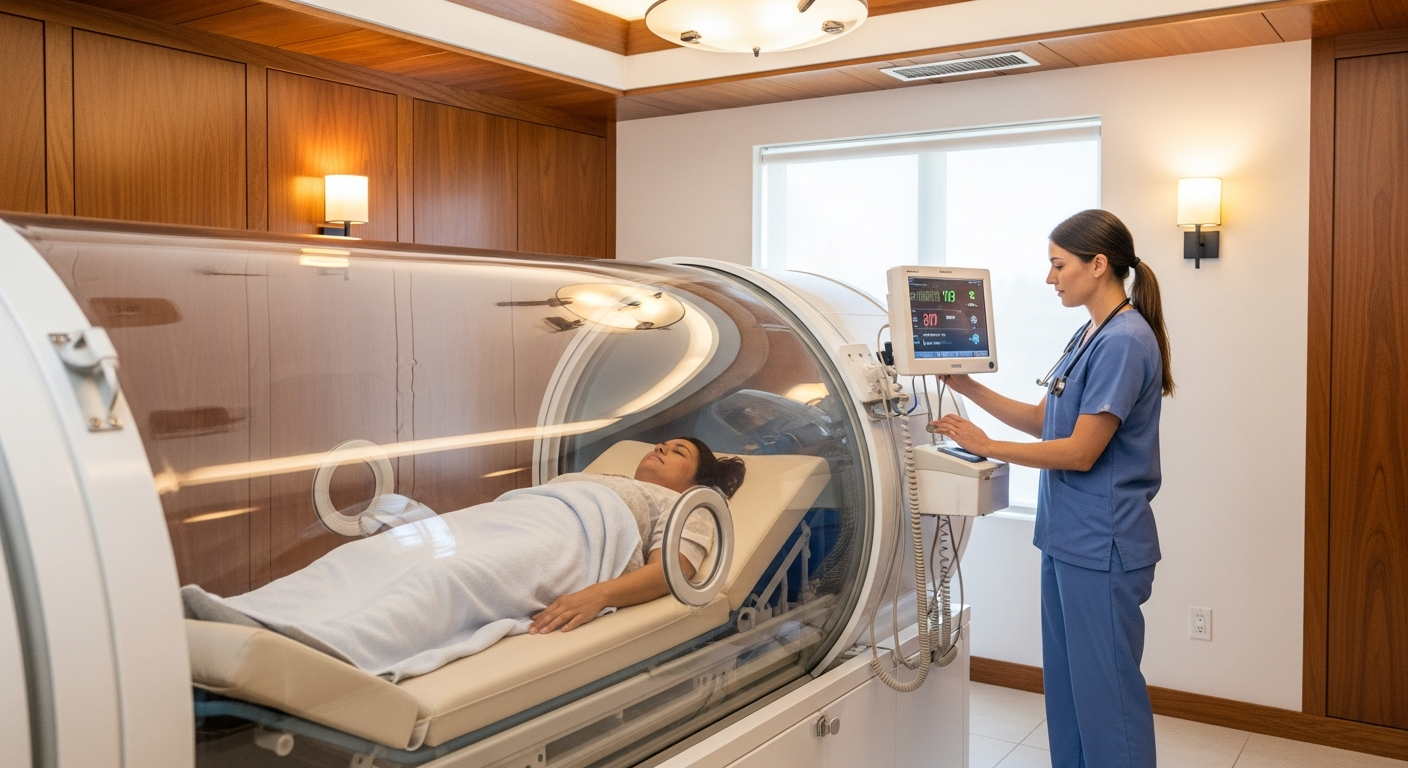
A great deal of what happens at Holina, particularly in the first two weeks of admission, is about restoring the conditions under which sleep can return. Daylight exposure in the morning, which anchors the circadian rhythm. Limited evening artificial light, particularly the short-wavelength light from screens that disrupts melatonin production. Regular meal timing, which stabilises the metabolic signals that interact with circadian regulation. Movement and somatic engagement during the day, which builds the sleep pressure that healthy sleep onset requires. A cool, dark sleeping environment. A consistent bed and wake time, even when the body initially resists it.
Where pharmacological support is clinically appropriate — often for the first week or two of admission, occasionally longer — non-habit-forming options are used to bridge the early period rather than as long-term solutions. The aim is to return the client to unmedicated sleep within the residential window where possible, and to set up the conditions under which unmedicated sleep can continue at home.
What is often missed: the somatic and trauma-focused work that runs through the program is itself one of the strongest interventions on sleep. A nervous system that has been hypervigilant for years does not return to restful sleep through behavioural sleep hygiene alone. It returns to restful sleep when the hypervigilance itself has been addressed, which is part of what the wider clinical work — including approaches such as spiritual healing and holistic care alongside conventional therapy — is doing in parallel.
What Carries Over After Discharge
The single most useful thing a client takes home from a Holina admission, after the clinical and relational work itself, is a restored sleep system. The nights have returned to seven to nine hours. The bed and wake times have stabilised. The relationship to sleep — the trust that one’s body will, in fact, fall asleep when asked — has been rebuilt.
Protecting this in the months after discharge is one of the strongest predictors of how the first year goes. Clients who maintain the bedtime, the morning light, the limited evening alcohol or stimulant use, and the daily movement that supported their residential sleep tend to maintain the gains of treatment. Clients who allow sleep to deteriorate first — often as a consequence of work stress or new relationships — frequently find that the substance use returns shortly after.
Sleep is not merely a result of recovery. It is a piece of infrastructure on which recovery depends.
A Closing Note for Clients Currently Sleeping Poorly
If you are reading this in the middle of a long bad stretch with your nights, you do not have to wait for an admission to begin restoring some of this. The basic conditions — morning light, limited screens at night, regular meals, daily movement, a cool dark room, a consistent rhythm — are accessible immediately, and they do, slowly, work.
Where they are not enough, where the sleep has been broken for too long or the substances involved have made unmedicated sleep currently inaccessible, the residential setting is one of the most reliable ways to restore sleep that we know of. The first week is often difficult. The second is usually better. By the fourth, most clients are sleeping in a way they have not slept in years, and the rest of the work begins to land in a body that is, finally, awake enough during the day and asleep enough at night to receive it.
Holina’s clinical team can speak with you about your specific sleep picture as part of the admissions conversation. It is not a question we treat as peripheral. It is, in most cases, one of the first questions the work itself will need to address.
— Ian Young
“Luxurious surroundings, the very best A+ care, and a varied and interesting programme.”
— Nish, Recovery.com, 17 Apr 2025 · ★★★★★
Related Reading
Ready to Start Your Recovery Journey?
Our clinical team is available to answer your questions and help you find the right programme for your needs.
Speak with Our Team →