
One of the most disorienting experiences in recovery is doing everything correctly and still finding yourself caught in the same patterns. You stop drinking. You stop using. You attend the meetings, do the work, build the routines. And yet the underlying restlessness remains. The relational difficulties continue. The sense that something inside you is fundamentally misaligned does not lift, even after months or years of sobriety.
This is the question that brings many people to NARM. Not “how do I stop the behaviour?” — they have often already stopped — but “why do I keep doing this, in some form or another, even when I know better?”
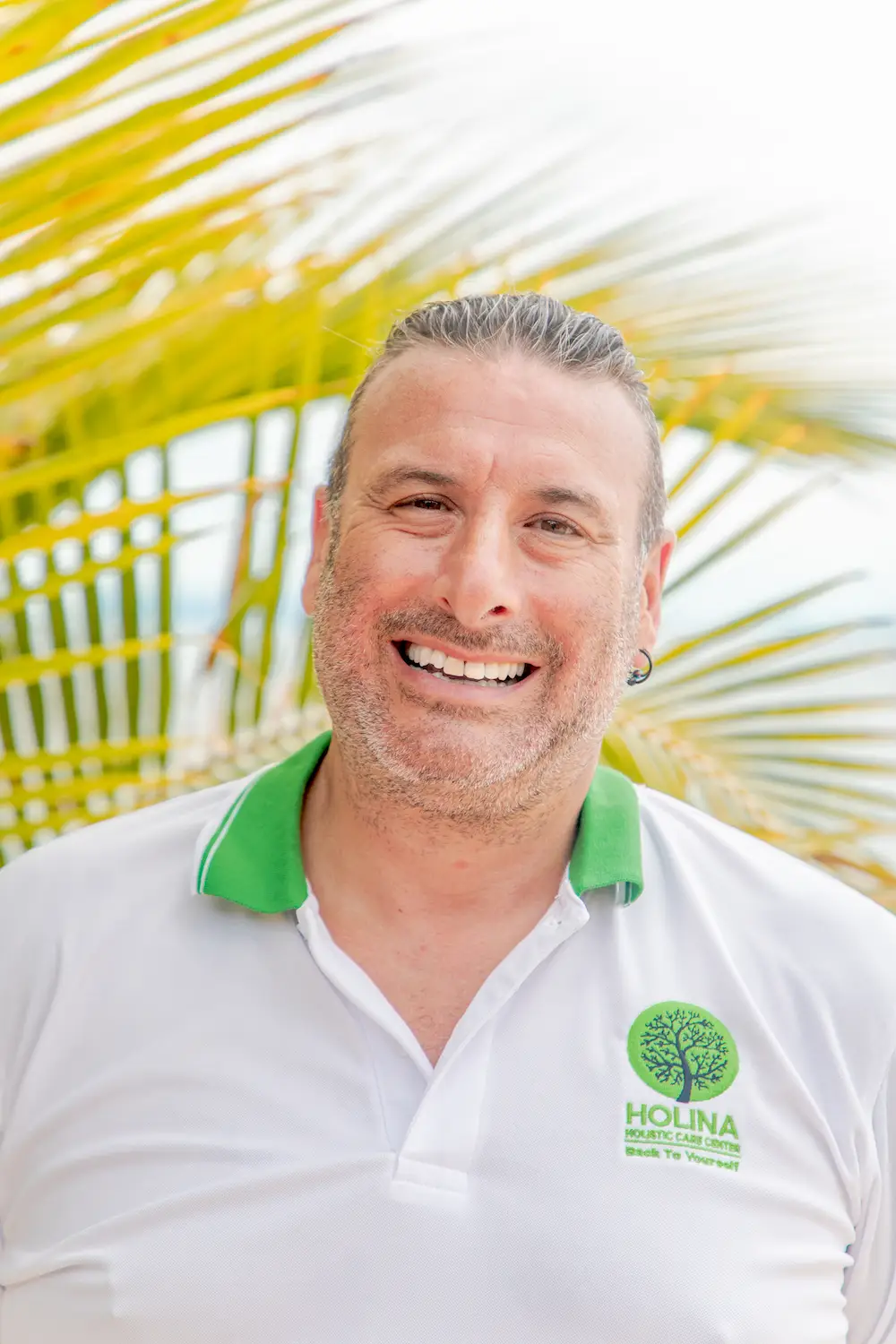
“NARM does not ask people to relive the worst of their past. It asks what they had to become to survive it — and then, gently, whether those old strategies are still needed today.” — Marc Rower, Trauma Therapist
What NARM Is
The NeuroAffective Relational Model, developed by Dr Laurence Heller, is a psychobiological approach to working with developmental and relational trauma.[1][2] It draws on attachment theory, somatic psychology, psychodynamic understanding, and contemporary neuroscience, but its central focus is something quite specific: the survival strategies a person developed in childhood, and how those strategies continue to organise adult life.
NARM does not require the client to recount traumatic events in detail. It does not focus on catharsis or on excavating the past for its own sake. Instead, it works with what is alive in the present moment — the patterns, sensations, contractions, and identifications that show up in the room, in the therapeutic relationship, and in daily life. You can read more about how we use it on our NARM therapy for trauma recovery page.
How NARM Differs from CBT and Conventional Talk Therapy
Cognitive behavioural therapy and many forms of conventional talk therapy work primarily with content. The client describes situations, the therapist helps identify thoughts, beliefs, and behaviours, and together they construct strategies for change. NARM works differently. It is less interested in the story than in the way the story is being held. It pays close attention to:
- How the body responds as something is being spoken about
- What is being avoided, often with great sophistication, in the telling
- The identity-level beliefs a person has organised themselves around, such as “I am too much” or “my needs are dangerous”
- The relational dynamics that emerge between client and therapist in real time
Where CBT might help a person challenge a thought, NARM asks how that thought became necessary in the first place — and what would have to be felt, at the level of the body, if it were no longer needed.
How Childhood Survival Strategies Connect to Adult Addictive Behaviour
Consider someone whose early environment required them to be quiet, helpful, and undemanding in order to keep a fragile caregiver afloat. As an adult, this person may be exceptionally capable, deeply responsible, and chronically exhausted. They may also drink heavily in the evenings — not because they are hedonistic but because alcohol is the only mechanism they have found for putting the carer down at the end of the day.
Or consider someone whose early experience of closeness was unpredictable and frightening. As an adult, they may have organised themselves around independence, achievement, and emotional containment. Stimulants, work, or compulsive sexuality may have become the channels through which they access aliveness without having to risk the vulnerability of genuine attachment. This is not speculation: adverse childhood experiences are strongly associated with later substance dependence, an association partly mediated by mood and anxiety difficulties.[3]
In each case, the addictive behaviour is not the problem. It is the visible end of a long structural adaptation. NARM works with that structure — not to dismantle it forcefully, but to bring it into awareness, to separate the past from the present, and to allow the adult to begin making choices the child never could.
What a NARM Session Actually Involves
A session typically begins with the client describing what is present for them — a situation, a feeling, a relational difficulty, a recurring pattern. The therapist listens not only to the content but to the way the content is being organised. They may ask a question that gently shifts attention from the story to the experience underneath it. They may notice an inconsistency between what is being said and what the body appears to be doing.
Throughout, the therapeutic relationship itself is part of the work. NARM understands the therapeutic relationship as a powerful regulator of the nervous system. Being met with steady, non-judgemental presence by someone who is not asking you to be different is, for many people, a genuinely novel experience. That experience, repeated over time, begins to revise some of the deepest assumptions a person carries about what is possible in connection.
What Changes Over Time
NARM does not promise transformation on a timeline, and neither do we. What clients tend to report, over months of sustained work, includes:
- A growing capacity to feel sensations and emotions that were previously inaccessible
- Less internal pressure to maintain the old identity and its strategies
- Clearer distinctions between past and present
- A different relationship with addictive impulses, which often soften as the underlying need they were managing is met more directly
- Re-maturation — the gradual recovery of capacities that were arrested in childhood
NARM Within Residential Treatment
NARM can be done in outpatient settings, and many excellent practitioners offer it that way. Within a residential context, however, something different becomes possible. The nervous system is held continuously by a stable environment. The body work, the relational work, and the daily rhythms reinforce one another. There is space for the difficult material to surface without the client having to return immediately to the demands of ordinary life. For many people this sits alongside our Dual Treatment programme, which addresses substance use and mental health together.
For someone who has tried sobriety alone and found that something underneath kept driving them back, NARM within residential treatment offers a different kind of opportunity — not to manage the behaviour, but to understand and ease the structure that has been generating it for decades.
“Trauma and addictions are dealt with in a truly holistic manner – not only dealing with addictions, but also help to identify underlying causes.”
— Steve R., Recovery.com Review, 18 Apr 2025 · ★★★★★
If you would like to speak with our team about residential treatment at Holina, we welcome your enquiry.
Sources:
1. NARM Training Institute, “What is NARM?” (official).
2. Heller, L. & LaPierre, A., Healing Developmental Trauma: How Early Trauma Affects Self-Regulation, Self-Image, and the Capacity for Relationship, North Atlantic Books, 2012.
3. “Adverse Childhood Events as Risk Factors for Substance Dependence: Partial Mediation by Mood and Anxiety Disorders,” PMC, 2009.
Related Reading
Ready to Start Your Recovery Journey?
Our clinical team is available to answer your questions and help you find the right programme for your needs.
Speak with Our Team →