
Introduction: The Rise of “Rehab Tourism”
For decades, the popular image of addiction treatment has been grim: cold hospital corridors, plastic chairs in a circle, fluorescent lighting, and a sense of punishment. It was something to be endured, not enjoyed. But in Thailand, a new standard of care has emerged that is challenging this old narrative: the Recovery Resort.
This model flips the script on traditional addiction treatment. Instead of treating addiction in a clinical vacuum, Recovery Resorts operate on the belief that deep healing happens best when the nervous system is completely relaxed. By combining high-level Western clinical therapy with the hospitality and amenities of a 5-star tropical resort, these facilities offer a “soft landing” for those ready to change their lives but unwilling—or unable—to enter a sterile hospital setting.
This is not about “pampering” addiction; it is about removing the resistance to treatment. If you are asking, “Can I combine effective medical treatment with a restorative vacation?”, the answer is a resounding yes. This guide explores why Thailand’s Recovery Resorts have become a popular choice for addiction treatment, and how you can find the right one for your journey.
What is a “Recovery Resort”? (Resort vs. Rehab)
While all rehabs provide treatment, not all are resorts. It is crucial to understand the distinction so you know what you are paying for.
The Philosophy of Environment
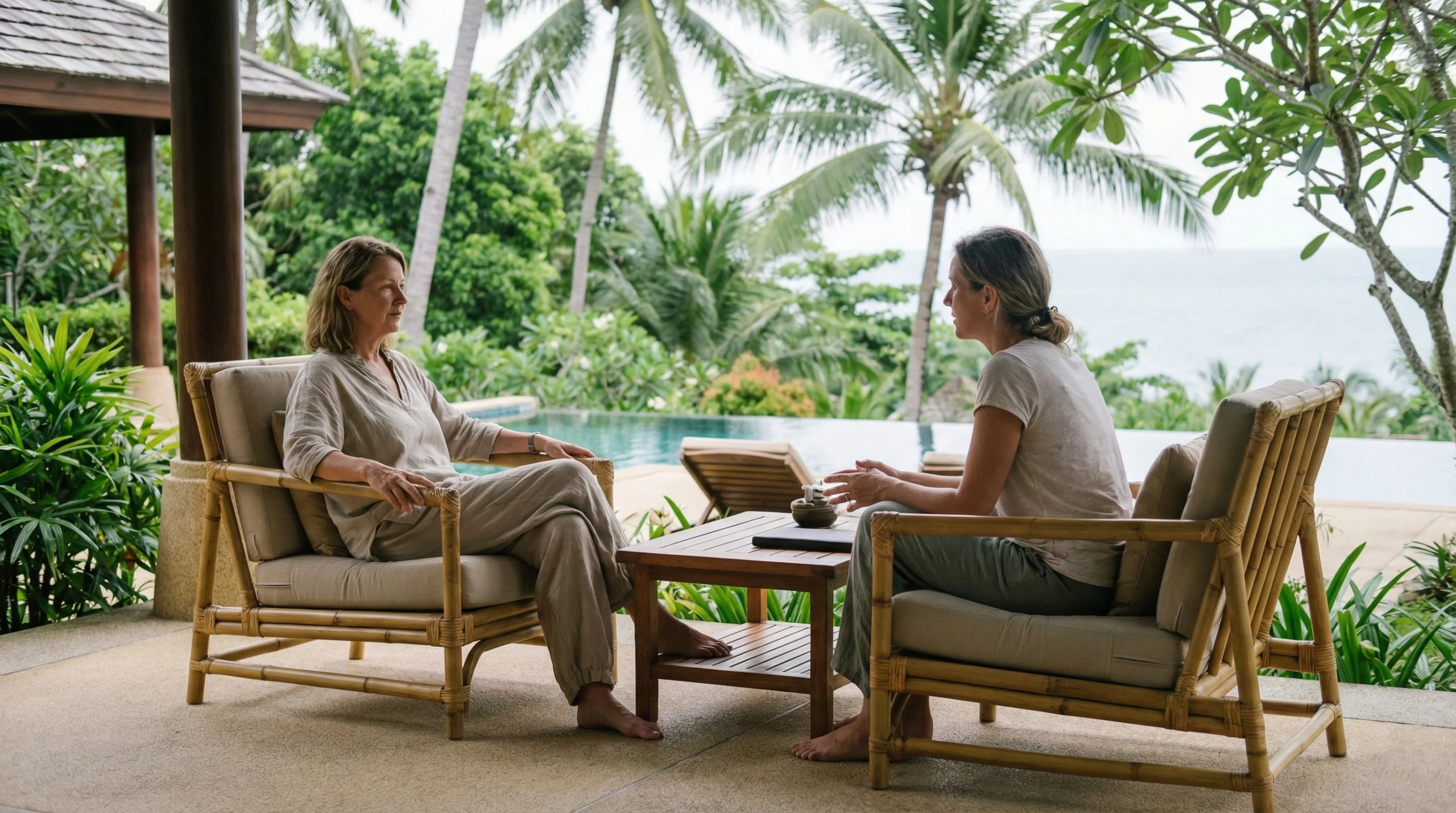
A standard rehab focuses on containment. The goal is often just to keep you sober and safe. A Recovery Resort focuses on restoration. The architecture, the landscaping, and the service are all designed to lower your cortisol (stress) levels from the moment you arrive.
- The Setting: Think private pool villas, lush tropical gardens, and open-air yoga salas instead of shared wards and indoor meeting rooms.
- The Vibe: The atmosphere is one of a “wellness sanctuary” rather than a “lockdown clinic.” You are treated as a valued guest, not just a patient “number.”
- The Staffing: In a resort model, clinical staff (nurses, therapists) are blended with hospitality staff (chefs, housekeepers, concierge), creating a seamless experience where your needs are met before you even ask.
“A resort setting isn’t about luxury for its own sake. It lowers the stress and shame that stop people from staying in treatment long enough to actually recover.”
— Ian Young, Managing Director, Holina Rehab
Who is This Model For?
This model is particularly effective for:
- Executives and Professionals: High-functioning individuals who need to decompress completely from burnout while doing the deep psychological work.
- Trauma Survivors: Those whose nervous systems are stuck in “fight or flight” often find sterile hospitals triggering. The softness of a resort setting allows them to feel safe enough to open up.
- Those “On the Fence”: If the idea of a “hospital rehab” feels too scary or shameful, the idea of a “wellness retreat” can be the bridge that gets someone into treatment.
What to Look For in a Drug and Alcohol Recovery Resort
Thailand is the epicenter of this model. However, with so many options, the “best” resorts distinguish themselves not just by their thread count, but by their clinical integrity.
What to Look For: The “Clinical-Luxury” Balance
A true Recovery Resort is not just a spa where you talk about your feelings. It must have a fully licensed clinical engine running behind the scenes of the luxury experience.
- Clinical Integration: Look for resorts that have a Clinical Director (usually a Western psychologist) and a structured curriculum. If the website talks only about massages and smoothies but says nothing about CBT, Trauma Therapy, or 12-Step work, it is a retreat, not a rehab.
- Medical Safety: The best resorts (like Holina) have on-site medical units. This means you can detox safely in your villa or a dedicated medical wing without having to be transferred to a public hospital, preserving your privacy and comfort.
- Private Accommodation: Meaningful recovery requires reflection. Top-tier resorts offer private villas where you can retreat and process your day in solitude. Avoid places that force you to share a room with a stranger unless you specifically request it.
Can I Combine a Vacation with Addiction Recovery?
This is the most common question—and the most common criticism—of the resort model. Is it just a holiday?
The “Pattern Interrupt”
Addiction is often tied to environment. Your home, your office, and your local pub are full of “cues” that trigger cravings. By flying to Thailand, you create a massive Pattern Interrupt. You are physically removing yourself from every single trigger in your life.
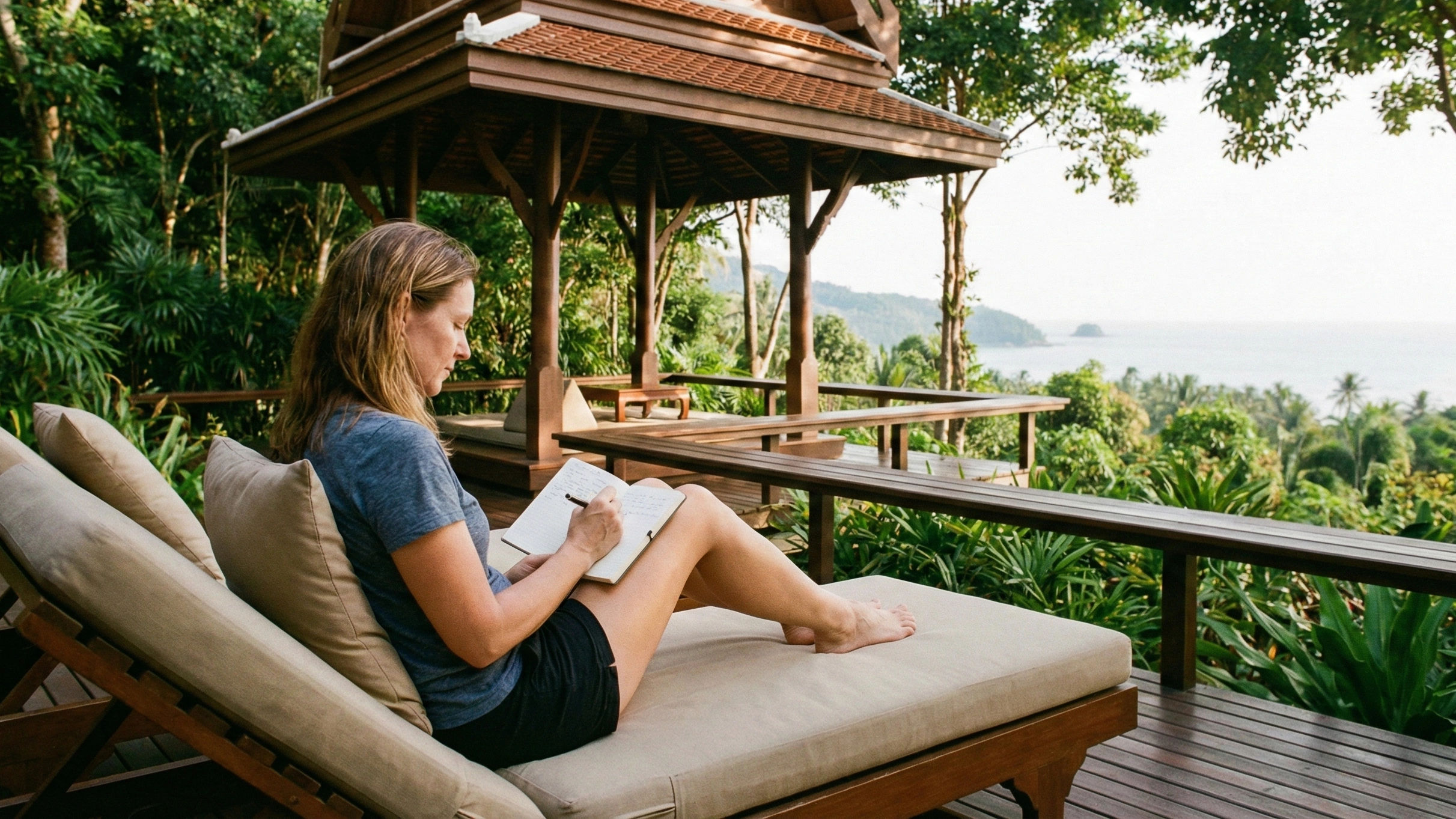
- It is NOT just a holiday: You cannot simply sip mocktails by the pool and expect your addiction to vanish. The work is rigorous. You will attend therapy sessions, wake up early for meditation, and engage in deep emotional processing.
- But it FEELS like one: The “vacation” aspect comes from the container. When you are not in therapy, you are swimming in the ocean, getting a Thai massage, or eating chef-prepared food. This removes the “white-knuckling” aspect of early sobriety. Because you feel cared for, you are more likely to stay the full 28 days (or longer).
A Typical Day in a Recovery Resort
- 07:00: Morning Yoga or Meditation in the open-air sala.
- 08:00: Gourmet healthy breakfast (tropical fruits, eggs, superfoods).
- 09:00: Group Process Therapy (the core work of the day).
- 12:00: Lunch and free time for a swim or gym session.
- 14:00: One-on-One Counseling or Trauma Therapy (EMDR).
- 16:00: Therapeutic Massage or Ice Bath session.
- 19:00: Dinner and 12-Step Meeting or Film Night.
“The facilities are amazing and the destination of the facility is beautiful, the staff really do make the place so good.”
— Matthew Hill, Google Review, 1 Apr 2026 · ★★★★★
Services and Treatment Methods
Do not let the palm trees fool you; the clinical work at reputable resorts is rigorous and, in many cases, provides more one-to-one contact time than standard care at home.
Integrated Care for Co-occurring Disorders
Many clients arrive with a co-occurring disorder — often depression, anxiety, or trauma alongside their addiction. Good programmes treat the whole person; at Holina this integrated work is delivered through our Dual Treatment programme.
- Psychological Care: CBT (Cognitive Behavioral Therapy) and DBT (Dialectical Behavior Therapy) to retrain the brain.
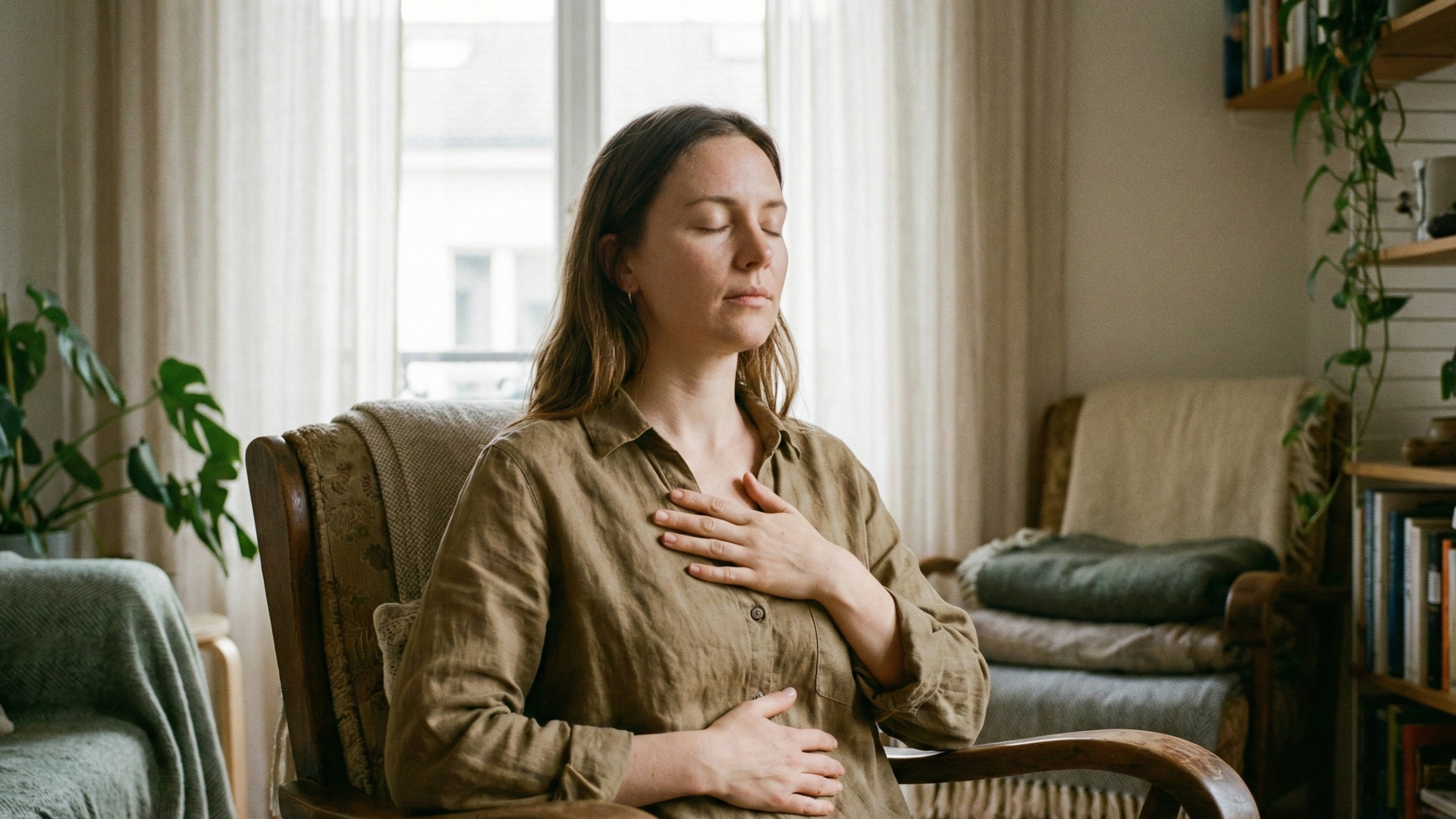
- Somatic Therapies: Because the body holds trauma, resorts use physical therapies like TRE (Trauma Release Exercises), breathwork, and yoga to release stored tension.
- Personalised Care: With high staff-to-guest ratios, you get a tailored plan. If you hate yoga, you might do Muay Thai. If you struggle with groups, you might get more one-on-one counseling.
Medical Detox Services
If you are chemically dependent on alcohol or opioids, you cannot safely just “stop” — unmanaged alcohol withdrawal can cause seizures and delirium tremens. The best resorts offer on-site medical detox.
- How it works: You start your stay in the medical unit or under strict nursing supervision in your villa.
- The Benefit: You don’t have to go to a separate “detox clinic” first. You arrive at the resort, detox in comfort with medication to manage withdrawal, and then seamlessly transition into the therapeutic program.
The Cost of Luxury (Geo-Arbitrage)
The “Resort” label often implies “expensive,” but in Thailand it can represent strong value due to the lower cost of living. Published prices vary widely by provider and change over time, so the figures below are broad, indicative ranges rather than fixed quotes. This is known as Geo-Arbitrage—leveraging the economic difference between countries to get better value.
The Cost Comparison
- USA/Switzerland: A month in a luxury wellness rehab in Malibu or Zurich can easily cost $50,000 – $100,000.
- Thailand: A similar standard of luxury (private pool villa, personal chef, daily massage, private driver) typically ranges from $10,000 – $18,000 USD.
What is Included?
Unlike Western clinics that often itemize every pill, therapy session, and meal, Thai Recovery Resorts usually offer All-Inclusive Packages. Your single fee covers:
- Luxury Accommodation (Villa/Suite).
- All meals, nutrition, and supplements.
- Full clinical & medical program (including detox).
- Wellness therapies (Massages, Personal Training).
- Excursions & activities (Boat trips, Elephant sanctuaries).
- Airport VIP transfers.
Safety and Logistics for International Clients
Is it Safe? Yes. Reputable Recovery Resorts are gated communities with 24/7 security and nursing staff. They are sanctuaries designed to keep the outside world out. Because they cater to high-profile clients, discretion and privacy are part of their DNA.
How to Book:
- Consultation: Speak with the admissions director (usually via Zoom/WhatsApp). This is a clinical assessment to ensure the resort can meet your specific medical needs.
- Insurance: Many international insurers (Bupa Global, AXA, Cigna) cover treatment at licensed Thai resorts. Ask the resort to check your policy before you pay.
- Travel: You fly to Bangkok (BKK) or Koh Samui (USM). The resort will handle your VIP pickup, often fast-tracking you through immigration and driving you directly to the property in a private vehicle.
Reviews and Success Rates
Outcomes can be stronger in a resort setting partly because treatment retention tends to be higher.
- Completion: Clients rarely leave against medical advice (AMA) because they are comfortable. Completing a full course of treatment is one of the strongest predictors of long-term success — NIDA notes that remaining in treatment for an adequate period of time is critical to its effectiveness.
- Neural Rewiring: Being in a beautiful, non-threatening environment helps the brain associate sobriety with pleasure, rather than punishment.
- Community: Resort cohorts often form deep, lifelong bonds. You aren’t just in therapy together; you are on an adventure together. This creates a global alumni network that, alongside structured aftercare, supports your sobriety long after you leave.
Conclusion: Why Choose a Resort Over a Clinic?
Recovery is hard work. It involves facing your demons, feeling your feelings, and changing your entire life. There is no need to make it harder by doing it in a cold, uncomfortable environment.
By choosing a Recovery Resort, you are giving yourself the gift of dignity. You are saying that your recovery is worth investing in, and that you deserve to heal in a place that nurtures your spirit as well as your body.
Experience a Recovery Resort Approach at Holina Rehab
If you are looking for a place that feels like a boutique hotel but is run as a licensed clinical facility, Holina Rehab is worth considering.
Located on the “Wellness Island” of Koh Phangan, Holina Rehab was built specifically as a Recovery Resort, not a converted house. We bridge the gap between clinical excellence and barefoot luxury.
The Holina Rehab Experience:
- Villa Living: You won’t find hospital beds here. You stay in your own Private Pool Villa or Garden Suite, complete with premium bedding, smart entertainment systems, and total privacy. It is your sanctuary.
- Resort Amenities: We believe healing should feel good. Reset your nervous system in our ice baths and saunas, train in our fully air-conditioned gym, or relax in our magnesium-mineralized pools which naturally soothe aching muscles.
- Gourmet Nutrition: Food is a huge part of the Holina experience. Our on-site chefs prepare nutrient-dense, gut-healing meals, because good food supports physical recovery.
- Clinical Excellence: Behind the luxury is a serious clinical program. We are fully licensed by the Ministry of Public Health and offer on-site medical detox, 12-Step integration, and deep trauma therapy (EMDR).
Why settle for a clinic when you can heal in paradise?You can meet our clinical team and view our package pricing, then start planning your journey with us.
Ready to Start Your Recovery Journey?
Our clinical team is available to answer your questions and help you find the right programme for your needs.
Speak with Our Team →