
Clinically reviewed by Dr. Aviva Wolf — Consultant Psychiatrist · Last reviewed 7 July 2026.
What Are The Best Medical Detox Centres In Thailand For Addiction Recovery?
Choosing the right medical detox centre is the crucial first step toward recovery. While Thailand is famous for its therapeutic rehabs, not all of them are equipped to handle the acute medical phase of withdrawal. The right centre for you is not necessarily the one with the nicest pool, but the one with the most robust medical infrastructure.
Thailand has established itself as a leading destination for addiction treatment because it offers a unique hybrid: hospital-grade medical care integrated into serene, resort-like environments. When comparing centres, you should prioritize facilities that offer:
-
On-Site Medical Teams: The strongest centres, Holina among them, have doctors and nurses on-site 24/7. This is non-negotiable for alcohol or opioid detox.
-
Licensing Status: Reputable centres are licensed specifically as “medical facilities” or “hospitals” by the Thai Ministry of Public Health, distinct from standard “wellness centres.”
-
Seamless Transition: The ideal facility allows you to detox and do your primary rehab in the same location. Moving facilities when you are fragile after detox is stressful and can be a trigger for relapse.
How To Choose A Reputable Medical Detox Facility In Thailand?
Your safety depends on vetting your chosen facility properly. The unregulated “sober living” market can sometimes blur the lines, so you need to be vigilant. To ensure your safety and the effectiveness of your treatment, verify the following three pillars before booking:
-
Medical Licensing: Ask to see their license from the Thai Ministry of Public Health. It should explicitly state they are permitted to hold and administer controlled medication. If they cannot produce this, they are likely operating legally only as a “hostel” or “retreat” and cannot safely detox you.
-
Clinical Staff Qualifications: Ensure the detox is supervised 24/7 by qualified medical professionals. A “support worker” or “counsellor” is not enough during acute withdrawal. You need Registered Nurses (RNs) and a Medical Doctor (MD) who specializes in addiction medicine.
-
Evidence-Based Protocols: Ask them specifically: “What medications do you use for withdrawal?” Reputable facilities will openly discuss their use of tapering protocols (like Librium for alcohol or Subutex for opioids). Avoid places that push “cold turkey” or “herbal only” detoxes for severe dependencies, as these can be dangerous.
How To Book A Medical Detox Programme In Thailand From The UK?
Booking a detox in Thailand is a straightforward process designed to be stress-free for international patients. Unlike the UK system, where you might wait weeks for a GP referral and funding, admission in Thailand can often happen within 48 hours.
The 4-Step Booking Process:
-
Direct Contact: Contact the centre directly via their website or admissions phone line. Most admissions teams speak native English and use WhatsApp for quick communication. You do not need a referral from your UK GP, though bringing your medical records is helpful.
-
Medical Screening: You will complete a pre-admission assessment (usually via phone or Zoom). This is a critical clinical interview where you discuss your substance use history, current dosage, and medical conditions. Be 100% honest here so they can prepare the right medication for your arrival.
-
Deposit & Confirmation: Once approved, you typically pay a deposit (often 10-30%) to secure your room and medical team. The centre will then send you an official “Letter of Admission,” which proves your medical intent for immigration purposes.
-
Travel Arrangements: Book your flights to Bangkok (BKK) or Koh Samui (USM). Send your flight itinerary to the admissions team immediately so they can coordinate your VIP airport pickup.
What Documents Are Required To Enter A Medical Detox Programme In Thailand?
Traveling for medical care requires a bit more preparation than a holiday. Ensure you have the following in your hand luggage:
-
Valid Passport: It must have at least 6 months of validity remaining from your date of entry.
-
Visa: For most UK, US, and EU citizens, many nationalities can enter under a visa exemption on arrival that is often sufficient for a short standalone detox (confirm current entitlements with your nearest Thai embassy). However, if you plan to stay for a full 60-90 day rehab program, you should apply for a Tourist Visa (TR) or a Non-Immigrant “O” visa at a Thai embassy before you fly.
-
Medical History: Bring a printed list of any medications you are currently prescribed, along with a summary of your medical history if you have it.
-
Admission Letter: Carry a physical copy of the confirmation letter provided by the rehab centre. While rarely asked for, it is excellent proof if Immigration asks why you are visiting.
What Is The Average Cost Of Medical Detox Treatment In Thailand?
Medical detox in Thailand is significantly more affordable than in the UK, US, or Australia, often at a fraction of the cost of comparable private care in those countries. The lower cost of labor and operations in Thailand allows these savings to be passed on to you.
-
Standard Standalone Detox: Prices often range from $2,500 to $5,000 USD for a 7-10 day package. This usually includes the medical procedure only.
-
Integrated Packages: Most centres encourage booking detox as part of a full 28-day rehab stay. These packages typically range from $7,000 to $15,000 USD. This offers better value because the detox cost is absorbed into the monthly fee.
-
What You Are Paying For: Unlike a hotel, your fees cover highly specialized 24/7 nursing care, doctor consultations, expensive tapering medications, and all meals and accommodation.
Are There Medical Detox Centres In Thailand Specialising In Opioid Addiction?
Yes. Opioid addiction (heroin, fentanyl, OxyContin) is one of the most physically daunting dependencies to break, and it requires a highly specialized medical approach. Thailand has several centres that specialize specifically in this complex process.
-
Medication-Assisted Treatment (MAT): Reputable Thai centres avoid the “cold turkey” approach. They use approved tapering medications—such as Buprenorphine (Subutex) or Methadone—to stabilize your brain chemistry. This minimizes physical pain and cravings, allowing you to sleep and eat during the process.
-
Strict Supervision: Opioid detox requires strict 24/7 monitoring of vitals (blood pressure and oxygen saturation), which licensed Thai facilities provide.
-
The “Comfort” Factor: Opioid withdrawal often involves severe restlessness and insomnia. Thai centres counter this with therapeutic massage, hot baths, and a calm environment, which are often more comfortable than a sterile hospital ward.
What Medical Detox Packages Are Available In Thailand For Alcohol Dependency?
Alcohol withdrawal is unique because it is one of the few withdrawals that can be fatal if untreated. Risks include seizures and Delirium Tremens (DTs). Therefore, Thai centres take alcohol detox very seriously and offer specific “medical safety” packages.
-
Benzodiazepine Taper: The gold standard for alcohol detox. Doctors administer a controlled taper of Valium or Librium to calm the nervous system, prevent seizures, and manage anxiety during the acute phase (days 1-5).
-
Thiamine Protocol: Long-term alcohol abuse depletes the body of Vitamin B1 (Thiamine), risking brain damage (Wernicke-Korsakoff syndrome). Thai detoxes include aggressive Vitamin B therapy (often via IV drip) to repair this deficiency immediately.
-
Hydration & Comfort: You will be monitored continuously to ensure you remain hydrated, as dehydration is a major risk during the initial flush of toxins.
Which Medical Detox Centres In Thailand Provide Holistic Treatment Options?
A “holistic” detox means treating the whole person, not just the addiction. While Western hospitals often focus solely on the physical symptoms, Thai centres integrate Eastern wellness practices to speed up recovery and reduce suffering.
-
Nutritional Support: Detox is a massive strain on the body. Holistic centres provide chef-prepared, nutrient-dense meals (often organic) designed to repair the gut microbiome and boost immunity.
-
Therapeutic Massage: This is not just a luxury; it is a therapy. Traditional Thai massage helps flush toxins from the lymphatic system, reduces muscle aches (common in withdrawal), and lowers cortisol levels to promote sleep.
-
Mindfulness & Breathwork: Anxiety is a primary symptom of withdrawal. Instructors teach gentle breathing techniques to help patients self-regulate their nervous system without relying solely on more medication.
How Do Medical Detox Centres In Thailand Handle Withdrawal Symptoms Medically?
The goal of a medical detox is not just safety, but comfort. You should not have to suffer unnecessarily. Thai medical teams use a multi-pronged approach to manage symptoms:
-
Symptom-Specific Medication: Beyond the primary detox drug, doctors will prescribe specific aids for side effects: anti-emetics for nausea, non-addictive sleep aids for insomnia, and beta-blockers for anxiety or racing heart.
-
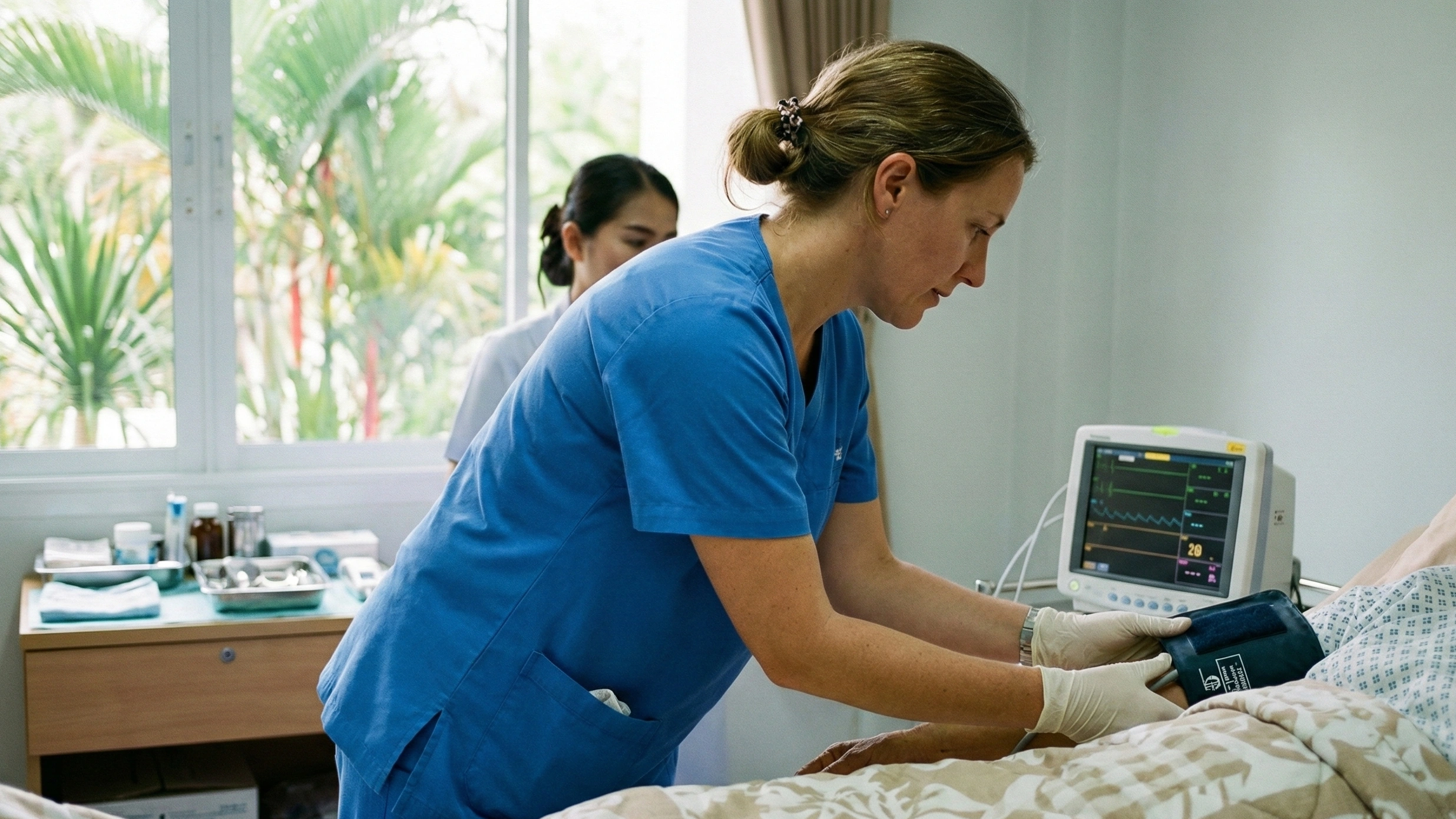
Vitals Monitoring: Nurses will check your blood pressure, heart rate, and temperature every few hours (or more frequently) to catch any complications early.
-
Psychological Support: Withdrawal is emotional. Having a counsellor available to talk you through the “detox fear” or panic attacks is a standard part of the care package in high-end Thai facilities.
Are There Medical Detox Centres In Thailand That Offer Luxury Accommodation?
Yes. There is a misconception that detox must happen in a cold, white-walled hospital room. In Thailand, you can detox in 5-star comfort, which significantly improves completion rates.
-
Private Suites: High-end centres offer private villas or suites with en-suite bathrooms, smart TVs, Netflix, and premium bedding. This privacy is crucial during the first few days when you may not feel social.
-
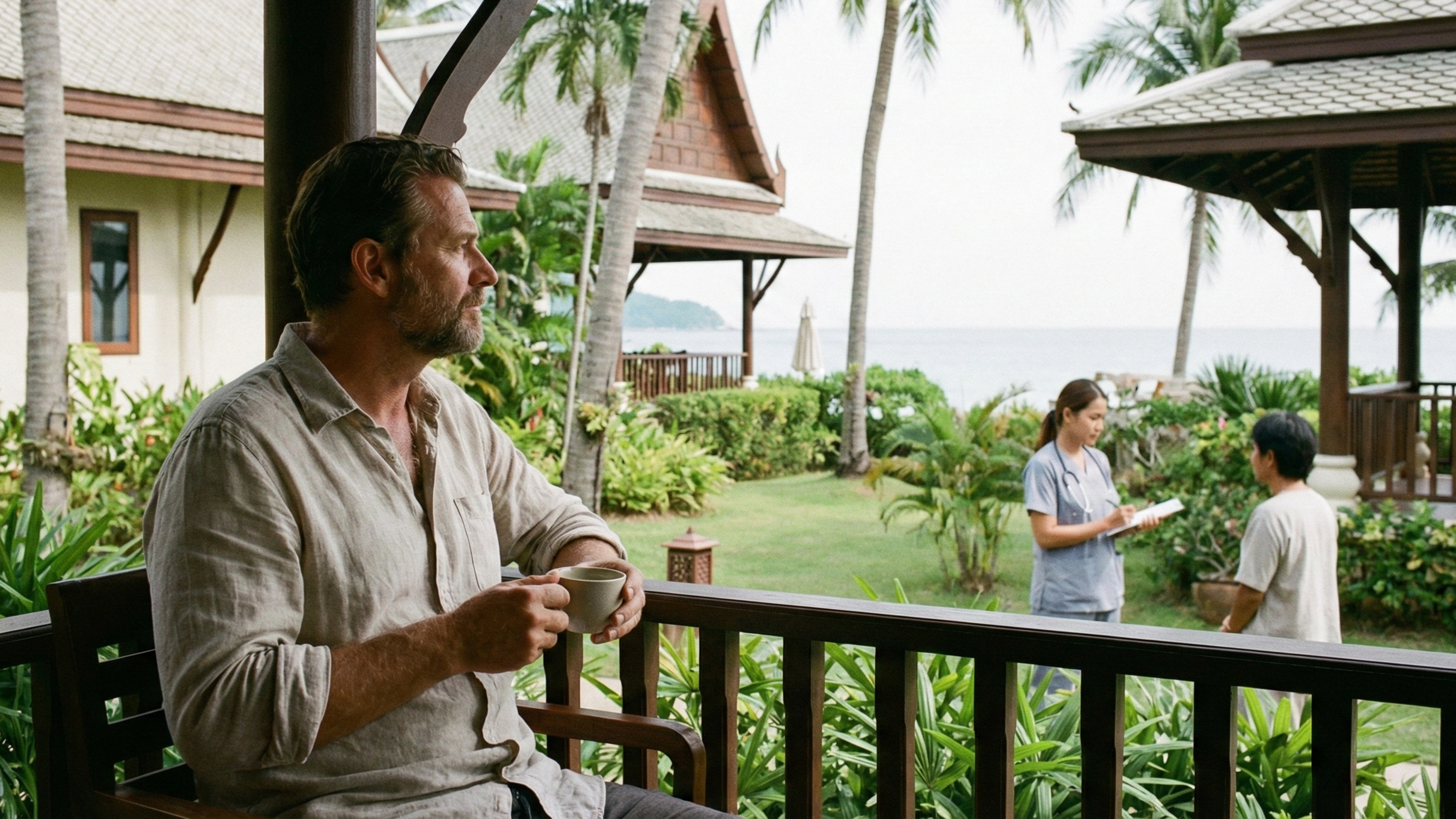
Resort Amenities: As soon as you are physically able, you have access to swimming pools, tropical gardens, and private lounges. Fresh air and sunlight are potent healers.
-
Discretion: Luxury centres prioritize privacy. You can often have meals delivered to your room and avoid group settings entirely until you feel ready to join the community.
Can I Arrange Airport Pickup And Transport With Medical Detox Centres In Thailand?
Traveling while needing detox is daunting. To mitigate this stress, almost all reputable centres include VIP Airport Pickup as a standard part of their service.
-
Gate Service: You won’t be left wandering the airport. Staff will meet you at the arrival gate at Bangkok (BKK) or Koh Samui (USM) airports holding a sign with your name (or a code name for privacy).
-
Fast Track: Some premium packages include “Fast Track” immigration service, where an agent whisks you through a priority lane to skip the long queues.
-
Private Transfer: You are driven directly to the facility in a private, high-end unmarked vehicle. This ensures your safety and privacy begin the moment you touch down in Thailand.
Can UK Residents Get Follow-Up Care After Medical Detox In Thailand Remotely?
Detox is only the starting line; it “cleans the slate,” but it does not cure the addiction. If you must return to the UK immediately after detox (which is generally not recommended), follow-up care is essential to prevent immediate relapse.
-
Online Rehab: Many Thai centres offer “Tele-Health” packages. This involves weekly video calls with your focal therapist and joining online group sessions with your cohort.
-
Alumni Networks: You will be connected with other UK-based alumni who can offer peer support.
-
Referrals: Leading centres can refer you to trusted outpatient therapists or private counsellors in London, Manchester, or your local area to ensure continuity of care.
Is Medical Detox Treatment In Thailand Covered By UK Health Insurance?
-
NHS: The NHS generally does not cover treatment abroad. You would need to self-fund the trip.
-
Private Insurance: If you have an international health insurance policy (like Bupa Global, AXA, or Allianz), you may be covered. Look for “Inpatient Psychiatric” or “Substance Abuse” clauses in your policy.
-
The Process: Unlike in the UK where the hospital bills the insurer directly, in Thailand you often pay upfront and file a claim for reimbursement later. The rehab centre will provide all the necessary medical invoices and license documentation to support your claim.
What Are The Differences Between Medical Detox Facilities And Rehab Centres In Thailand?
It is vital to understand the difference so you book the right service.
-
Medical Detox Unit: This is a hospital-grade facility focused solely on the physical removal of toxins. The priority is medical safety. The average stay is 5–10 days. There is very little “therapy” here; it is about resting and surviving withdrawal.
-
Rehab (Psychotherapeutic Care): This begins after detox. It focuses on psychology, trauma resolution, and behavior change. It lasts 28–90 days.
-
The Hybrid Model: Often the most robust option is a Licensed Rehab (like Holina) that has an integrated medical detox unit. This means you do your detox and rehab in the same place, with the same team, ensuring a seamless and safe journey.
Start Your Recovery Safely with Holina Rehab
Detox is one of the most physically demanding parts of recovery, but you don’t have to do it in a cold, clinical hospital. At Holina Rehab, we offer a Licensed Enhanced Medical Detox that combines hospital-grade safety with the comfort of a luxury wellness retreat.
Why Choose Holina for Your Detox:
-
Medical Excellence: Our detox unit is led by licensed medical doctors and staffed by nurses 24/7. We don’t just “watch” you; we manage your withdrawal actively using evidence-based medication protocols to ensure you are safe and comfortable.
-
Seamless Transition: Unlike standalone detox clinics, we are a fully integrated rehab. Once you are physically stable, you simply step out of the medical unit and into your private villa to begin the therapeutic healing process. There are no transfers, no new paperwork, and no gaps in your care.
-
Holistic Support: We believe food is medicine. We support your body’s reset with nutritious chef-prepared meals, fresh juices, and gentle restorative therapies to repair your gut and speed up your physical recovery.
-
A “Soft Landing”: Recover in a private room with premium amenities, surrounded by the calming nature of Koh Phangan. We offer a sanctuary, not a clinic, giving you the dignity and peace you need to heal.
Your safety is our priority. Our admissions team is ready to assess your medical needs immediately and arrange everything from your visa to your airport pickup.
Visit www.holinarehab.com to speak with a specialist about your medical detox needs today.
“I finally came to Holina, and from the first day I arrived I had nothing but full professional support around me.”
— Benjamin Field, verified Google review, 20 Mar 2026 · ★★★★★
References
- SAMHSA TIP 45 — Detoxification and Substance Abuse Treatment (medically supervised withdrawal management; detox is the first stage only). ncbi.nlm.nih.gov
- National Institute on Drug Abuse — Treatment and Recovery (detox alone is not sufficient; recovery requires ongoing treatment). nida.nih.gov
- McKay JR. Impact of Continuing Care on Recovery From Substance Use Disorder (2021). pmc.ncbi.nlm.nih.gov
Related reading
Ready to Start Your Recovery Journey?
Our clinical team is available to answer your questions and help you find the right programme for your needs.
Speak with Our Team →