
Outpatient vs Inpatient Drug Detox: Which Is Right for You?
One of the first questions in recovery from drug addiction is where detox should happen: while living at home around your daily life, or by living full-time inside a treatment centre. Both models exist and both help people recover. This guide explains the real differences honestly, so you can decide what your recovery actually needs.
What Outpatient Drug Detox Is
In outpatient detox you continue living at home and attend scheduled medical appointments, therapy and group sessions during the week. Clinically this covers a spectrum of intensity, from standard outpatient care through to intensive outpatient (IOP) and partial hospitalisation (PHP) programmes, as set out in the ASAM levels of care.
It tends to suit: people with milder, non-physically-dependent drug use; those with stable, supportive homes free from ongoing exposure to drugs; and people stepping down after residential treatment as part of aftercare.
Genuine strengths: it fits around work and family, generally costs less, and lets you practise recovery in your real environment.
Genuine limits: you stay exposed to the same triggers, routines and relationships that fuelled the addiction; medical supervision only happens during scheduled visits; and it asks a great deal of self-discipline during the fragile early weeks when relapse risk is highest.
What Inpatient (Residential) Drug Detox Is
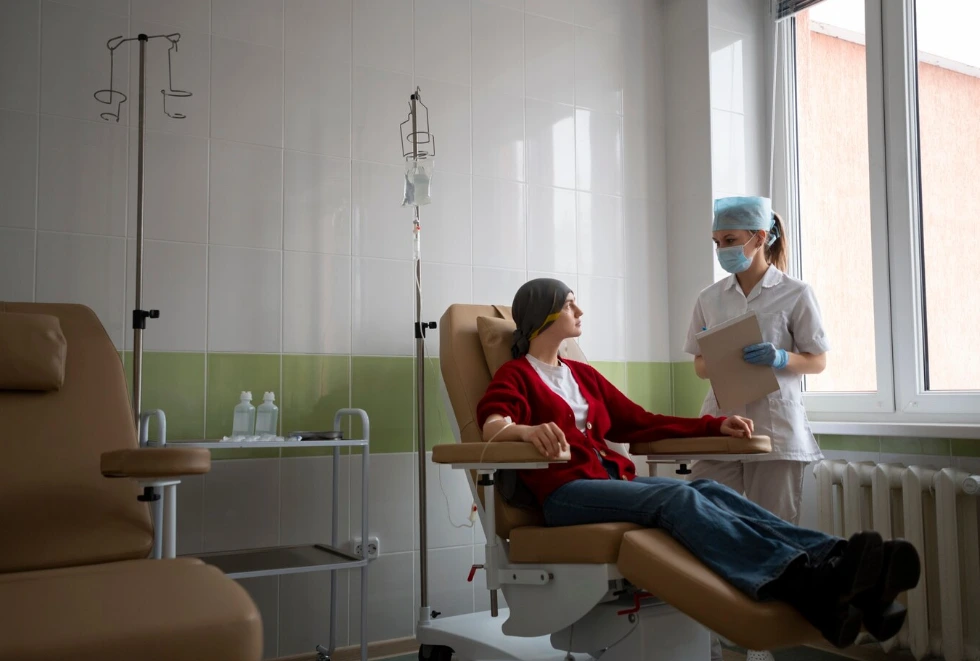
In inpatient detox you live at the facility for the duration of your programme, with medical oversight, therapy, structure and support built into every day. This is the model Holina Rehab provides, from our residential centre on Koh Phangan, Thailand.
It tends to suit: people with moderate to severe or long-term drug use; anyone facing a physically risky withdrawal; those with limited support at home; and people with a co-occurring behavioural health condition who benefit from an integrated Dual Treatment approach.
Genuine strengths: round-the-clock support, complete removal from the triggers and stresses of daily life, on-site medical supervision, and an immersive programme combining therapy, movement, nutrition and holistic care.
Genuine limits: it costs more than outpatient care and means time away from home and work.
Why the Substance Matters: The Detox Safety Point
With drug detox the choice is not only about lifestyle and cost — it can be about safety, and the danger depends heavily on the substance:
Benzodiazepines are the highest-risk group. Stopping suddenly can trigger life-threatening seizures, and benzodiazepine withdrawal is one of the few withdrawal syndromes that can directly cause death — so a supervised, gradual taper is strongly advised (American Addiction Centers, Dangers of Benzodiazepine Withdrawal).
Opioids (heroin, fentanyl, prescription painkillers) rarely cause fatal withdrawal directly, but the process is intensely uncomfortable, and unsupervised home detox carries real risks of dehydration, relapse and — because tolerance drops fast — accidental overdose if a person returns to use.
Stimulants (cocaine, methamphetamine) produce a mainly psychological withdrawal — crushing fatigue, depression and cravings — where the key risk is relapse and low mood rather than seizures.
This is the honest reason a purely home-based, unsupervised detox is often inappropriate for physically dependent users, particularly with benzodiazepines. If detox is likely to be part of your recovery, a setting with medical oversight matters. You can read more in our week-by-week guide to what to expect from drug detox.
How the Two Models Compare
| Feature | Inpatient / Residential | Outpatient |
|---|---|---|
| Medical supervision | 24-hour on-site | During scheduled visits only |
| Exposure to triggers | Removed from daily environment | Remains in home environment |
| Flexibility | Lower — full-time stay | Higher — fits around work and family |
| Typical cost | Higher | Lower |
| Best fit | Moderate-to-severe use, risky withdrawal, co-occurring conditions | Milder use, strong home support, step-down after residential |
How Holina Fits In
To be clear about our own service: Holina Rehab is a licensed residential treatment centre — we do not run an outpatient or day-programme detox. Clients live on our Koh Phangan campus for the duration of their stay, and medically supervised detox and stabilisation is arranged as part of the residential programme, based on each person’s clinical assessment on arrival.
Our programmes run over one, two or three months, and that immersive foundation is followed by structured aftercare once a client completes their stay — a bridge back into daily life rather than an abrupt ending. If outpatient care is the more appropriate level for your situation, an honest assessment is the right first step, and we would rather help you find the correct fit than place you in the wrong one. You can explore our wider drug addiction treatment approach for more detail.
How to Decide
There is no single right answer — the guiding principle in the ASAM framework is the least restrictive setting that can still keep you safe and support real change. As a general guide, outpatient care can work well for milder cases with strong home support and no physical dependence. Residential care is often the safer, more effective foundation where dependence is moderate to severe, where a supervised detox is needed, or where addiction sits alongside a behavioural health condition. This is closely related to the same question for alcohol — you can read our companion guide on outpatient versus residential alcohol treatment.
Frequently Asked Questions
Is outpatient detox safe for serious addiction?
It depends on the substance and individual history. For physically dependent use — especially benzodiazepines — unsupervised detox can be dangerous, and a medical assessment should come first.
Does Holina offer outpatient detox?
No. Holina’s programme is residential — clients live on-site for their stay. If outpatient care suits your situation better, we will say so during assessment.
Is medically supervised detox included at Holina?
Yes. Medically supervised detox and stabilisation is available as part of the residential programme, arranged around each client’s clinical assessment on arrival.
What does a residential stay cost?
Programme lengths and room options vary. For current, all-inclusive pricing please see our rehab prices page rather than relying on figures quoted elsewhere.
A Word From Our Clinical Team
“The first question in any detox is not inpatient or outpatient — it is whether this person can stop safely where they are. With some drugs, and benzodiazepines above all, withdrawal is a medical event rather than a test of willpower. A residential setting lets us manage that safely and treat what sits underneath the addiction at the same time.”
— Dr. Aviva Wolf, Consultant Psychiatrist, Holina Rehab [Draft quote — pending Dr. Wolf’s sign-off]
What Our Clients Say
“Ian was absolutely game changing in helping our family with an intervention, without which we were in an endless spiral of pain and suffering. Since Ian’s intervention we have managed to get the family member into a stable situation. Which all started from Ian’s knowledge, experience and genuine care. Highly recommend.”
— Stephen Lewin, 20 May 2026
Take the Next Step
Choosing a level of care is not about picking the easier route — it is about choosing the one that will actually keep you safe and help you change. If you would like help deciding what fits your situation, our team is here to talk it through. Learn more about drug addiction treatment at Holina.
Medically reviewed by Dr. Aviva Wolf, Consultant Psychiatrist, Holina Rehab. This article is for general education and is not a substitute for personalised medical advice. If you are dependent on drugs, seek professional assessment before stopping.
Ready to Start Your Recovery Journey?
Our clinical team is available to answer your questions and help you find the right programme for your needs.
Speak with Our Team →