


Medically reviewed by Adrian Solomon, Counselling Psychologist at Holina Rehab. Last reviewed July 2026.
Why Ketamine Use Is Rising Among Young Adults
Ketamine has moved from the edges of nightlife into student halls, house shares and private flats — and the people using it are getting younger. This is not a scare story; it is a documented trend. According to the Office for National Statistics, around 2.0% of people aged 16 to 24 in England and Wales reported using ketamine in the year ending March 2025. Longer term the picture is starker: use in this age group climbed from roughly 0.8% in 2012–13 to a peak of about 3.2% in 2019–20, and treatment services have felt it — 5,365 adults started treatment for ketamine problems in 2024/25, more than twelve times the number a decade earlier (House of Commons Library). Young adults are at the centre of that curve, which is why the drug deserves specific attention rather than being folded into general drug statistics.
The “Safe Party Drug” Myth
Part of the reason ketamine spreads so easily among younger users is a set of beliefs that do not hold up. Many young people assume it is less harmful than cocaine or heroin, that it is non-addictive because there is no dramatic physical withdrawal, and that it is “just a dissociative” with few lasting consequences. In reality ketamine is strongly habit-forming psychologically, and heavy or frequent use is linked to ketamine-induced bladder and urinary tract damage (ketamine uropathy), memory problems and worsening mental health. We cover the pharmacology in more detail in Ketamine: Top 4 Questions Answered and the potential side effects and risks of ketamine use.
Why the Developing Brain Raises the Risk
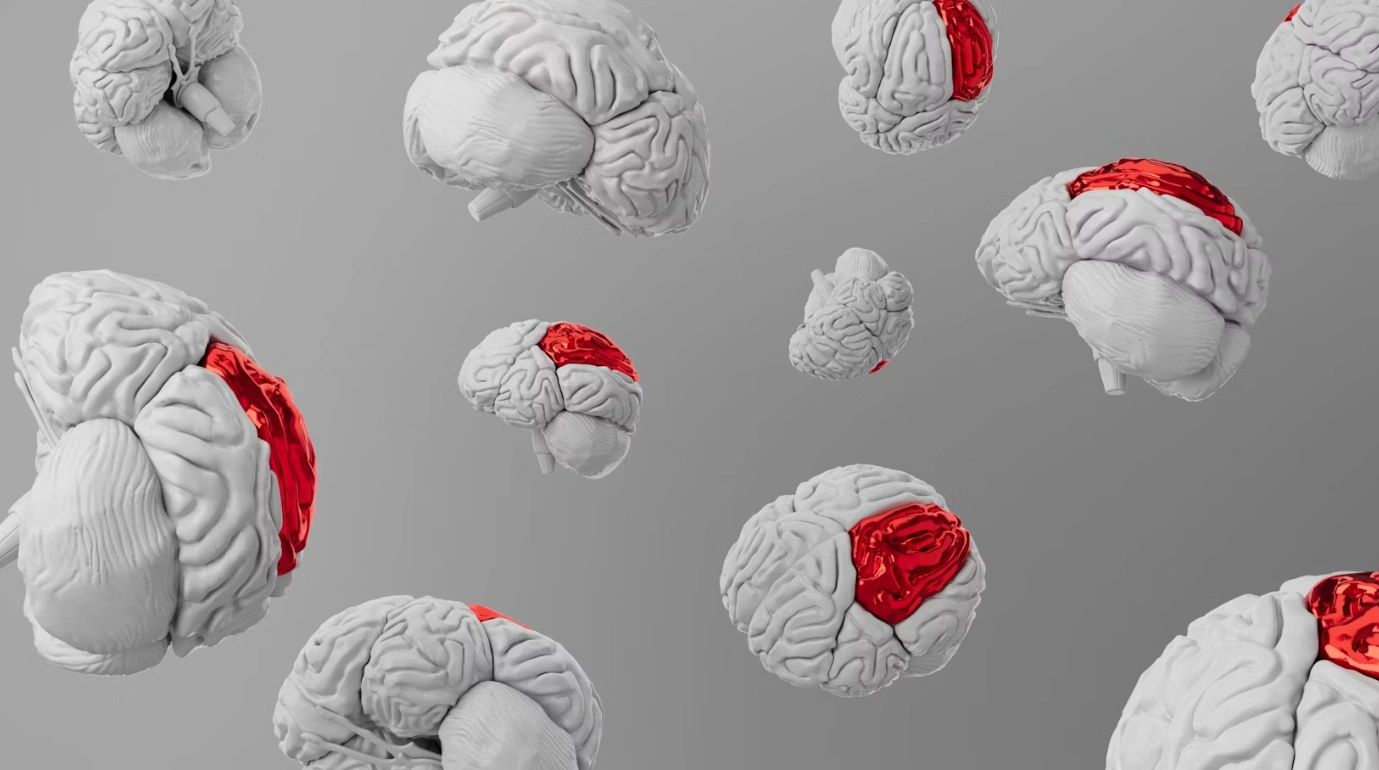
The single biggest age-specific risk factor is neurological. The brain continues maturing until around age 25, and the prefrontal cortex — responsible for planning, impulse control and weighing consequences — is one of the last regions to finish developing. During adolescence and early adulthood, reward-seeking is heightened while the brakes are still being fitted. That combination makes a young person both more likely to try ketamine and less able to stop once use becomes a problem. Because ketamine acts on brain systems tied to memory, motivation and emotional regulation, early heavy use can interfere with learning, relationships and mental-health resilience at exactly the stage those foundations are being built.

Social and Emotional Triggers Specific to Youth
Age-specific pressures do the rest. Belonging matters enormously in your teens and twenties, so if a friendship group normalises ketamine, the pull to join in is powerful — particularly in nightlife and student-housing settings. Academic stress, perfectionism and fear of failure push some students toward ketamine as a fast route to emotional numbness. And young people carrying unresolved trauma or unstable home lives are far more likely to self-medicate. In each case the drug is doing a job — masking pain, quieting anxiety, buying belonging — which is why simply removing it is never enough.
Warning Signs in Teens and Students
Because young users are often assumed to be simply moody or unmotivated, the signs are easy to miss. Watch for slurred speech or episodes of dissociation, a drop in academic performance, changes in sleep, weight or hygiene, and loss of interest in hobbies. Emotionally, ketamine use tends to show up as flat affect, avoidance of difficult conversations and a fading sense of future goals. These patterns are frequently mistaken for ordinary teenage behaviour but can signal something that needs support.

The Long-Term Cost of Starting Young
Starting ketamine during these developmental years carries consequences that can outlast the habit. Frequent use is associated with lasting difficulties in memory retention, information processing and concentration, and it can trigger or worsen depression, anxiety and dissociative disorders. Socially, young users may become withdrawn, emotionally unavailable and isolated from family and friends. Addressing the physical dependence alongside the underlying mental-health picture is the purpose of Holina’s dual treatment programme.

How to Talk to a Young Person About Ketamine
Conversations work better than confrontations. Stay calm and non-judgmental, ask open-ended questions, share facts rather than fear, and offer support rather than ultimatums. A line such as “I’m not here to punish you — I just want to understand what you’re feeling” tends to open more doors than a lecture. If you notice recurring signs, speak to a school counsellor or contact a specialist service early. Early intervention consistently produces better outcomes than waiting for a crisis.
How Holina Supports Young-Adult Recovery
Most of Holina’s younger clients are aged 18–25, and their programme is shaped around that stage of life rather than treated as a smaller version of adult rehab. That means psychotherapy geared to emotional development, workshops on resilience, communication and identity, and expressive therapies including art, music and movement. Peer circles and group work help young clients rebuild healthy friendships and a sense of community, while a trauma-informed approach focuses on understanding what the ketamine was covering up rather than shaming the behaviour. Treatment sits within our wider drug addiction and ketamine addiction treatment pathways, with medically supervised ketamine detox in Thailand where needed.
“Young adults rarely use ketamine because they enjoy the drug — they use it because it does something for them, usually numbing pressure or pain they don’t yet have words for. Recovery at this age works best when we treat the developing person, not just the substance.”
A Word From Our Community
Recovery is possible, and the people who have done it say it best. From Holina’s verified client reviews:
“I have continued my 12 step recovery journey and worked through trauma at Holina. This is a world class treatment centre, the team are incredibly caring and professional, experts in their field. Offering a truly holistic experience with recovery at its core – in a stunning location which promotes healing and allows a safe space to work through feelings while being supported along the journey. The clinical team, along with therapists, nutritional teams and support staff work tirelessly to ensure recovery is possible. I have seen miracles happen here – 100% recommend to anyone who wants Recovery from addiction and healing from trauma.”
Frequently Asked Questions
Why is ketamine so popular among teens and students?
It is relatively cheap, easy to conceal and widely (but wrongly) believed to be “safe.” It also offers a quick emotional escape in high-pressure academic and social environments.
Can ketamine cause permanent damage in young people?
Frequent or heavy use can affect memory, emotional regulation and concentration, and is linked to bladder and urinary tract damage. Some cognitive effects can persist after stopping, which is why early help matters.
What is the best way to talk to my child about ketamine?
Be honest, open and calm. Avoid fear tactics, focus on listening and support rather than judgment, and seek professional guidance if use appears to be recurring.
Does Holina accept clients under 18?
In special cases, with parental consent and a tailored programme. Most young clients are aged 18–25.
What if my teen doesn’t think they have a problem?
This is common. Holina’s team is experienced in building awareness gently through guidance and peer feedback rather than pressure.
Can family therapy be part of the process?
Yes. Involving the family system supports long-term recovery and reconnection.
Protecting the Next Generation
If you are a parent, a teacher or a young person yourself, you are not powerless. Ketamine can numb pain for a while, but it costs young people connection, growth and purpose. Holina Rehab offers an age-appropriate, compassionate path to recovery in a calm setting in Thailand.
Admissions support: +66 82 113 0657
Visit: holinarehab.com
Sources: Office for National Statistics, Drug misuse in England and Wales (year ending March 2025); House of Commons Library research briefing on ketamine (2025).
Ready to Start Your Recovery Journey?
Our clinical team is available to answer your questions and help you find the right programme for your needs.
Speak with Our Team →