
Ketamine Addiction Treatment in Thailand
Ketamine addiction is driven by strong psychological dependency — but heavy recreational use also carries serious physical risk, most notably ketamine bladder syndrome. At Holina Rehab in Koh Phangan, Thailand, our licensed residential programme combines medically supervised care, specific experience managing ketamine-related bladder symptoms, and somatic and trauma-focused therapy for lasting recovery.
- Licensed Facility
- Medical Detox Available
- Koh Phangan, Thailand
- 30–90 Day Programmes
What is Ketamine Addiction?
Ketamine is an anaesthetic agent that has become widely misused recreationally for its dissociative and euphoric effects, particularly across East and Southeast Asia. Regular high-dose use creates significant psychological dependency alongside serious and potentially irreversible physical harm — most notably ketamine cystitis, a severe bladder and urinary tract condition.
At Holina Rehab, we have extensive experience treating ketamine dependency, including the management of ketamine-related bladder symptoms. Our programme combines medical oversight, psychological therapy, and the structured environment needed to address both the compulsive use and its physical consequences.
With medically supervised detox, CBT, somatic therapies, and a clear aftercare plan, we support clients through the full process of recovery from ketamine dependency — including guidance on the ongoing management of any physical health complications.
The EMCDDA (European Monitoring Centre for Drugs and Drug Addiction) reports that ketamine misuse has increased significantly across Europe and Asia, particularly among young adults. UK national drug use survey data shows ketamine use among 16–24 year-olds nearly doubled from 1.7% in 2010 to 3.2% in 2020. Ketamine bladder syndrome — characterised by severe urinary tract damage — is an increasingly recognised complication of heavy recreational use: peer-reviewed medical literature indicates that ulcerative cystitis (bladder inflammation and damage) develops in over 25% of regular ketamine users, and it can become irreversible without early intervention.
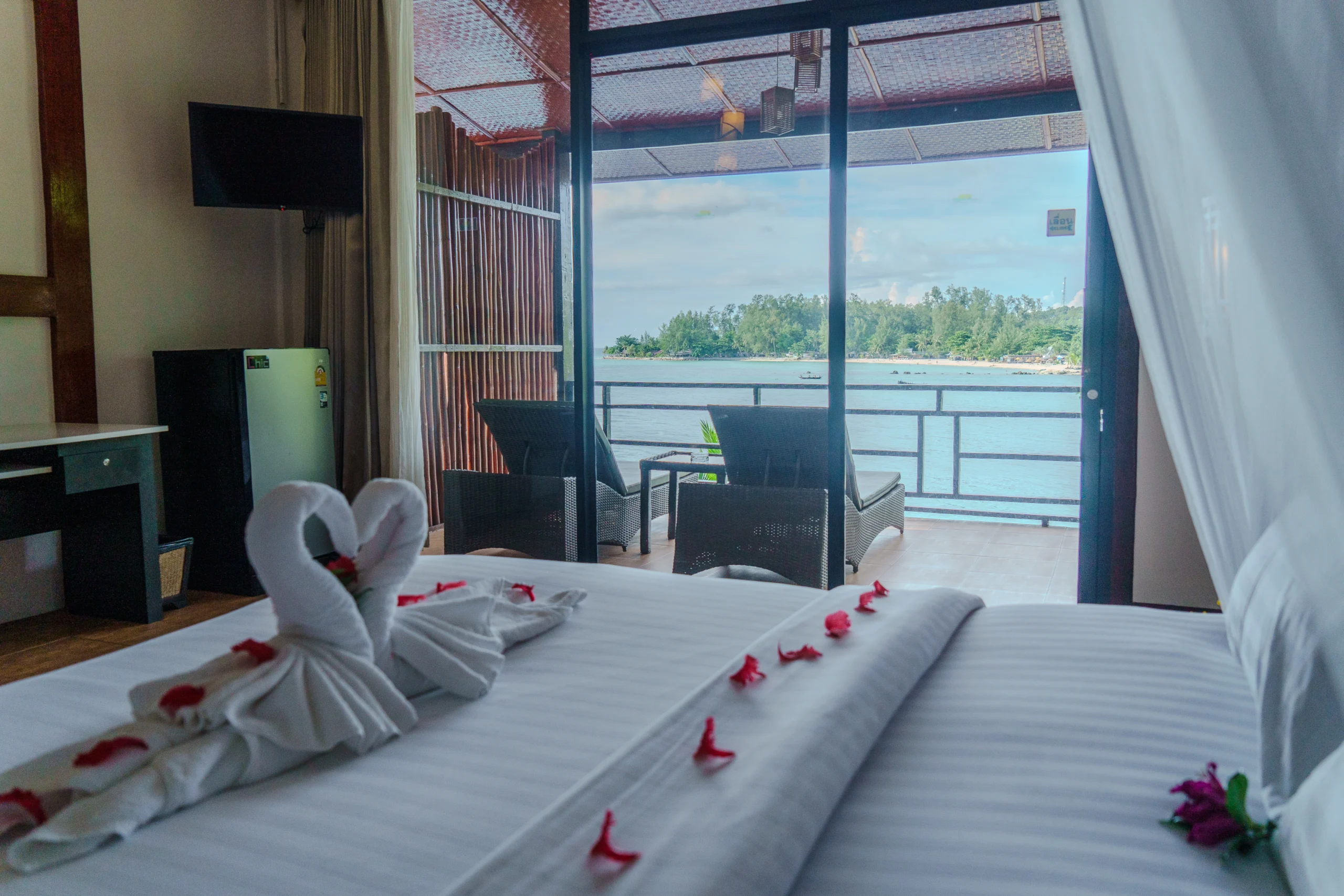
Holina Rehab — Koh Phangan, Thailand
What Are the Signs of Ketamine Addiction?
The signs of ketamine addiction are often psychological before they are physical — escalating use, cravings and low mood between sessions, withdrawing from work or relationships, and, with heavy use, urinary and bladder symptoms. The signs below are the ones we see most often at assessment.
Seeking Dissociative States
Regularly using ketamine to enter a dissociative or detached state known as a K-hole.
Bladder and Urinary Symptoms
Pain during urination, increased urinary frequency, and blood in urine — signs of ketamine cystitis.
Psychological Cravings
Strong urges to use ketamine, particularly in social or recreational contexts.
Increasing Tolerance
Needing significantly larger amounts to achieve the same dissociative effect.
Cognitive Impairment
Memory problems, difficulty concentrating, and impaired executive function.
Continuing Despite Physical Damage
Persisting with use despite bladder symptoms, pain, or awareness of long-term organ damage.
Social Withdrawal
Prioritising ketamine use over relationships, work, and other activities.
Mood Instability
Depression, anxiety, or emotional flatness when not using ketamine.
Financial Impact
Significant spending on ketamine leading to financial difficulties.
How Do We Treat Ketamine Addiction at Holina Rehab?
We treat ketamine addiction through a structured, four-step residential programme: medically supervised assessment and stabilisation, beginning with on-site medical detox, coordinated management of ketamine-related bladder symptoms, individual and group therapy addressing the psychological dependency — combined with our Dual Treatment programme where anxiety, depression or trauma underlie use — and an aftercare plan for lasting recovery.
Assessment
Comprehensive clinical and psychological evaluation. Individual treatment plan from day one.
Medical Detox
Doctor-supervised withdrawal management with medication to ensure safety and comfort.
Primary Care
CBT, DBT, group therapy, trauma work, holistic treatments and daily structure.
Aftercare
Relapse prevention plan, continuing care referrals, and alumni community support.

Evidence-Based. Individually Tailored.
-
Ketamine Detox and Bladder Management
Our clinical team manages ketamine withdrawal with medical oversight, including monitoring and initial management of any bladder or urinary tract complications. We provide referrals for specialist urological assessment where required.
-
Psychological Dependency and Dissociation
Ketamine use often serves a dissociative or escapist function. Our therapists work with clients to understand and address the emotional needs the drug has been meeting, using CBT, somatic therapy, and trauma-informed approaches.
-
Somatic Recovery and Nervous System Regulation
Holina’s somatic therapists support clients in reconnecting with the body and rebuilding a grounded, regulated nervous system — particularly important given ketamine’s dissociative effects.
A Different Kind of Recovery

Licensed Medical Facility
Holina Rehab is fully licensed by the Thai Ministry of Public Health and operates under international addiction treatment standards. Our on-site physician, nursing staff, and experienced addiction therapists provide 24-hour clinical oversight throughout your programme.
Medical detoxification, dual treatment for addiction and behavioural health, and evidence-based therapy are delivered within a single integrated residential setting — no referrals, no gaps in care.

The Koh Phangan Recovery Environment
The tropical island setting — sea air, natural surroundings, and distance from daily life — creates conditions for the psychological reset that recovery requires. Koh Phangan is home to one of Asia’s largest healing communities.
Clients benefit from private beach access, swimming pools, on-site gym, a nutritious restaurant, and a range of holistic therapies that complement the clinical programme.
Our Clinical Team
Treatment at Holina Rehab is led by qualified medical professionals and experienced addiction therapists. Every client is under active clinical supervision throughout their programme.


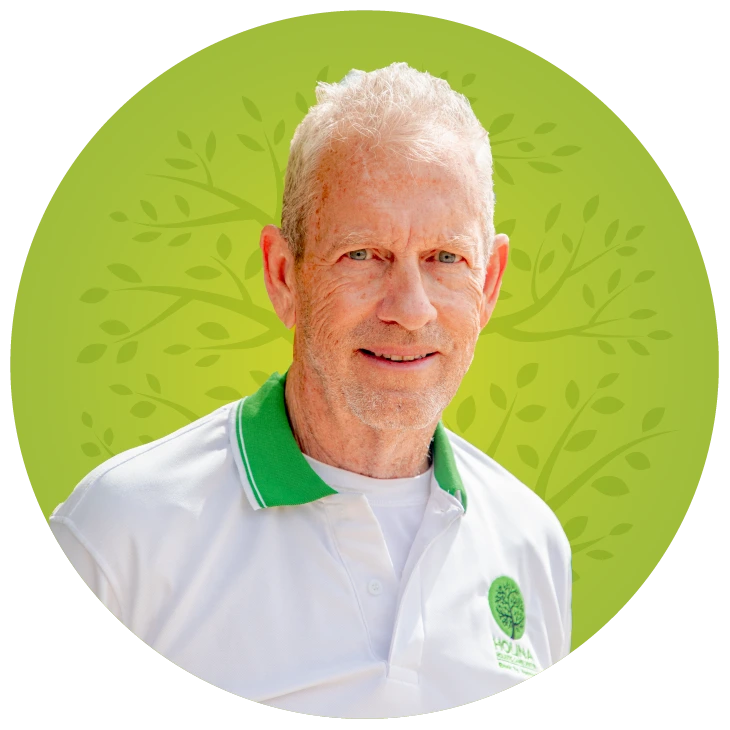
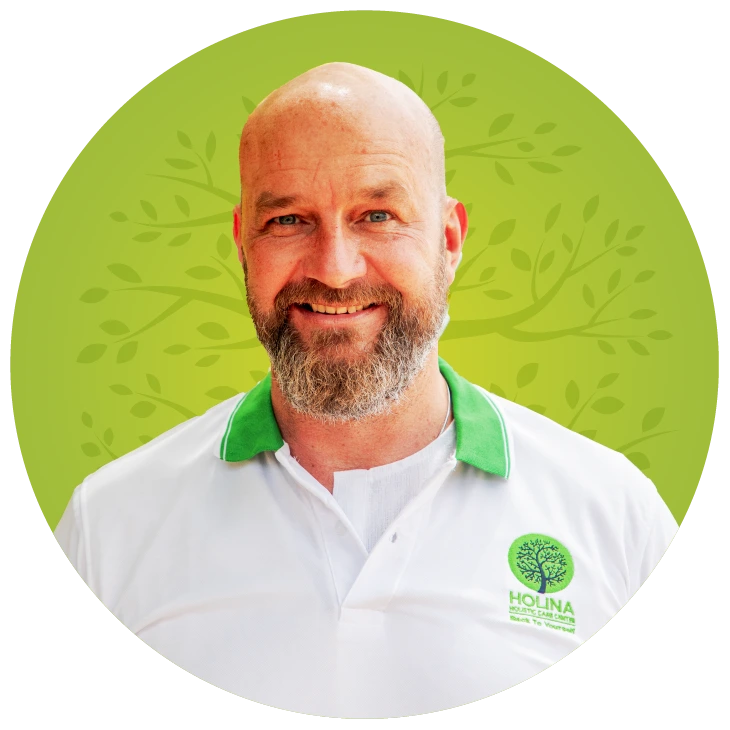
Licensed by the Thai Ministry of Public Health · Residential Rehab Licence #84-03-00294 · International Addiction Treatment Standards
Ketamine Addiction Treatment: Frequently Asked Questions
What is ketamine bladder syndrome, and is it reversible?
Ketamine bladder syndrome (ketamine-induced ulcerative cystitis) is damage to the bladder and urinary tract caused by regular ketamine use. Peer-reviewed medical literature indicates it develops in over 25% of regular users, causing pain, urinary urgency and, in some cases, blood in the urine. Caught early, symptoms can often improve significantly once ketamine use stops. Without early intervention, the damage can become permanent — which is why we treat it as an urgent clinical priority alongside the addiction itself.
What does ketamine withdrawal feel like?
Ketamine withdrawal is primarily psychological rather than physically dangerous. Unlike alcohol or benzodiazepine withdrawal, it does not typically cause life-threatening physical symptoms. Instead, people most often experience strong cravings, low mood, anxiety, fatigue and difficulty concentrating in the days and weeks after stopping. Our clinical team provides medically supervised support throughout.
How does Holina help with ketamine-related bladder symptoms?
Holina Rehab has specific experience supporting clients with ketamine-related bladder symptoms. Stopping ketamine use is the single most important step, and our residential setting removes access while our team monitors urinary symptoms, coordinates appropriate medical care, and integrates pain and symptom management into the wider treatment plan.
How long does ketamine addiction treatment take?
Length of stay depends on the severity of the dependency, the presence of bladder or other physical complications, and individual progress. Residential treatment is planned around your clinical needs. See rehab costs in Thailand to plan ahead.
Can my family be involved in treatment?
Yes. Family involvement is an important part of recovery. Our family addiction support helps loved ones understand ketamine addiction, set healthy boundaries and take part in the recovery journey.
Does insurance cover ketamine addiction treatment?
Many international insurance policies contribute toward residential addiction treatment, though cover varies by provider and plan. See our guidance on rehab insurance and financing, or contact our team.
Ready to Begin Your Recovery?
Our admissions team responds the same day — seven days a week, in full confidence.
+66 (0) 82 113 0657 or contact us online ↓