
Ketamine Detox in Thailand
Ketamine detox is different from most drugs: withdrawal is largely psychological — cravings, low mood, anxiety and disrupted sleep — while chronic heavy use also carries a real risk of bladder and urinary tract damage. At Holina Rehab in Koh Phangan, Thailand, our licensed medical team manages both safely, then transitions you into full residential Dual Treatment.
- Licensed Facility
- Medical Detox Available
- Koh Phangan, Thailand
- 30–90 Day Programmes
What Is Ketamine Detox?
Ketamine is a dissociative anaesthetic. Used recreationally at escalating doses, it produces strong psychological dependency — tolerance builds quickly, and cravings and low mood between uses drive a cycle of repeated dosing. Unlike alcohol or benzodiazepine withdrawal, stopping ketamine is not usually life-threatening in itself, which is a genuine difference worth understanding before you plan detox.
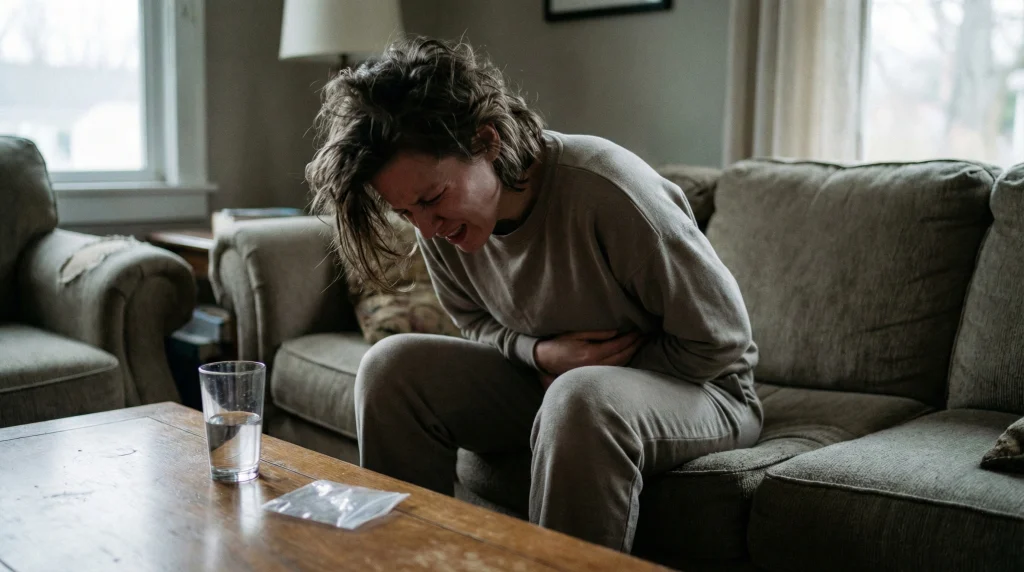
What makes ketamine detox distinct is the combination of that psychological withdrawal with a separate, physical risk that builds with heavy, prolonged use: damage to the bladder and urinary tract, sometimes called ketamine cystitis or “K-Bladder”, alongside severe abdominal pain known as “K-Cramps”. Both are genuine clinical findings, not scare tactics — and both are addressed directly in our detox protocol below.
At Holina Rehab, ketamine detox means medical assessment (including a bladder and urinary symptom screen), supervised management of cravings, pain and sleep disruption, and grounding work to help you reconnect with your body after a period of dissociative use. Detox and stabilisation are the first stage — from there, clients move into our full residential Dual Treatment programme, which addresses the psychological drivers that sustained the addiction.
A 2025 patient-reported study in the journal Addiction found abstinence symptoms of cravings in 71%, low mood in 62%, anxiety in 59% and irritability in 45% of people with ketamine use disorder, alongside bladder problems in 60% and painful “K-Cramps” in 56% (Harding et al., 2025). Separately, lower urinary tract symptoms have been reported among street-ketamine users, though precise incidence is not well established, with severe cases risking irreversible kidney damage (Chu et al., BJU International, 2008). Cessation is the mainstay of treatment — most people see bladder symptoms improve once ketamine use stops (Jhang et al., Tzu Chi Medical Journal, 2023).

What Does Ketamine Withdrawal Feel Like?
Ketamine withdrawal is primarily psychological, but chronic heavy use can also bring physical symptoms that need direct clinical attention. These are the signs we assess for most often.
Cravings
Strong, often sudden urges to use, most intense in the first one to two weeks off ketamine.
Low Mood & Anxiety
Depressive symptoms and anxiety are the most commonly reported abstinence symptoms in clinical surveys.
Irritability & Agitation
Sudden agitation or mood swings as the nervous system readjusts without the drug.
Sleep Disruption
Insomnia, vivid dreams, and a disrupted sleep cycle in the early days of withdrawal.
“K-Cramps”
Severe abdominal or bladder-area pain, reported by over half of regular users in recent research.
Bladder & Urinary Symptoms
Pain on urination, urgency, frequency, or blood in urine — possible signs of ketamine cystitis.
Dissociation & Brain Fog
Feeling detached from your body, plus memory and concentration problems that can persist into early recovery.
Fatigue
Physical and mental exhaustion as the body and brain recalibrate without ketamine.
Continuing Despite Physical Harm
Persisting with use despite pain, urinary symptoms, or awareness of possible bladder damage.
How Does Ketamine Detox Work at Holina Rehab?
Ketamine detox at Holina Rehab is a medically supervised, four-stage process — assessment, stabilisation of psychological and physical symptoms, grounding, and transition into full residential care — that connects directly into our Dual Treatment programme for the underlying drivers of use.
Medical Assessment
Clinical evaluation including a bladder and urinary symptom screen, behavioural health history, and use pattern.
Stabilisation
Doctor-supervised management of cravings, K-Cramp pain, anxiety, and disrupted sleep.
Grounding & Psychological Care
Individual therapy and somatic work addressing dissociation and the emotional drivers of use.
Transition to Dual Treatment
Moving into the full residential programme once withdrawal is stabilised.
Detox That Treats the Whole Picture
-
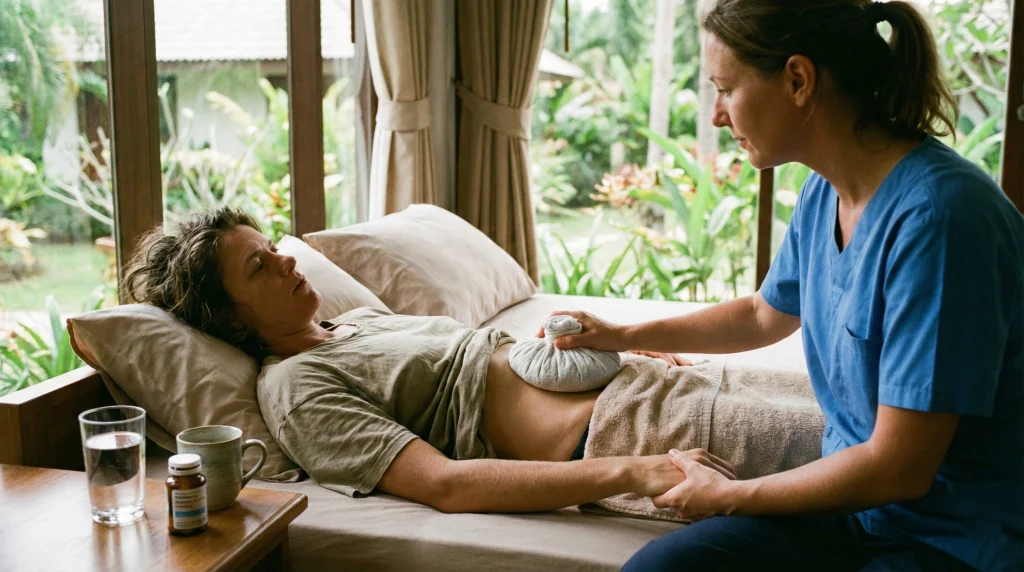
“K-Cramp” & Pain Management
Non-opioid antispasmodic protocols and comfort-focused nursing care manage the abdominal and bladder-area pain that drives many people back to using, without risking cross-addiction.
-
Bladder & Urinary Tract Monitoring
On admission we screen for symptoms of ketamine cystitis. Where indicated, we support hydration, anti-inflammatory nutrition, and coordinate referral to a urologist for further assessment.
-
Grounding for Dissociation
Sensory and somatic techniques help re-establish a felt sense of safety in the body after a period of dissociative use, bridging into the fuller trauma and nervous-system work of primary care.
A Different Kind of Recovery
Licensed Medical Facility
Holina Rehab is fully licensed by the Thai Ministry of Public Health and operates under international addiction treatment standards. Our on-site physician, nursing staff, and experienced addiction therapists provide 24-hour clinical oversight throughout your programme.
Medical detoxification, bladder and urinary symptom monitoring, dual treatment for addiction and behavioural health, and evidence-based therapy are delivered within a single integrated residential setting — no referrals, no gaps in care.

The Koh Phangan Recovery Environment
The tropical island setting — sea air, natural surroundings, and distance from daily life — creates conditions for the psychological reset that recovery requires. Koh Phangan is home to one of Asia’s largest healing communities.
Clients benefit from private beach access, swimming pools, on-site gym, a nutritious restaurant, and a range of holistic therapies that complement the clinical programme.
Our Clinical Team
Treatment at Holina Rehab is led by qualified medical professionals and experienced addiction therapists. Every client is under active clinical supervision throughout their programme.




Licensed by the Thai Ministry of Public Health · Residential Rehab Licence #84-03-00294 · International Addiction Treatment Standards
“Yossi, Ian and the rest of the team at Holina are outstanding. Exceptional facilities and care that will truly get you back to yourself.”
— Thomas Dittoe, Google Review, 21 Mar 2026 · ★★★★★
Ketamine Detox: Frequently Asked Questions
What does ketamine withdrawal feel like?
Ketamine withdrawal is primarily psychological rather than life-threatening. A 2025 patient-reported study found cravings in 71%, low mood in 62%, anxiety in 59% and irritability in 45% of people with ketamine use disorder during abstinence, alongside disrupted sleep and fatigue (Harding et al., 2025, Addiction). Our medical team provides supervised support throughout.
Is ketamine bladder damage (ketamine cystitis) reversible?
It depends on severity and how early use stops. Cessation is the mainstay of treatment, and most people see bladder symptoms improve once ketamine use stops (Jhang et al., 2023, Tzu Chi Medical Journal). However, continued heavy use can cause progressive, and in severe cases irreversible, damage to the bladder and kidneys (Chu et al., 2008, BJU International). Stopping early gives the bladder the best chance to heal.
What are “K-Cramps” and how are they treated during detox?
“K-Cramps” are severe abdominal or bladder-area pain reported by over half of regular ketamine users in recent research. Many people use more ketamine simply to numb this pain, creating a cycle that makes stopping harder. At Holina, our medical team manages this pain with non-opioid protocols and comfort-focused nursing care, so you are not managing it alone.
Do I need medical detox for ketamine, or can I stop at home?
We strongly recommend medically supervised detox. Ketamine withdrawal is not usually life-threatening in the way alcohol or benzodiazepine withdrawal can be, but the combination of intense cravings, K-Cramps and low mood causes many people to relapse within days of stopping alone. A licensed, monitored setting keeps you safe and gives you the best chance of getting through the acute phase.
How does ketamine detox connect to the full Dual Treatment programme?
Detox and stabilisation are the first stage of a longer process. Once withdrawal symptoms are manageable, clients move into Holina’s residential Dual Treatment programme, which addresses the psychological drivers behind ketamine use — often dissociation, trauma, anxiety or depression — alongside the addiction itself.
Does insurance cover ketamine detox?
Many international insurance policies contribute toward medically supervised detox and residential treatment, though cover varies by provider and plan. See our guidance on rehab insurance and financing, or contact our team to check your specific cover.
Ready to Begin Your Recovery?
Our admissions team responds the same day — seven days a week, in full confidence.
+66 (0) 82 113 0657 or contact us online ↓