
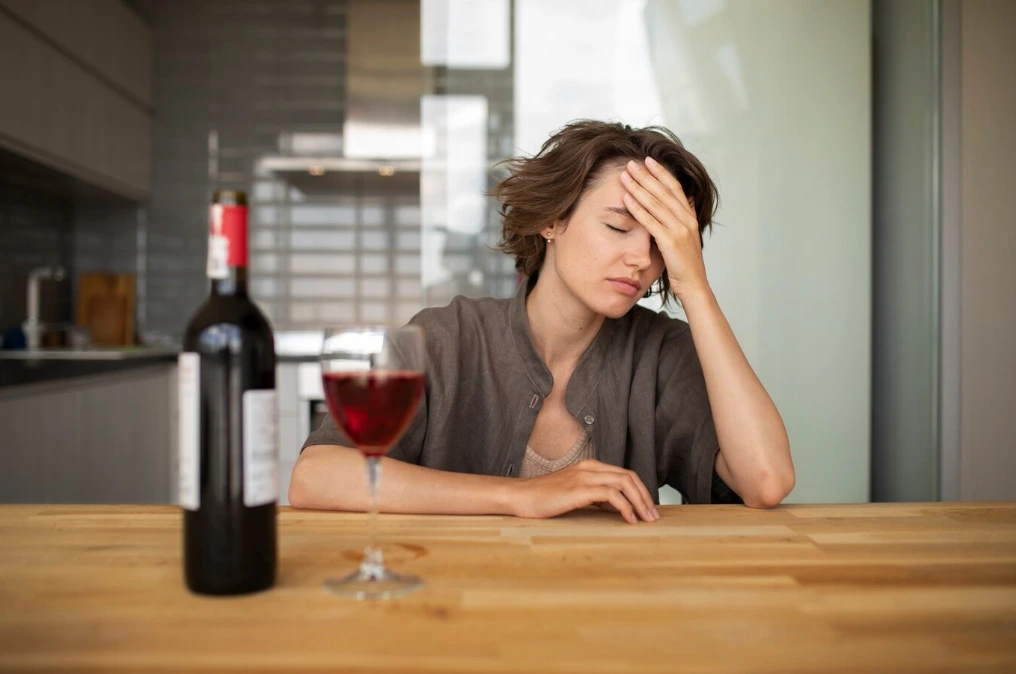
If someone who drinks heavily every day suddenly stops, their body can react in ways that are genuinely dangerous. Alcohol is one of the few substances where withdrawal itself can be life-threatening, with a real risk of seizures and delirium tremens (DTs). That is why alcohol withdrawal treatment should never be attempted alone. The safe path is a physician-led, medically supervised detox where a clinical team can monitor you and step in the moment symptoms escalate. This guide explains how that treatment actually works, and how Holina Rehab in Koh Phangan, Thailand manages it. For the wider picture, see our overview of alcohol addiction.
What Is Alcohol Withdrawal, and Why Is It Dangerous?
When the body has adapted to constant alcohol, the nervous system becomes overactive once drinking stops. Symptoms range from anxiety, tremor and sweating to, in dependent drinkers, withdrawal seizures and delirium tremens. Untreated DTs has historically carried a mortality rate as high as roughly 20%, while prompt medical treatment brings that down to approximately 1% (StatPearls / NCBI Bookshelf). Those numbers are the whole reason supervised detox exists: the danger is real, but it is highly treatable when a medical team is present.
The Phases and Timeline of Alcohol Withdrawal
Withdrawal follows a broad timeline measured from the last drink. Individual cases vary with drinking history, general health and previous withdrawals, so these windows are a guide, not a guarantee.
| Phase | Time from last drink | What typically happens |
|---|---|---|
| Early symptoms | 6–12 hours | Anxiety, tremor, sweating, nausea, headache, insomnia |
| Withdrawal seizures | 6–48 hours | Highest risk window for generalised seizures |
| Alcoholic hallucinosis | 12–48 hours | Transient visual or auditory hallucinations, usually with a clear sensorium |
| Delirium tremens (DTs) | 48–96 hours | Confusion, agitation, fever, severe autonomic instability — a medical emergency |
| Post-acute | Weeks to months | Sleep disruption, mood swings, cravings as the brain rebalances |
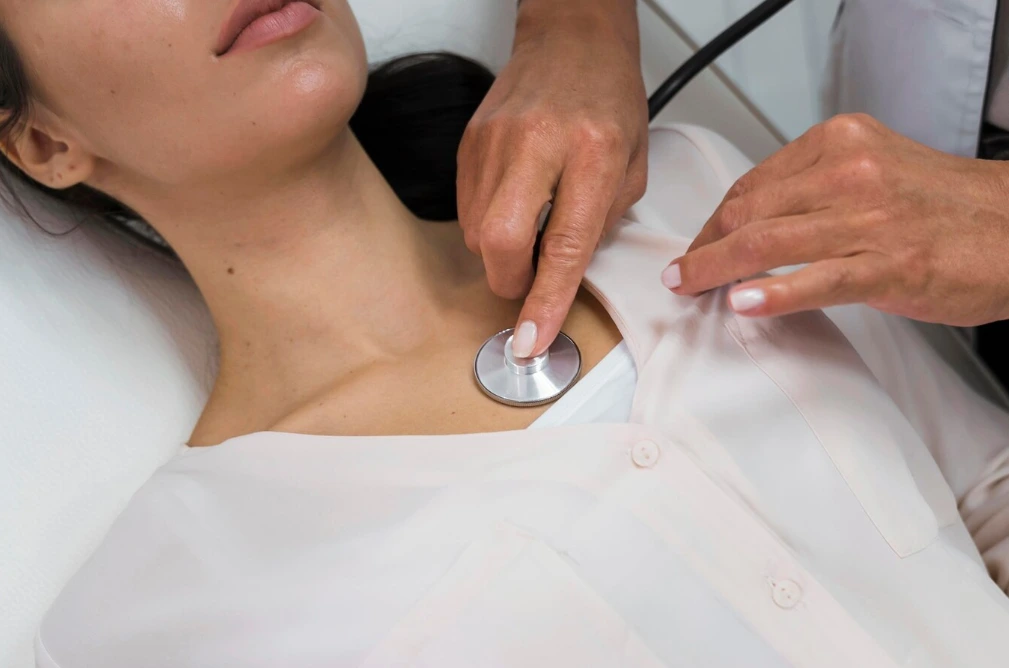
Seizure risk is concentrated in the first two days, while delirium tremens typically emerges later, around 48 to 96 hours (StatPearls / NCBI Bookshelf). This is exactly why continuous observation matters through the whole first week, not just on arrival.
How Medical Withdrawal Treatment Actually Works
Effective treatment is not simply waiting out symptoms. It is a structured clinical protocol, and understanding it makes the process far less frightening.
CIWA-Ar Symptom Scoring
Clinicians assess severity using the Clinical Institute Withdrawal Assessment for Alcohol, revised (CIWA-Ar) — a validated 10-item scale covering signs such as tremor, sweating, anxiety, agitation and disorientation. Repeated scoring turns “how bad is it?” into an objective number that guides how much medication is needed and when, so treatment tracks the person rather than a fixed timetable.
Benzodiazepine Taper Protocol
The standard of care is a benzodiazepine taper. These medications calm the overactive nervous system, prevent seizures and reduce the risk of DTs. Dosing is often symptom-triggered, guided by CIWA-Ar scores, then tapered down as the body stabilises. This is medication used deliberately and briefly to keep detox safe, under close supervision.
Supportive Medical Care
Alongside the taper, treatment usually includes thiamine (vitamin B1) and other vitamins to protect against complications, fluids and correction of electrolyte imbalances, and monitoring of vital signs. The aim is a stable, controlled crossing of the withdrawal period, not just symptom relief.

How Holina Manages Alcohol Withdrawal Safely
Holina Rehab is a residential treatment centre licensed by the Thai Ministry of Public Health (licence #84-03-00294), with an on-site doctor, Dr. Warawut, and a nursing team led by Senior Nurse Siritorn Panpunyakonkul. Its medically supervised detox and stabilisation combines the clinical protocol above with the calm environment that supports recovery:
- 24/7 medical supervision with regular vitals and CIWA-Ar monitoring
- A physician-led benzodiazepine taper to prevent seizures and DTs
- Thiamine, hydration and nutritional support throughout detox
- Private, quiet detox rooms and a supportive team on hand day and night
Detox is stabilisation, not treatment on its own. Once the body is stable, care continues into Holina’s Dual Treatment programme, which addresses addiction and any co-occurring mental-health condition together, with early-stage mindfulness, breathwork and gentle therapy introduced as soon as it is safe. The same clinical model underpins Holina’s approach to drug addiction treatment.
Why the Environment Supports Recovery
Going through withdrawal in a clinical, hospital-like setting can heighten anxiety. Holina’s residential setting on Koh Phangan offers private accommodation, ocean and garden surroundings, and calm spaces for rest while the nervous system recovers. The point is not the scenery for its own sake — it is a lower-stress environment that supports the medical work and sets a steadier tone for the therapy that follows.

Who Needs Medically Supervised Withdrawal?
Professional detox is strongly advised if you recognise any of the following:
- You shake, sweat or feel intense anxiety when you have not had a drink
- You drink daily, or binge heavily and frequently
- You have tried to stop before and found the physical symptoms overwhelming
- You have a history of withdrawal seizures or DTs
- You have other medical or mental-health conditions
A prior withdrawal seizure or DT episode is a particularly important warning sign, and unsupervised withdrawal is not safe in these cases. Holina’s team can assess your situation before arrival and recommend the right level of care. If you would like related reading first, see our guides to choosing a quality alcohol rehab, alternative alcohol rehab programmes, mindfulness in alcohol recovery, and a week-by-week look at alcohol detox in Thailand.
What Residents Say
Holina holds a 4.8-star rating across 82 Google reviews. One resident, Olly L (20 Feb 2025), wrote:
“I came to Holina from Leeds UK where I live. Upon arrival I was welcomed with opened arms. I was made to feel very safe and comfortable in the most magnificent surroundings. And by the staff who i believe saved my life due to their constant support and round the clock care. The treatment and therapy was tailored to my exact needs and I enjoyed the program tremendously. The accommodation was brilliant and the food on offer was excellent. Most importantly I felt I was in the right place to express my issues with trauma and addiction problems. I came in a broken man. And I left fixed. I will take the tools they gave me and use them in my recovery for the rest of my life.”
Frequently Asked Questions
Is alcohol withdrawal painful?
Symptoms can be uncomfortable, but a benzodiazepine taper and supportive medical care make the process far safer and more manageable than stopping alone. The goal of treatment is to keep you stable and protected from complications.
How long does alcohol detox take?
Most people stabilise within about 5 to 7 days, though this varies with drinking history, severity and general health. Post-acute symptoms such as sleep changes can settle over the following weeks.
Do I need to detox before entering rehab?
Yes. Medically supervised detox is the first step, stabilising the body so that therapeutic recovery work can begin safely.
Will I be monitored during withdrawal?
Yes. At Holina you are under 24/7 medical supervision with regular vitals and CIWA-Ar scoring, so care is adjusted to how you are actually doing, day and night.
Can I withdraw from alcohol at home?
For anyone physically dependent, no. Because of the risk of seizures and delirium tremens, withdrawal should always be medically supervised. If you are unsure, seek professional assessment before stopping.
Withdrawal is often the hardest part, and it is also the most important first step. With medically supervised alcohol withdrawal treatment at Holina Rehab, you can begin recovery safely and supported. To talk through your situation, get in touch with the team.
Medically reviewed by Dr. Aviva Wolf, Consultant Psychiatrist, Holina Rehab.
Ready to Start Your Recovery Journey?
Our clinical team is available to answer your questions and help you find the right programme for your needs.
Speak with Our Team →