
Not everyone connects with a conventional, 12-step or hospital-style approach to alcohol treatment, and there is nothing wrong with wanting recovery that feels more personal and holistic. But with alcohol specifically, “alternative” has to mean one thing clearly: alternative does not mean unmedicated. Alcohol is one of the few substances where stopping suddenly can be medically dangerous, so any credible programme, however holistic, still begins with a medically supervised detox. This guide explains how Holina Rehab in Koh Phangan, Thailand builds genuine alcohol addiction recovery around real complementary therapies, on top of a clinical foundation, not instead of one.
Why Alcohol Recovery Has to Stay Medical First
Alcohol withdrawal is not just uncomfortable. In dependent drinkers it can escalate to seizures and delirium tremens (DTs), and untreated DTs has historically carried a mortality rate as high as 20%, while prompt medical treatment brings that down to roughly 1% (StatPearls / NCBI Bookshelf). Globally, the World Health Organization attributes 2.6 million deaths a year to alcohol.
This is why a real alternative programme never skips the medical stage. At Holina, recovery starts with a physician-led, medically supervised detox using a benzodiazepine taper protocol and 24/7 nursing observation. On-site doctor Dr. Warawut and a nursing team led by Senior Nurse Siritorn Panpunyakonkul manage withdrawal safely before any holistic work begins. Any programme that offers to “naturally detox” you from alcohol without medical supervision, or that treats supplements or willpower as a substitute for a supervised taper, is not a safer alternative. It is a genuine risk.

Who Alternative Alcohol Rehab Suits
Once safety is handled, a more holistic, individualised model can genuinely fit people who have struggled with rigid programmes before. It tends to suit:
- People who have relapsed in conventional treatment and want a different approach
- Those who do not resonate with a strict 12-step or religious framework
- Professionals who need a personalised, discreet programme
- Trauma survivors looking for somatic and body-based healing
- Anyone drawn to mindfulness-based recovery
Importantly, none of these preferences change the clinical starting point. They shape what happens after the body is stable.
Holina’s Complementary Approach, Grounded in Clinical Care
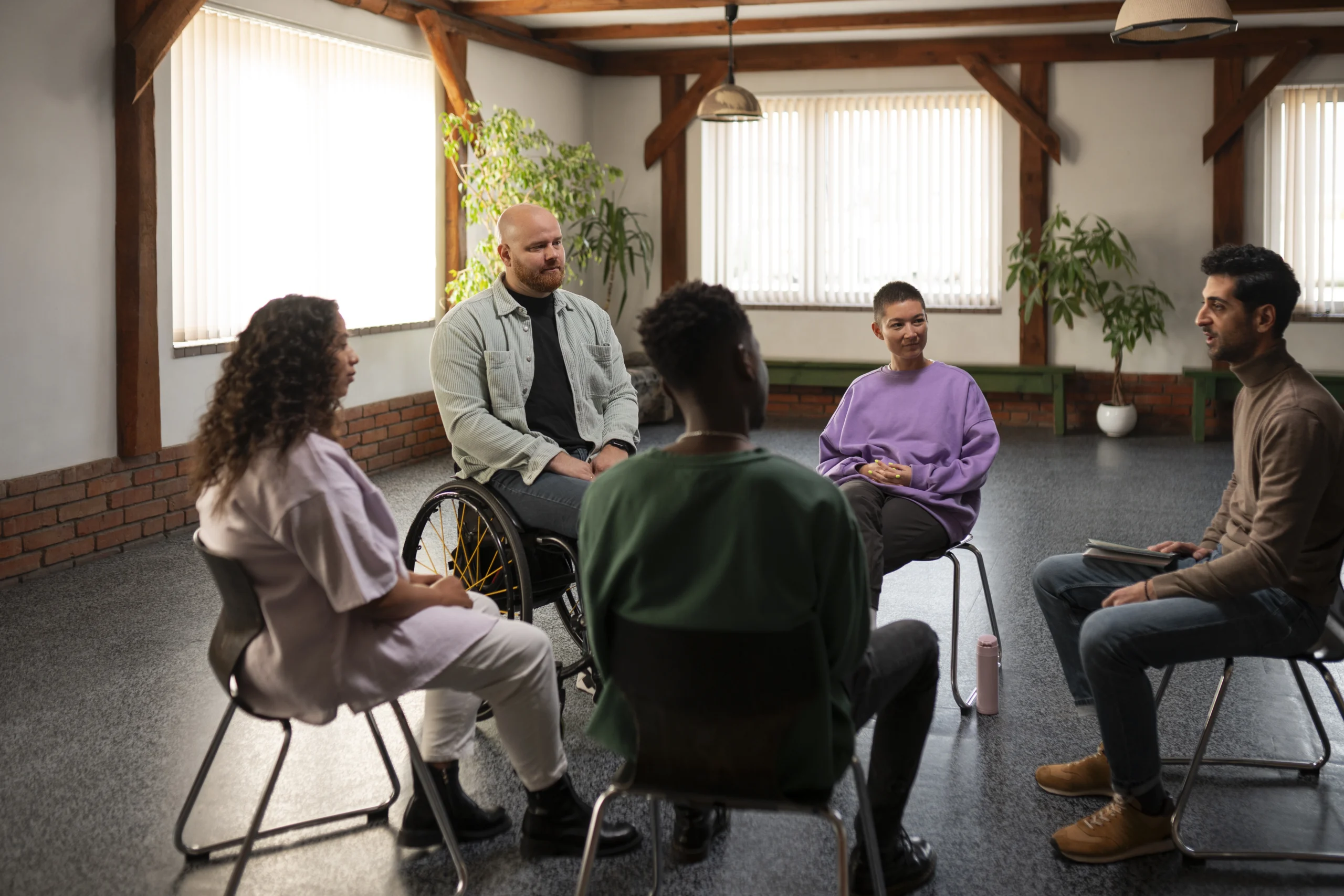
At Holina Rehab, “alternative” means evidence-based therapy sitting alongside holistic modalities the centre actually runs, coordinated by a named clinical team led by Consultant Psychiatrist Dr. Aviva Wolf and Global Clinical Director Dr. Natalie Lindemann (you can see the full clinical team here). Because dependence rarely stands alone, detox is followed by Holina’s Dual Treatment programme, addressing addiction and any co-occurring mental-health condition together.
The complementary therapies offered include:
- Mindfulness and meditation for craving and emotional regulation
- Yoga and breathwork to support a nervous system recovering from alcohol
- Somatic therapy, TRE and NARM (NeuroAffective Relational Model) for trauma held in the body
- Nature, movement and creative work as part of a calmer daily rhythm
These are complements, not replacements. The research supports exactly that framing: a systematic review of mindfulness-based interventions found they can be as effective as established treatments for substance use, and work best when combined with, rather than instead of, standard care (Frontiers in Psychiatry, 2018). The same clinical model underpins Holina’s drug addiction treatment.

Alternative Does Not Mean Less Structured
Choosing a holistic path is not the same as rejecting structure. Holina’s residential programmes start at 28 days and combine clinical oversight, one-to-one therapy, group work and complementary sessions into a coherent plan built around the individual, in a calm Koh Phangan setting that lowers stress while the body and mind recover. Comfort and setting support the clinical work; they never replace it.
What Residents Say
Holina holds a 4.8-star rating across 82 Google reviews. One resident, Rodney B (25 Mar 2025), wrote:
“I have been to many rehabs! Since coming to Holina, I have been sober and, miraculously, my obsession with alcohol has been lifted. Holina’s holistic approach worked not only well for me, but for many of the friends I made when I first went there. I cannot sing its praises enough. All the staff, from the director and head therapist/counsellor down to the cleaners and maintenance staff were kind and compassionate and made me feel safe and cared for.”
Frequently Asked Questions
What makes an alcohol rehab “alternative”?
It usually means combining conventional, evidence-based therapy with holistic and complementary practices, mindfulness, yoga, breathwork, somatic work, rather than following a single fixed model. At Holina it does not mean skipping medical care.
Is it safe to detox from alcohol without medication?
No, not for a dependent drinker. Alcohol withdrawal can cause seizures and delirium tremens, which can be fatal, so detox should always be medically supervised. Any “alternative” that removes medical detox is unsafe.
Can I combine alternative therapies with clinical treatment?
Yes, and that is exactly how Holina works. A medically supervised detox and Dual Treatment programme form the foundation, with holistic modalities added alongside them.
Do I need experience with yoga or meditation?
No. All complementary practices are guided and suitable for beginners, and are optional parts of an individual plan.
For a closer look at how this comes together in a residential setting, read our guide to the best luxury alcohol rehabs and what to look for.
Medically reviewed by Dr. Aviva Wolf, Consultant Psychiatrist, Holina Rehab.
Ready to Start Your Recovery Journey?
Our clinical team is available to answer your questions and help you find the right programme for your needs.
Speak with Our Team →