



Medically reviewed by Dr. Aviva Wolf, Consultant Psychiatrist, Holina Rehab. (Draft byline — pending reviewer sign-off.) This article is for education and is not a substitute for professional medical advice. If you or someone you know shows signs of a cocaine overdose — chest pain, difficulty breathing, seizures or collapse — treat it as a medical emergency and seek help immediately.
Cocaine addiction is a serious, progressive condition, and the damage it causes reaches far beyond the short bursts of energy and euphoria people associate with the drug. Left untreated, sustained cocaine use can harm nearly every system in the body while eroding behavioural health, relationships, careers and financial stability.
Because cocaine is so strongly reinforcing, stopping without professional support is genuinely difficult, and continued use tends to deepen the harm over time. Below we look honestly at what cocaine addiction can lead to — the physical health risks, the behavioural health toll, and the social, financial and legal fallout — and how recovery becomes possible with the right treatment.
The Physical Health Consequences of Cocaine
Cocaine is a powerful central nervous system stimulant that pushes the body into an overactive state. Repeated stimulation places heavy strain on the heart, brain and other vital organs, and some of the resulting damage can be permanent.
Cardiovascular Damage
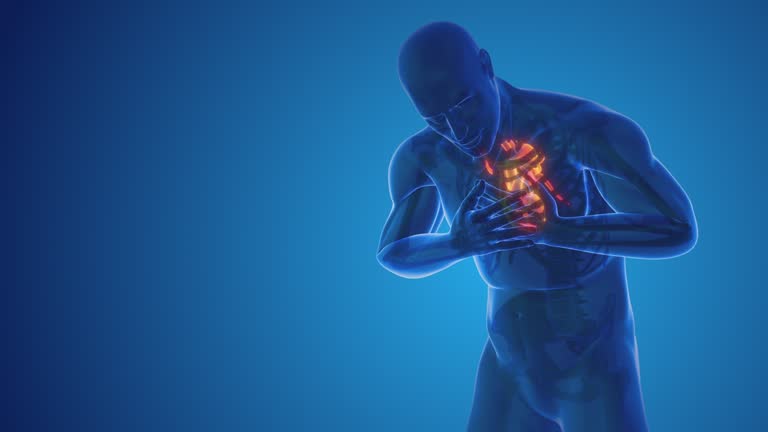
The heart bears much of the burden of cocaine use, and the risk is serious enough that clinicians are trained to ask young patients with chest pain or a heart attack about cocaine specifically. Cocaine raises heart rate and blood pressure while simultaneously narrowing the coronary arteries, so the heart’s demand for oxygen climbs at the exact moment its supply is being cut off. This can trigger:
- Heart attack. Cocaine causes the coronary arteries to constrict and promotes blood clotting, sharply reducing blood flow to the heart muscle. A heart attack can occur even in young, otherwise healthy people with no prior heart disease — and use does not need to be chronic for it to happen. A single recreational dose can be enough.
- Stroke. Sudden surges in blood pressure and blood-vessel spasm raise the risk of stroke, again even in people with no history of cardiovascular problems.
- Irregular heartbeat (arrhythmia). Cocaine disrupts the heart’s electrical signalling, which can produce dangerous, sometimes life-threatening arrhythmias.
- Long-term heart disease. Chronic use is linked to a stiffened, enlarged or weakened heart muscle (cardiomyopathy) and to accelerated hardening of the arteries.
Respiratory Problems
The harm to the lungs depends heavily on how the drug is taken. People who smoke crack cocaine are at particular risk of serious respiratory damage, including:
- Chronic cough and recurrent respiratory infections
- “Crack lung” — acute inflammation and bleeding in the lungs
- An increased risk of pneumonia, and greater vulnerability to conditions such as tuberculosis
Neurological and Cognitive Effects
Cocaine floods the brain’s dopamine system — the circuitry that governs pleasure, motivation and reward. Over time, heavy use can lead to:
- Memory and attention problems. Long-term users frequently report difficulties with short-term memory and concentration.
- Impaired decision-making. Chronic use blunts the brain regions involved in judgement and impulse control, making it harder to think clearly and weigh consequences.
- Seizures. By overstimulating brain activity, cocaine can provoke convulsions and seizures.
Nasal and Sinus Damage
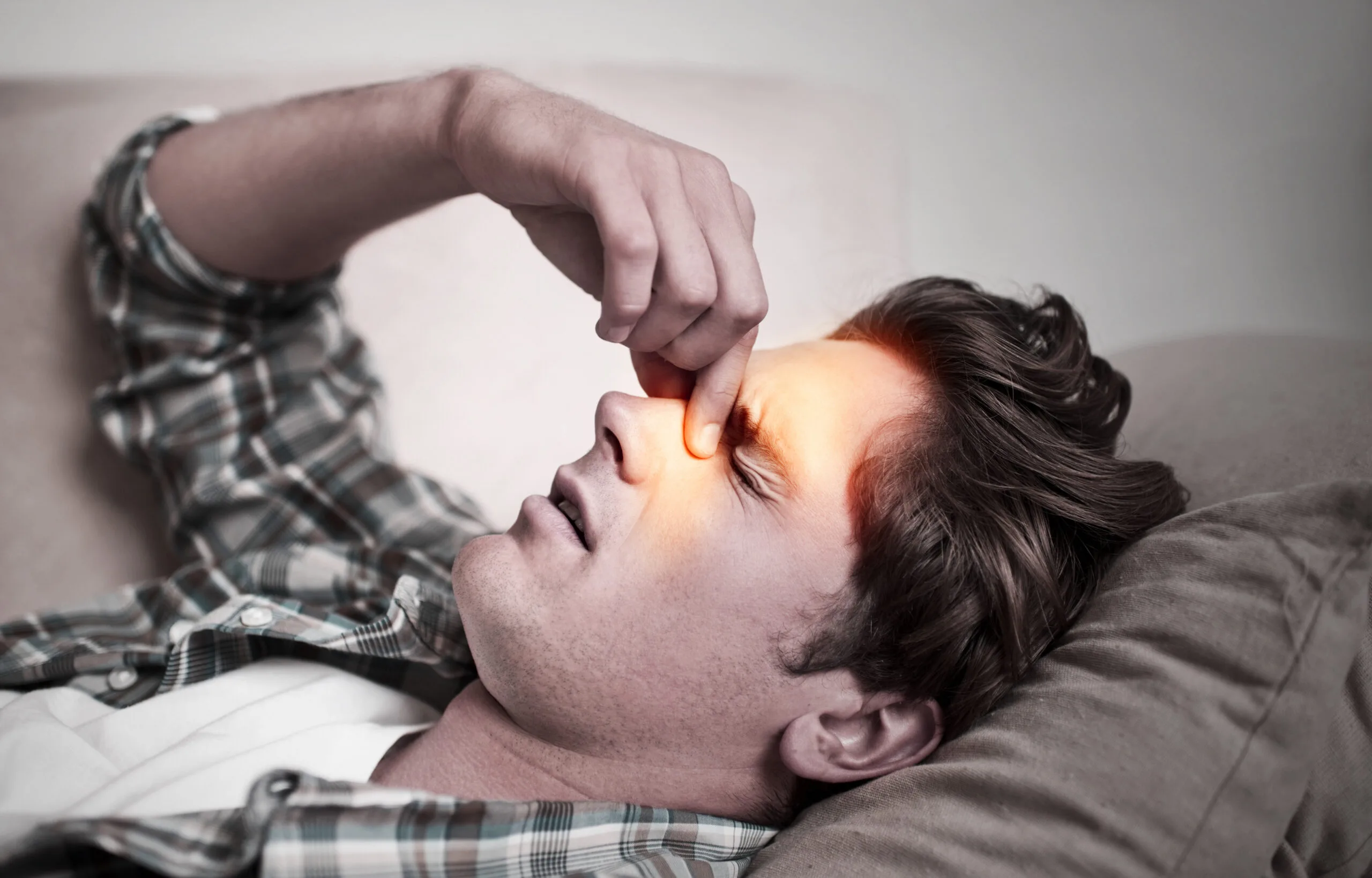
People who snort cocaine often develop severe nasal complications. Because cocaine constricts blood vessels, repeated snorting starves the nasal tissues of oxygen, which can cause:
- A perforated septum. The cartilage dividing the nostrils can break down, creating a hole and, in advanced cases, collapse and visible deformity of the nose — a well-documented consequence of long-term snorting.
- Loss of smell. Ongoing damage to the olfactory tissues can permanently reduce or destroy the sense of smell.
- Frequent nosebleeds and infections. Chronic irritation weakens the nasal lining, leaving it prone to bleeding and infection.
The Behavioural Health Impact
Beyond its physical toll, cocaine addiction can profoundly disturb a person’s mental and emotional wellbeing. Its effect on brain chemistry frequently drives mood disorders, paranoia and, in some cases, psychosis. Because these psychological difficulties so often sit alongside the addiction itself, effective care needs to treat both together — the principle behind a genuine dual treatment programme.
Depression and Anxiety
Cocaine produces an intense but short-lived surge of pleasure. When it wears off, users experience a “crash” that can bring on:
- Extreme fatigue and low energy
- Feelings of hopelessness and depression
- An increased risk of suicidal thoughts
- Panic attacks and persistent anxiety

Paranoia and Psychosis
Sustained cocaine use can trigger cocaine-induced psychosis, in which a person may experience:
- Intense paranoia — a conviction that they are being watched or plotted against
- Visual and auditory hallucinations
- Delusional thinking
- Agitation and, at times, aggressive behaviour
Severe Mood Swings
Cocaine can cause rapid shifts in mood, taking someone from euphoric to irritable or aggressive within minutes. These swings often lead to:
- Strained relationships, as friends and family struggle to cope with unpredictable behaviour
- Social isolation, as users withdraw from loved ones or spend time only with other people who use
- Impulsive decisions, from reckless spending to actions that carry lasting legal or personal consequences

Social, Financial and Legal Consequences
Cocaine addiction touches every part of life — relationships, work and finances included. As dependence takes hold, the drug tends to crowd out everyday responsibilities.
Strained and Broken Relationships
Addiction commonly brings conflict, as a person becomes unreliable, secretive or manipulative. Over time this can lead to:
- Divorce or separation
- The loss of long-standing friendships
- Estrangement from parents, siblings and children affected by the addiction
Job Loss and Financial Instability
Cocaine is expensive, and addiction frequently drives people into debt and financial crisis. Many find themselves:
- Spending heavily to sustain the habit and falling into debt
- Struggling to hold down a job because of poor performance or absence
- Turning to illegal activity to fund continued use
Legal Consequences
Cocaine possession and supply are illegal in most countries, and many people who become dependent end up in contact with the criminal justice system. This can mean:
- Arrest and conviction for possession or trafficking
- Loss of professional licences in regulated fields such as medicine and law
- Imprisonment for drug-related offences
The Risk of Overdose and Death
The gravest consequence of cocaine addiction is overdose, which can be fatal — particularly when cocaine is combined with alcohol or opioids. Warning signs of overdose include:
- Severe chest pain
- Irregular heartbeat
- Extreme agitation or seizures
- Loss of consciousness
The risk has grown sharply because cocaine is increasingly contaminated with fentanyl, a synthetic opioid far more potent than cocaine. People who have no intention of taking an opioid can unknowingly consume a lethal dose — a major driver of rising overdose deaths worldwide.
“The part that surprises people most is that cocaine’s cardiac risk isn’t reserved for long-term users — a young, healthy person can have a heart attack the first time. And because the drug so often masks or fuels underlying anxiety, depression or trauma, the safest recovery treats the mind and the body together, not one after the other.”
— Dr. Aviva Wolf, Consultant Psychiatrist, Holina Rehab (draft quote, pending sign-off)
Recovery Is Possible
As serious as these consequences are, none of them is the end of the story. With the right treatment, support and time, people do break free from cocaine addiction and rebuild their lives — and the earlier that help begins, the better the outcome. If you want to understand what that path looks like, our guides on cocaine addiction treatment options and whether cocaine addiction can be cured are a helpful next step, and the four questions people ask most about cocaine addiction covers the essentials.
At Holina Rehab in Koh Phangan, Thailand, cocaine recovery is treated as more than stopping the drug. Detox and medical stabilisation matter, but they are only the beginning. Our clinical team works to understand the root causes of addiction — whether trauma, environmental pressures or a co-occurring behavioural health condition — and addresses them alongside the addiction itself through evidence-based therapy such as Cognitive Behavioural Therapy (CBT), combined with somatic and mindfulness practices that support emotional healing.
Every treatment plan is tailored to the individual, backed by structured aftercare and relapse-prevention planning so progress continues long after someone leaves. You can read more about our wider approach to drug addiction treatment and how our dual treatment programme supports people managing addiction and behavioural health together.
“Ian was absolutely game changing in helping our family with an intervention, without which we were in an endless spiral of pain and suffering. Since Ian’s intervention we have managed to get the family member into a stable situation. Which all started from Ian’s knowledge, experience and genuine care. Highly recommend.”
— Stephen Lewin, 20 May 2026 (Google review)
Reach Out to Holina Rehab
If you or someone you love is struggling with cocaine addiction, help is available, and reaching out is the first step. Our team in Koh Phangan is ready to talk through your situation confidentially and explain how treatment could work for you.
Call +66 82 113 0657 (international) or +66 61 936 8047 (Thai), or explore cocaine addiction treatment at Holina.
Ready to Start Your Recovery Journey?
Our clinical team is available to answer your questions and help you find the right programme for your needs.
Speak with Our Team →