
Medically reviewed by Adrian Solomon, Counselling Psychologist. Last reviewed July 2026.
“Can cocaine addiction be cured?” is one of the first questions people ask when they or someone they love is caught in it. It is an understandable hope — but it is also the wrong frame. Addiction is not an infection that a course of treatment clears for good. The honest, evidence-based answer is that cocaine addiction cannot be permanently “cured,” yet it can be effectively treated and managed, and lasting recovery is entirely realistic. Understanding the difference between a cure and long-term management is the single most useful thing you can do before choosing a path forward.

Why “Cure” Is the Wrong Word
The National Institute on Drug Abuse (NIDA) defines addiction as a chronic, relapsing disorder — one marked by compulsive drug seeking, continued use despite harmful consequences, and long-lasting changes in the brain. That definition matters, because it places substance use disorder in the same category as other chronic conditions such as type 2 diabetes, hypertension and asthma. We do not talk about “curing” those illnesses either. We talk about managing them well, over time, so that a person lives a full and healthy life.
Framed this way, the question shifts from “Will this go away forever?” to “Can this be managed so well that it no longer controls my life?” And the answer to that is a confident yes.
What the Relapse Numbers Actually Tell Us
According to NIDA, relapse rates for substance use disorders sit in the range of 40–60%. At first glance that figure can feel discouraging. In context, it is reassuring: those rates are comparable to relapse rates for other chronic medical illnesses that are treated with medication and lifestyle change — hypertension and asthma both fall in a similar or higher band. A return to use is not evidence that treatment failed, any more than a spike in blood pressure means blood-pressure treatment failed. It signals that the treatment plan needs to be reviewed and adjusted, and that support should be stepped up rather than abandoned.
This is why realistic expectations are protective. People who expect a one-time fix are the most likely to give up entirely after a single setback. People who understand recovery as ongoing management are far better placed to get straight back on track.
Why Cocaine Has Such a Strong Grip
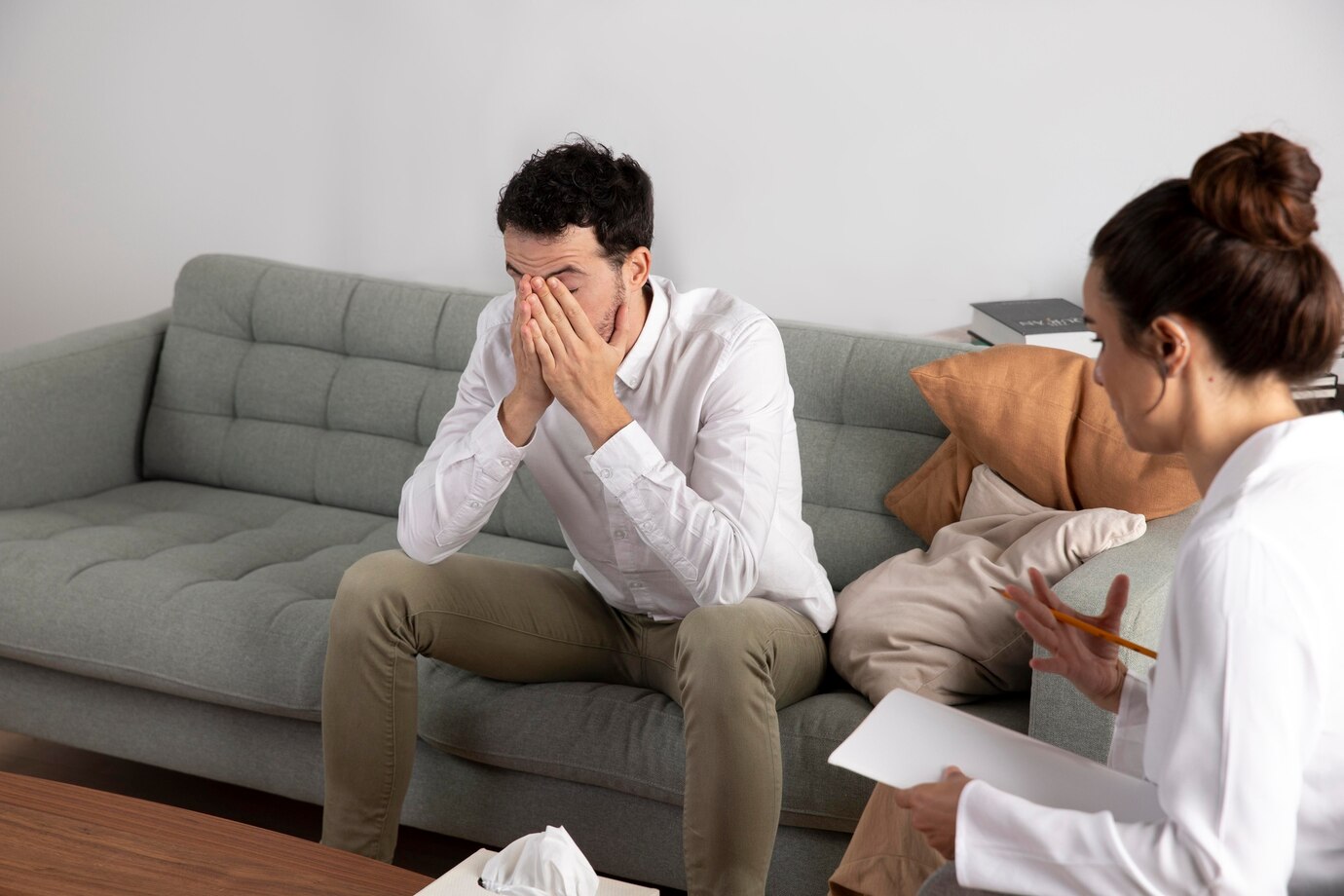
Cocaine is a powerful stimulant that floods the brain’s reward system with dopamine, the neurotransmitter tied to pleasure and motivation. The resulting euphoria is intense but short-lived, and as it fades the user is left with a crash of fatigue, low mood, anxiety and craving. Over repeated use, the brain adapts and the same dose delivers less reward, driving people toward higher and more frequent use. These are neurological changes, not failures of willpower — which is exactly why structured, professional treatment works where sheer determination alone so often does not.
What Effective Treatment Looks Like
Because there is no single cure, effective care combines several evidence-based elements that address the biological, psychological and social sides of addiction together. At Holina Rehab in Koh Phangan, Thailand, treatment is built around the whole person rather than the substance alone.
Evidence-based therapies
- Cognitive Behavioural Therapy (CBT) — helps identify and change the thought patterns and behaviours that drive use.
- Dialectical Behaviour Therapy (DBT) — builds emotional regulation and distress tolerance for managing cravings and triggers.
- Motivational Interviewing (MI) — strengthens a person’s own reasons for change and commitment to recovery.
Somatic and holistic therapies
- Yoga and breathwork to regulate stress and restore emotional balance.
- Art and music therapy as tools for processing emotion and trauma.
- Meditation and mindfulness to build self-awareness and reduce relapse risk.
Treating co-occurring conditions
Cocaine use frequently sits alongside depression, anxiety or unresolved trauma. Treating the addiction while leaving those conditions unaddressed is one of the most common reasons recovery stalls. Holina’s dual treatment programme addresses substance use and underlying mental-health conditions at the same time, which is central to sustainable, long-term recovery.

The Recovery Process, Stage by Stage
Recovery from cocaine addiction unfolds in stages, and knowing them helps individuals and families prepare for what is ahead.
- Acknowledging the problem — moving past denial and accepting the need for help is the first and most decisive step.
- Detox and withdrawal management — a medically supervised setting keeps the person safe through fatigue, low mood, anxiety and craving.
- Therapy and behavioural change — addressing root causes and building healthy coping skills and relapse-prevention strategies.
- Building a support network — family, counsellors and recovery communities that provide accountability and understanding.

Why Long-Term Management Matters
Completing a residential programme is a genuine achievement, but it is the start of recovery rather than its conclusion. Because addiction is a chronic condition, ongoing management — continued therapy, self-care and connection to a supportive community — is what carries recovery forward. Personalised aftercare, ongoing counselling and peer support such as Narcotics Anonymous all help maintain the gains made in treatment.
“When people ask me whether cocaine addiction can be cured, I reframe the question. We are not looking for a one-time fix — we are building a way of living that keeps recovery stable for years. Treated as an ongoing condition, cocaine addiction responds very well, and the people who understand that from the start are the ones who tend to thrive.”
— Adrian Solomon, Counselling Psychologist (draft comment, pending sign-off)
A Word From Someone Who Has Been Through It
“I came to Holina from Leeds UK where I live. Upon arrival I was welcomed with opened arms. I was made to feel very safe and comfortable in the most magnificent surroundings. And by the staff who i believe saved my life due to their constant support and round the clock care. The treatment and therapy was tailored to my exact needs and I enjoyed the program tremendously. The accommodation was brilliant and the food on offer was excellent. Most importantly I felt I was in the right place to express my issues with trauma and addiction problems. I came in a broken man. And I left fixed. I will take the tools they gave me and use them in my recovery for the rest of my life. This place will forever hold a special place in my heart. And I cannot express just how grateful I am to have spent three months there. If your looking for a rehabilitation centre that offers more then just a chance to get your life back on track then look no further. Holina saved my life.”
— Olly L, 20 February 2025
The Bottom Line
Cocaine addiction may not have a simple cure, but it is highly treatable and manageable. Understood as a chronic, relapsing condition — and treated with the same seriousness and patience as diabetes or hypertension — it responds well to structured, holistic care and a long-term commitment to recovery. Lasting, cocaine-free lives are not only possible; they are the outcome that well-managed treatment is built to produce.
Learn more
- Cocaine addiction treatment in Thailand
- Cocaine addiction: your top 4 questions answered
- Dual treatment programme for co-occurring conditions
- Drug addiction treatment at Holina Rehab
To talk through options in confidence, contact Holina Rehab on +66 82 113 0657.
Ready to Start Your Recovery Journey?
Our clinical team is available to answer your questions and help you find the right programme for your needs.
Speak with Our Team →