Cannabis Detox in Thailand
Cannabis withdrawal is rarely medically dangerous — it is a real but mostly psychological and behavioural syndrome: irritability, disrupted sleep, anxiety and strong cravings, not seizure risk. At Holina Rehab, structured detox stabilises those symptoms and leads directly into our fuller residential Dual Treatment programme, because detox alone rarely produces lasting change for heavy, long-term users.
- Licensed Facility
- Structured Detox & Stabilisation
- Koh Phangan, Thailand
- 30–90 Day Programmes
What Happens During Cannabis Detox?
Cannabis withdrawal is now a recognised clinical syndrome — the DSM-5 formally defines Cannabis Withdrawal Syndrome and requires three or more symptoms following cessation of heavy, regular use: irritability or anger, nervousness or anxiety, sleep difficulty (including vivid or disturbing dreams), decreased appetite, restlessness, low mood, and at least one physical symptom such as headache, sweating or mild nausea.
This is a genuinely different risk profile from alcohol or benzodiazepine withdrawal, which can involve seizures and requires urgent medical management. Cannabis detox is not medically acute in that way. What it is, especially for people who have used daily for months or years, is uncomfortable, disruptive to sleep and mood, and a common point of relapse if attempted without support.
At Holina Rehab we take that seriously without exaggerating it. Our detox and stabilisation phase focuses on the things that actually drive relapse in the first two weeks — sleep, irritability, cravings and low motivation — and it is designed as the entry point into our full residential programme, not a stand-alone fix.
A 2020 systematic review and meta-analysis in JAMA Network Open pooling 23,518 participants found that 47% of people with regular or dependent cannabis use report a withdrawal syndrome when they stop — rising to 54% in outpatient treatment samples and 87% among inpatients (Bahji et al., 2020). A 2022 clinical review in Addiction found that symptoms typically begin 24–48 hours after stopping, peak around days two to six, and can persist for two to three weeks or longer in heavy users, with sleep disturbance sometimes lasting longest (Connor et al., 2022).

What Does Cannabis Withdrawal Feel Like?
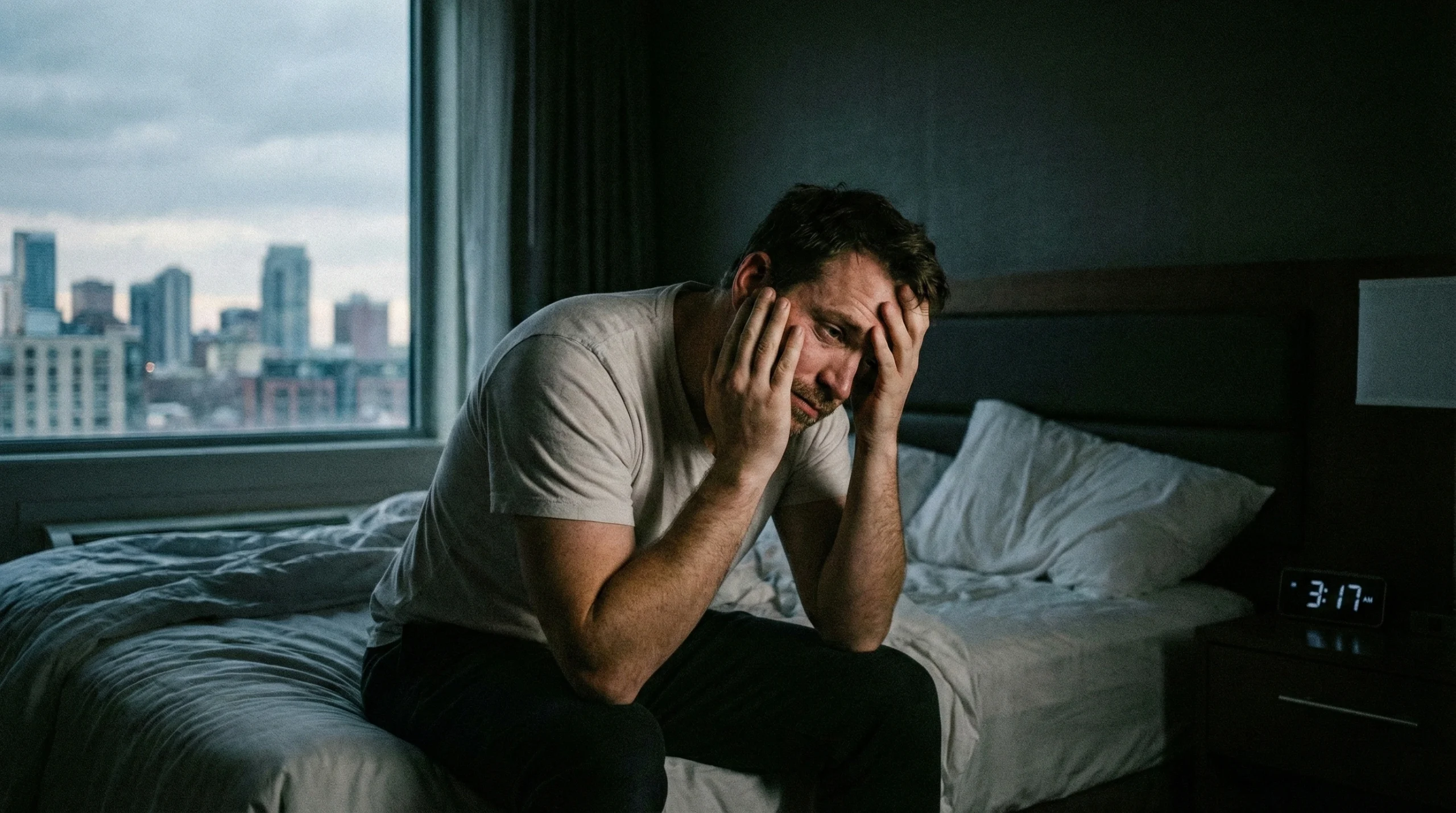
People often expect withdrawal to be purely physical, and are surprised when the hardest part of stopping cannabis turns out to be sleep, mood and motivation. These are the symptoms we see most often during detox and early stabilisation.
Sleep Disruption & Vivid Dreams
Insomnia and unusually vivid or unsettling dreams as REM sleep, suppressed for months or years by regular use, rebounds.
Irritability & Anger
A short fuse and low tolerance for frustration, often the first symptom noticed by family or partners.
Anxiety & Restlessness
Nervousness, agitation, and difficulty settling, particularly in the first one to two weeks.
Decreased Appetite
Reduced hunger and, in some cases, mild weight loss during the first days of stabilisation.
Cravings
Strong urges to use, especially in situations or environments previously linked to smoking.
Low or Depressed Mood
A flat, low, or discouraged mood as the brain’s reward system recalibrates without daily cannabis.
Physical Discomfort
Headache, sweating, chills, or mild nausea — uncomfortable but not medically dangerous on their own.
Brain Fog
Difficulty concentrating or thinking clearly, which typically lifts as the weeks of abstinence continue.
Low Drive & Motivation
A sense of flatness or apathy once the daily ritual of use is removed, sometimes called amotivation.
How Does Cannabis Detox Work at Holina Rehab?
Cannabis detox at Holina Rehab is a structured, supportive stabilisation period — not a heavily medicated one — that exists to carry you safely through the first one to three weeks and into the psychological work that actually addresses why the use started. It is the entry point to our fuller residential and Dual Treatment programme, not a substitute for it.
Clinical Assessment
Full clinical and psychological evaluation of use history, withdrawal risk, and any co-occurring conditions.
Stabilisation
The first days focus on sleep, appetite, anxiety and comfort, with clinical staff monitoring throughout.
Psychological Support
CBT-based work on cravings, irritability and low motivation as symptoms ease and emotions surface.
Transition to Primary Care
Detox findings carry directly into primary care and Dual Treatment for lasting change.
Supportive, Not Sedating
-
Sleep & Circadian Support
Because insomnia and vivid dreams are usually the hardest part of the first two weeks, our clinical team prioritises sleep hygiene, structured routine, and non-habit-forming support to help the body re-learn how to sleep without cannabis.
-
Craving & Mood Management
Clinical and therapy staff monitor irritability, anxiety and cravings daily, using CBT-based coping strategies rather than heavy pharmaceuticals, since cannabis withdrawal is rarely medically acute.
-
Nutritional & Hydration Support
Our culinary team provides easily digestible, nutrient-dense meals for the low-appetite early days, with hydration and electrolyte support as the body stabilises.
A Different Kind of Detox

Licensed Medical Facility, Right-Sized Care
Holina Rehab is fully licensed by the Thai Ministry of Public Health, with an on-site physician and nursing team providing 24-hour clinical oversight. For cannabis specifically, that means genuine medical monitoring without unnecessary medication — the level of care matched to the actual risk profile.
Detox, psychological support, and the transition into primary care and Dual Treatment happen within a single integrated setting, so nothing is lost between the stabilisation phase and the deeper work that follows.

Breaking the Environmental Cues
Quitting daily cannabis use at home is hard because the environment itself is a trigger — the same couch, the same routines, the same people. Koh Phangan offers a genuine change of environment during the hardest early days, away from the specific cues tied to use.
Clients benefit from private beach access, swimming pools, an on-site gym, a nutritious restaurant, and holistic therapies that give structure and genuine engagement to fill the space cannabis used to occupy.
Our Clinical Team
Treatment at Holina Rehab is led by qualified medical professionals and experienced addiction therapists. Every client is under active clinical supervision throughout their programme.


Licensed by the Thai Ministry of Public Health · Residential Rehab Licence #84-03-00294 · International Addiction Treatment Standards
“Ive just finished three months of treatment at Holina and can honestly say it was the best choice of my life.”
— Matthew Hill, Google Review, 1 Apr 2026 · ★★★★★
Cannabis Detox: Frequently Asked Questions
Is cannabis withdrawal dangerous?
No — not in the way alcohol or benzodiazepine withdrawal can be, which carry a real risk of seizures and require urgent medical management. Cannabis withdrawal is not life-threatening. It is, however, genuinely uncomfortable, and discomfort is one of the most common reasons people relapse, which is why structured support during detox still matters.
What are the symptoms of cannabis withdrawal and how long do they last?
The DSM-5 recognises Cannabis Withdrawal Syndrome, diagnosed when three or more of the following appear after stopping heavy, regular use: irritability or anger, anxiety, sleep difficulty, decreased appetite, restlessness, low mood, and at least one physical symptom such as headache or sweating. Symptoms typically begin 24 to 48 hours after stopping, peak around days two to six, and can last two to three weeks or longer in heavy, long-term users, with sleep disturbance sometimes lasting longest.
Do I need medical detox for cannabis?
Most people do not need intensive medical detox for cannabis the way they would for alcohol or opioids, because the withdrawal is predominantly psychological and behavioural rather than medically acute. That said, heavy or long-term daily users benefit significantly from structured, supervised support for sleep, cravings and mood during the first weeks, which is what our detox and stabilisation programme provides.
Is medication used during cannabis detox at Holina Rehab?
Because cannabis withdrawal is rarely medically acute, our approach leans on structured, non-pharmacological support — sleep hygiene, nutrition, hydration and CBT-based coping strategies — rather than heavy sedating medication. Our on-site physician monitors every client and can intervene clinically if needed, particularly where other substances or co-occurring conditions are involved.
Is detox enough on its own, or do I need the full programme?
Detox stabilises the withdrawal symptoms, but it does not address why the daily use started in the first place — usually anxiety, low mood, trauma, or using cannabis to cope. For heavy or long-term users especially, detox is the entry point into our residential primary care and Dual Treatment programme, not a stand-alone solution.
Does insurance cover cannabis detox?
Holina Rehab is a private-pay facility and does not bill insurance directly. Residents can use our financing options to fund treatment. Coverage depends on your provider and policy. See rehab insurance and financing or how much rehab costs in Thailand, and contact our team to check your specific cover.
Ready to Begin Your Recovery?
Our admissions team responds the same day — seven days a week, in full confidence.
+66 (0) 82 113 0657 or contact us online ↓