Cannabis Addiction Treatment in Thailand
Cannabis is often assumed to be low-risk, and for many people occasional use causes no lasting harm. But for a meaningful minority — especially regular users of today’s high-potency products — it becomes a genuine clinical condition. Cannabis use disorder is real, treatable, and the focus of dedicated residential care at Holina Rehab.
- Licensed Facility
- Medical Detox Available
- Koh Phangan, Thailand
- 30–90 Day Programmes
What is Cannabis Addiction?
Cannabis use disorder develops when regular use causes significant functional impairment and the individual is unable to reduce or stop despite negative consequences. While often perceived as low risk, cannabis dependency is a recognised clinical condition that can cause significant psychological harm — particularly with the high-potency products now widely available.
At Holina Rehab, we treat cannabis use disorder as the legitimate clinical condition it is. Many of our clients arrive having minimised or rationalised their use for years, often using cannabis to manage anxiety, emotional pain, or trauma. Our programme addresses both the dependency and the underlying emotional drivers.
With medically supported detox, CBT and DBT, trauma-informed care, and structured aftercare, we provide the clinical and psychological support that lasting recovery from cannabis use disorder requires.
According to the WHO, approximately 209 million people used cannabis globally in 2020, making it the world’s most widely used illicit substance. The WHO also recognises that approximately 10% of those who use cannabis will develop cannabis use disorder, rising to around 17% among those who begin using in adolescence. The UNODC World Drug Report reaches a similar conclusion, ranking cannabis as the most widely used drug worldwide with an estimated 228 million users — underlining that this is a common substance, not a harmless one.
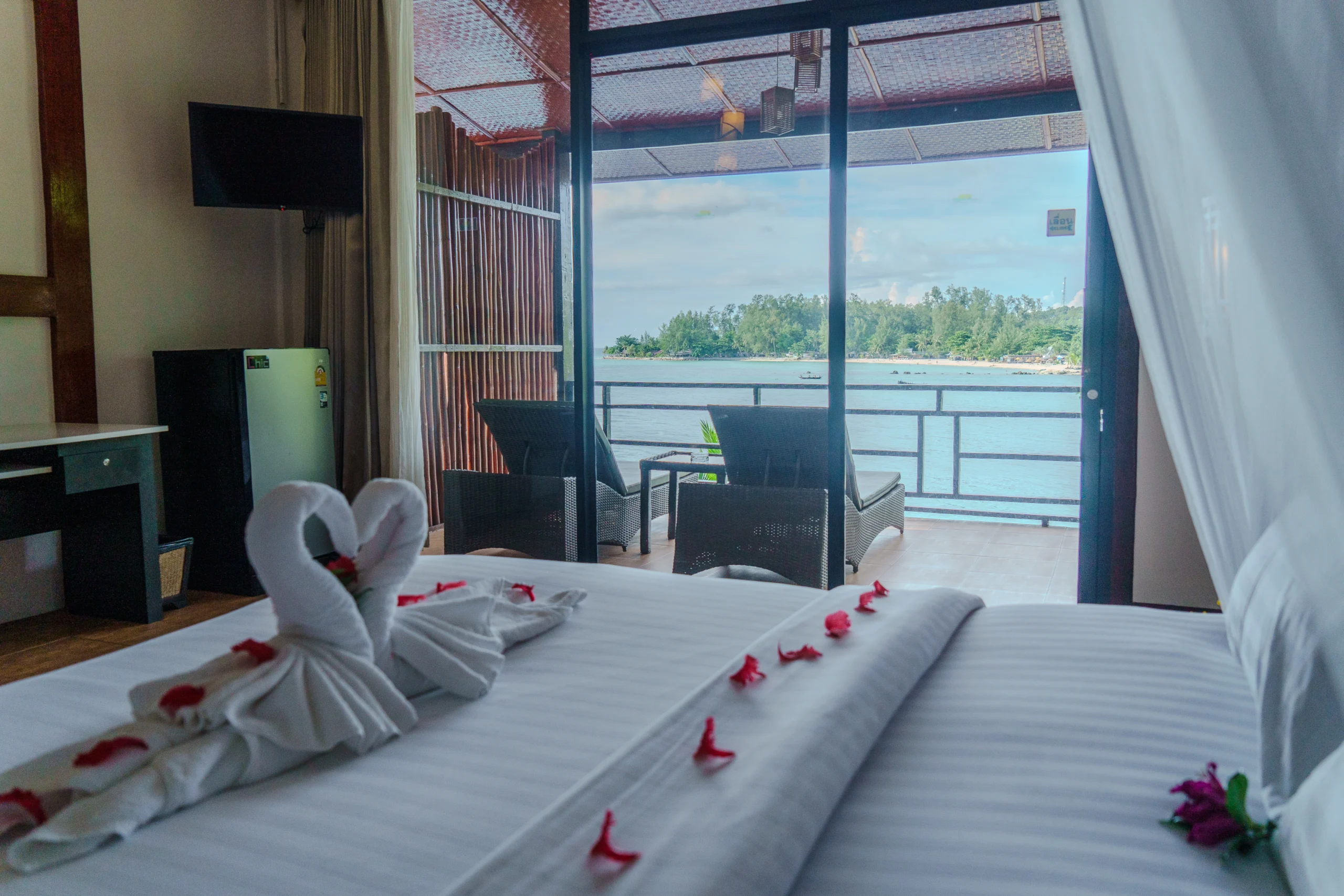
Holina Rehab — Koh Phangan, Thailand
What Are the Signs of Cannabis Addiction?
Cannabis addiction shows up as loss of control over use, needing more to feel the same effect, and continuing despite it harming work, relationships or health. The signs below are the ones we see most often at assessment.
Daily or Near-Daily Use
Using cannabis every day or most days, with the habit feeling increasingly difficult to break.
Psychological Cravings
Strong urges to use when cannabis is unavailable, particularly in response to stress or difficult emotions.
Using to Cope
Relying on cannabis to manage anxiety, sleep problems, boredom, or emotional distress.
Declining Motivation
Reduced engagement with work, relationships, hobbies, and life goals — sometimes called amotivational syndrome.
Memory and Concentration Problems
Noticeable difficulty with short-term memory, focus, and cognitive performance.
Tolerance
Needing more cannabis to achieve the same effect as before.
Withdrawal Symptoms
Irritability, anxiety, sleep disruption, and appetite changes when not using.
Continued Use Despite Consequences
Persisting despite respiratory symptoms, relationship problems, or declining work performance.
Failed Attempts to Stop
Repeated genuine attempts to reduce or stop use that have been unsuccessful.
How Do We Treat Cannabis Addiction at Holina Rehab?
We treat cannabis addiction through a structured residential programme: clinical assessment, medically supervised stabilisation, evidence-based therapy such as CBT, and a personalised aftercare plan — because cannabis use often masks anxiety, low mood or unresolved trauma, our Dual Treatment programme addresses both together.
Assessment
Comprehensive clinical and psychological evaluation. Individual treatment plan from day one.
Medical Detox
Doctor-supervised withdrawal management with medication to ensure safety and comfort.
Primary Care
CBT, DBT, group therapy, trauma work, holistic treatments and daily structure.
Aftercare
Relapse prevention plan, continuing care referrals, and alumni community support.

Evidence-Based. Individually Tailored.
-
Cannabis-Specific Detox Support
While cannabis withdrawal is not medically dangerous, it can be psychologically challenging. Our clinical team supports clients through the withdrawal period — managing sleep disruption, anxiety, and cravings with structured care.
-
Addressing the Emotional Function of Cannabis
Many clients use cannabis to manage anxiety, emotional pain, or trauma. CBT and somatic therapy help clients develop healthy emotional regulation tools that replace the functional role cannabis has played.
-
Dual Treatment for Cannabis and Co-occurring Conditions
Anxiety and depression frequently co-occur with cannabis use disorder. Our dual treatment model addresses both the dependency and underlying behavioural health conditions simultaneously.
A Different Kind of Recovery

Licensed Medical Facility
Holina Rehab is fully licensed by the Thai Ministry of Public Health and operates under international addiction treatment standards. Our on-site physician, nursing staff, and experienced addiction therapists provide 24-hour clinical oversight throughout your programme.
Medical detoxification, dual treatment for addiction and behavioural health, and evidence-based therapy are delivered within a single integrated residential setting — no referrals, no gaps in care.

The Koh Phangan Recovery Environment
The tropical island setting — sea air, natural surroundings, and distance from daily life — creates conditions for the psychological reset that recovery requires. Koh Phangan is home to one of Asia’s largest healing communities.
Clients benefit from private beach access, swimming pools, on-site gym, a nutritious restaurant, and a range of holistic therapies that complement the clinical programme.
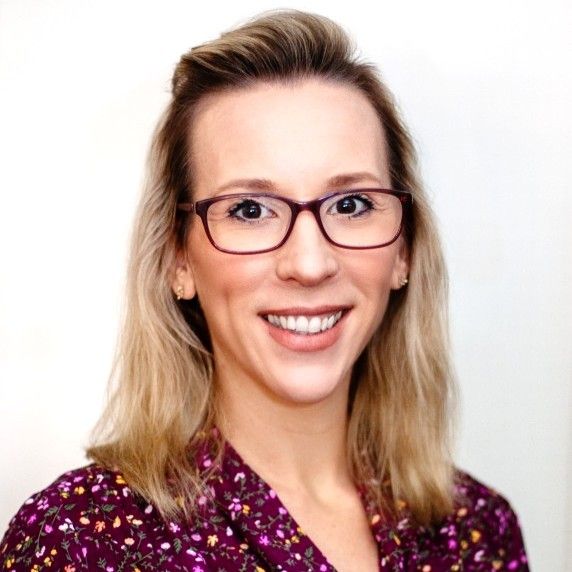
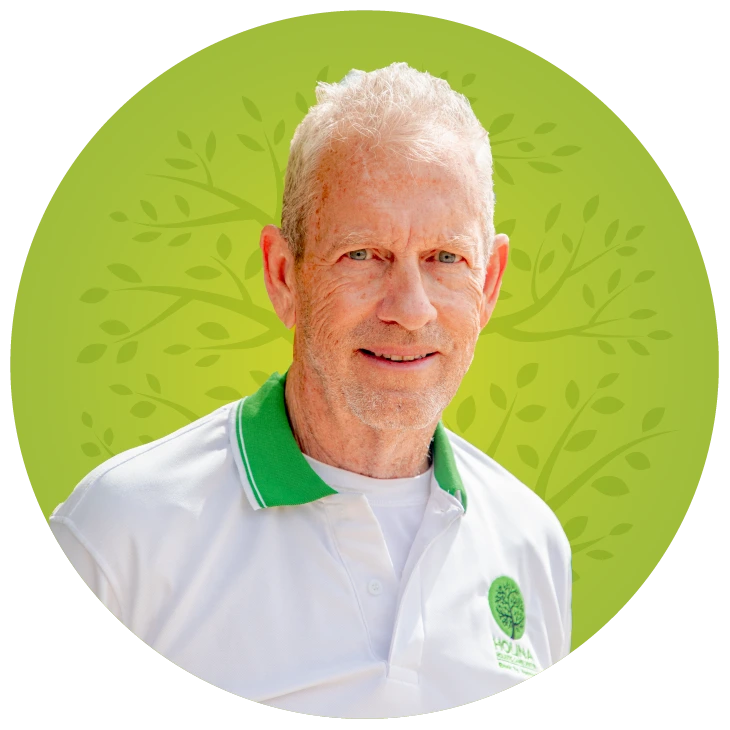
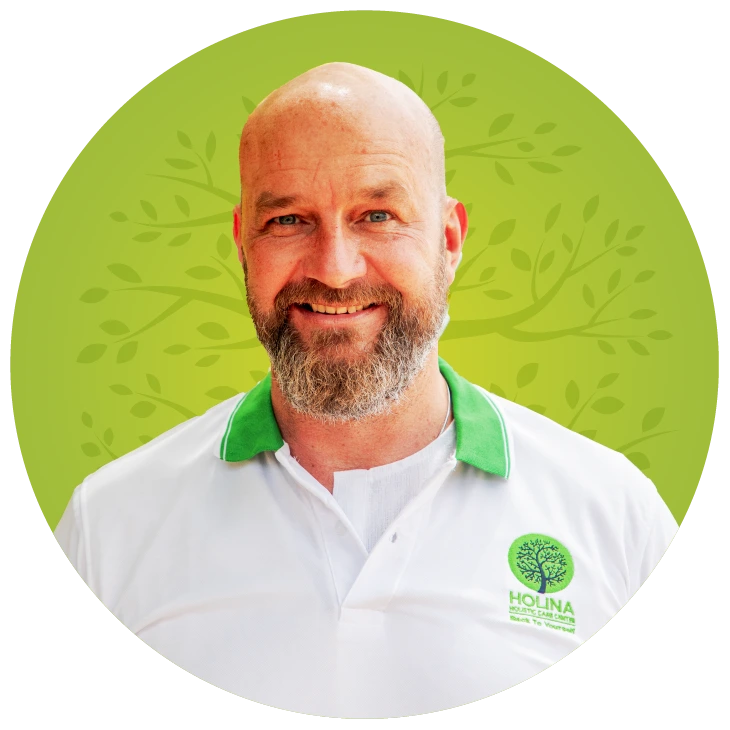
Our Clinical Team
Treatment at Holina Rehab is led by qualified medical professionals and experienced addiction therapists. Every client is under active clinical supervision throughout their programme.
Licensed by the Thai Ministry of Public Health · Residential Rehab Licence #84-03-00294 · International Addiction Treatment Standards
Cannabis Addiction Treatment: Frequently Asked Questions
Is cannabis really addictive?
Yes. The idea that cannabis “isn’t addictive” is one of the most common misconceptions we encounter. The World Health Organisation recognises that approximately 10% of people who use cannabis will develop cannabis use disorder, rising to around 17% among those who begin using in adolescence. For most casual users, use never becomes a problem — but for a meaningful minority it becomes a genuine clinical condition that is very difficult to stop without support.
What does cannabis withdrawal feel like?
Cannabis withdrawal is not medically dangerous in the way alcohol or benzodiazepine withdrawal can be, but it is genuinely uncomfortable and is one of the main reasons people relapse. Common symptoms include irritability, sleep disruption and vivid dreams, anxiety, restlessness and a noticeably decreased appetite. These usually peak in the first week and ease over time. Our medically supervised detox and stabilisation programme is built around this.
Why is high-potency cannabis so hard to quit?
Today’s products are far stronger than the cannabis of previous decades. Higher-potency concentrates and flower deliver much more THC, which drives more intense reward and heavier patterns of daily use — meaning stronger cravings, more disruptive withdrawal, and a deeper reliance on cannabis to manage sleep, stress or mood.
How long does cannabis addiction treatment take?
Treatment length depends on how long and how heavily someone has used, their withdrawal experience and any co-occurring behavioural health needs. Our residential programme is structured around a clinical assessment followed by a personalised plan. Learn more about how rehab length and cost work in Thailand.
Can my family be involved in treatment?
Yes. Cannabis addiction affects the whole family, and involving loved ones, with the client’s consent, supports more durable recovery. We provide structured family addiction support.
Does insurance cover cannabis addiction treatment?
In many cases, yes — coverage depends on your policy and provider. See our guidance on rehab insurance and financing, or contact our admissions team to discuss your situation.
Ready to Begin Your Recovery?
Our admissions team responds the same day — seven days a week, in full confidence.
+66 (0) 82 113 0657 or contact us online ↓